The Rolling Stones 2026: Why This Tour Feels Different
Veröffentlicht am: 20.02.2026 um 15:48 Uhr | Redaktionelle Verantwortung: Rafael Müller, Chefredakteur AD HOC NEWS
If you told your parents or grandparents that The Rolling Stones are still out here plotting another massive live run, they’d probably just nod and say, "Of course they are." For everyone else, the current buzz around The Rolling Stones in 2026 feels unreal: a band that started in the early ’60s still moving like a touring superpower, still sparking setlist debates, resale drama, and wild album rumors in your TikTok feed.
Whether you grew up with "Paint It, Black" on classic rock radio or you discovered "Gimme Shelter" through a movie soundtrack, the question now is simple: are The Rolling Stones really about to level up again in 2026? And if they are, how do you get in the building when it happens?
Check the latest official Rolling Stones tour updates here
Right now, the energy online is split between pure hype and cautious FOMO. Fans are stalking venue announcements, comparing past setlists, and trying to guess whether the band has another album cycle in them—or if this next run could be one of the last big world tours we ever see at this scale.
The Backstory: Breaking News in Detail
The Rolling Stones don’t technically need to "come back"—they never really left—but every new tour cycle comes with its own storyline. In the last few years, they’ve proved repeatedly that they can still fill stadiums in the US, the UK, and across Europe, even as ticket prices have gone nuclear across the live industry. Whenever fresh dates or city hints start to show up on their official site and socials, fans react like it’s a once-in-a-lifetime event, even if they’ve already seen the band two or three times.
Recent reporting in major music outlets has circled around three key threads:
- New tour legs and festival-style stops: The band’s pattern has been a mix of stadiums, big outdoor parks, and a few carefully chosen cities they skipped on the last cycle. Journalists have been noting how the Stones tend to build tours that feel like victory laps, looping in heritage rock fans, casual listeners, and Gen Z kids coming with their parents.
- Setlist evolution after six decades: Music writers keep pointing out that the Stones’ catalog is too massive for a single show, so every new tour sparks debates: which warhorses are untouchable, which deep cuts are overdue for a comeback, and how many newer songs sneak into the prime-time slots.
- The legacy question: In interviews over the last couple of years, members of the band have talked about the reality of age but always come back to the same idea: they’ll stop when it stops being fun or stops working onstage. So far, that moment hasn’t come.
Behind the scenes, promoters and venue operators reportedly still treat The Rolling Stones like an automatic sellout. Industry insiders talk about them in the same breath as mega-pop acts when it comes to demand curves and dynamic pricing—even though the Stones started releasing records more than half a century ago. That’s why so much attention gets focused on their touring schedule: every block of announced dates becomes an instant global talking point.
For fans, the implications are clear. If you live in a major US, UK, or European city, the chances of a Stones show landing near you remain high whenever a new tour cycle is teased. At the same time, dates can be limited and clustered around the biggest markets, so if your city appears on an official list, that might be your only local shot for a while. That’s what’s driving the current tension online—people want to be ready before presales hit, because once the rush starts, it’s brutal.
On top of that, speculation about possible new music hasn’t gone away. Any whisper of studio time or unexpected collaborator sends fans scanning interviews and reading between the lines. Even if the next run ends up focusing mainly on classics, the idea that a new song or two could appear in the set keeps everyone glued to rumors and leaks.
The Setlist & Show: What to Expect
If you’ve never seen The Rolling Stones live, it’s easy to assume it’s just a parade of boomer nostalgia tracks. The reality on the ground—judging from recent tours and fan reports—feels way more electric than that. These shows are loud, bright, and carefully staged to cover multiple eras of the band’s history, while still leaving room for a few surprises.
Across recent tours, a typical Stones night has opened with something explosive and instantly recognizable—often "Jumpin’ Jack Flash" blasting out as the band walks on, or "Street Fighting Man" kicking off the chaos. From there, the core of the set has usually pulled from a heavy-hitter list that includes:
- "Start Me Up" – basically non-negotiable, and usually one of the biggest crowd singalongs.
- "Gimme Shelter" – complete with the soaring guest vocal that people film for TikTok every night.
- "Honky Tonk Women" – big cowbell moment, big screens, big crowd reaction.
- "Paint It, Black" – the goth, cinematic classic that hits even harder live.
- "You Can’t Always Get What You Want" – often used to bring the mood into a reflective place mid-set.
- "Sympathy for the Devil" – with the stage lighting flipped into full ritual mode.
- "(I Can’t Get No) Satisfaction" – usually a show-closing or encore-ending anthem.
But the real fun, according to hardcore fans who track every night, kicks in when the band rotates the wildcard slots. On recent runs they’ve dropped in songs like "Angie", "Beast of Burden", "Let’s Spend the Night Together", "Wild Horses", "Midnight Rambler", or "She’s a Rainbow" depending on the city. Some tours have included a fan-voted song each night, donde people campaigned online for their favorite deep cuts.
Expect the production to lean into oversized video screens, elaborate lighting rigs, and long catwalks so Mick Jagger can basically sprint past multiple sections of the stadium. Even if you’re in the nosebleeds, the visual design makes it feel like a full-scale event rather than just a band standing on a small stage. Recent setlists have averaged around 18–20 songs, with a runtime pushing two hours or more—long enough for them to hit all the core eras without completely draining the band.
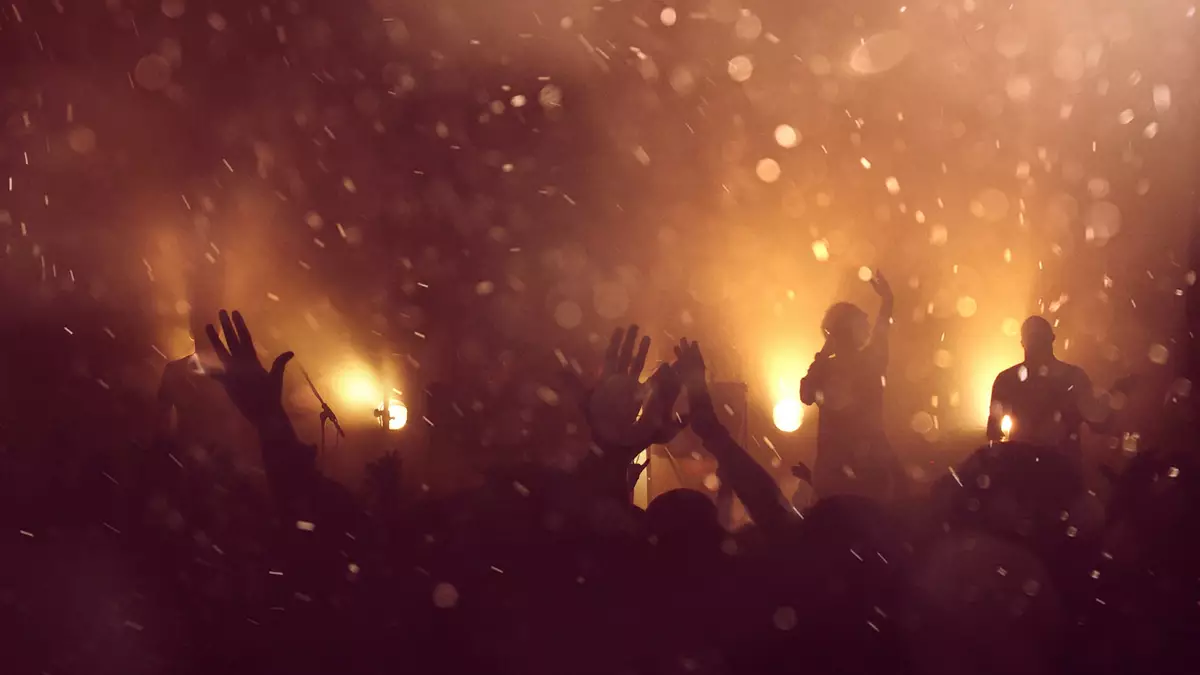
The vibe in the crowd is one of the weirdest and coolest parts: you’ll see fans in their teens and 20s screaming next to people who saw The Rolling Stones in the ’70s. A lot of younger fans show up because their parents or relatives insist "you have to see them once while you still can," but leave as actual converts, posting breathless reviews and shaky phone videos.
One detail that keeps showing up in fan recaps: the band still treats the performance like a living, breathing thing. Tempos shift, solos run long, a song might groove differently than the studio version you know from playlists. It’s not autopilot. That looseness is part of why people go multiple times on the same tour—no two shows are exactly alike, and you might get a rarity that never appears again on that run.
What the web is saying:
Rumor Mill: What Fans Are Speculating
If you scroll Reddit threads or TikTok comments around The Rolling Stones right now, you’ll see the same three questions over and over: Is there another full world tour coming? Is there new music tied to it? And are these tickets going to be impossible to afford?
On Reddit, long-running discussion threads in music subs keep resurfacing whenever someone posts a cryptic stage shot, a studio hint, or a quote from a recent interview. Some recurring fan theories include:
- A "final" stadium tour branding: A faction of fans believes the band or promoters will eventually lean into a "last time" angle, not necessarily because they’re done, but because it would drive record-breaking demand. Others push back hard, saying that’s not really the Stones’ style—they’d rather just keep playing than build a retirement narrative.
- Special guests and younger collabs: TikTok is obsessed with the idea of younger rock, pop, or even hip-hop stars jumping onstage for surprise moments—think modern duets on "Gimme Shelter" or a fresh twist on "Sympathy for the Devil." Recent crossover trends in live music make this feel at least possible, even if it’s mostly wishful thinking right now.
- Rotating deep-cut nights: Setlist nerds are hoping for shows themed around specific albums or eras—like an Exile on Main St.-heavy night or a show that leans into late ’60s psychedelia. While the band has historically kept things more balanced, fan voting slots have fueled the theory that deeper experimentation could be coming.
The other big talking point is money. It’s not just The Rolling Stones; the entire live industry has shifted toward dynamic pricing, VIP tiers, and intense resale markups. Fans on Reddit and X (Twitter) swap screenshots of presale queues, complaining about how quickly standard-priced seats vanish and how aggressively resale platforms push eye-watering totals for mid-level seats.
Because of that, there’s a growing DIY advice culture around Stones shows: when to log in, how many tabs to open, whether to target side-stage seats instead of dead-center, and which cities tend to have slightly lower prices. Some fans suggest aiming for shows in less tourist-heavy cities, arguing that venues outside obvious hubs can be easier to lock down at decent prices.
Meanwhile, TikTok’s role is only getting louder. A lot of younger fans’ first real exposure to The Rolling Stones as a live band comes from short vertical clips: 15 seconds of a massive stadium roaring out the chorus to "Satisfaction", or a close-up of the "Gimme Shelter" vocal run that goes viral every few months. Those clips fuel FOMO for people who didn’t necessarily grow up with the albums but still want to say, "I saw them" before it’s no longer an option.
Add in the occasional conspiracy-level rumor—like secret warm-up shows in tiny venues, or covert filming for a new concert film—and you get a rumor mill that never really turns off. Most of it will never be confirmed, but that doesn’t stop fans from mapping possible tour routes and stacking "evidence" from airport sightings, quiet venue holds, and subtle updates to the band’s official site.
Key Dates & Facts at a Glance
Details change fast as new information appears, but here’s a simple snapshot-style table to keep the essentials straight. Always cross-check with the official site for the latest:
| Type | Region | Detail | Where to Confirm |
|---|---|---|---|
| Tour Announcements | US / UK / Europe | New blocks of dates typically revealed in waves, often focusing on major stadiums and outdoor venues. | Official Stones Tour Page |
| Ticket Sales | Global | Presales for fan clubs and cardholders usually drop before general onsale; dynamic pricing may apply. | Authorized ticketing partners linked from official site |
| Typical Set Length | All regions | Roughly 18–20 songs, often around 2 hours of stage time. | Recent fan reports, live reviews, and setlist-tracking sites |
| Core Classics | All regions | "Start Me Up", "Gimme Shelter", "Paint It, Black", "Sympathy for the Devil", "(I Can’t Get No) Satisfaction". | Past setlists & live reviews |
| Rotating Songs | All regions | Examples include "Angie", "Beast of Burden", "Wild Horses", "Midnight Rambler", "She’s a Rainbow". | Show-by-show setlist archives |
| Fan Voting | Selected dates | Some tours feature a fan-voted song slot, with voting handled online before each show. | Official social channels & tour microsites |
| Age Recommendation | Global | Most shows are all-ages or 16+ with adult; always check venue rules. | Venue websites and ticketing pages |
FAQ: Everything You Need to Know About The Rolling Stones
Who are The Rolling Stones, in 2026 terms?
The Rolling Stones are one of the longest-running and most influential rock bands on the planet, but in 2026 they’re more than just a legacy act. They’re a living link between the classic rock era and today’s touring economy, still drawing crowds that rival modern stadium pop stars. When you hear people talk about "seeing the Stones," they’re not just talking about nostalgia—they’re talking about witnessing a band that basically wrote a chunk of the rock playbook and is still performing it at a massive scale.
The current live identity of the band is built around their best-known hits, a handful of deep cuts, and a touring machine refined over decades. Production crews, lighting designers, sound engineers, and logistics teams treat a Stones tour like the Super Bowl of rock runs, and that’s exactly how it feels for a lot of fans in the stands.
What kind of show do you actually get when you buy a Rolling Stones ticket?
You’re buying into a stadium-sized, full-senses experience. Expect:
- Big visuals: Huge video walls, stylized animations, close-ups of the band, and camera work built to translate even cheap seats into something exciting.
- High energy from the stage: You’re not watching a band sit still and politely play through the catalog. You’ll see movement, interaction with the crowd, and a frontman who still knows how to control tens of thousands of people with a single gesture.
- A carefully balanced setlist: Enough hits that even casual listeners feel included, plus just enough variation that hardcore fans don’t feel like they’re watching a jukebox on autoplay.
- Unfiltered crowd noise: Expect chants, huge singalongs, and older fans reliving their youth next to people discovering this music live for the first time.
It’s not a minimalist indie show. It’s loud, it’s dramatic, and it’s built to be remembered.
Where can you find the most accurate, up-to-date tour information?
There’s a lot of noise online—rumors, fake posters, outdated lineups—but when money and travel are on the line, you should always zero in on official sources. The most reliable hub is the band’s own site, especially the dedicated tour page:
https://rollingstones.com/tour
That’s where confirmed dates, venues, and official ticket links usually appear first or get aggregated after announcements. Promoter sites and major ticketing partners echo that information, but if you’re ever unsure whether a "leaked" date is real, compare it to what’s posted on the official tour page and the band’s verified social accounts.
When do tickets usually go on sale—and how can you avoid getting burned?
Rollouts vary, but there’s a rough pattern that repeats across big tours:
- Tour tease and city hints
- Full date and venue announcements
- Fan club or special presales (sometimes tied to codes or memberships)
- Credit card or mobile provider presales
- General onsale
To avoid getting crushed by demand, your best move is to plan ahead:
- Sign up for email lists or alerts on the official site so you know exactly when presales open.
- Decide your priority cities and backup options in case your first choice sells out too fast.
- Stick to official ticketing links from the tour page instead of going straight to unknown resale sites.
Resale will always exist, but if you move early and stay patient in the queue, you at least give yourself a shot at face-value seats before the prices spiral upward.
Why do The Rolling Stones still matter to younger fans?
Part of it is cultural gravity—this is a band whose songs have soundtracked movies, TV shows, sports stadiums, and TikToks for decades. Even if you never sat down to play a full Stones album front-to-back, chances are you can hum along to at least three or four of their hits just from passive exposure.
But the bigger reason is that there’s a real emotional pull to the idea of seeing a band of this scale and history while you still can. For some fans, going to a Stones show feels like time travel; for others, it’s about standing in a giant crowd and recognizing that songs from the ’60s and ’70s can still light people up in 2026 as hard as any current chart-topper. The generational crossover—from long-time fans to first-timers—is exactly what keeps the audience fresh.
What should you listen to before going to a Stones concert?
If you want to prep without drowning in the full discography, focus on a tight starter pack:
- "(I Can’t Get No) Satisfaction" – because you will hear it, and it will erupt.
- "Paint It, Black" – the riff hits different when 50,000 people react at once.
- "Gimme Shelter" – especially for the backing vocal showcase live.
- "Start Me Up" – classic opener energy.
- "Sympathy for the Devil" – it’s one thing on headphones, another thing in a stadium with the full chant.
- "Wild Horses" or "Angie" – to get used to the ballad side of the set.
From there, you can dig deeper into albums like Exile on Main St., Sticky Fingers, or Let It Bleed if you want to unlock more potential live moments.
How early should you arrive on show day?
For stadium shows, it’s smart to treat it less like a casual night out and more like a mini-festival. Aim to arrive early enough to:
- Get through security without stress.
- Grab food, drinks, and merch before lines are maxed out.
- Catch the support act if there is one—these are usually carefully chosen and worth seeing.
Showing up before the main set also lets you settle into the environment. You get to watch the crowd fill in, soak up the pre-show playlists, and feel that slow build of anticipation before the lights cut and the first huge riff kicks in. For a band like The Rolling Stones, that first moment when the show properly starts is half the magic.
Get the professional edge. Since 2005, 'trading-notes' has provided reliable trading recommendations. Sign up for free now
Disclaimer zu unseren Artikeln: Keine Anlageberatung, keine Kauf- oder Verkaufsempfehlung. Angaben zu Kursen, Unternehmen und Märkten ohne Gewähr; Änderungen jederzeit möglich. Börsengeschäfte können zu hohen Verlusten führen. Unsere Beiträge werden ganz oder teilweise automatisiert mit Unterstützung von AI erstellt und geprüft.