
The Prodigy: Electronic Pioneers Redefining Rock
Published on 05/13/2026 at 12:33 | Editorial responsibility: Rafael Müller, Editor-in-Chief AD HOC NEWS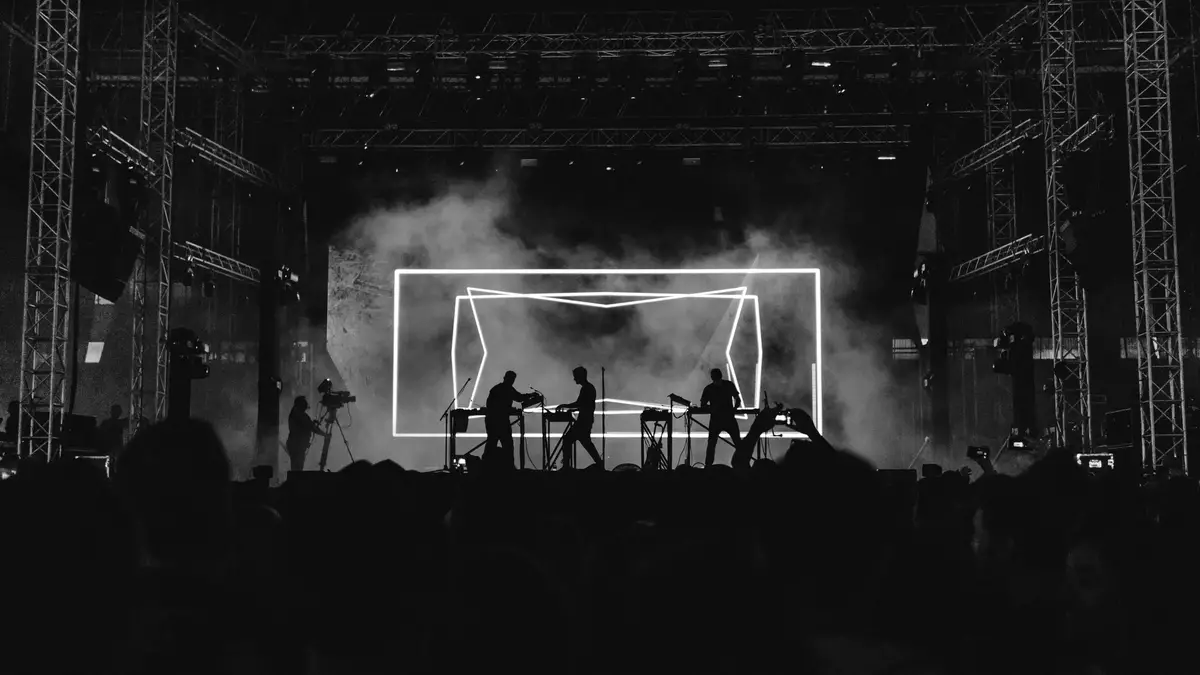
The Prodigy stands as one of the most influential electronic music acts of the past three decades, a British collective that shattered the boundaries between rave culture, punk attitude, and mainstream rock credibility. From their emergence in the early nineties to their continued relevance in 2026, The Prodigy has consistently challenged what electronic music could be—aggressive, theatrical, uncompromising, and utterly live.
The Prodigy: Electronic Innovators Who Conquered the World
The Prodigy represents a rare phenomenon in popular music: an electronic act that achieved stadium-scale success without sacrificing artistic integrity or sonic aggression. Fronted by Liam Howlett's production vision and Maxim Reality's commanding stage presence, The Prodigy transformed rave music from underground warehouse phenomenon into a global cultural statement. Their influence spans generations of producers, live performers, and festival headliners who cite the group as a foundational reference point for blending electronic production with raw, physical performance energy.
What makes The Prodigy's trajectory remarkable is their refusal to soften or commercialize their core aesthetic. While many electronic acts of their era eventually retreated into either pure club production or watered-down pop crossover, The Prodigy maintained an uncompromising stance: their music remained abrasive, their live shows remained chaotic and energetic, and their visual presentation remained provocative. This consistency has allowed them to remain relevant across multiple generations of listeners and to maintain credibility within both electronic music communities and mainstream rock audiences.
Origins and Rise: From Essex Rave to Global Phenomenon
The Prodigy emerged from Braintree, Essex, in 1990, when Liam Howlett began producing breakbeat-driven tracks that fused the energy of acid house with the raw aggression of punk and hip-hop. The group's early releases on XL Recordings—including the Experience album in 1992—established their signature sound: chopped-up breakbeats, distorted synths, and samples that ranged from James Brown to Public Enemy. Howlett's production philosophy centered on maximizing impact through density and surprise, layering multiple elements into a chaotic but carefully controlled sonic architecture.
The addition of MC Maxim Reality and later Keith Flint as frontmen transformed The Prodigy from a studio project into a live phenomenon. Keith Flint's wild stage presence—his distinctive vocals, his physical energy, his willingness to embody the music's aggression—became inseparable from the group's identity. By the mid-nineties, The Prodigy had become fixtures at major festivals including Reading and Leeds, Glastonbury, and later Download and Rock am Ring, where their sets consistently ranked among the most talked-about performances of the weekend.
The 1997 album The Fat of the Land marked their commercial breakthrough in North America and solidified their global status. Tracks like Firestarter and Breathe received heavy MTV rotation, and the album debuted at number one on the UK Albums Chart and reached the top ten in the United States. This success came at a time when electronic music was still fighting for mainstream credibility, making The Prodigy's achievement particularly significant. They proved that electronic producers could headline major venues, sell out arenas, and command the same cultural attention as traditional rock bands.
Signature Sound and Key Works
The Prodigy's sonic identity rests on several core elements that have remained consistent across their career. Liam Howlett's production approach prioritizes breakbeats—typically sampled from seventies and eighties funk and soul records—as the rhythmic foundation. These breakbeats are then layered with distorted synthesizers, heavy bass lines, and provocative vocal samples. The result is a sound that feels simultaneously mechanical and organic, futuristic and rooted in hip-hop and funk tradition.
Key albums that defined their evolution include The Experience (1992), which introduced their core aesthetic; Music for the Jilted Generation (1994), which added political edge and expanded their sonic palette; The Fat of the Land (1997), their commercial peak; Always Outnumbered, Never Outgunned (2004), which saw them collaborating with guest vocalists including Twista and Kool Keith; and Invaders Must Die (2009), which marked a return to their harder, more aggressive roots. Each album demonstrated Howlett's willingness to evolve production techniques while maintaining the group's core identity.
Signature tracks include Firestarter, with its iconic vocal hook and relentless breakbeat; Breathe, which showcased their ability to craft radio-friendly hooks without sacrificing aggression; Out of Space, a more psychedelic exploration of their sound; and Omen, which demonstrated their continued relevance in the 2010s. These songs have become staples of electronic music history, regularly sampled, remixed, and referenced by subsequent generations of producers.
Live, The Prodigy became legendary for their intensity and unpredictability. Their sets were not mere playback of recorded material but rather dynamic, high-energy performances where Howlett manipulated tracks in real time, Maxim Reality and Keith Flint commanded the stage with physical presence, and the visual production—lights, projections, and staging—created an immersive environment. Festival appearances became must-see events, with their headline sets frequently cited as among the most memorable performances of any given year.
Latest Developments and Current Status
The Prodigy's recent years have been marked by continued touring and periodic new material. Following the tragic death of Keith Flint in March 2019, the group faced questions about their future. However, Liam Howlett and Maxim Reality confirmed their intention to continue, honoring Flint's legacy while exploring new creative directions. The group released the album No Tourists in 2018, which saw them returning to harder, more aggressive production styles reminiscent of their nineties peak.
In 2024 and 2025, The Prodigy maintained an active touring schedule, performing at major festivals and headlining venues worldwide. Their live shows continue to draw audiences spanning multiple generations—longtime fans who discovered them in the nineties alongside younger listeners discovering their catalog through streaming platforms and social media. The group's presence on streaming services has introduced their music to audiences who may never have encountered them through traditional radio or MTV exposure.
As of May 2026, The Prodigy remains active in the live circuit. Their tour dates and upcoming performances are available through their official channels and major ticketing platforms. The group continues to represent a bridge between electronic music culture and mainstream rock audiences, proving that the boundaries between these worlds remain permeable and that electronic music can carry the same emotional weight and cultural significance as any other genre.
Cultural Impact and Legacy
The Prodigy's influence on electronic music, rock music, and popular culture broadly cannot be overstated. They demonstrated that electronic producers could be artists in the fullest sense—not merely technicians but visionaries capable of creating cohesive artistic statements. Their success opened doors for subsequent electronic acts to achieve mainstream recognition and festival headliner status.
Within the electronic music community, The Prodigy is cited as a foundational influence by producers across multiple genres. Their approach to breakbeat manipulation influenced drum and bass, their aggressive synth work influenced industrial and metal producers, and their willingness to incorporate diverse influences inspired countless artists to experiment across genre boundaries. Major publications including Rolling Stone, Pitchfork, and NME have consistently ranked their albums among the most important electronic music releases of all time.
Their cultural impact extends beyond music into fashion, visual art, and youth culture. The Prodigy's aesthetic—combining rave culture's colorful energy with punk's rebellious attitude—influenced fashion trends and visual design throughout the nineties and beyond. Their music videos, particularly those for Firestarter and Breathe, became iconic visual statements that defined an era.
In terms of certifications and chart recognition, The Prodigy has achieved significant milestones. Multiple albums have achieved platinum certification in the United Kingdom and gold certification in the United States. Their singles have charted consistently across major markets, and their influence on subsequent chart-topping electronic acts is evident in the work of artists from Daft Punk to The Chemical Brothers to contemporary electronic producers.
The Prodigy Across Streaming and Social Media
In the streaming era, The Prodigy's catalog has found new audiences and new contexts. Their music appears regularly in film soundtracks, video game soundtracks, and advertising, introducing their sound to listeners who may not actively seek out electronic music. Streaming platforms have made their entire discography instantly accessible, allowing listeners to explore their evolution across three decades of releases.
The Prodigy – Reactions, fan conversation, and streams across the web:
Frequently Asked Questions About The Prodigy
What is The Prodigy's most famous song?
Firestarter, released in 1996, remains The Prodigy's most recognizable track globally. The song's distinctive vocal hook, relentless breakbeat, and iconic music video made it a staple of MTV and radio throughout the late nineties. However, Breathe and Out of Space also rank among their most streamed and culturally significant tracks.
Who are the members of The Prodigy?
The Prodigy was founded by Liam Howlett, who serves as the primary producer and creative force. Maxim Reality joined as MC and performer, and Keith Flint became the group's iconic frontman and vocalist. Following Keith Flint's death in 2019, Liam Howlett and Maxim Reality have continued the project, honoring Flint's legacy while exploring new creative directions.
What albums should I start with to understand The Prodigy?
New listeners should begin with The Fat of the Land (1997), which contains their most accessible and commercially successful material. For deeper exploration, Music for the Jilted Generation (1994) showcases their artistic ambition and political edge, while Invaders Must Die (2009) demonstrates their continued relevance and return to harder production styles. The Experience (1992) provides historical context for their early sound.
How has The Prodigy influenced modern electronic music?
The Prodigy demonstrated that electronic music could achieve mainstream success without compromising artistic integrity. Their influence appears in drum and bass, industrial music, and contemporary electronic acts. They proved that electronic producers could headline major festivals and venues, opening doors for subsequent generations of electronic artists to achieve similar recognition and cultural impact.
Where can I find The Prodigy tour dates and ticket information?
The Prodigy maintains an active touring schedule. Official tour dates, venue information, and ticket links are available through their official website and major ticketing platforms. Fans can also follow their social media channels for announcements regarding upcoming performances and festival appearances.
More coverage of The Prodigy on AD HOC NEWS:
Read more about The Prodigy tour dates on AD HOC NEWS ->Browse all stories about The Prodigy on AD HOC NEWS ->


