The iShares Global Clean Energy ETF. BlackRock pushes a diversified renewables basket
01.07.2026 - 08:31:45 | ad-hoc-news.de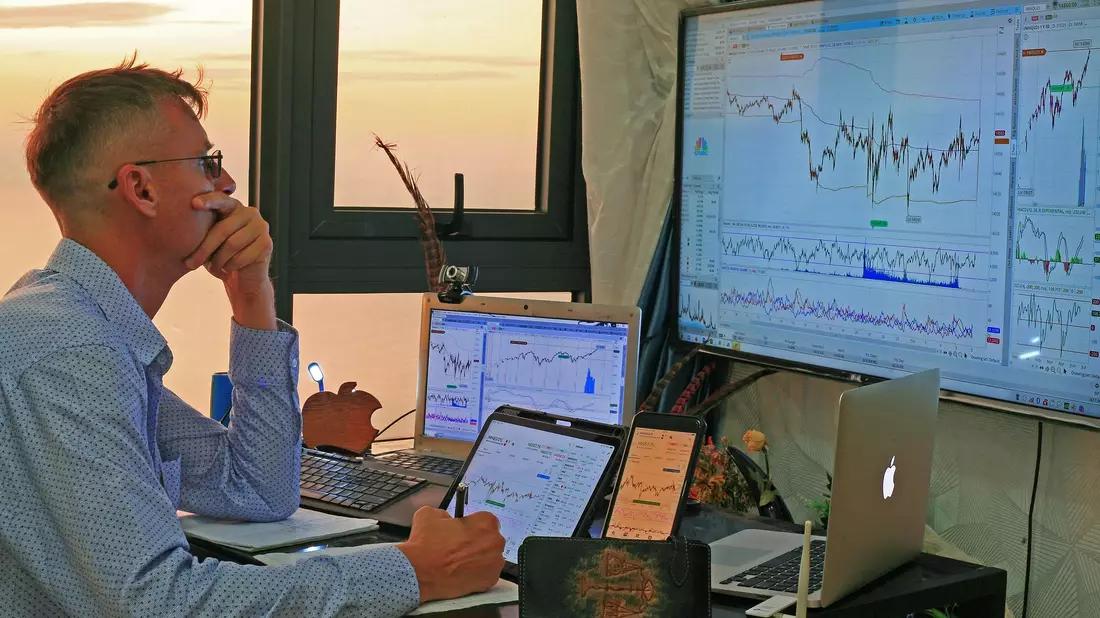
By Nora Whitfield, ad hoc news Accessories & Components Desk. Reviewed July 01, 2026, 2:30 AM ET. Details in the imprint.
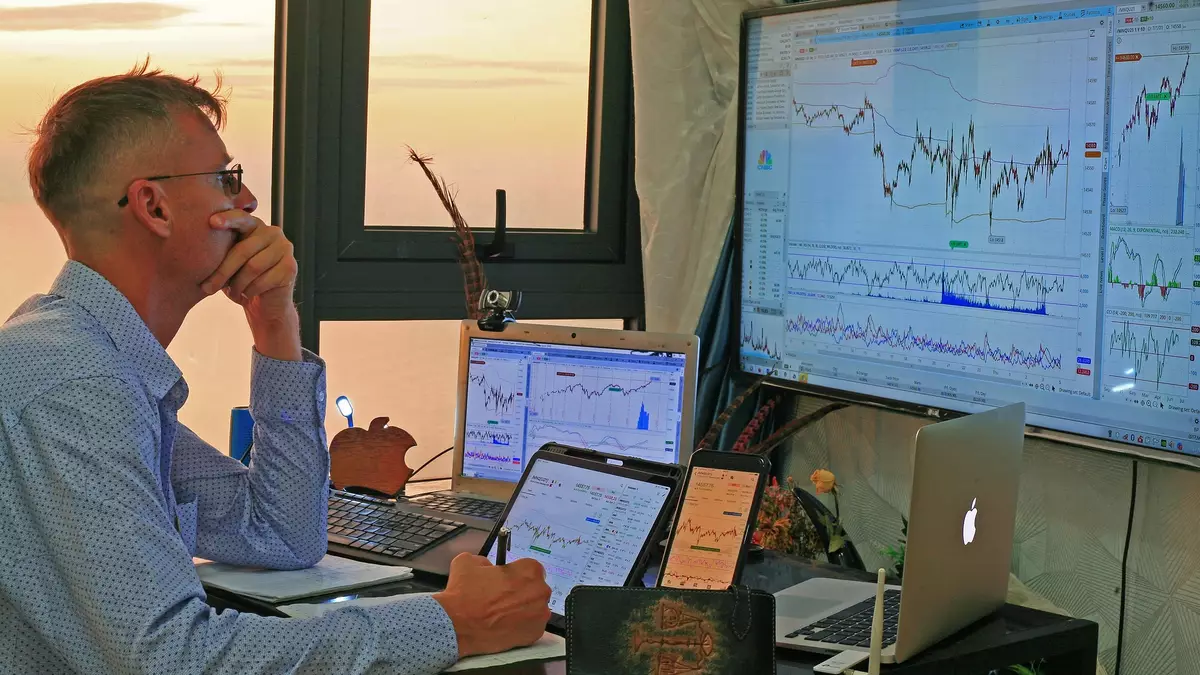
iShares Global Clean Energy ETF is the kind of fund you notice when its holdings scroll past on a trading screen: solar manufacturers, wind turbine makers, grid equipment, and utilities all packed into one green-tinged ticker. You can almost picture a wall of spinning wind blades and shimmering solar panels behind the quote. For US retail investors, it is a way to hold a cross-section of the global renewables build-out without trying to pick single winners.
What the ETF actually holds
At its core, iShares Global Clean Energy ETF is an index fund that tracks the S&P Global Clean Energy Index, a rules-based benchmark focused on companies generating power from renewable sources or manufacturing clean-energy equipment. The index methodology caps individual positions and adjusts weightings as constituents change, so the ETF inherits that diversification structure.
BlackRock says the fund typically holds more than 100 constituents, ranging from large US-listed names like NextEra Energy and Enphase to European wind leaders and Asian solar panel producers. The basket spans developed and select emerging markets, with holdings listed on exchanges in the US, Europe, and Asia but tradeable for US investors in a single NYSE-listed share class. That concentrated focus on clean energy makes the ETF function like a themed component in a broader portfolio rather than a core holding.
More on BlackRock and clean energy exposure
Explore how iShares Global Clean Energy ETF fits into BlackRock Inc.'s broader sustainable investing lineup and how that segment matters for BLK as a listed asset manager.
Costs, liquidity, and US access
On cost, the ETF charges a management fee expressed as an expense ratio that sits above low-fee broad equity index trackers but in line with other niche thematic funds. That higher fee reflects both the narrower focus and the more complex index maintenance behind a specialized benchmark.
Trading is via the NYSE Arca listing in US dollars, with intraday liquidity provided by market makers and authorized participants who create and redeem ETF shares against the underlying basket. During a typical US trading day, you can watch the price flicker in small increments on a quote screen, with bid-ask spreads that tend to be tighter than those on individual small-cap renewables names but wider than the spreads on mega-cap US indexes.
How BlackRock positions the product
Inside BlackRock, the ETF sits under the iShares franchise, the company’s flagship brand for exchange-traded funds. For portfolio managers like Salim Ramji, who has been a key executive in the ETF and index-investing business, products like Global Clean Energy are a way to package themes that clients repeatedly ask for into standardized, liquid instruments.
In marketing and educational materials, BlackRock typically presents the ETF as a satellite allocation that can complement a core global equity or US equity fund. The idea is that investors who believe in the long-term structural growth of renewables, but do not want to build single-stock positions in solar or wind names, can use the ETF as their preferred component for that theme. Conversations with financial advisors often revolve around how much of a portfolio to allocate and how to balance the fund’s volatility against more stable income-generating holdings.
Risk profile and performance swings
Even though it is diversified, iShares Global Clean Energy ETF can be volatile. The underlying companies are exposed to commodity prices, policy incentives, and interest-rate moves, all of which can push clean energy stocks sharply higher or lower. On some days, the ETF’s intraday chart can look like a jagged mountain range as the market reacts to headlines about subsidies, grid constraints, or project delays.
Investors who used the fund through the last rate-hiking cycle saw how rising financing costs pressured high-growth renewables valuations. At the same time, long-term demand for decarbonized power and grid modernization has kept the theme alive. BlackRock’s risk disclosures emphasize that sector ETFs can underperform broad markets for extended periods and that diversification within a theme does not eliminate the risk associated with the theme itself.
Use cases for US retail investors
For a US retail investor building a simple brokerage portfolio, Global Clean Energy can act as a plug-in component: a single position representing many underlying companies. An investor might own a broad US index fund, a global ex-US fund, and then layer in this ETF as a modest allocation that tilts the overall portfolio toward renewables.
Some investors use it alongside technology or infrastructure ETFs in a structure that mirrors what institutional allocators might do with separately managed accounts. Others treat it more tactically, increasing exposure when they think regulatory or macro conditions favor clean energy and dialing back when valuations feel stretched. Because the product trades like a stock, those shifts are operationally straightforward.
First-hand trading impression
Watch the ETF on a quiet midweek afternoon and you notice the small details: limit orders sitting just off the prevailing price, block trades printing in one burst, and the quote depth showing a mix of retail and institutional activity. It does not feel thinly traded or hard to move into or out of for typical retail-size tickets.
Option chains listed on the ETF add another layer for more experienced traders, allowing calls and puts tied directly to the clean energy theme. For many long-term holders, though, the primary experience is simpler: periodic contributions, distributions that may include modest dividends depending on the underlying companies, and an annual expense charge deducted at the fund level rather than billed separately.
How this fits into BlackRock’s lineup
Globally, BlackRock has built a substantial suite of sustainable and thematic funds that range from broad ESG-screened indexes to narrow strategies focused on specific technologies. Global Clean Energy sits closer to the thematic end of that spectrum. Its role in the lineup is to provide direct exposure to companies operating in solar, wind, and related clean-energy segments rather than a generalized low-carbon overlay.
The company’s disclosures show that assets in sustainable strategies have grown meaningfully over the past decade, giving BlackRock another driver of fee-based revenue beyond traditional index funds. For analysts covering BlackRock stock, the performance and asset flows of funds like Global Clean Energy are one input into broader discussions about how the firm participates in long-term structural trends.
Closing context and BLK stock link
BlackRock Inc. is a US-headquartered asset manager whose iShares ETF franchise is a central piece of its business model, both in terms of fee revenue and brand recognition. The iShares Global Clean Energy ETF is one of its more focused thematic products, designed for investors who want a concentrated but diversified look at renewable energy equities through a single listed fund.
As part of that broader iShares platform, the ETF contributes to BlackRock Inc.'s overall assets under management and fee income, making the sustainable and thematic ETF segment a modest but real component of the story around BlackRock Inc. stock (NYSE: BLK, ISIN US09247X1019).
Key facts: iShares Global Clean Energy ETF
- Product: iShares Global Clean Energy ETF
- Manufacturer: BlackRock Inc.
- Category: Accessories & Components (ETF component for portfolios)
- Launch: The ETF has been available for US investors for several years as a NYSE Arca-listed fund tracking a clean energy index.
- MSRP / Price: Trades at market price in US dollars, with fund-level expense ratio set by BlackRock.
- Availability: Listed on NYSE Arca and tradeable via US brokerage accounts during regular market hours.
- Target audience: US and global investors seeking diversified exposure to renewable energy equities in a single ETF.
- Standout / USP: Concentrated thematic focus on global clean energy companies while offering diversification across regions and technologies.
This article was AI-assisted and editorially reviewed. Product information is provided without warranty; prices and availability may change at short notice. Not investment advice and not a buy or sell recommendation. Securities trading carries risks up to total loss.