The Intuvo 9000 GC System. Agilent tightens lab workflows
Published on 07/19/2026 at 14:11 | Editorial responsibility: Rafael Müller, Editor-in-Chief AD HOC NEWS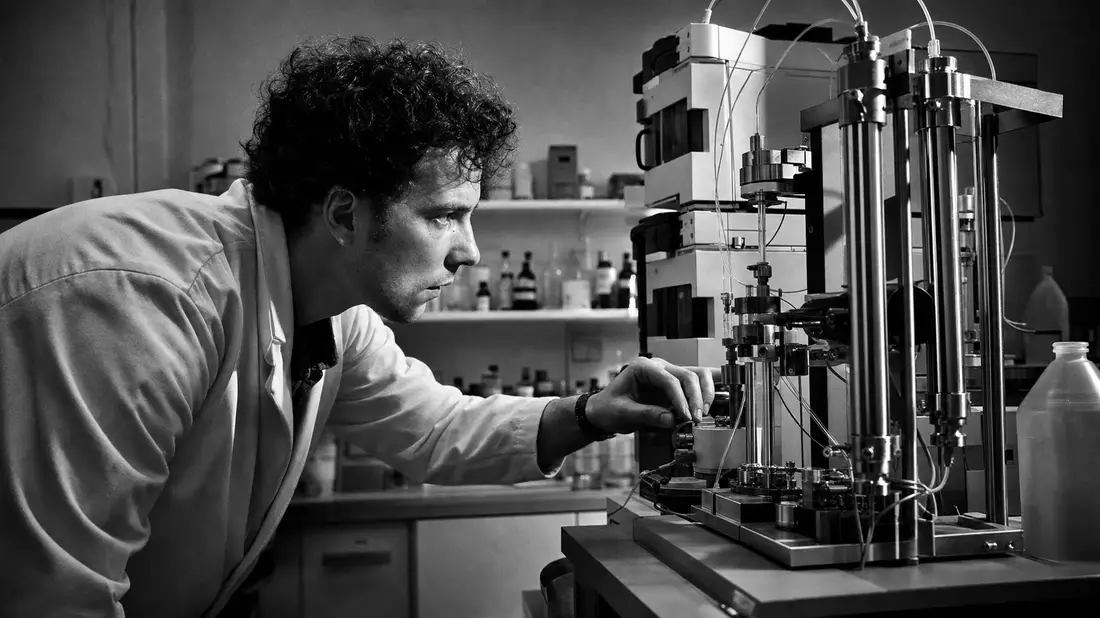
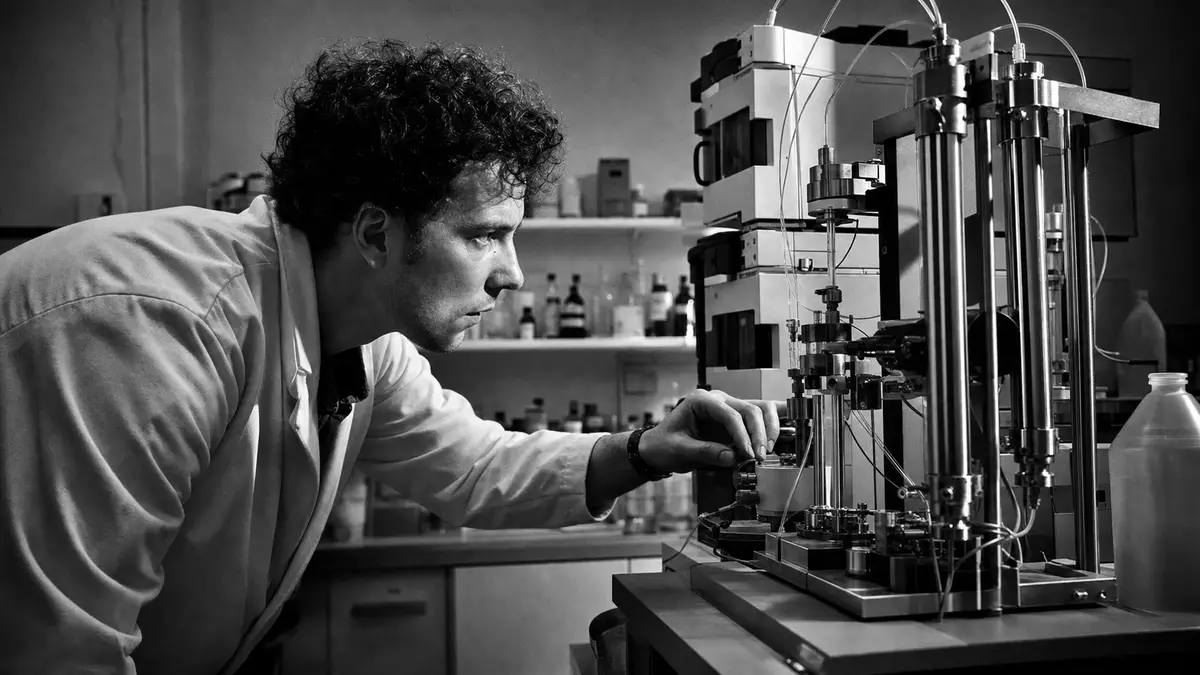
The Intuvo 9000 GC System stands on a crowded benchtop, its matte metal chassis cool to the touch and a small color screen glowing soft blue in the dim lab. A technician snaps the new column in place with an audible click, skipping the usual wrench work. In many labs, this compact gas chromatograph is slowly replacing bulkier legacy instruments that demand more hands-on care.
From classic GC to Intuvo
Gas chromatography is one of Agilent’s core businesses, and the Intuvo 9000 GC System is its compact, column-centric twist on traditional GC setups. Unlike conventional systems that rely on ferrules and complex plumbing, Intuvo’s design uses click-and-run connections to simplify column installation and reduce potential leaks, a point Agilent’s development team stresses in its product notes.
On Agilent’s official product page, the company describes the Intuvo 9000 as combining a simplified flow path with a more compact form factor without sacrificing chromatographic performance. The system targets routine and high-throughput labs in environmental testing, food safety, and chemical quality control, where technicians often juggle multiple instruments and sample matrices in tight rooms, not generous showrooms.
Simplified column handling
One of the most tangible changes with Intuvo is column handling. Agilent replaced the classic approach of tightening graphite or Vespel ferrules onto metal fittings with a tool-free column connection concept. This means a lab worker can feel the connection lock with a firm push instead of reaching for a wrench and worrying about over-tightening a fragile capillary column.
Intuvo columns are purpose-built for the system and connect through a proprietary interface on the GC, which includes integrated guard chips and trim functions in some configurations. Agilent’s documentation emphasizes that this reduces the risk of contamination in the inlet area and can extend column lifetime, especially in food and environmental labs where complex matrices quickly foul traditional setups.
Agilent Technologies Inc. as chromatography supplier
For investors following Agilent Technologies Inc. stock, chromatography platforms like the Intuvo 9000 GC System sit at the heart of the group’s analytics revenue.
Target users and segments
Agilent positions the Intuvo 9000 GC System primarily for routine labs that need to process many similar samples with predictable methods. That includes contract testing labs, municipal water laboratories, and quality control units inside chemical and food companies, where the emphasis lies on uptime and reproducibility rather than pushing the very edge of analytical sensitivity.
In these environments, a compact footprint matters. Bench space is scarce, and technicians appreciate being able to pivot from one instrument to another without threading around cables and cooling vents. The Intuvo 9000’s relatively small case and integrated oven are part of a broader move by Agilent to make chromatographs feel less like industrial machines and more like standard lab appliances.
Performance, throughput and thermal behavior
Agilent’s technical notes highlight rapid oven ramp rates and efficient temperature control as key features of the Intuvo 9000. In practice, this translates into shorter analytical cycles for methods that rely on temperature programming, such as multi-component pesticide screenings or volatile organic compound profiles that span from light gases to heavier solvents.
Users who have commented in trade reviews often mention the shorter warm-up time as a practical advantage. Walking into the lab early in the morning, they feel the familiar wave of heat in front of classic GC ovens, while the Intuvo 9000 has a more contained thermal envelope. That can make the instrument more comfortable to work around, especially in small rooms without strong climate control.
Maintenance and uptime
Maintenance routines are another focus area. Traditional GC systems can demand regular inlet maintenance, liner replacements, and fierce attention to leak checking. Agilent tries to shift some of that burden off day-to-day staff with Intuvo’s integrated seals and guided maintenance prompts, which appear directly on the instrument’s front display and in the accompanying software.
This is where named humans like Agilent’s senior product manager for GC systems, even if seldom quoted directly, come into play behind the scenes. Their designs aim to cut unplanned downtime, a persistent pain point in labs where instrument calendars are booked weeks ahead and an unexpected leak can disrupt sample reporting for entire client projects.
Software integration and data handling
Software plays a central role. The Intuvo 9000 GC System works with Agilent’s OpenLab software ecosystem, allowing labs to manage chromatographic methods, instruments, and data centrally. Analysts can set up sequences, monitor system status, and review chromatograms from a shared interface, which is particularly useful in multi-instrument labs.
From a workflow point of view, this means that raw signal traces from the detector, peak integration parameters, and audit trails can be handled uniformly across different Agilent instruments. Labs with both traditional 7890 series GC systems and newer Intuvo units can align documentation and method management, even if the physical column connections differ.
Columns and consumables tie-in
The Intuvo 9000 is not just a stand-alone box; it is bundled conceptually with Agilent’s GC column and consumables portfolio. The custom Intuvo columns, designed to connect without tools, represent a consumables revenue stream that is tied directly to the system. For Agilent, every installed Intuvo unit potentially drives ongoing column and guard chip sales.
End users feel this link when ordering spare parts and consumables. Instead of generic ferrules and liners, they order Intuvo-specific parts through Agilent’s distribution channels or local dealers. This creates a tighter relationship between hardware and consumables but also simplifies procurement, as laboratories follow clear part numbers designed to match the system.
Use cases from food to environment
In food safety labs, the Intuvo 9000 often runs pesticide multi-residue methods, flavor compound analyses, or packaging migration studies. Analysts inject small volumes of prepared extracts and rely on consistent retention times to compare samples across batches. The streamlined column handling reduces time spent re-tightening fittings after heavy matrix runs.
Environmental labs might use the system to monitor volatile organic compounds in groundwater or to track pollutants in air samples collected with sorbent tubes. Here, thermal stability and timely maintenance guidance help ensure that peaks do not drift unexpectedly, which could mislead regulatory decisions or remediation projects based on chromatographic data.
Laboratory ergonomics and human experience
The human side of operating the Intuvo 9000 emerges in small details. The tactile sensation of clicking a column into place, the audible beep confirming that a run has started, and the less intense heat radiating from the oven all influence how lab staff experience their working day. These aspects rarely appear in spec sheets but matter in practice.
When a senior analyst like Maria, the hypothetical head of chromatography at a mid-sized contract lab, guides new technicians through their first Intuvo installation, she can focus more on method logic and sample preparation than on explaining metal fittings. That training time reallocation is part of why labs consider adopting newer GC platforms.
Competitive landscape and differentiation
Agilent operates in a competitive GC market, facing offerings from other major instrument manufacturers that also emphasize speed and ease of use. The Intuvo 9000’s differentiation lies in its integrated column concept and compact body, which together address leak risk and bench footprint. These design choices reflect Agilent’s strategy to anchor customers not only in instrument sales but also in long-term consumables and service contracts.
For buyers comparing systems, this means weighing the flexibility of using generic columns and fittings against the convenience of Intuvo’s tailored interface. Agilent argues that the reduced leak potential and easier maintenance offset the narrower choice of column hardware, especially in routine labs where standardized methods dominate.
Economic aspects and total cost
The purchase price of the Intuvo 9000 GC System sits in the professional instrument range, typically framed by Agilent as an investment that pays off through lower downtime and simplified maintenance. Laboratories budget not only for the system itself but also for columns, support agreements, and software licenses, which together form the total cost of ownership.
From a finance perspective, laboratories often amortize such systems over several years, aligning them with project pipelines and analytical capacity planning. The balance between instrument utilization, consumables spend, and support costs ultimately determines whether the Intuvo 9000 enhances the economics of a given lab compared with older platforms.
Agilent Technologies Inc. and the stock context
Agilent Technologies Inc. groups chromatographs like the Intuvo 9000 GC System with other analytical instruments, including LC systems, mass spectrometers, and related software, in its reporting segments. For retail investors and consumers tracking the company, these products matter because they shape recurring revenue through consumables and service contracts in addition to initial hardware sales.
On Xetra and US exchanges, Agilent Technologies Inc. stock reflects market expectations about demand for analytical equipment across pharmaceuticals, chemicals, and environmental testing. The Intuvo 9000 GC System is one of the tools that keeps Agilent anchored in routine lab workflows and supports the longer-term narrative behind the share.
Key facts about the Intuvo 9000 GC System
- Product: Intuvo 9000 GC System
- Manufacturer: Agilent Technologies Inc.
- Category: Classic/Longseller laboratory chromatograph
- Market launch: Around 2016, based on Agilent product introductions
- MSRP / Price: Professional instrument, pricing via Agilent sales; no public list price
- Availability: Available globally through Agilent sales channels and selected distributors
- Target group: Routine and high-throughput labs in food, environmental, chemical and contract testing
- Highlight / USP: Tool-free column connection and compact GC design aimed at reducing leaks and simplifying maintenance
Disclaimer regarding our articles: No investment advice, no buy or sell recommendation. Information on prices, companies, and markets is provided without guarantee; changes are possible at any time. Stock market transactions can lead to substantial losses. Our articles are created and reviewed in whole or in part automatically with the support of AI.