The Goldman Sachs Group, Inc. Stock (US38141G1040): Wall Street firm in focus as valuation and fundamentals draw scrutiny
16.06.2026 - 21:02:43 | ad-hoc-news.de
Responsible: ad hoc news Markets & Valuation Desk. Reviewed prior to publication on June 16, 2026 at 9:00:58 PM ET. Details in the imprint.
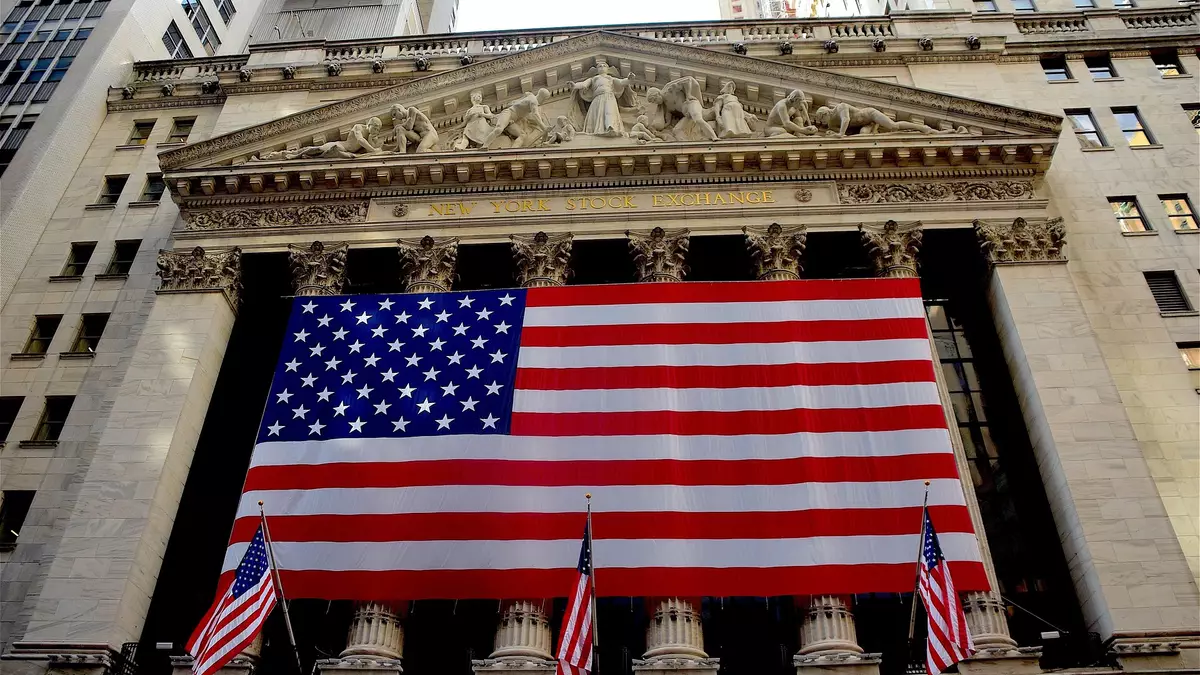
The Goldman Sachs Group, Inc. stock is drawing renewed attention from U.S. retail investors as its valuation, profitability, and capital return profile are weighed against other global investment banks listed on U.S. exchanges. On June 16, 2026, the shares of The Goldman Sachs Group, Inc. traded on the New York Stock Exchange in U.S. dollars, positioning the company as one of the more prominent financial names within large-cap U.S. equity benchmarks. While no single major earnings or rating headline has defined the latest trading day, the stock remains a key vehicle for investors seeking exposure to global capital markets activity, trading, and wealth management.
How Goldman Sachs makes its money and where it stands in the banking landscape
Goldman Sachs generates revenue from several core pillars that together form a diversified but still capital-markets-heavy business mix. The first major pillar is investment banking, which includes advisory work on mergers and acquisitions, equity and debt underwriting, and other strategic corporate finance services. These activities are highly sensitive to deal-making cycles, interest rate environments, and CEO confidence metrics, and they tend to fluctuate with broader market conditions and risk appetite.
The second pillar is trading and markets, where Goldman Sachs is active as a market maker and risk manager across equities, fixed income, currencies, and commodities. This segment benefits from periods of elevated market volatility that drive client hedging and trading demand, but it can also experience pressure when spreads compress or regulatory capital requirements increase. For investors, this means that quarter-to-quarter revenue can move notably with changes in macro conditions, even when the underlying franchise remains robust.
A third component of the business is asset and wealth management, which has gained strategic importance as Goldman Sachs has sought to build a larger base of fee-based and recurring revenue. Management fees from institutional clients, high-net-worth individuals, and other investors are tied to assets under supervision and market levels, but they are generally less volatile than pure trading and underwriting income. This shift toward a more balanced business mix is one of the key elements many market participants consider when they evaluate the sustainability of Goldman Sachs's earnings.
Goldman Sachs's strategic focus in recent years has included a reorientation away from certain consumer banking initiatives and toward core strengths in wealth management and institutional services. That pivot seeks to align the firm's capital and management attention with areas where it has historically enjoyed strong brand recognition and pricing power. For investors, this strategic refocusing may over time influence both the volatility of earnings and the valuation multiples that the market is willing to assign.
Within the broader U.S. market, The Goldman Sachs Group, Inc. is widely recognized as one of the leading global investment banks and securities firms, competing with U.S.-listed peers that also generate significant revenue from advisory, underwriting, markets, and wealth management activities. The company is typically grouped with other large Wall Street banks when analysts discuss sector valuation, regulatory trends, and capital return policies under U.S. banking rules.
Key profitability drivers and what they imply for valuation
When investors look at Goldman Sachs from a valuation standpoint, they frequently emphasize profitability metrics such as return on equity (ROE) and return on tangible common equity (ROTCE) relative to peers. These metrics integrate both revenue performance and capital efficiency, giving a sense of how effectively the firm converts its balance sheet and franchise into earnings. Because investment banking and trading income can be cyclical and episodic, the market tends to watch whether Goldman Sachs can sustain attractive returns over a full economic cycle, not just in isolated strong quarters.
Net interest income and noninterest income are both important to Goldman Sachs's fundamentals. On the one hand, higher interest rates can support net interest income on certain balance sheet items, while on the other hand they may weigh on parts of capital markets activity or financing volumes. Noninterest income, including fees, trading revenue, and investment income, reflects both client activity and the firm's risk-taking within defined limits. The relative balance of these income streams can influence how defensive or cyclical the earnings mix is perceived to be.
Expense management is another central factor for the Goldman Sachs investment case. Compensation costs, technology spending, and regulatory compliance expenses all feed directly into the firm's efficiency ratio. Because investment banking and markets businesses are human-capital-intensive, compensation tends to move with revenue, but there is also a structural component related to maintaining talent and capabilities in core franchises. For valuation, investors often look at whether management can keep the efficiency ratio in a range consistent with targeted returns, particularly in periods when revenue growth slows.
Capital requirements under U.S. bank regulation, including stress testing and standardized risk-weighted asset rules, also play into Goldman Sachs's valuation. Higher capital requirements can constrain leverage and dampen return on equity if earnings do not keep pace, but they also potentially reduce risk from a regulatory perspective. This dynamic influences how the market values price-to-book or price-to-tangible-book multiples, which are commonly used benchmarks for large banks and investment banks.
Balance sheet strength and risk considerations
Goldman Sachs operates with a balance sheet subject to U.S. banking regulation, with capital and liquidity metrics that are published in regular regulatory filings and investor presentations. These metrics typically include common equity tier 1 (CET1) ratios calculated under standardized and advanced approaches, as well as supplementary leverage ratios. For retail investors evaluating the stock, such disclosures are often used as a gauge of the firm's capacity to absorb losses and continue capital returns during stressed scenarios.
Liquidity management is another key facet of risk control at Goldman Sachs. The firm maintains liquidity buffers and funding strategies designed to meet regulatory standards and internal risk thresholds. The structure of short-term and long-term funding, including deposits, unsecured debt, and secured financing, influences both funding costs and resilience during periods of market stress. Investors often monitor the firm's liquidity coverage ratio and the composition of its high-quality liquid assets when they assess the risk profile of the stock.
Market risk arises from the firm's role as a principal in trading activities across asset classes. This exposure is managed through limits, hedging strategies, and value-at-risk models disclosed in regulatory filings and annual reports. While these frameworks are designed to keep risk within acceptable tolerances, the inherently dynamic nature of markets means that trading revenue can be volatile across quarters. For valuation purposes, this volatility can either be viewed as an opportunity, when strong trading markets support above-trend earnings, or as a constraint that may justify a discount if investors expect higher-than-average earnings volatility.
Capital returns and what they signal about management priorities
Share repurchases and common dividends are central to how Goldman Sachs returns capital to shareholders. Under U.S. Federal Reserve stress-test and capital-planning rules, the firm submits annual capital plans that outline its intended capital distributions, subject to regulatory approval. The size and pace of buybacks, as well as the level of the regular dividend, send signals about management's confidence in sustainable earnings and the perceived adequacy of capital buffers.
During periods of strong earnings and favorable regulatory assessments, Goldman Sachs has historically been able to deploy capital through repurchases, thereby reducing share count and potentially supporting earnings per share metrics. At the same time, the firm has maintained a regular dividend that offers a cash yield component to total return. For U.S. retail investors considering the stock, the balance between buybacks and dividends can influence how attractive the total capital return profile appears relative to other financials.
Management commentary in prior investor presentations has emphasized disciplined capital allocation, including weighing organic growth investments, potential acquisitions, and capital returns. The firm's willingness to pivot away from less successful strategic initiatives, such as certain consumer banking ambitions, also demonstrates a focus on capital efficiency and shareholder value, which ties back into valuation discussions across the market.
How Goldman Sachs compares conceptually with other large U.S.-listed banks
When investors compare The Goldman Sachs Group, Inc. to other U.S.-listed banks, they typically focus on business mix, earnings volatility, and balance sheet structure. Some large peers have a heavier tilt toward traditional lending and consumer banking, which tends to provide more stable net interest income but less direct leverage to capital markets activity. By contrast, Goldman Sachs's business model leans more toward advisory, trading, and institutional asset management. This difference can be a key factor in how the market prices the stock, especially around macro turning points.
Another area of differentiation is geographic and client exposure. Goldman Sachs serves a global client base, with revenue generated from both U.S. and international clients, including corporations, financial institutions, governments, and high-net-worth individuals. This international footprint may provide diversification benefits but also exposes the firm to cross-border regulatory and macroeconomic developments.
From a risk perspective, large peers may carry more exposure to traditional credit risk tied to consumer and commercial loans, while Goldman Sachs carries more market and counterparty risk through its trading and capital markets businesses. Each risk profile has its own sensitivities: credit portfolios may be more affected by unemployment and default cycles, while trading operations may be more affected by market volatility and liquidity conditions. These distinct dynamics are often reflected in the relative volatility of bank stocks during different phases of the economic cycle.
Investor focus areas in a valuation-driven environment
In a market environment where valuations across sectors are under close review, investors examining Goldman Sachs commonly focus on a handful of themes. The first is the sustainability of fee-based and recurring revenue from asset and wealth management, which can help smooth earnings across volatile trading cycles. Evidence of steady inflows, growing client relationships, and scalable operating leverage in this segment can be supportive of higher valuation multiples.
The second theme involves the pipeline and backlog for investment banking deals, including mergers, acquisitions, equity offerings, and debt underwriting. These pipelines are often discussed in quarterly earnings calls and investor updates. A robust backlog can signal future revenue potential, even if deal closures depend on market windows and regulatory approvals. Investors often look for commentary on how CEO confidence, financing conditions, and cross-border activity may translate into advisory and underwriting revenue over the coming quarters.
The third area of focus is trading and markets performance, particularly whether revenue in this area is keeping pace with peers and providing adequate returns on allocated capital. Because trading results can be driven by client flows and market structure changes, investors sometimes evaluate multi-year trends rather than single-quarter outcomes. This perspective can influence whether the market sees Goldman Sachs as maintaining or losing share in key product areas.
Finally, valuation-sensitive investors pay attention to the alignment between Goldman Sachs's stated strategic priorities and the capital and cost resources deployed to pursue them. Clear milestones on efficiency initiatives, technology investments, and business simplification can shape expectations for medium-term profitability and thus for valuation multiples assigned by the market.
What a valuation lens means for retail investors following the stock
From a retail investor perspective, viewing The Goldman Sachs Group, Inc. through a valuation and fundamentals lens includes monitoring the balance between cyclical and more stable revenue sources, the firm's ability to maintain competitive returns on equity, and its track record of capital returns through dividends and buybacks. In short, the stock tends to appeal to those following large U.S.-listed financials who are comfortable with the interplay between macro conditions, regulation, and capital markets activity.
Against this backdrop, the Goldman Sachs stock remains one of the most closely watched U.S.-listed financial names, particularly for those tracking the investment banking and markets segment of the financials sector. For investors watching the stock, keeping an eye on upcoming quarterly reports, capital return announcements, and regulatory developments can be an important part of ongoing due diligence.
Goldman Sachs fundamentals at a glance
- Name: The Goldman Sachs Group, Inc.
- Industry: Global investment banking and securities
- Headquarters: New York, New York, United States
- Core markets: Global capital markets, institutional clients, corporate issuers, and wealth management
- Revenue drivers: Investment banking advisory, underwriting, trading and markets, asset and wealth management fees, and financing income
- Listing: New York Stock Exchange, ticker symbol GS
- Trading currency: U.S. dollar (USD)
More on The Goldman Sachs Group, Inc. stock
Follow further coverage, filings, and earnings updates to track how the Goldman Sachs valuation case evolves over time.
More The Goldman Sachs Group, Inc. news Investor RelationsThis article was created with a.i. assistance and editorially reviewed. Not investment advice, not a buy or sell recommendation. Trading in securities carries risks up to the total loss of capital.