
The Chemical Brothers Live In 2026: What You Need To Know
Published on 02/25/2026 at 17:59 | Editorial responsibility: Rafael Müller, Editor-in-Chief AD HOC NEWS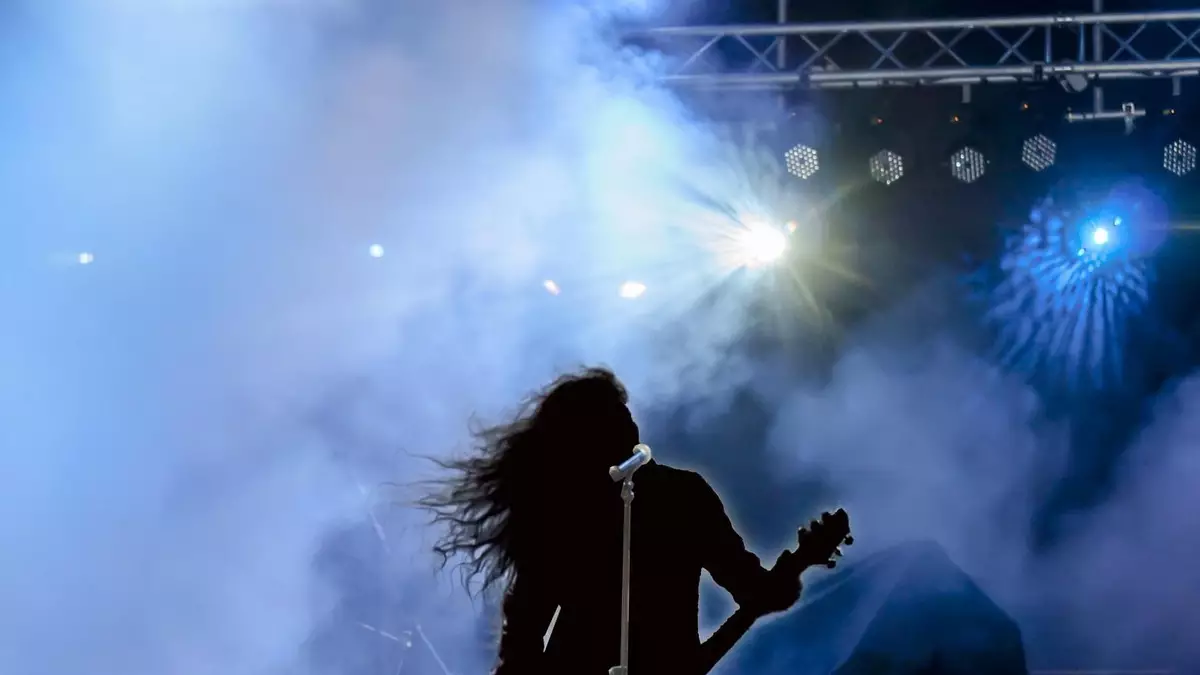
If you've even casually skimmed music Twitter or TikTok lately, you've probably felt it: that sudden spike in posts, clips, and unhinged all-caps comments about The Chemical Brothers. Every time a new festival lineup drops or a mysterious teaser appears, fans are convinced something big is about to happen – more shows, new visuals, maybe even fresh music. The energy around the duo right now feels weirdly similar to those pre-festival frenzies where everyone is refreshing the lineup poster like it's a sneaker drop.
Check the official Chemical Brothers live page for the latest dates
For Gen Z and Millennials, The Chemical Brothers occupy a rare space: they're dance legends your older cousin worshipped, but they still blow up your feed with clips that look like they were made for the LED age. Whether you're planning your first show or your fifteenth, this is where everything going on with The Chemical Brothers in 2026 gets pulled together: what's happening, what the live show actually feels like, what fans are whispering online, and how to not miss the next drop.
The Backstory: Breaking News in Detail
Right now, the core story around The Chemical Brothers is simple but powerful: the live machine hasn't slowed down. Across 2024 and 2025 they quietly kept stacking festival headlines and arena shows, and 2026 is shaping up as the year that cements their status as the must-see electronic act for people who want more than just a DJ behind CDJs.
In recent interviews with UK and US music outlets, the duo have stressed two things: first, they still see the live show as their main laboratory, and second, they only commit to gigs when they have something visually and sonically new to test. That's why their touring has shifted into bursts of hand-picked festivals and one-off arena dates, rather than endless full-country sweeps. For fans, that means two things: you usually have to travel, and when they show up, they arrive with updated visuals, reworked tracks, and segues you didn't hear the last time.
Over the past couple of years, lineups across the US, UK, and Europe have used The Chemical Brothers as the unskippable centerpiece – think big-font billing at electronic-leaning festivals, sunset-to-headline slots at indie-leaning events, and dedicated arena nights in cities like London, Manchester, New York, and Los Angeles. The pattern has become obvious: when they're on the bill, after-movie edits and viral crowd clips tend to revolve around their set, no matter who else plays.
Another layer to the current buzz is speculation about fresh material. The duo have historically dropped new albums in long, unpredictable cycles, and fans track every interview, studio snapshot, and obscure radio appearance for hints. Over the last year, they've talked loosely about experimenting with new textures, revisiting early breakbeat energy, and playing with AI-assisted visuals for their live rig. None of that is a direct "new album is coming on X date" confirmation, but it has been enough to send Reddit threads into detective mode and fuel late-night TikToks from people claiming they heard new IDs in certain sets.
On top of that, anniversaries keep stacking up. Major Chemical Brothers records from the late "90s and 2000s are quietly hitting milestone years, which always gives them a reason to dust off deeper cuts or commission fresh visual treatments for classic tracks. With nostalgia now a major currency on social platforms, clips of older songs – especially the big crossover hits – gain a second life whenever they return to the setlist with updated graphics.
Put all of this together – selective but high-impact shows, new visual tech, anniversary energy, and the constant hum of "is an album coming?" – and it explains why, right now, any whisper of "The Chemical Brothers" attached to a festival or venue drops your comment section into chaos.
The Setlist & Show: What to Expect
If you've never seen The Chemical Brothers live, it's important to know this going in: it's not just "two guys pressing play" and a few lasers. Their shows are structured like a movie: long arcs, recurring visual characters, slow-burn builds, and sudden drops that make sense only because of everything that came before.
Recent setlists from UK and European shows have followed a loose blueprint. They tend to launch with an extended intro – often a reworked version of something like "Go" or an older instrumental motif – that slowly snaps into a recognizable banger. From there, the night jumps between eras. Fan-spotter lists from recent gigs usually feature combinations of:
- "Hey Boy Hey Girl" – the skull visuals and strobes remain, often flipped with new color schemes.
- "Block Rockin' Beats" – usually positioned as a late-set riot moment.
- "Galvanize" – one of the big sing-along points; that main hook still turns crowds feral.
- "Star Guitar" – often stretched and layered with trippy visuals, giving the crowd a moment to float.
- "Do It Again" and "Swoon" – used as emotional peaks, often merged or extended.
- "Wide Open" – a later-era favorite that doubles as a comedown and a giant hug.
On top of that, they slot in recent material and reimagined deep cuts that hardcore fans obsess over. You'll often hear beats and riffs that feel familiar, only to realize halfway through that you're listening to a completely rebuilt version of an album track you haven't revisited in years. They're especially good at creating Franken-mixes: stitching the drums of one track under the melody of another, or dropping a vocal hook over an entirely different groove.
The visuals are a huge part of why their shows keep going viral. Expect towering LED rigs, custom animations synced tightly to the music, and recurring characters – giant robot-like figures, surreal faces, hypnotic patterns – that feel like they've stepped straight out of some alternate "90s rave cartoon universe tuned up for 4K screens. In fan-shot videos, the visuals often look pretty; in person, they feel massive and immersive, almost physically pushing the crowd forward with each build.
The vibe in the crowd is a mix of generations: older fans who caught them in the "90s next to teens and twenty-somethings who discovered them through playlists, films, or algorithmic rabbit holes. That blend creates a surprisingly warm energy – less "club cool" and more "collective freak-out." When an anthem like "Hey Boy Hey Girl" or "Galvanize" hits, you can physically feel the nostalgia collide with fresh excitement.
Another key thing: their sound design carries in big spaces. If you're used to watching DJs on muddy festival sound systems, The Chemical Brothers' shows stand out. Recent reviews repeatedly mention how clean and punishing the low end feels, and how easy it is to pick out little percussive details even in outdoor settings. They've had decades to dial this in, and it shows.
Support acts vary depending on region and festival, often leaning toward left-field electronic or live-leaning dance acts – think alternative electronic producers, psychedelic audiovisual artists, or techno-adjacent DJs. The pairing is usually deliberate: the openers set a tone rather than trying to out-bang the headliners. For standalone arena shows, you're likely to get one or two carefully chosen supports rather than a huge undercard, which keeps focus on the main production.
Bottom line: expect a set that lasts around 90 minutes to two hours, hits multiple eras of their catalog, melts into itself without awkward breaks, and leaves you walking out in that dazed post-show state where you're suddenly promising yourself you'll catch them again at the next possible chance.
What the web is saying:
Rumor Mill: What Fans Are Speculating
The deeper you go into Reddit threads and TikTok rabbit holes, the clearer it gets: Chemical Brothers fans are part rave historian, part conspiracy theorist. With official news often kept minimal and tightly controlled, the community fills in the gaps with theories that range from genuinely plausible to delightfully chaotic.
1. "There's a new album hidden in the live show"
One of the biggest threads you'll see is the idea that new material is already baked into recent sets. Fans compare crowd recordings from different festivals, matching up unfamiliar IDs that appear in similar spots. They share time-stamped YouTube clips and annotate them like it's a crime scene: "Listen at 3:42, that synth line isn't from any released track." Because The Chemical Brothers have a history of testing songs live before dropping studio versions, this theory has weight – but until something officially lands on streaming, it stays in fuzzy-bootleg territory.
2. "Will there be a proper 2026 tour or just more one-offs?"
Another huge topic: how far they'll go with live dates this year. US fans, especially, are constantly worried they'll only get a couple of coastal shows while Europe ends up stacked with festival appearances. Every new lineup poster sparks pages of comments like, "If they're doing this festival in Europe, they have to hit at least New York or Chicago, right?" There's a running fan theory that they prefer anchoring tours around big European festival seasons, tacking on a limited number of US arenas rather than doing full city-by-city sweeps.
3. Ticket price and FOMO panic
TikTok is full of quick rants and breakdowns about ticket prices. Because the shows are now rarer and more production-heavy, tickets can run higher than your average club night. That sparks a familiar debate: longtime fans argue the huge visual rig and sound justify the premium; newer fans worry about paying top-tier prices for an act they've mostly experienced via playlists. Still, when resale listings pop up, you see how much demand there is – the FOMO factor is real, and people will travel cross-country or cross-continent for what they see as a bucket-list show.
4. Special anniversary sets
With so many iconic albums hitting big anniversaries, fans are desperate for themed shows – full-album run-throughs, deep-cut nights, or at least a heavier tilt toward certain eras. Reddit posts often imagine what a "classic-era-only" set would look like, while others argue the magic of a Chemical Brothers show is precisely that it refuses to be a museum piece. Still, if any city gets a one-off "anniversary special", expect an instant travel rush.
5. Collabs and surprise guests
Because their catalog is stacked with vocal features, there's a constant low-level rumor mill about surprise appearances. Fans in cities with strong music scenes – LA, London, New York – hype themselves up for the idea of a guest vocalist walking on for a key track. Most nights, the vocals are handled through visuals and playback, but that doesn't stop the day-of-show DMs and TikToks from filling up with, "What if they bring out X tonight?" speculation.
All of this creates a very particular psychological state for anyone holding a ticket: you don't just expect a good gig, you walk in convinced you might be part of a set that fans will be dissecting online for months. That feeling – that your night might be the one with a new song premiere, or a rare deep cut, or a one-time-only visual – keeps the hype cycle spinning, even between official announcements.
Key Dates & Facts at a Glance
Because official dates and announcements can shift, always cross-check with the band's live page before you book anything. But here's the kind of snapshot fans keep in their notes app when planning a Chemical Brothers year.
| Type | City / Region | Venue / Context | Typical Timing* | Notes |
|---|---|---|---|---|
| Festival Slot | UK / Europe | Major multi-stage festivals | Summer season | Often high-billing or headliners; big outdoor production. |
| Arena Show | London, Manchester | Indoor arenas | Autumn / Winter | Full audiovisual rig; core shows for UK fans. |
| Arena Show | New York, Los Angeles | US arenas / large theatres | Clustered around festival appearances | Often limited in number; high demand and fast sell-outs. |
| European Date | Continental Europe | Arenas / large outdoor sites | Spring–Autumn | Mix of festivals and stand-alone shows. |
| Album Anniversary | Global (online + selected shows) | Catalog milestones | Ongoing | Fuel for setlist tweaks and fan nostalgia. |
| Ticket Price Range | Varies by region | Standard standing / seating | - | Typically higher than small-club DJs, but below VIP mega-pop tours. |
*Always check the official site for real dates and cities – this table is a general pattern, not a live schedule.
FAQ: Everything You Need to Know About The Chemical Brothers
Who are The Chemical Brothers, exactly?
The Chemical Brothers are Tom Rowlands and Ed Simons, a UK electronic duo who helped drag big beat and rave culture into the mainstream from the mid-"90s onwards. They aren't DJs in the traditional sense; they're producers and live electronic performers whose records blurred the lines between club music, rock energy, and psychedelic sound design. If you know songs like "Hey Boy Hey Girl," "Block Rockin' Beats," or "Galvanize," you already know why they were unavoidable for an entire generation of music TV, movie trailers, and festival main stages.
What makes a Chemical Brothers show different from a normal DJ set?
Two big things: structure and visuals. Instead of running through a list of bangers, The Chemical Brothers build long-form sets that feel more like live concerts than club nights. Tracks morph into each other, elements get rearranged, and familiar songs appear in unexpected forms. Over the top of that, there's a fully integrated visual show: custom animations, lighting, and stage props that have been designed alongside the music. The result is closer to a live band with a multimedia art piece than to a nightclub appearance, which is why even non-dance fans often walk away converted.
Where can you find confirmed dates and tickets?
The only place you should fully trust for up-to-date, legit information is the band's own live portal and linked ticket sellers. There are endless fan accounts, rumor posts, and sketchy resale listings floating around, but if you're serious about going, start here and work outward from there. Checking early helps you dodge last-minute panic buying and overpriced resale sites.
When do tickets usually drop, and how fast do they sell out?
Timing depends on region and whether the show is part of a festival or a stand-alone arena run. Festival slots are announced with the lineup, then you fight the usual day-one ticket scramble. Dedicated arena dates tend to be announced a bit ahead of time, with pre-sales for subscribers or cardholders before the general on-sale. Good rule of thumb: if you're in a major city and it's a one- or two-night stand, assume the best sections will move quickly. Fans who've watched this pattern for years often set reminders for on-sale times, join pre-sale lists, and coordinate with friends in different time zones.
Why do fans talk about their shows like they're a once-in-a-lifetime thing?
It comes down to scarcity, scale, and emotion. Scarcity, because they don't tour in endless loops; every cluster of shows feels special and deliberate. Scale, because the production – from the bass to the visuals – is designed to fully take over the space, which hits very differently from a DJ booth in the corner of a festival stage. And emotion, because they balance euphoria, weirdness, nostalgia, and tenderness in a way few acts manage. People who grew up with them hear the soundtrack to whole eras of their lives; newer fans walk into a world that feels much bigger than a playlist.
What should you expect in terms of sound, crowd, and logistics?
Sound-wise, expect big, chest-vibrating low end, bright percussion, and vocals that cut through clearly even in open-air spaces. The crowd skews wide in age: you'll see older ravers, millennials who wore out their MP3 players, and Gen Z kids filming everything for TikTok. The vibe is usually friendly and intense rather than cliquey. Logistically, give yourself time: the entry queues for production-heavy shows can be long, and you don't want to miss the opening build. Ear protection is smart – they don't hold back on volume – and comfortable shoes are non-negotiable, because you'll be standing and moving for most of the set.
How can you prep if you're new to their music?
If you're walking in as a relative newbie, a quick pre-show crash course helps. Hit a mix of classic tracks ("Hey Boy Hey Girl," "Block Rockin' Beats," "Galvanize," "Star Guitar") and later favorites ("Swoon," "Do It Again," "Wide Open"). You don't need to memorize every album cut, but recognizing the big motifs makes the live experience hit harder. Also, watch a few recent live clips on YouTube just to calibrate your expectations: the scale, the lights, the crowd reactions. That way, when you finally step into the real thing, you're ready for the full overload instead of spending half the night just adjusting to the intensity.
Why are The Chemical Brothers still important to Gen Z and Millennials in 2026?
Because they bridge eras. They come from a time when electronic music was still fighting to be taken seriously next to bands, but they exist now in a world where playlists and festivals have erased those lines. For millennials, they're a direct link to teenage years and early 2000s culture; for Gen Z, they're an example of how electronic music can be cinematic, emotional, and huge without losing its weirdness. In a cycle where trends move at TikTok speed, The Chemical Brothers offer something rarer: a show that feels built to last, even as it keeps mutating.
So if your feed has been quietly (or not so quietly) screaming at you to see them live, it's not just hype. It's thousands of people who walked into the same warehouse, field, or arena and walked out trying to explain the unexplainable to anyone who would listen. If 2026 is the year you finally give in, start with the official live page, lock in a date, and brace yourself: you're signing up for one of the most intense, joyful sensory overloads still touring the planet.


