Tesla's Two Bets: A $4.2B SpaceX Windfall and a $25B Robotaxi Wager
16.06.2026 - 16:05:30 | boerse-global.de
Tesla shares are stuck in a narrow band, but the forces pulling on them have rarely been more dramatic. In the span of a few weeks, the company has become a major shareholder in SpaceX following its June 12 IPO, and simultaneously committed to an unprecedented capital spending plan of roughly $25 billion for 2026 to scale its artificial intelligence, robotaxi, and humanoid robot ambitions. The stock’s inertia masks a valuation debate that now hinges on two very different industrial transformations.
The SpaceX stake alone is a game-changer for Tesla’s balance sheet. The automaker holds 19 million shares in the space company, valued at around $4.2 billion at the IPO open. The position originated from an earlier investment in xAI that was converted into SpaceX stock after regulatory approval. Tesla will now mark this holding to fair value every quarter, meaning every swing in SpaceX’s share price will flow directly through Tesla’s profit and loss account. That introduces new earnings volatility to a financial statement already known for its unpredictability.
At the same time, Tesla’s core automotive business is financing a far more expensive bet. On its first-quarter earnings call in April, CFO Vaibhav Taneja raised the 2026 capital expenditure target to roughly $25 billion, up from a "more than $20 billion" guidance issued just three months earlier. That is nearly three times the $8.9 billion Tesla spent in 2023, and it comes with an explicit warning: free cash flow will turn negative for the rest of the year as the company pours money into AI infrastructure to scale the robotaxi network and the Optimus humanoid robot.
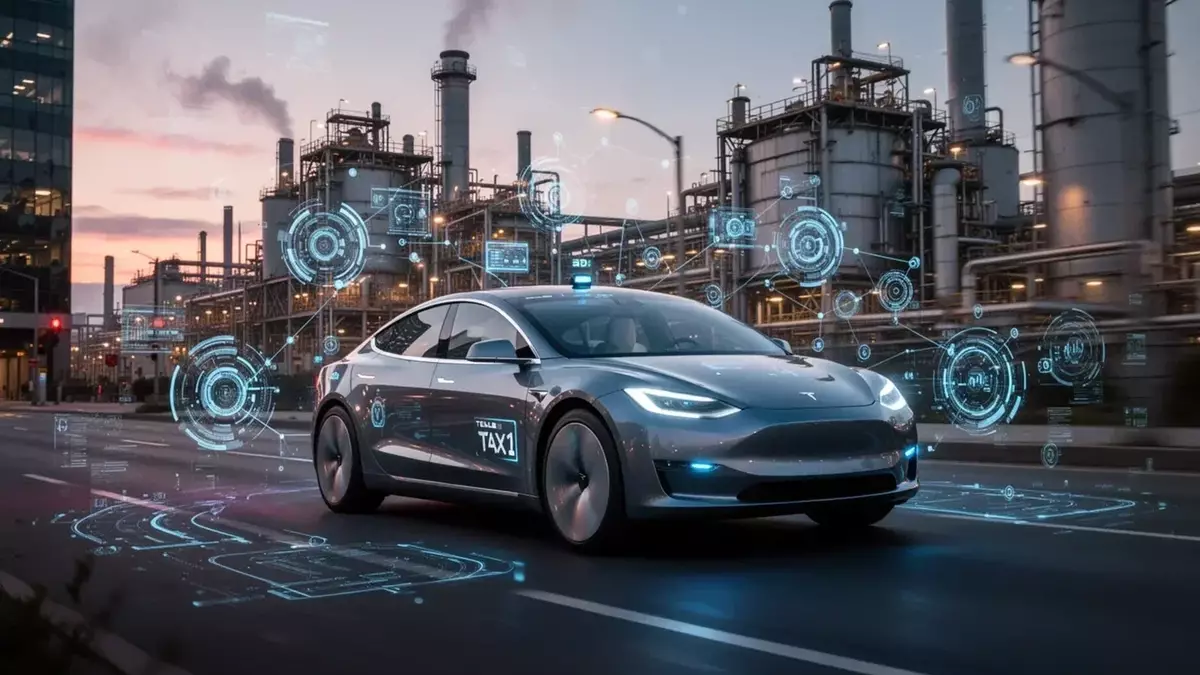
The robotaxi service is already live in Austin, Dallas, and Houston, but material revenue is not expected before 2027 at the earliest. In the interim, deliveries and energy storage must carry the load. First-quarter production hit 408,000 vehicles, but only 358,000 were delivered, pushing global inventory from 15 days to 27. Analysts are split on whether a projected Q2 delivery rebound to around 426,000 units signals real demand recovery or merely restocking. Meanwhile, energy storage deployments slumped 38% sequentially to 8.8 GWh in Q1, though management insists full-year 2026 volumes will exceed 2025 levels as Megapack 3 production lines ramp.
Should investors sell immediately? Or is it worth buying Tesla?
Beyond the factory floor, retail investors are placing a separate wager. A recent social-media poll found that 61% of respondents expect a merger between Tesla and SpaceX within five years. Investor Ross Gerber has gone further, arguing that Tesla is worthless over the long term without such a combination. The companies already share a commercial link — Tesla booked over $140 million in revenue from SpaceX last year, primarily from vehicle sales. But a full merger would be a structurally transformative event, folding one of the most valuable private-space ventures into an already stretched public-equity story.
Regulatory progress is also in play. Tesla filed paperwork in Taiwan on Tuesday to gain approval for its "Full Self-Driving" software, kicking off a formal review by the Ministry of Transportation. The move comes as the company pushes FSD adoption in new markets, even as its domestic deployment remains under scrutiny.
The stock’s technical posture reflects the uncertainty. With a relative strength index of exactly 50.5, Tesla sits perfectly neutrally. It trades 3.3% above its 50-day moving average but roughly 1% below its 200-day moving average of €358. The consensus analyst price target is €362 — just 2.2% above recent prices. Yet annualized volatility hovers near 46%, a reminder that the shares can lurch violently on any catalyst. The 52-week low of €251 also serves as a warning of how quickly sentiment can sour if timelines slip.
Tesla at a turning point? This analysis reveals what investors need to know now.
Against this backdrop, Tesla’s trailing twelve-month gain of 23% and its calendar-year decline of roughly 5% tell the same story from different angles. The market is pricing a company that is spending aggressively on futures that do not yet exist, while holding a multibillion-dollar equity stake in a newly public partner whose own valuation could swing Tesla’s earnings unpredictably. The next quarterly report will offer the first hard numbers on how the SpaceX holding affects net income — and whether the $25 billion capex plan is delivering on its promises.
Ad
Tesla Stock: New Analysis - 16 June
Fresh Tesla information released. What's the impact for investors? Our latest independent report examines recent figures and market trends.