System of a Down: Why These Armenian-American Metal Legends Still Captivate North American Fans Two Decades Later
09.04.2026 - 07:24:32 | ad-hoc-news.de
System of a Down remains one of the most explosive forces in metal history. Formed in the mid-1990s by four Armenian-American musicians in Los Angeles, the band blended aggressive riffs, unpredictable rhythms, and Serj Tankian's soaring, theatrical vocals into a sound that defied easy labels.
Why do they matter to young readers in North America right now? Their music tackles big issues like war, genocide, corruption, and human rights—topics that resonate in today's divided world. Songs like 'Chop Suey!' and 'B.Y.O.B.' aren't just headbangers; they're calls to think critically about power and injustice. With streaming platforms making their catalog endlessly accessible, a new generation is finding SOAD through TikTok edits, festival clips, and playlist recommendations.
The band's chemistry came from shared roots. Serj Tankian (vocals), Daron Malakian (guitar), Shavo Odadjian (bass), and John Dolmayan (drums) all descended from Armenian survivors of the early 20th-century genocide. This heritage fueled their lyrics, giving tracks an urgent, personal edge. In North America, where immigrant stories shape so much culture, SOAD's background makes them relatable icons for diverse audiences.
They signed with Columbia Records in 1997 after building a buzz in LA's underground scene. Their self-titled debut dropped in 1998, showcasing chaotic energy on songs like 'Suite-Pee' and 'War?'. It didn't top charts immediately, but it built a devoted fanbase hungry for more.
Everything changed with 2001's *Toxicity*. Released just before 9/11, the album captured a premonition of chaos. The title track rages against environmental destruction, while 'Prison Song' exposes America's incarceration crisis. 'Chop Suey!', with its infamous chorus shift from scream to croon, hit No. 76 on the Billboard Hot 100 and became a radio staple. *Toxicity* debuted at No. 1 on the Billboard 200, selling over 2.7 million copies in the US alone. For North American teens navigating post-9/11 anxiety, it was anthemic.
*Toxicity* defined nu-metal's peak but stood apart with its political bite. SOAD avoided rap-rock clichés, opting for Armenian folk influences, Middle Eastern scales, and rapid tempo shifts. Daron's guitar work—think jagged, melodic hooks—paired perfectly with Serj's yowls and cleans. Shavo's bass locked in with John's hyperactive drumming, creating a whirlwind live show that felt like controlled mayhem.
In North America, SOAD headlined Ozzfest and toured with Slipknot and Rammstein, cementing their spot in the heavy music pantheon. Fans packed venues from coast to coast, drawn to the spectacle of Serj crowd-surfing while belting anti-war manifestos.
2002 brought *Steal This Album!*, a collection of leaked tracks polished into a middle finger to music industry thieves. Standouts like 'Innervision' and 'Fuck the System' kept the momentum. Then came 2005's double punch: *Mezmerize* and *Hypnotize*, both No. 1 debuts. 'B.Y.O.B.' scorched Bush-era war policies, earning a Grammy nod. 'Question!' and 'Lonely Day' showed melodic depth, broadening their appeal.
These albums captured SOAD at their commercial zenith. *Mezmerize* won a Grammy for Best Hard Rock Performance, and videos like 'Hypnotize' dominated MTV. North American sales topped 12 million albums by mid-decade, per RIAA certifications. They were inescapable at Warped Tour, Rock on the Range, and arena shows.
Post-2005, the band paused full-length releases amid creative tensions. Serj pursued solo work like *Elect the Dead* (2007), blending orchestral rock with activism. Daron formed Scars on Broadway, dropping self-titled intensity in 2008. Shavo and John stayed active in side projects, but SOAD reunited for sporadic tours, including Wake Up! Army benefits raising Armenian Genocide awareness.
What keeps SOAD relevant for North America's youth? Their sound influenced modern acts like Bring Me the Horizon, Sleep Token, and Spiritbox—bands blending metalcore with melody that dominate Spotify's heavy playlists. TikTok challenges revive 'Aerials' and 'Cigaro', introducing the music to Gen Z and Alpha.
Politically, SOAD's Armenian advocacy hits home amid US recognition of the Genocide in 2021. Serj's activism, from Axis of Justice nonprofit to protests, inspires fans to engage. In a time of social media activism, their unfiltered rage feels timeless.
Live, SOAD delivers chaos. Reunion shows at Sick New World and Download Festival prove they still shred. North American fans catch them at festivals like Sonic Temple, where setlists mix classics with rarities. Energy undimmed after 25 years, they mosh with 15-year-olds.
Key albums for newcomers:
- Toxicity: Essential. Every track slaps, from 'Needles' math-metal to 'ATWA's groove.
- Mezmerize/Hypnotize: Twin peaks of songcraft and fury.
- Self-Titled: Raw origins, perfect for deep dives.
Songs to start with: 'Chop Suey!' for hooks, 'B.Y.O.B.' for politics, 'Aerials' for epic vibes, 'Spiders' for atmosphere.
SOAD's style evolved metal. Pre-them, heavy music was macho posturing. They injected intellect, vulnerability, and global perspective. Serj's voice—shifting from guttural to operatic—set a template for vocalists like Corey Taylor and Phil Labonte.
Daron's riffing, often in odd time signatures like 7/8, challenged listeners. Tracks like 'Science' or 'Psycho Groupie' showcase prog-metal complexity without pretension. Bassist Shavo's melodic lines and John's polyrhythmic blasts added layers, making replays rewarding.
In North America, SOAD bridged underground and mainstream. They topped Loudwire's fan polls and Kerrang! lists, while gracing *Guitar Hero* and *Rock Band*. This gamification hooked millennials, passing the torch digitally.
Fan culture thrives on Reddit's r/systemofadown and Discord servers dissecting lyrics. Memes of Serj's faces and Daron's solos go viral, keeping the vibe alive.
Challenges shaped their legacy. Label battles, 9/11 backlash (briefly dropped from a show), and internal friction tested them. Yet hiatuses birthed solo gems: Serj's *Imperfect Harmonies*, Daron's *Dictator*. Reunions like 2011's Wakemageddon showed unity for causes.
For young North Americans, SOAD offers escapism and empowerment. In school hallways or car rides, blasting 'Lost in Hollywood' vents frustration. Their music scores protest marches and gaming sessions alike.
Discography deep dive: Beyond majors, rarities like *The Lost Chapters* bootlegs and live DVDs like *Toxicity Direct* reward collectors. Streaming bundles all, with Apple Music and Spotify algorithms suggesting them next to Linkin Park or Rage Against the Machine.
Influence ripples: Code Orange cites SOAD's dynamics; Knocked Loose echoes their breakdowns. Female-fronted acts like Arch Enemy's Alissa White-Gluz praise Serj's range.
Why North America specifically? SOAD's LA origins and massive US sales (over 12 million albums) root them here. They topped Canadian charts, played Edmonton to Toronto. Armenian diaspora communities in California, New York, and Michigan amplify fandom. Festivals like Welcome to Rockville draw thousands chanting 'Toxicity'.
Educationally, SOAD sparks discussions. Teachers use 'Prison Song' for criminal justice units; 'Vicinity of Obscenity' for linguistics fun (try saying it fast). Their punk ethos encourages questioning authority, vital for civic-minded youth.
Looking ahead, fans hope for new music. Members have hinted at possibilities amid tours, but classics suffice. SOAD proves great art endures.
Start your journey: Queue *Toxicity* on Spotify, watch the 'Chop Suey!' video on YouTube, join online communities. Feel the rage, sing the hooks—this is System of a Down.
The band's impact extends to fashion: Baggy cargos, graphic tees, and spiked bracelets trace to their Ozzfest era. Modern festival-goers channel it with SOAD patches on backpacks.
Lyric breakdowns reveal genius. 'Bounce' hides phallic humor in absurdity; 'Shimmy' mocks consumerism. Serj's poetry mixes surrealism with sincerity, rewarding analysis.
Production wizardry: Rick Rubin helmed *Toxicity*, capturing raw takes. Layers of overdubs create density, yet mixes breathe. Study for home recording.
SOAD in media: Soundtracked *Scream 2*, appeared in *South Park*. Covers by Metallica ('Toxicity') and Tenacious D affirm respect.
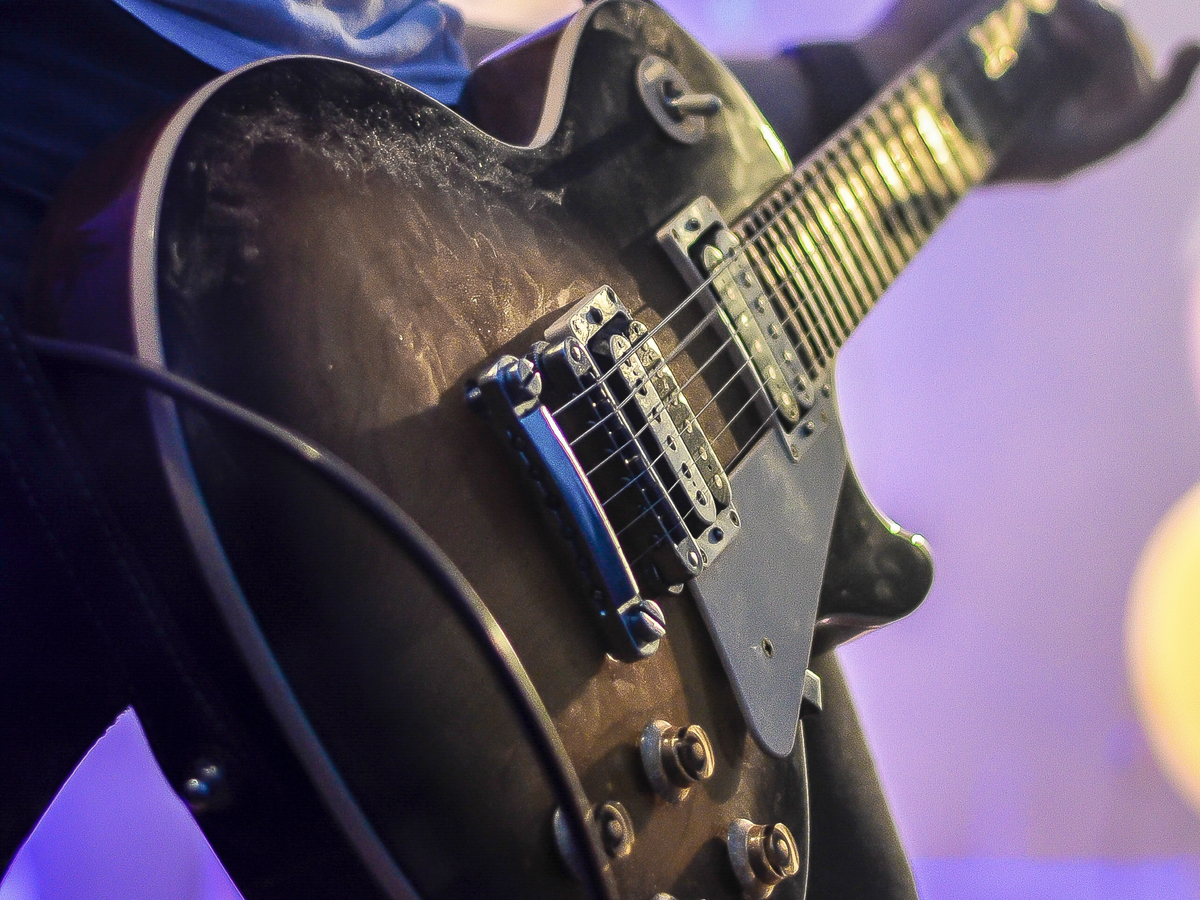
For instruments: Daron's Gibson SG tone via Marshall amps; Serj's mic technique blends scream and clean seamlessly.
Community events: Genocide awareness concerts in Glendale, CA, draw families. North American shows foster belonging.
Merch evolution: Vintage tees fetch hundreds; modern drops sell out fast.
SOAD's story: Immigrant kids turn pain into platinum. They matter because music can change minds.
So schätzen die Börsenprofis Aktien ein!

Für. Immer. Kostenlos.