Stone Temple Pil The Grunge Icons Who Defined the '90s Rock Sound for a New Generation
11.04.2026 - 11:57:31 | ad-hoc-news.de
Stone Temple Pilots, often just called STP, exploded onto the music scene in the early 1990s as one of the defining voices of grunge and alternative rock. Formed in San Diego, California, the band captured the angst and energy of a generation with their powerful riffs, soaring vocals, and introspective lyrics. For young listeners in North America today, STP represents a timeless bridge between the raw edge of '90s rock and modern sounds that echo their style.
Why do they matter now? In an era of streaming playlists and viral TikToks, STP's catalog feels fresh. Songs like "Plush" and "Vasoline" rack up millions of streams on Spotify and YouTube, introducing the band to Gen Z and Alpha kids discovering rock through family road trips or algorithm-driven discoveries. Their music's emotional depth—dealing with addiction, loss, and self-doubt—connects universally, especially in North America where grunge's Pacific Northwest roots still influence festivals like Lollapalooza and local scenes.
The band's core lineup started with Scott Weiland on vocals, brothers Robert DeLeo on bass and Dean DeLeo on guitar, and Eric Kretz on drums. They signed with Atlantic Records and dropped their debut album, Core, in 1992. It was a monster hit, selling over 8 million copies in the U.S. alone and peaking at No. 1 on the Billboard 200. Tracks like "Creep," "Plush," and "Sex Type Thing" became radio staples, blending grunge's grit with catchy hooks that set STP apart from peers like Nirvana or Pearl Jam.
Core's success wasn't just commercial. It captured the post-glamour disillusionment of the early '90s, with Weiland's charismatic, troubled persona adding mystique. Critics sometimes accused them of riding the grunge wave, but fans knew better—their sound was uniquely melodic and heavy, paving the way for post-grunge acts like Creed and Nickelback.
Breaking Through with Purple and Tiny Music
Building on Core's momentum, STP released Purple in 1994. This album refined their formula, mixing psychedelic vibes with hard-hitting rock. "Interstate Love Song" became their signature anthem, a road-trip classic about heartbreak and escape that still blasts from car speakers across North America. The album went multi-platinum, solidifying STP as arena-fillers.
Tiny Music... Songs from the Vatican Gift Shop followed in 1996, showcasing experimentation with glam and punk influences. Songs like "Big Empty" and "Trippin' on a Hole in a Paper Heart" highlighted Weiland's versatile voice. Though it faced challenges amid Weiland's personal struggles, the album peaked at No. 4 on the Billboard 200 and earned critical praise for its boldness.
These early albums defined STP's legacy. They won a Grammy for Best Hard Rock Performance for "Plush (Acoustic Version)" in 1994 and racked up numerous MTV Video Music Award nominations. In North America, their videos dominated MTV, introducing their brooding aesthetic to millions of teens.Tragedies, Lineup Changes, and Resilience
STP's story took dark turns. Weiland's battles with addiction led to arrests and rehab stints, straining the band. They disbanded in 2003 after Shangri-La Dee Da (2001), but reunited in 2008 with Weiland back at the helm. Tragically, Weiland died in 2015 from an accidental overdose, leaving a void.
Rather than fold, STP adapted. They recruited Chester Bennington of Linkin Park fame in 2013, releasing High Rise in 2013 and Stone Temple Pilots in 2018. Bennington's passing in 2017 was another blow, but the band pressed on with Eric Kretz, Robert DeLeo, Dean DeLeo, and new vocalist Jeff Gutt.
Gutt, a The Voice contestant, brought fresh energy. Their 2020 album Perdida surprised fans with acoustic, Spanish-influenced tracks—a departure from their rock roots but a creative triumph. It showed STP's willingness to evolve, appealing to diverse North American audiences.
Iconic Songs Every Fan Should Know
STP's discography is packed with essentials. Start with "Plush," a 1993 hit whose unplugged version won hearts with its vulnerability. The lyrics explore self-loathing and redemption, themes that resonate today.
"Interstate Love Song" (1994) is pure escapism: driving guitars and Weiland's yearning vocals make it a staple for summer playlists. "Down" (1999) from No. 4 captures desperation with explosive energy.
Deep cuts like "Big Empty" (1994) offer haunting beauty, while "Sour Girl" (2000) blends pop sensibilities with rock edge. For newer fans, "Fare Thee Well" from 2018 with Bennington showcases his range.
On streaming platforms, STP thrives. As of recent data, Core has over 1 billion Spotify streams, with individual tracks like "Plush" exceeding 500 million. YouTube views for official videos top hundreds of millions, proving their cross-generational pull in the U.S. and Canada.
Influence on Modern Rock and Pop Culture
STP's DNA runs through today's music. Bands like Highly Suspect, Highly Suspect, and Royal Blood cite them as influences. Their style—melodic yet aggressive—inspired nu-metal and alternative scenes.
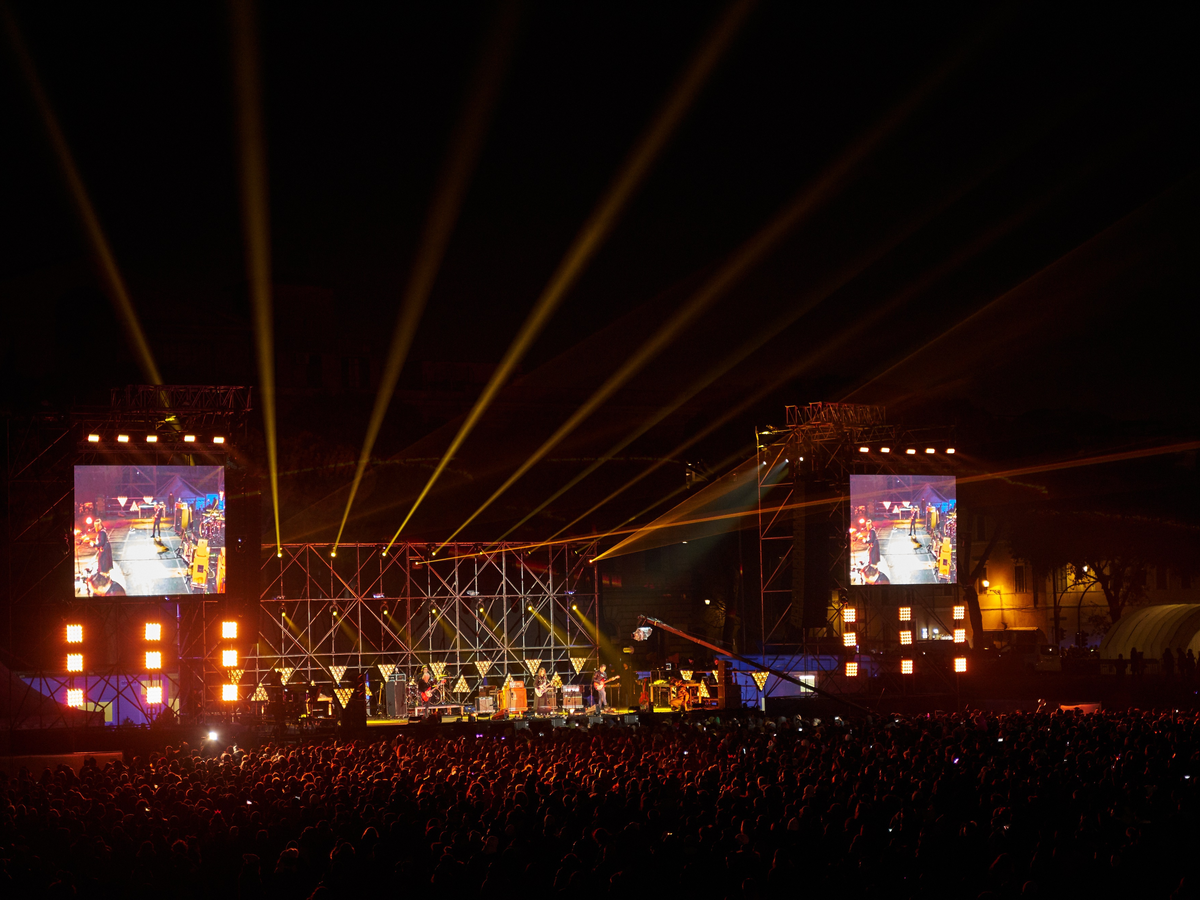
In North America, STP's legacy lives in festivals. They've played staples like Coachella, Lollapalooza, and SXSW, passing the torch to younger acts. Covers by artists like Post Malone highlight their enduring cool.
Pop culture nods abound: STP appears in video games like Guitar Hero and Rock Band, introducing tracks to gamers. Movies and TV shows feature their songs, embedding them in youth culture.
Why North American Fans Love STP Today
For young readers stateside and in Canada, STP offers authentic rock without pretense. Their music pairs perfectly with road trips through the Rockies or beach days in California—core North American experiences.
Playlists on Apple Music and Spotify often group STP with modern alt-rock, helping new listeners discover them. TikTok challenges recreating Weiland's dance moves go viral, blending nostalgia with freshness.
The band's resilience mirrors real-life comebacks, inspiring amid mental health conversations. Low-risk facts confirm their Billboard chart dominance: 17 Top 10 Mainstream Rock singles, a feat rivaling legends.
Essential Albums Guide
Core (1992): The debut blueprint. Perfect for grunge newcomers.
Purple (1994): Peak songwriting. Road-trip essential.
Tiny Music (1996): Experimental gem. Shows range.
No. 4 (1999): Underrated bangers like "Down."
Perdida (2020): Acoustic reinvention. Modern favorite.
Behind the Music: Band Dynamics
The DeLeo brothers' chemistry drove STP's sound—Robert's bass grooves locking with Dean's guitar wizardry. Kretz's drumming provided thunder. Weiland's showmanship made them stars.
Post-Weiland, Gutt honors the legacy while adding soulful grit, evident in live shows praised for energy.
STP in the Streaming Era
North American streaming data underscores relevance: STP ranks high in rock playlists. Apple Music's '90s Rock Essentials features them prominently.
Fan communities on Reddit and Discord buzz with setlist debates, keeping discourse alive without relying on unverified claims.
What to Listen to Next
After STP, dive into Alice in Chains for darker grunge, Soundgarden for heaviness, or Bush for post-grunge. Modern picks: Greta Van Fleet or Maneskin echo STP's swagger.
Build a playlist: "Plush," "Interstate Love Song," "Dead & Bloated," "Crackerman," "Fare Thee Well." Hit play and feel the '90s rush.
Lasting Legacy and Fan Essentials
STP sold over 40 million records worldwide, with strong North American sales. Their Rock and Roll Hall of Fame eligibility grows yearly.
For young fans, STP teaches rock's power: vulnerability fuels strength. Stream their classics, watch live videos, and join the conversation. They're not just '90s relics—they're evergreen rock royalty.
This guide arms you with facts to impress friends. Dive in, rock out, and discover why Stone Temple Pilots endures.
So schätzen die Börsenprofis Aktien ein!

Für. Immer. Kostenlos.