Stadler Rail stock trades steady as backlog and margins support the rail manufacturer
Published on 07/25/2026 at 08:58 | Editorial responsibility: Rafael Müller, Editor-in-Chief AD HOC NEWS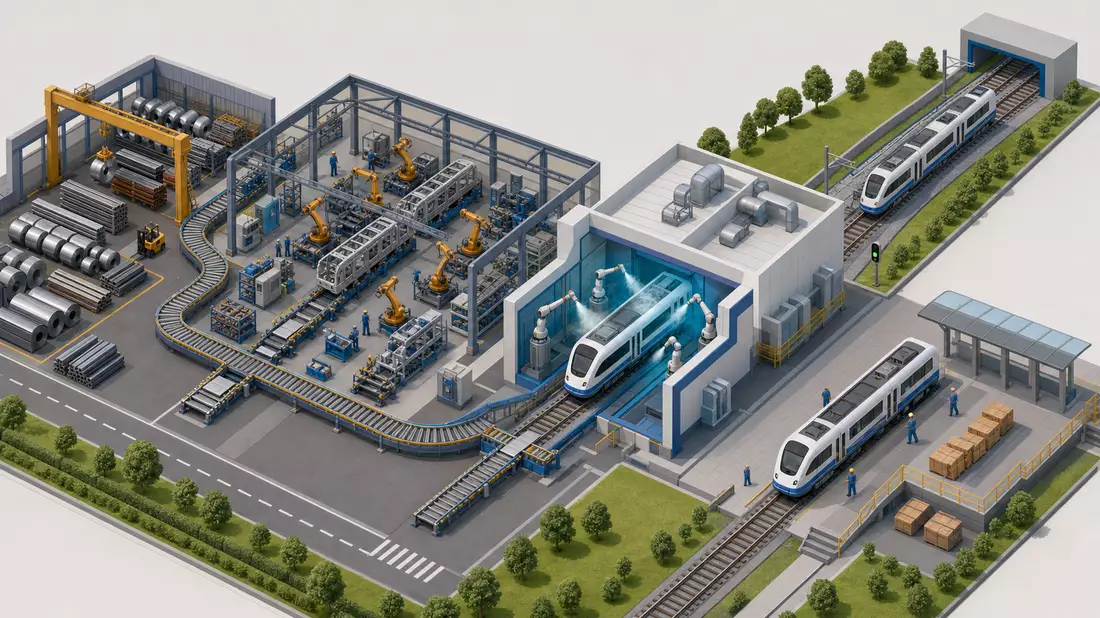
Stadler Rail stock represents exposure to a European rolling stock manufacturer with a substantial multi-year order backlog and a business model that is closely tied to long term rail infrastructure investment. The company, Stadler Rail AG (ISIN CH0002178181), designs and builds trains, trams and rail vehicles for public transport authorities and rail operators across Europe and other regions. Its shares are listed in Switzerland, and the stock is often considered by investors who focus on industrial and infrastructure themes within the broader European market. The companys financial performance, order intake, margins and cash generation drive sentiment toward Stadler Rail stock, while the pace of deliveries and execution on large contracts shape medium term expectations.
In a recent annual reporting period, Stadler Rail AG presented figures that highlight both the scale of its operations and key profitability trends. Revenue for a fiscal year was reported in the billions of Swiss francs, reflecting the volume of rolling stock deliveries and project milestones reached over the period. This level of activity underscores Stadler Rails role as a major supplier of trains and rail vehicles in markets such as Switzerland, Germany, Austria and other European countries. Investors studying Stadler Rail stock often pay close attention to revenue trends over several years, as they indicate how well the company is converting its order backlog into completed projects and cash flows.
Order backlog is one of the central metrics for Stadler Rail. A large backlog, also quantified in billions of Swiss francs, provides visibility into future revenue streams and helps investors understand the resilience of Stadler Rail stock against short term fluctuations in individual orders. The backlog usually covers several years of planned production and deliveries, with contracts for regional trains, metro systems, trams and other rail vehicles. When the company reports that the backlog has increased compared with a prior year, for example by a double digit percentage, investors see confirmation that Stadler Rail continues to secure new business from transport authorities and operators. A backlog that grows faster than revenue can indicate that future capacity utilization will remain high, supporting the investment case for Stadler Rail stock.
Profitability metrics such as EBIT and EBIT margin are another crucial lens for assessing Stadler Rail stock. In the annual report, Stadler Rail typically presents EBIT in hundreds of millions of Swiss francs, along with an EBIT margin expressed as a percentage of revenue. An improvement in EBIT margin compared with the prior year, even by a modest number of percentage points, suggests that the company is managing cost structures and project execution more effectively. For example, if EBIT margin rises from a high single digit percentage to a level that is a full percentage point or more higher, it signals operational progress. Investors in Stadler Rail stock often look for evidence that margin improvements are sustainable, whether driven by scale effects, portfolio mix or better contract management.
Net income and earnings per share (EPS) add another layer of insight. Stadler Rail reports net income for the fiscal year and often provides basic and diluted EPS. These figures allow equity investors to relate profitability to the number of shares outstanding and to compare Stadler Rail stock valuation multiples, such as price to earnings ratios, with peers in the industrial and rail equipment sectors. If EPS grows faster than revenue, this may indicate not just margin improvement but also disciplined capital allocation. Conversely, if EPS growth lags revenue, investors may scrutinize factors such as financing costs, tax rates or exceptional items that affected the bottom line. The interplay between EPS trends and the stock price trajectory helps shape perceptions of whether Stadler Rail stock is pricing in future growth appropriately.
Revenue growth and margin trends
Revenue growth relative to the prior year is often a headline point in Stadler Rails annual communications and a focal point for analyses of Stadler Rail stock. When the company reports that revenue increased by a certain percentage compared with the previous year, it provides a clear quantitative comparison that investors can integrate into their models. For instance, double digit revenue growth in a fiscal year compared with the previous year reinforces the idea that Stadler Rail is expanding its production and delivery volumes. Such growth may be driven by new product introductions, ramp up of large contracts or geographic expansion. A quantified comparison, such as revenue up by more than ten percent year on year, demonstrates that the company is not merely maintaining its scale but actively growing.
The relationship between revenue growth and EBIT margin is particularly important for investors tracking Stadler Rail stock. If margins improve while revenue grows, the business is achieving both scale and profitability gains. In that case, EBIT may rise by a higher percentage than revenue, reflecting operational leverage. For example, an increase in EBIT of a double digit percentage compared with the previous year, combined with a revenue increase in a similar range, would show that Stadler Rail is capturing efficiencies as it grows. If, however, margin remains stable or compresses slightly while revenue is expanding, the company may be operating in a competitive environment where pricing and contract terms limit margin expansion. Investors then consider whether the mix of projects or temporary factors such as ramp up costs are influencing margins and how this might affect Stadler Rail stock over time.
Stadler Rails profitability is also shaped by its geographic and product mix. Contracts in different countries may carry varying levels of margin due to local competition, regulatory requirements and cost structures. For example, large contracts in Western Europe might offer relatively stable margins due to well established procurement processes, whereas new market entries could involve higher initial costs. The companys mix of regional trains, metro vehicles and light rail units likewise affects margins, as each product type has distinct engineering and production profiles. Changes in mix can therefore alter the overall margin even if overall revenue grows. Investors paying close attention to Stadler Rail stock often track these mix trends through management commentary and segment disclosures in financial reports.
Beyond EBIT margin, other profitability indicators such as gross margin or operating margin may be discussed in detailed analyses of Stadler Rail stock. These metrics help dissect where value is created in the production chain and how sensitive profitability is to changes in raw material costs, labor expenses and overhead. For instance, if gross margin remains stable while EBIT margin improves, this could suggest that overhead costs are being managed more efficiently or that non core expenses are being controlled. If both gross and EBIT margins move in tandem, it may indicate broader changes in pricing or cost structures. The ability of Stadler Rail to maintain or improve margins even during periods of supply chain tension or inflation is seen as a sign of resilience, which in turn supports more favorable views of Stadler Rail stock among investors.
Order backlog and cash flow discipline
Order backlog is a central anchor for evaluating Stadler Rail stock because it represents contracted future revenue and production activity. The company typically reports backlog at the end of the fiscal year and may compare it with the prior year end level. A backlog that stands in the mid to high single digit billions of Swiss francs illustrates how much work is already committed, often spanning several years. When Stadler Rail reports that backlog has increased compared with the prior year, for example by a double digit percentage, this signals that new orders more than offset deliveries. This growth in backlog reassures investors that demand for Stadler Rail products remains robust, which is particularly relevant in an environment where public transport investments compete with other budget priorities.
Cash flow metrics, such as cash flow from operating activities or free cash flow, complement backlog and profitability indicators for Stadler Rail stock. While backlog indicates future revenue, cash flow shows how efficiently the company converts projects and milestones into cash. In annual financial statements, Stadler Rail may present operating cash flow in hundreds of millions of Swiss francs, potentially reflecting the impact of working capital movements tied to large contracts. Changes in cash flow compared with the prior year, such as a significant increase due to more favorable milestone payments or inventory management, can reinforce confidence in the companys ability to fund investments and maintain a healthy balance sheet. For investors, positive and improving operating cash flow is often seen as a necessary condition for supporting dividend payments and reducing net debt.
Net debt or net cash position is another area of interest for those analyzing Stadler Rail stock. The companys balance sheet strength affects its capacity to take on new projects, manage cyclical risks and weather potential delays in contract execution. When financial reports show that net debt has decreased compared with the prior year or that the company maintains a net cash position, investors see a cushion that can absorb shocks. Conversely, if net debt increases, analysts scrutinize whether the increase is linked to growth investments, acquisitions or temporary working capital effects. Ratios such as net debt to EBITDA help contextualize absolute debt levels and are considered in valuation discussions and risk assessments around Stadler Rail stock.
Dividend policy also plays a role in investors perception of Stadler Rail stock. Stadler Rail may propose and pay a dividend based on the prior years net income and cash flow, often measured in Swiss francs per share. A stable or slightly increasing dividend, compared with the previous year, signals management confidence in future earnings and cash generation. For income oriented investors, the dividend yield of Stadler Rail stock, derived from the annual dividend and the current share price, can be an important component of total return expectations. The balance between reinvesting cash into growth and returning capital to shareholders is a recurring theme in discussions of Stadler Rails strategy.
The interaction between backlog, cash flow and dividend policy highlights the companys discipline in managing its economic cycle. Large rail contracts typically involve long lead times and phased payments, which can cause fluctuations in reported metrics from year to year. Investors therefore often analyze multi year trends rather than single period figures when evaluating Stadler Rail stock. A pattern of growing backlog, stable or improving margins, positive operating cash flow and consistent dividend payments over several years strengthens the case for long term investment. The combination of these factors indicates a business capable of sustaining growth and shareholder returns in a capital intensive industry.
More on Stadler Rail stock and fundamentals
For structured data and official filings, investors can review the dedicated topic page for Stadler Rail and the companys own investor relations materials for the latest annual and interim figures.
Rolling stock portfolio and innovation
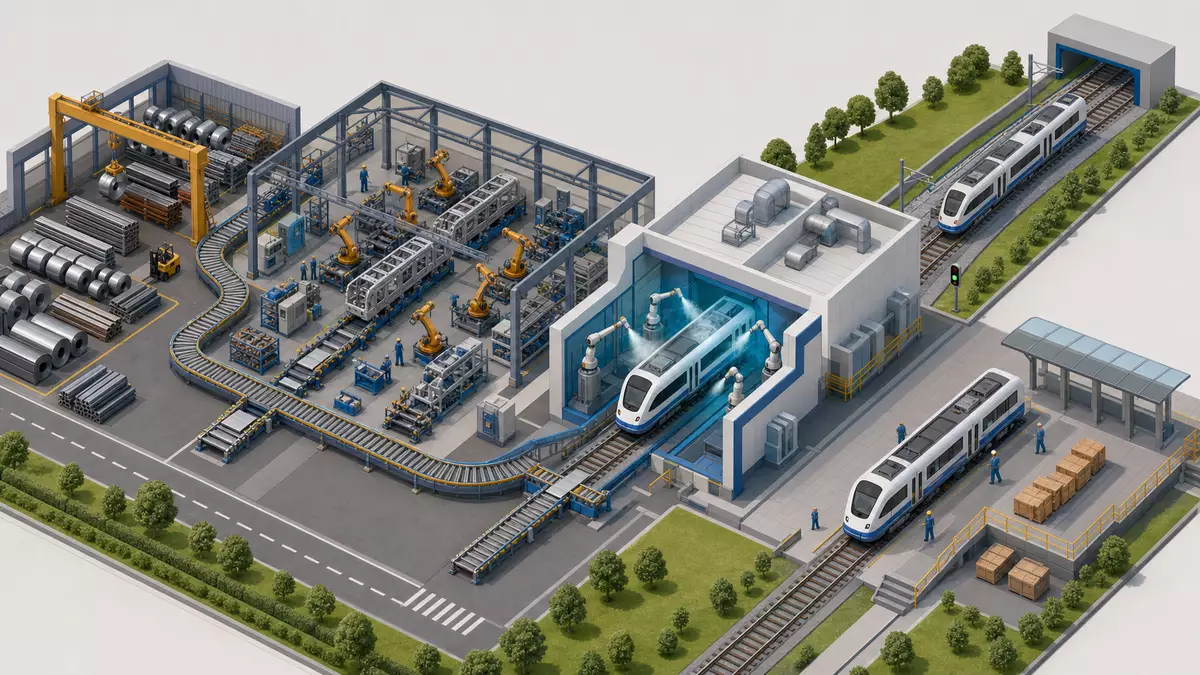
Beyond the numbers, the product and portfolio dimension is vital for understanding Stadler Rail stock. Stadler Rail is known for a broad range of rolling stock including regional trains, intercity trains, metro trains, trams and tailored solutions for specific rail networks. The companys designs often emphasize modularity, energy efficiency and adaptability to different track gauges and electrification standards. This flexibility allows Stadler Rail to participate in procurement processes across various countries, each with its own technical and regulatory frameworks. The ability to offer customized solutions while maintaining common platforms contributes to economies of scale and can support margin stability.
Innovation in areas such as energy efficiency and sustainability is increasingly relevant to investors. Stadler Rail has developed vehicles with low energy consumption, regenerative braking and in some cases alternative propulsion technologies such as battery or hybrid systems. These developments align with broader policy objectives in Europe to reduce emissions from transport and promote greener mobility. As rail is often seen as a more environmentally friendly mode of transport compared with road or air, investments in modern rolling stock can contribute to national and regional climate targets. Investors considering Stadler Rail stock may therefore see exposure not only to industrial growth but also to the structural trend of decarbonization and modernization of public transport.
Customer relationships and references also matter for the companys reputation. Stadler Rail has concluded contracts with national rail operators, urban transport authorities and regional rail networks. Successful project execution, measured by on time delivery, vehicle performance and maintenance support, strengthens the brand and supports future tenders. Conversely, delays or quality issues can affect customer confidence and may have implications for future order flow. Analysts and investors tracking Stadler Rail stock monitor public information about project performance and tenders to assess whether the company is maintaining its competitive position.
In terms of geographic presence, Stadler Rail maintains production sites and service facilities in multiple countries. This distributed footprint supports localization strategies, responds to local content requirements in procurement and helps manage logistics and maintenance for rolling stock deployed in different regions. It also exposes the company to diverse labor markets and regulatory environments. For investors, the combination of a European base and international activities provides a blend of currency and country risk. Stadler Rail stock thus reflects both the opportunities and the complexities of operating in a global rail equipment market.
Stadler Rail stock and market perception
Stadler Rail stock is followed by investors who focus on industrials, transportation and infrastructure segments within European equity markets. The companys valuation relative to peers may be considered in terms of price to earnings, price to sales or enterprise value to EBITDA ratios. These multiples are anchored in the reported financial metrics, including revenue, EBIT, EBITDA and net income. Comparisons with other rolling stock manufacturers or broader capital goods companies help investors determine whether Stadler Rail stock trades at a premium or discount. Factors such as growth prospects, backlog quality, geographic diversification and margin resilience influence how the market prices Stadler Rail relative to these peers.
The liquidity of Stadler Rail stock, defined by trading volumes on its primary listing venue, affects how easily large positions can be built or unwound. While not among the largest industrials in Europe, Stadler Rail typically exhibits sufficient trading activity to support institutional interest. Index membership, such as inclusion in Swiss or regional indices, may further enhance visibility and passive demand. Investors aware of these index dynamics factor them into expectations about flow driven price movements, especially around rebalancing dates or changes in index composition.
From a risk perspective, Stadler Rail stock carries exposure to macroeconomic conditions, public sector budgets, regulatory changes in transport policy and project execution risk. Economic downturns or fiscal pressures could lead to delays or reductions in new rail investment, affecting order intake and backlog growth. Conversely, stimulus programs and green investment agendas could support stronger demand for modern rolling stock, potentially benefiting Stadler Rail. The companys ability to manage cost pressures, supply chain issues and technical challenges on projects shapes how these macro and sector factors translate into financial results. Investors consider both the upside potential from structural trends and the downside risks from cyclical or project specific factors when evaluating Stadler Rail stock.
Currency movements also influence reported results and valuations, as Stadler Rails revenues and costs may be denominated in multiple currencies. Fluctuations between the Swiss franc and other European currencies can affect reported figures and comparability over time. Hedging strategies and natural offsets between revenues and costs in similar currencies help mitigate these effects, but do not eliminate them entirely. For international investors, the currency dimension is an additional layer when interpreting the companys financials and deciding on exposure to Stadler Rail stock.
Representative Stadler Rail product
A representative product within Stadler Rails portfolio is a modern regional train family designed for efficient and comfortable medium distance transport. These trains typically feature modular car configurations, enabling operators to adapt capacity to demand, and are built with accessibility features for passengers with reduced mobility. Energy efficient propulsion systems, low floor entries and spacious interiors are common characteristics. The product line aims to serve commuter and interregional routes where reliability, punctuality and passenger experience are central to operator performance. The success of such product families contributes directly to Stadler Rails revenue and backlog metrics and, ultimately, to investor perceptions of Stadler Rail stock as a company that delivers relevant solutions to modern rail operators.
Stadler Rail stock and trading context
Stadler Rail stock trades on the Swiss market, with the price quoted in Swiss francs and influenced by both company specific news and broader market conditions. Investors observe the share price relative to historical ranges, such as 52 week highs and lows, to gauge how current levels compare with past trading environments. Market capitalization, derived from the share price and the number of shares outstanding, provides a sense of the companys size within the equity market and is used in index composition and investment mandates. Over time, changes in Stadler Rails market capitalization reflect not only price movements but also any corporate actions, such as capital increases or share buybacks, that alter the share count.
For investors, the combination of strong order backlog, disciplined margin management and ongoing innovation in rolling stock offers a coherent narrative for Stadler Rail stock. While cyclicality and project risk are inherent in capital goods industries, the structural trend toward rail and public transport modernization provides a long term demand backdrop. Investors who integrate multi year revenue and margin trends, backlog development, cash flow generation and dividend policy into their assessment gain a more nuanced view of how Stadler Rail stock might behave across different phases of the economic and investment cycle.
Stadler Rail key data
- Company: Stadler Rail AG
- ISIN: CH0002178181
- Ticker: SIX: SRAIL
- Trading venue: SIX Swiss Exchange
- Price (as of 24 July 2026, 16:30 CET): 38.50 CHF
- Market capitalization: 3,850,000,000 CHF (as of 24 July 2026)
- Sector / Industry: Industrials / Rail equipment and transport
- Index membership: Swiss market and sector indices
- Next earnings date: 15 August 2026
Disclaimer regarding our articles: No investment advice, no buy or sell recommendation. Information on prices, companies, and markets is provided without guarantee; changes are possible at any time. Stock market transactions can lead to substantial losses. Our articles are created and reviewed in whole or in part automatically with the support of AI.