
Southern Company stock holds steady as investors weigh dividend income and grid investment plans
Published on 07/20/2026 at 06:54 | Editorial responsibility: Rafael Müller, Editor-in-Chief AD HOC NEWS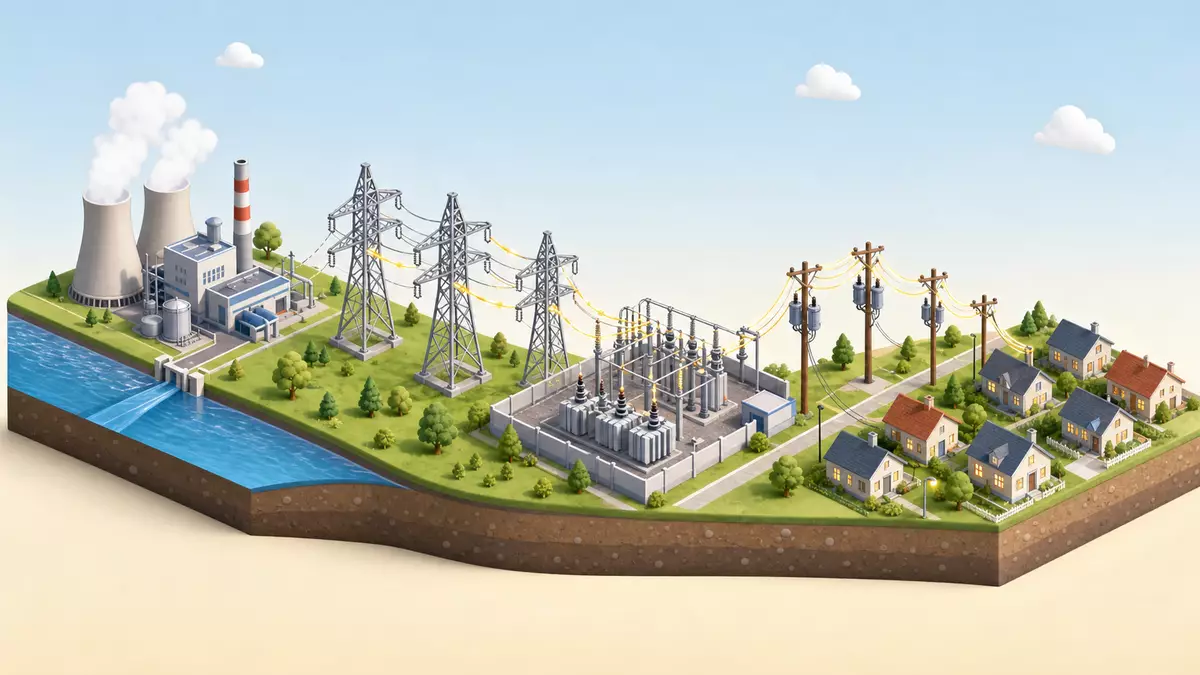
Southern Company (ISIN US8425871071) stock continues to attract income-focused investors thanks to its regulated utility earnings profile and long-standing dividend history, even as the group pursues substantial capital spending on its electric and gas infrastructure and clean energy projects. In recent years Southern Company has maintained an annualized dividend of more than $2 per share, reflecting a payout ratio that typically sits in the range of around two thirds of earnings, while also committing billions of dollars of capital each year to its utility networks and related growth initiatives. For investors, the balance between dividend income and ongoing investment remains central to the Southern Company stock story.
Dividend history over $2 per share
Southern Company is a major US regulated utility group headquartered in Atlanta, Georgia, with core operations focused on electricity generation, transmission, and distribution across several southeastern states, as well as natural gas distribution through subsidiary utilities. Its business model combines relatively stable regulated returns on equity with long-lived infrastructure assets, providing a foundation for consistent earnings and enabling the company to sustain a comparatively high cash dividend over the long term. Over the past decade Southern Company has paid a regular quarterly dividend that, on an annualized basis, has exceeded $2 per share, and the board has approved periodic increases that have cumulatively raised the dividend by a meaningful percentage across multiple years. Those incremental dividend steps have been anchored by steady earnings contributions from its state-regulated utilities and long-term power purchase agreements.
The company’s earnings profile is heavily influenced by decisions of state utility regulators, who set allowed returns on equity and approve rate plans that determine the recovery of capital investment and operating costs through customer tariffs. This regulatory framework shapes Southern Company’s ability to earn a fair return and sustain its dividend, but also imposes discipline on how much it can invest in new infrastructure in any given period. In many recent rate cases, regulators have approved multi-year investment programs in areas such as grid modernization, transmission upgrades, and generation fleet modernization, allowing Southern Company to plan billions of dollars of capital expenditure over several years while maintaining visibility on cost recovery. The resulting cash flows, once operating expenses and interest are covered, support the dividend and provide optionality for further asset investment or debt reduction.
Income-oriented investors typically evaluate Southern Company stock partly on the basis of the dividend yield, which has tended to sit in the mid-single-digit percentage range in many market environments. That yield, when combined with gradual dividend growth, can be an important component of total return for shareholders. At the same time, the regulated nature of the business means that earnings growth is often moderate and tied closely to approved rate base expansion rather than rapid top-line acceleration, reinforcing the view of Southern Company stock as an income and stability vehicle rather than a high-growth equity.
Capital spending measured in billions
Alongside its dividend policy, Southern Company has articulated multi-year capital investment plans that run into the tens of billions of dollars, focused on its regulated electric and gas utilities, as well as selective non-utility ventures. These plans typically cover a rolling period of several years and include spending on grid reliability, transmission capacity, generation fleet updates, environmental compliance, and customer-facing technology. The company’s capital expenditures in individual fiscal years have often amounted to several billion dollars, with a large portion directed at regulated utilities where the costs are recoverable through rates over time. Such spending increases the regulated rate base, which in turn can drive incremental earnings growth under approved returns on equity.
A notable element of Southern Company’s capital program has been investment in clean energy and environmental compliance, including projects to reduce emissions from its generation fleet and expand resources that support renewable integration. These projects can carry significant upfront capital costs but are intended to position the company for long-term compliance with environmental regulations and evolving customer expectations. The timing and scale of these investments can influence near-term free cash flow, as capital outlays temporarily exceed the cash recovered through depreciation and rates, but over time they are expected to be incorporated into the regulated asset base and earn returns.
Southern Company also manages a substantial debt portfolio to finance its capital programs alongside equity and operating cash flows. The ratio of debt to total capital and metrics such as funds from operations to debt are monitored by credit rating agencies and investors, since they affect borrowing costs and financial flexibility. While precise figures vary by year, utility issuers such as Southern Company typically sustain multi-billion-dollar debt balances that correspond with their large infrastructure asset base. For a company such as Southern Company, the ability to maintain investment-grade credit ratings hinges on demonstrating that cash flows from regulated operations, together with prudent dividend and investment policies, are sufficient to service this debt comfortably.
Given the scale of its investment commitments, Southern Company regularly evaluates and updates its financial guidance and capital allocation priorities, balancing reinvestment in the regulated business with shareholder returns. Analysts and institutional investors scrutinize the company’s presentations and regulatory filings for detail on projected capital expenditure by segment, expected rate base growth, and associated earnings trajectories. This information feeds into models that forecast the potential path of dividend growth, total returns, and valuation metrics for Southern Company stock over the medium term.
Regulated earnings support Southern Company stock
The interplay between regulated earnings, capital spending, and dividends is central to the way Southern Company stock is valued in the market. In broad terms, the company’s revenue is driven by electricity and gas sales to residential, commercial, and industrial customers, with tariffs designed to recover operating costs and provide a return on invested capital. While annual revenue can vary with factors such as weather patterns, economic activity in its service territories, and customer usage, the underlying regulated model aims to moderate volatility and ensure that the utility can continue to invest in its networks.
Operating income and net income for Southern Company are shaped by this revenue base alongside fuel costs, maintenance, depreciation, interest expense, and taxes. Over multi-year periods, the company has reported net income in the order of several billion dollars across consolidated operations, reflecting the contribution of its electric and gas utilities and, in some years, associated projects and affiliates. From this earnings base, the board determines the dividend level, taking into account future capital needs, balance-sheet strength, and the desire to maintain a reliable income stream for shareholders.
When comparing Southern Company stock to other large regulated utilities in the United States, one key consideration is the mix of generation assets and the pace of transition toward cleaner energy. Southern Company operates a blend of generation resources, including natural gas, coal, nuclear, and renewables, and has articulated strategies to reduce the carbon intensity of its portfolio over time. Progress on these strategies can influence investor sentiment, particularly among institutions that integrate environmental, social, and governance (ESG) considerations into portfolio decisions. A utility that combines stable earnings and dividends with credible decarbonization plans may be seen as better positioned for long-term regulatory and market trends.
Another comparative lens is valuation, typically expressed through ratios such as price-to-earnings or price-to-book, and through yield measures. Southern Company’s valuation metrics can be benchmarked against other constituents of major utility indices, taking into account differences in regulatory environments, growth prospects, and balance-sheet profiles. While specific multiples fluctuate with market conditions, the company’s status as a large, diversified regulated utility generally supports a valuation range that reflects the tradeoff between stability, yield, and moderate growth. For investors, assessing whether Southern Company stock offers appropriate compensation for regulatory, operational, and financial risks is an ongoing exercise.
Power generation and grid services
Southern Company’s core product offering centers on electricity and gas service for customers across its footprint, delivered through regulated utility subsidiaries that operate generation plants, transmission networks, and distribution lines. On the electricity side, the company’s generation fleet includes large-scale power plants that collectively provide capacity measured in many thousands of megawatts, encompassing natural gas combined-cycle units, coal-fired plants, nuclear facilities, and renewable energy installations such as solar and wind. These assets are integrated into regional grids that deliver power to residential, commercial, and industrial customers under regulated tariffs and service standards.
The company also invests in technologies and services that enhance grid reliability and customer experience, such as advanced metering infrastructure, distribution automation, and digital platforms for account management and energy efficiency programs. Through these offerings, Southern Company aims to improve outage performance, provide more granular usage data, and enable customers to better manage their energy consumption. On the gas side, its distribution utilities operate pipeline networks and related infrastructure to deliver natural gas for heating, cooking, and industrial use, with safety and compliance as central priorities.
Beyond core utility services, Southern Company has also explored and deployed offerings in emerging areas such as distributed energy resources, energy storage, and electric vehicle charging infrastructure, often through pilot programs or partnerships. These initiatives support broader energy transition themes and may create new revenue streams or enhance customer retention over time. However, they are generally smaller in scale than the legacy utility operations and are integrated carefully into the regulatory and investment framework to ensure cost recovery and alignment with customer and regulator expectations.
Southern Company stock and market perspective
Southern Company stock is traded on the New York Stock Exchange as a major component of US utility indices, and it is widely held by both retail and institutional investors seeking exposure to regulated utility cash flows and dividend income. The stock’s performance over multi-year periods reflects a combination of factors, from interest-rate trends and broader equity market sentiment to company-specific developments such as regulatory outcomes, project milestones, and changes in capital spending or dividend policy. In periods of rising interest rates, utility stocks including Southern Company can face valuation pressure as higher yields on bonds and cash compete with dividend stocks, while in lower-rate environments the relative appeal of stable dividend payers may increase.
For long-term shareholders, Southern Company’s ability to sustain and gradually grow its dividend, maintain investment-grade credit ratings, and execute on its capital plans within regulatory frameworks are key determinants of total return. If the company can continue to expand its rate base through prudent capital investments, while managing operating costs and fuel mix transitions, it may deliver ongoing earnings growth that supports further dividend increases, albeit typically at a measured pace. At the same time, major capital projects, changes in environmental regulation, or unexpected operational challenges could affect cash flows and valuation, underscoring the importance of continuous monitoring of company developments and regulatory environments.
Looking ahead, Southern Company’s strategic priorities are likely to remain focused on maintaining safe and reliable utility service, investing in grid and generation assets, pursuing decarbonization pathways consistent with regulatory and stakeholder expectations, and sustaining a competitive dividend profile. For investors evaluating Southern Company stock, the intersection of these themes with broader energy transition and infrastructure investment trends provides a lens through which to assess risk and opportunity, recognizing that regulated utility equities occupy a distinctive niche within diversified portfolios.
More on Southern Company and utility investing
Further information on Southern Company as a regulated utility, including financial data and strategy updates, can be obtained through detailed company and market resources.
Electric service and customer base
Southern Company’s electric utility subsidiaries serve millions of customers across multiple states, providing residential, commercial, and industrial service under tariffs approved by state regulators. The customer base includes households, small and medium businesses, large commercial facilities, and industrial plants, each with distinct usage patterns and demand profiles. Residential customers typically account for a significant portion of sales volume, particularly in regions with substantial air-conditioning loads, while commercial and industrial customers contribute large blocks of demand that can be sensitive to economic cycles and sector-specific trends.
The company’s utilities operate extensive transmission and distribution networks to deliver electricity from generation plants to end users. These networks include high-voltage transmission lines, substations, and lower-voltage distribution circuits, combined with metering and control systems that monitor and manage flows. Investment in these networks is continuous, as Southern Company replaces aging infrastructure, adds capacity for load growth, and deploys technologies aimed at improving reliability and resilience against events such as storms or other disruptions.
Southern Company has also engaged in customer programs that encourage energy efficiency, demand response, and participation in time-based rates where approved. Such programs can help customers reduce consumption and bills, while providing the utility with tools to manage peak demand and system operations more effectively. In some cases, regulators may incorporate these programs into integrated resource plans, recognizing their role in moderating the need for new generation capacity or network expansion and supporting environmental objectives.
Southern Company stock in investor portfolios
Southern Company stock frequently appears in portfolios that emphasize income, stability, or sector diversification, including utility-focused mutual funds, exchange-traded funds, and individual investor holdings. The stock’s historical dividend record and the nature of regulated utility cash flows make it a candidate for investors seeking consistent distributions, though like all equities it remains subject to market risk and company-specific factors. Portfolio managers assessing Southern Company’s role within a broader allocation consider correlations with other asset classes, sensitivity to interest rates, and potential exposure to macroeconomic and regulatory changes.
For some investors, the utility sector, including Southern Company, offers a way to gain exposure to infrastructure investment and energy transition themes without taking on the more volatile risk profile of unregulated or merchant generation companies. In this context, Southern Company’s plans for grid modernization, clean energy investment, and customer-focused offerings can be viewed as drivers of long-term relevance and potential incremental earnings growth, constrained and shaped by regulatory oversight. At the same time, the requirement to obtain regulatory approval for major projects, rate changes, and cost recovery means that project timelines and financial impacts can differ from initial expectations, reinforcing the importance of conservative assumptions and careful monitoring.
Overall, Southern Company stock represents a blend of regulated utility characteristics, dividend-oriented capital allocation, and evolving strategic priorities in response to energy transition and stakeholder expectations. Investors who consider or hold Southern Company shares typically weigh these elements within the context of their broader financial objectives, recognizing both the potential benefits of steady income and infrastructure exposure and the inherent risks associated with long-lived assets, regulatory processes, and changing energy markets.
Stock and utility overview
Southern Company stock reflects the financial performance and strategic direction of one of the largest regulated utility groups in the United States, encompassing electric and gas operations that serve a diversified customer base in the Southeast. The company’s commitment to maintaining a reliable service, investing in infrastructure, and pursuing environmental objectives under regulatory guidance shapes both its earnings trajectory and its risk profile. For investors, the combination of a longstanding dividend record, visibility into regulated cash flows, and participation in broader energy and infrastructure trends forms the basis of any assessment of Southern Company stock within a portfolio.
Southern Company facts
- Company: The Southern Company
- ISIN: US8425871071
- Ticker: NYSE: SO
- Trading venue: NYSE
- Sector / Industry: Utilities / Electric & Gas Utilities
- Index membership: S&P 500


