South Korea Launches Emergency Heat Safety Inspections After Spike in Fatalities
Published on 07/28/2026 at 07:27 | Redaktion boerse-global.de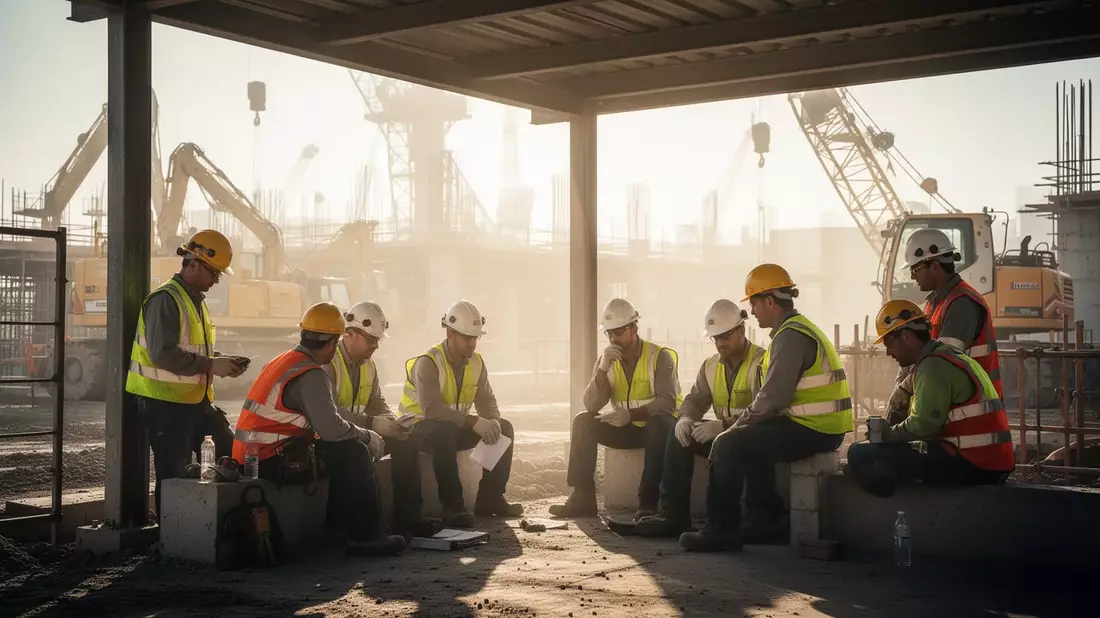
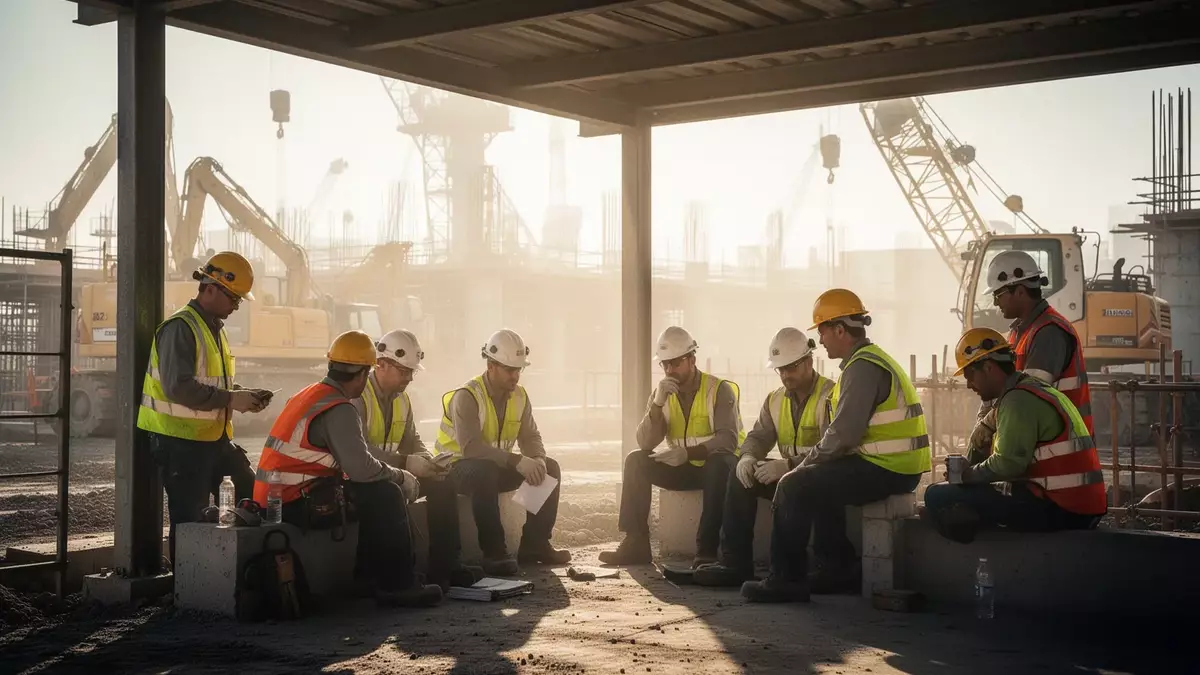
South Korea's Ministry of Employment and Labor has announced intensive safety inspections of 1,000 heat-vulnerable workplaces following a surge in heat-related illnesses and deaths. The two-week blitz, running from August 3 to August 14, 2026, targets high-risk sectors including construction, shipbuilding, logistics, and manufacturing — a move that carries clear lessons for UK employers facing increasingly extreme summer conditions.
Minister Kim Young-hoon has directed 48 regional offices to carry out the checks as part of a broader special task force operating through September 30. The initiative aims to enforce emergency safety protocols as the nation grapples with record-breaking summer temperatures.
Stricter Suspension Rules Under Enforcement
Under the ministry's tiered safety guidelines, inspectors will verify that employers are following mandatory work stoppage thresholds. Outdoor operations must be suspended between 2 p.m. and 5 p.m. when the perceived temperature reaches 35°C. When the mercury hits 38°C, all non-emergency outdoor work must stop entirely.
The inspections enforce five fundamental heat-safety rules: provision of cool water, availability of cooling equipment or air-conditioned rest areas, mandatory 20-minute breaks every two hours during heat warnings, distribution of cooling gear, and established protocols for calling emergency services. Authorities are also checking for asphyxiation prevention measures in confined workspaces, which become more hazardous during extreme heat.
Local governments have already begun preliminary enforcement. In Goheung County, officials conducted on-site inspections of county-managed workplaces between July 21 and July 25, focusing on public labour and recycling centres. Busan Mayor Jeon Jae-soo visited support centres and power supply facilities on July 27 to review response systems for vulnerable populations and energy infrastructure.
National Crisis Level Reaches Serious Threshold
The inspections follow a decision by the Interior Ministry on July 27 to raise the national heat wave crisis alert to its highest level — "serious" — triggering the activation of the Central Disaster and Safety Countermeasures Headquarters. Prime Minister Han Seong-sook described the current week as a critical peak for the heat wave and urged immediate safety reviews of construction sites and high-risk residential areas.
The human toll has been stark. Between May 15 and July 26, health authorities recorded 1,399 cases of heat-related illness and eight deaths nationwide. Recent fatalities include an 80-year-old woman in Hadong and a 90-year-old woman in Gimje, both of whom died on July 26. In the South Jeolla-Gwangju region, 12 patients were reported over a single weekend, including a migrant worker who died with a body temperature exceeding 43°C. Earlier this week, temperatures in Daegu and Gyeongju reached highs of 39.2°C and 39.1°C respectively.
Global Context of Workplace Heat Stress
The crisis in South Korea aligns with findings from a joint report by the World Health Organization (WHO) and the World Meteorological Organization (WMO). The study, released in late August 2025, highlighted that more than 2.4 billion workers globally are now exposed to excessive heat.
The report's authors noted that extreme heat events are rising sharply in frequency and intensity. Worker productivity typically drops by 2% to 3% for every degree the temperature rises above 20°C. Beyond productivity losses, excessive heat is linked to 22.85 million occupational injuries annually, contributing to severe health risks such as kidney dysfunction and heatstroke. The WHO and WMO emphasised the necessity of occupational heat action plans and increased stakeholder engagement to protect vulnerable labour populations in warming climates.
Disclaimer regarding our articles: No investment advice, no buy or sell recommendation. Information on prices, companies, and markets is provided without guarantee; changes are possible at any time. Stock market transactions can lead to substantial losses. Our articles are created and reviewed in whole or in part automatically with the support of AI.