Silver's 16% Rout Masks a Physical Scarcity That's Only Getting Deeper
21.06.2026 - 13:34:40 | boerse-global.de
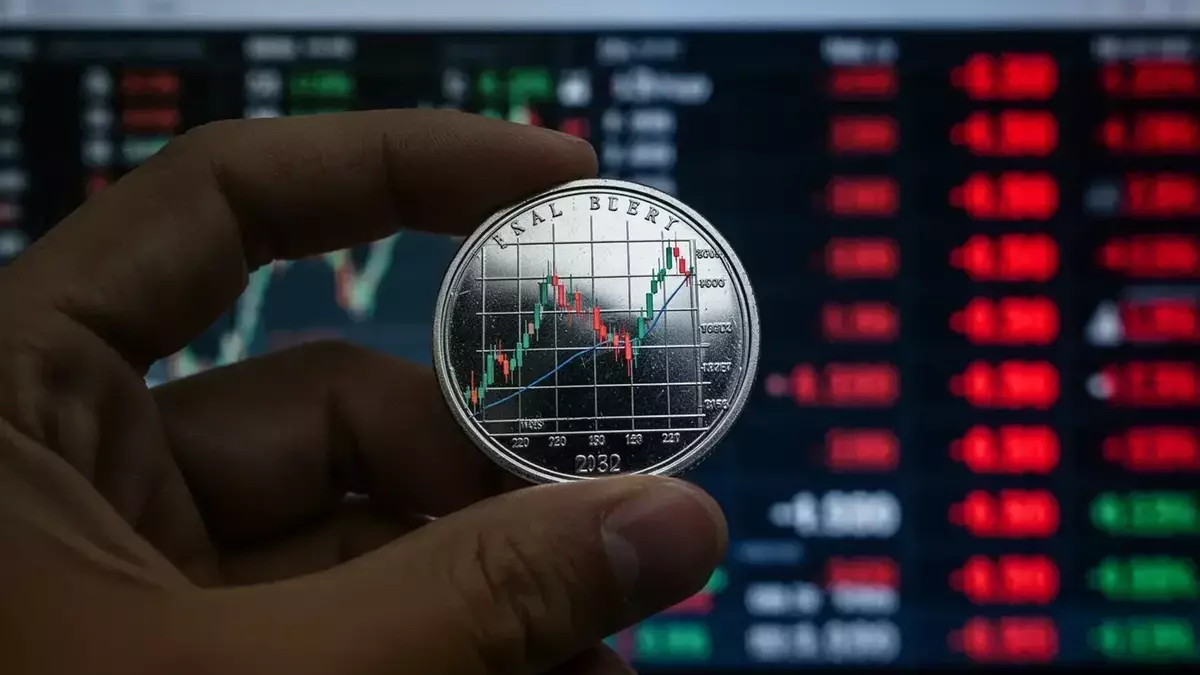
Silver has just endured its most savage 30-day selloff in recent memory, tumbling nearly 16% to close at $64.09 on Friday. The white metal’s descent is a story of two markets colliding: on one side, a hawkish Federal Reserve and a sudden diplomatic thaw in the Middle East; on the other, a physical supply deficit now entering its sixth consecutive year.
The proximate trigger was monetary policy. Fed Chair Kevin Warsh held the federal funds rate steady at 3.50%–3.75% at the last meeting, but the updated dot-plot delivered a distinctly more restrictive message. The median range for year-end rose to 3.75%–4.00%, with some committee members even discussing additional hikes for late 2026. Higher rates punish non-yielding assets like silver, and the pressure intensified after the US inflation reading for May hit 4.2% — the highest in over three years. Energy prices, driven higher by the Iran conflict, have fed that inflationary shock.
Then came a geopolitical twist. On Thursday, President Donald Trump signed a preliminary agreement to end the Iran conflict, including a rapid reopening of the Strait of Hormuz. Silver briefly popped above $69 on the news, but the relief rally evaporated almost instantly. By Friday’s close, the metal had given back all those gains and more, logging a weekly loss of approximately 6%. The distance from January’s all-time high now stands at roughly 47%.
Chart technicians are watching a key support level at $60. The Relative Strength Index sits at 35.6, a reading that typically signals oversold conditions. But the trend is unforgiving: a break below $60 could open the door to $54, while a hold would allow for a late-spring bottoming process. Fundamentals argue for the latter, but near-term momentum belongs to the Fed.
Should investors sell immediately? Or is it worth buying Silber Preis?
The physical market tells an entirely different story. The world is consuming more silver than it mines for the sixth straight year. The Silver Institute projects a deficit of more than 46 million ounces for 2026. Cumulative shortfalls since 2021 now exceed 760 million ounces, steadily draining above-ground inventories. COMEX warehouse stocks have collapsed roughly 75% from 2020 levels to just 88 million ounces of deliverable metal.
Industrial demand — which accounts for more than half of total consumption — has pulled back in one key area. Solar module manufacturers, stung by silver’s earlier price surge, have been thrifting. But technical hurdles prevent any large-scale substitution by copper. Meanwhile, private investors are more than filling the gap. Physical investment in coins and bars is forecast to rise 18% this year, led by strong buying in the US.
Analysts see the current rout as a disconnect ripe for correction. J.P. Morgan maintains an average price target of $81 for the year, leaning on the supply deficit and structural demand drivers. The gold-silver ratio, currently at 61.7, points to moderate undervaluation for the white metal. But for now, the hawkish dollar and the fading risk premium from the Iran standoff are overpowering the scarcity narrative.
Silber Preis at a turning point? This analysis reveals what investors need to know now.
The week ahead promises a collision between these two worlds: tight money versus a physically depleted market. Which one wins will determine whether silver’s 30-day bloodbath is a buying opportunity or the beginning of a deeper slide.
Ad
Silber Preis Stock: New Analysis - 21 June
Fresh Silber Preis information released. What's the impact for investors? Our latest independent report examines recent figures and market trends.