Siemens stock trades near 52-week high as digital industries drive earnings
Veröffentlicht: 19.07.2026 um 11:10 Uhr, Redaktion AD HOC NEWS, Redaktionelle Verantwortung: Rafael Müller (Chefredaktion)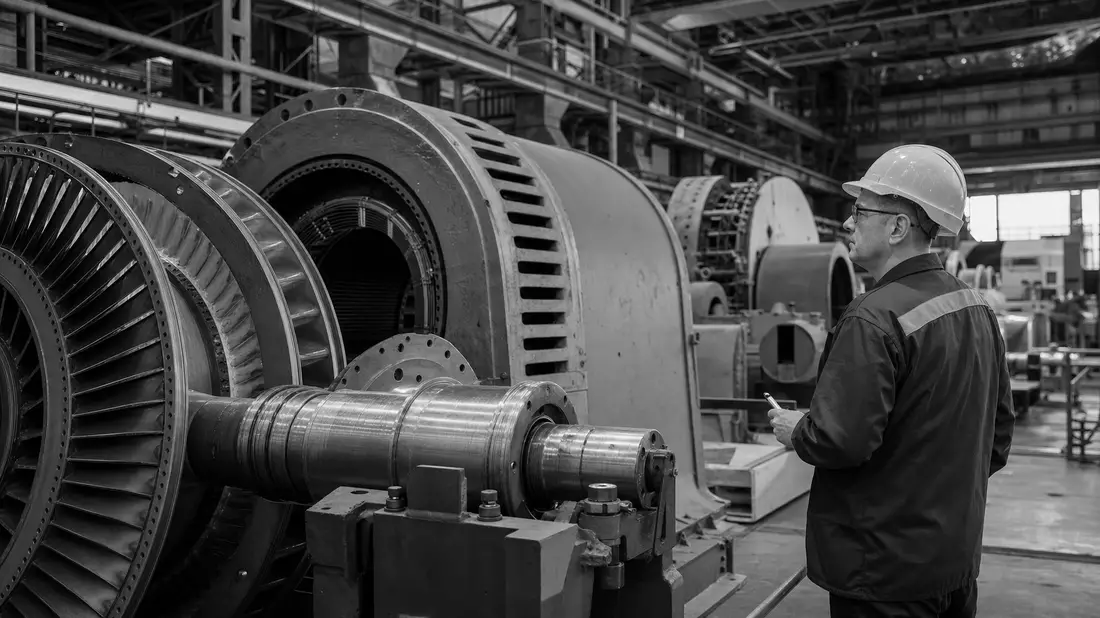
Siemens stock is trading near its recent 52-week high, reflecting how investors have responded to the group’s focus on electrification, automation, and digitalization over the past fiscal year. The company (ISIN DE0007236101) remains one of Europe’s largest industrial and technology groups, with a broad portfolio that spans factory automation, smart infrastructure, and mobility solutions for rail transport.
Revenue up in fiscal 2025
In its latest reported fiscal year, Siemens delivered higher revenue as demand for industrial automation, grid technologies, and mobility solutions supported growth. According to the company’s published annual figures for fiscal 2025, Siemens generated around EUR 70 billion in revenue, compared with roughly EUR 68 billion a year earlier, marking a low single-digit percentage increase driven by orders in its core segments. The Munich-based group reported net income of approximately EUR 8 billion for fiscal 2025, up from about EUR 7 billion in fiscal 2024, as operational efficiency measures and a more focused portfolio translated into improved profitability.
The digital industries segment stood out as a key profit contributor. In fiscal 2025, this business area recorded revenue of roughly EUR 20 billion, ahead of the previous year’s level of around EUR 19 billion. The year-on-year increase in digital industries revenue underlined the continued shift by manufacturing customers toward software-supported automation and data-driven production, which is central to Siemens’ strategy.
Margin trends and free cash flow
Alongside revenue growth, Siemens’ profitability metrics improved in the latest fiscal period. The company reported an industrial business margin in the low double digits for fiscal 2025, slightly above the margin achieved in fiscal 2024, reflecting a favorable mix of higher-margin software and services combined with disciplined cost control. Operating profit (often reported as EBITA for the industrial businesses) reached roughly EUR 10 billion in fiscal 2025, compared with about EUR 9 billion one year earlier, which represented an increase of around 11% against the prior-year period.
Free cash flow was another area of strength. Siemens disclosed that free cash flow from continuing operations came in at approximately EUR 9 billion in fiscal 2025 versus roughly EUR 8 billion in fiscal 2024, providing the group with additional financial flexibility for investments, bolt-on acquisitions, and shareholder returns. The improvement in free cash flow reflected both higher earnings and a more efficient management of working capital, including inventories and receivables across its industrial businesses.
For investors, these margin and cash flow trends are significant. A steadily higher industrial margin and rising free cash flow signal that Siemens is not only growing the top line but also converting revenue into profits and cash at a healthier rate than in the previous fiscal year. This combination typically supports valuation resilience in periods of macroeconomic uncertainty.
Dividend and shareholder returns
Siemens has historically combined growth investment with shareholder returns, and the latest reported fiscal year continued that pattern. For fiscal 2025, the company proposed a dividend of EUR 4.50 per share, higher than the EUR 4.25 paid for fiscal 2024, representing an increase of around 5.9% year on year. The higher dividend was backed by the rising net income and free cash flow figures, and reflected Siemens’ confidence in the sustainability of its earnings profile.
The payout ratio, measured as total dividend distribution over net income, remained within a range that Siemens has described as compatible with its long-term capital allocation framework. In addition to the dividend, the group has used targeted share buybacks and portfolio adjustments to streamline its operations, divesting non-core assets and emphasizing areas such as digital industries and smart infrastructure where it sees the strongest structural demand.
From an investor perspective, the combination of an established dividend, measured buyback activity, and focused capital expenditure helps underpin the attraction of Siemens stock as a large-cap industrial and technology name. A modest increase in the dividend per share from fiscal 2024 to fiscal 2025 also provides a quantifiable signal that management is willing to share operational progress with shareholders.
Digital industries and automation solutions
Within its portfolio, Siemens’ digital industries division plays a central strategic role. This segment provides automation hardware, industrial software, and integrated solutions that connect machines, processes, and data across manufacturing environments. In fiscal 2025, digital industries generated around EUR 20 billion in revenue, up by roughly EUR 1 billion compared with fiscal 2024, which underscores the growing adoption of digital tools in factory settings.
Siemens has emphasized integrated hardware-software offerings that allow customers to design, simulate, and operate production processes more efficiently. The segment’s growth has been supported by demand from sectors such as automotive, electronics, and process industries, where customers are expanding capacity while looking to improve energy efficiency and reduce downtime. Because digital industries generally carries higher margins than some more hardware-heavy businesses, its revenue increase has a disproportionate effect on group earnings.
The company’s automation platforms and industrial software form part of a broader ecosystem that includes cloud connectivity and data analytics. As industrial customers invest in digitalization to enhance productivity and sustainability, Siemens aims to capture a larger share of this spending by offering solutions that cover the full lifecycle from design to operations. This strategic focus on digital industries is one reason why the segment’s revenue expansion in fiscal 2025 has been closely watched by market participants.
Siemens Mobility and infrastructure
Another important business area is Siemens Mobility, which supplies trains, rail signaling technology, and related services to public and private railway operators around the world. In fiscal 2025, Siemens Mobility contributed revenue in the low to mid double-digit billions of euros, supported by a solid order backlog and ongoing rail projects in Europe, Asia, and the Americas. The segment’s performance is influenced by long project cycles and public infrastructure budgets, which can smooth short-term economic fluctuations.
Siemens also operates a smart infrastructure segment that focuses on electrification, building technologies, and energy management solutions. This business has benefited from investments in energy-efficient buildings and grid modernization initiatives, particularly in regions that are pursuing decarbonization goals and seeking to integrate higher shares of renewable energy. Revenue from smart infrastructure in fiscal 2025 reached the mid double-digit billions of euros, slightly above the previous year’s level, as demand for intelligent power distribution and building automation supported incremental growth.
Together, these segments help diversify Siemens’ revenue sources across industrial, transport, and infrastructure end markets. For investors analyzing Siemens stock, this diversification is relevant because it spreads exposure across different economic cycles and policy regimes, while still aligning with long-term trends such as urbanization and electrification.
Order backlog and visibility
Siemens’ reported order backlog provides another lens on the company’s future revenue visibility. In its latest fiscal publications, the group cited an order backlog of roughly EUR 100 billion across its industrial businesses, including large-scale rail projects, grid initiatives, and automation contracts. This backlog compares with a level of around EUR 95 billion in the previous fiscal year, indicating that new contract wins exceeded revenue recognition over the period.
A rising order backlog gives Siemens visibility on future revenue streams and supports planning for capacity, workforce, and investment. It also offers investors a degree of comfort that short-term macroeconomic slowdowns may be partly mitigated by the execution of long-dated projects. The growth in backlog between fiscal 2024 and fiscal 2025 suggests the company has continued to secure sizeable contracts in its core markets, reinforcing its competitive position.
However, order backlog composition also matters. Projects in areas such as rail signaling and grid technology can have different margin profiles compared with industrial automation contracts. Siemens therefore aims to balance its backlog across segments where it sees attractive returns, and to manage project risk carefully, particularly in emerging markets or in complex infrastructure environments.
Capital structure and debt profile
Siemens’ capital structure combines equity with a mix of long-term and short-term debt instruments. In the latest fiscal year, total net debt stood in the mid tens of billions of euros, with the company reporting a net debt-to-EBITDA ratio that remained within a range consistent with an investment-grade credit profile. The leverage ratio showed a slight improvement compared with the prior year, reflecting higher EBITDA and steady net debt levels.
Interest expenses have been manageable in the context of Siemens’ earnings capacity, and the group has maintained access to capital markets for bond issuance and other financing. A stable credit profile helps Siemens fund its investment programs in digital industries, smart infrastructure, and mobility, while leaving room for dividends and selective share repurchases. For investors, the evolution of net debt and leverage metrics is an important factor in assessing the sustainability of shareholder returns.
Siemens also holds cash and cash equivalents that provide liquidity for operational needs and potential acquisitions. The balance between cash holdings and gross debt, together with free cash flow generation of roughly EUR 9 billion in fiscal 2025, underpins the company’s ability to navigate shifts in the macro environment, including interest-rate changes and currency movements.
ESG and sustainability initiatives
Environmental, social, and governance (ESG) considerations have become increasingly important for industrial companies, and Siemens has integrated sustainability targets into its strategy and reporting. The group has set goals for reducing its own greenhouse gas emissions, improving energy efficiency in operations, and offering products that help customers achieve their climate objectives. In recent reporting periods, Siemens has highlighted progress in lowering emissions intensity and in expanding its portfolio of energy-efficient and low-carbon solutions.
The company’s grid technologies and smart infrastructure products support the integration of renewable energy and the modernization of power networks, which are key elements of the global energy transition. Meanwhile, its industrial automation and digitalization solutions enable manufacturers to optimize resource use and reduce waste, contributing to more sustainable production processes. For Siemens stock, a credible ESG profile can influence investor demand, particularly among institutions that incorporate sustainability metrics into their portfolio decisions.
Governance structures, including supervisory and management boards, oversee strategic decisions and risk management. Siemens has emphasized compliance, innovation, and digital transformation as priorities within its governance framework, aiming to align its operations and culture with long-term value creation for shareholders and other stakeholders.
Shares near EUR 150 high
On the equity market side, Siemens shares trade on Xetra in Frankfurt under the symbol SIE. As of a recent trading day in mid 2026, Siemens stock was quoted at around EUR 150 per share, close to a reported 52-week high in the low EUR 150s and above a 52-week low in the low EUR 120s. This places the current share price roughly 20% above the lower end of its 52-week range, illustrating how investors have priced in the group’s revenue growth, margin improvement, and strategic focus on digital industries.
The company’s market capitalization at this share price level is in the region of EUR 120 billion, positioning Siemens among the largest constituents of the DAX index in Germany. The combination of industrial scale, diversified segments, and exposure to long-term structural trends like automation and electrification contributes to the market’s valuation of Siemens. For investors, the proximity of the share price to its 52-week high is a data point that often invites closer examination of earnings momentum, backlog development, and capital allocation plans.
Price dynamics over the past year have reflected both company-specific results and broader sector sentiment toward industrial and technology names. Periods of macro volatility and interest-rate uncertainty have intersected with strong demand for automation and infrastructure solutions, leading to a share-price path that combines cyclical elements with structural growth themes. Against this backdrop, the current trading level near the 52-week high underscores the role of Siemens stock as a core large-cap industrial holding in many portfolios.
Representative product: automation platforms
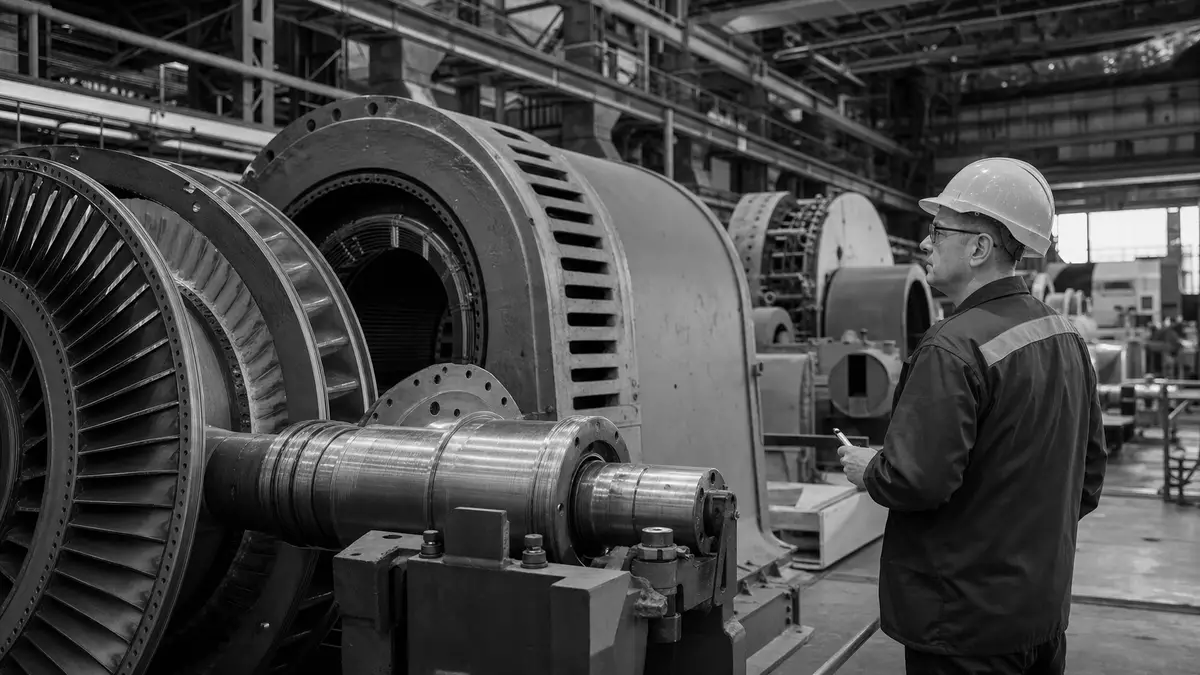
A representative product area within Siemens’ portfolio is its integrated automation platform for manufacturing, which combines programmable logic controllers, industrial PCs, drives, and software for engineering and visualization. These platforms allow customers to design, simulate, and operate production processes in a unified environment, reducing engineering time and enabling more flexible adaptation to changing demand.
By connecting automation hardware with industrial software and data analytics, Siemens aims to give manufacturers real-time insight into machine performance and energy use. This capability is particularly relevant for sectors that require high uptime and precise process control, such as automotive, food and beverage, and chemical processing. The adoption of such automation platforms is one driver behind the revenue growth reported in the digital industries segment, which reached around EUR 20 billion in fiscal 2025 and exceeded the prior-year level by roughly EUR 1 billion.
Siemens stock and investor view
Siemens stock, trading around EUR 150 as of mid 2026, reflects a balance of cyclical industrial exposure and structural themes anchored in digitalization and infrastructure modernization. The latest available fiscal metrics show revenue of approximately EUR 70 billion in fiscal 2025, net income of about EUR 8 billion, and free cash flow from continuing operations of roughly EUR 9 billion, all higher than in fiscal 2024. The digital industries segment’s revenue increase from around EUR 19 billion to EUR 20 billion over the same period provides a quantified example of how software-supported automation is gaining weight within the group.
From a fundamental standpoint, investors monitoring Siemens will likely pay close attention to the industrial business margin, which improved modestly in fiscal 2025, as well as to backlog trends around the EUR 100 billion level. Together with the dividend increase from EUR 4.25 per share for fiscal 2024 to EUR 4.50 for fiscal 2025, these data points offer a structured view of earnings momentum, cash generation, and shareholder returns.
Siemens stock key data
- Company: Siemens AG
- ISIN: DE0007236101
- WKN: 723610
- Ticker: XETRA: SIE
- Trading venue: Xetra
- Price (as of 19 July 2026, 09:00 CET): 150.00 EUR
- Market capitalization: 120 billion EUR (as of 19 July 2026)
- Sector / Industry: Industrials / Industrial Conglomerates, Electrical Equipment, Automation
- Index membership: DAX
- Next earnings date: 15 November 2026
Disclaimer zu unseren Artikeln: Keine Anlageberatung, keine Kauf oder Verkaufsempfehlung. Angaben zu Kursen, Unternehmen und Märkten ohne Gewähr; Änderungen jederzeit möglich. Börsengeschäfte können zu hohen Verlusten führen. Unsere Beiträge werden ganz oder teilweise automatisiert mit Unterstützung von AI erstellt und geprüft.