Shifting Fears: Interest Rate Concerns Overtake Oil Worries for German Stocks
23.03.2026 - 04:05:20 | boerse-global.de
Germany's benchmark DAX index opened the new trading week with modest gains, following its descent to a multi-month low this past Friday. This slight rebound occurs amidst a notable shift in market sentiment. The primary driver of recent volatility is changing, with anxieties over imminent European Central Bank rate hikes now displacing earlier concerns about geopolitical tensions and soaring crude oil prices.
Technical Picture Reflects Persistent Uncertainty
The index's recent performance underscores the prevailing investor caution. Closing Friday at 22,380.19 points, the DAX has declined by 11.40 percent over the last 30-day period. Market technicians note the index remains within a defined downward trend, a pattern reinforced by sell signals from several key moving averages.
Chart analysis now highlights the previous week's low of 22,369 points as a crucial technical support level. A sustained break below this point could trigger a move toward testing the psychologically significant 22,000-point threshold. Analysts suggest a durable recovery is contingent upon a calming of geopolitical strife and a reduction in inflation anxieties ahead of the ECB's next key rate decision scheduled for April 30.
ECB Signals Trigger Rapid Repricing
Recent communications from the ECB's headquarters in Frankfurt have significantly altered market expectations. Although the central bank held its deposit rate steady at 2.00 percent last week, President Christine Lagarde issued a stark warning regarding mounting inflation risks. She indicated that persistent disruptions to oil and gas supplies from the Middle East could, in a worst-case scenario, drive inflation as high as 4.4 percent. The bank's updated projections reflect this gloomier outlook, now forecasting weaker economic growth of just 0.9 percent for 2026.
Should investors sell immediately? Or is it worth buying DAX?
This revised guidance has forced a swift reassessment on futures markets. Traders are currently pricing in one to two rate increases before year-end, with the first move potentially coming as early as July. This market view stands in sharp contrast to a recent Reuters poll, in which over 90 percent of economists predicted stable rates. Observers interpret the aggressive market pricing as a sign that the ECB is likely to prioritize inflation control over growth risks if forced to choose.
Sector Performance Diverges Under New Pressures
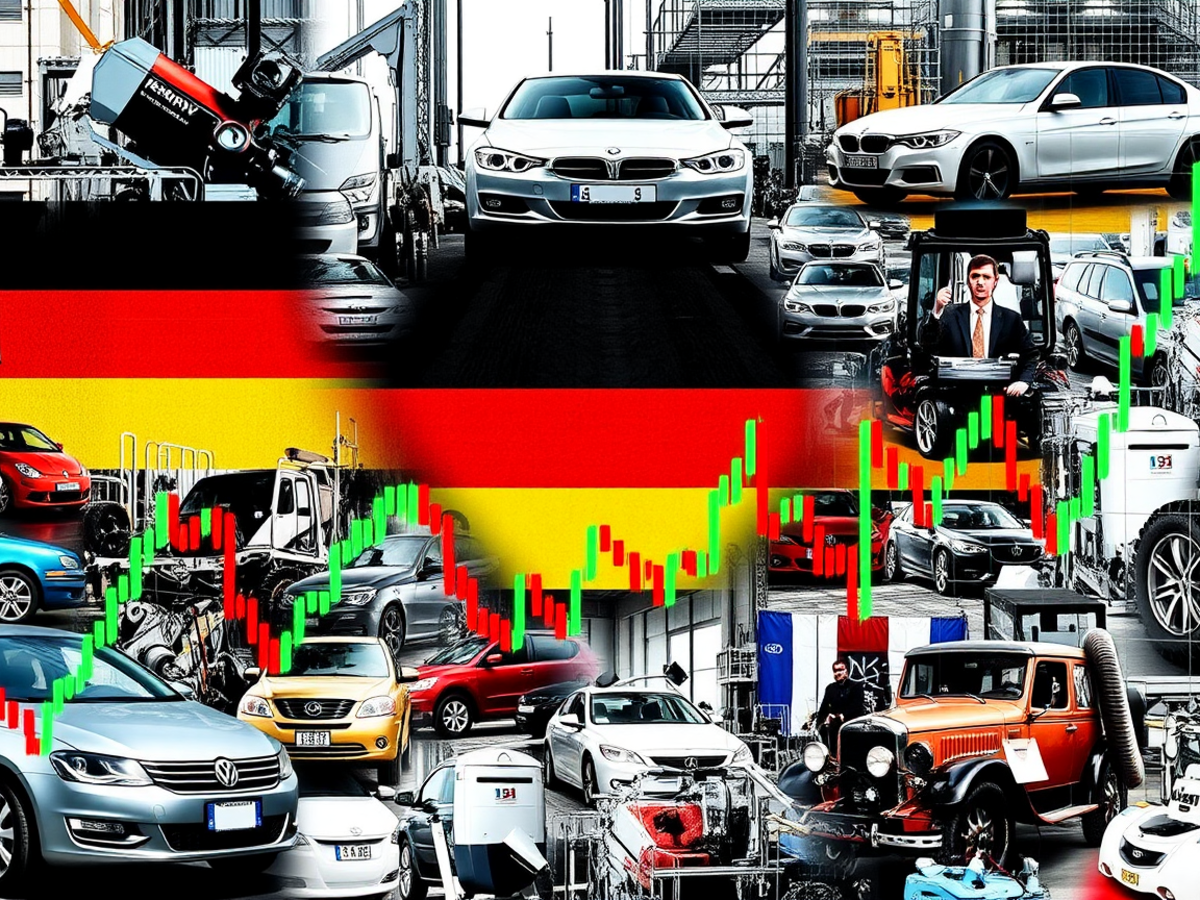
The altered macroeconomic landscape is leaving a clear imprint on individual share performance. Energy-intensive industries and major exporters such as Volkswagen, BMW, and BASF are facing pressure from elevated production costs and the threat of weakening global demand. Conversely, utilities like RWE find support from higher natural gas prices, while more defensive sectors such as healthcare demonstrate relative stability. Additional pressure on industrial stocks came from reports regarding production flaws at aerospace giant Airbus.
Ad
DAX Stock: New Analysis - 23 March
Fresh DAX information released. What's the impact for investors? Our latest independent report examines recent figures and market trends.
So schätzen die Börsenprofis Shifting Aktien ein!

Für. Immer. Kostenlos.