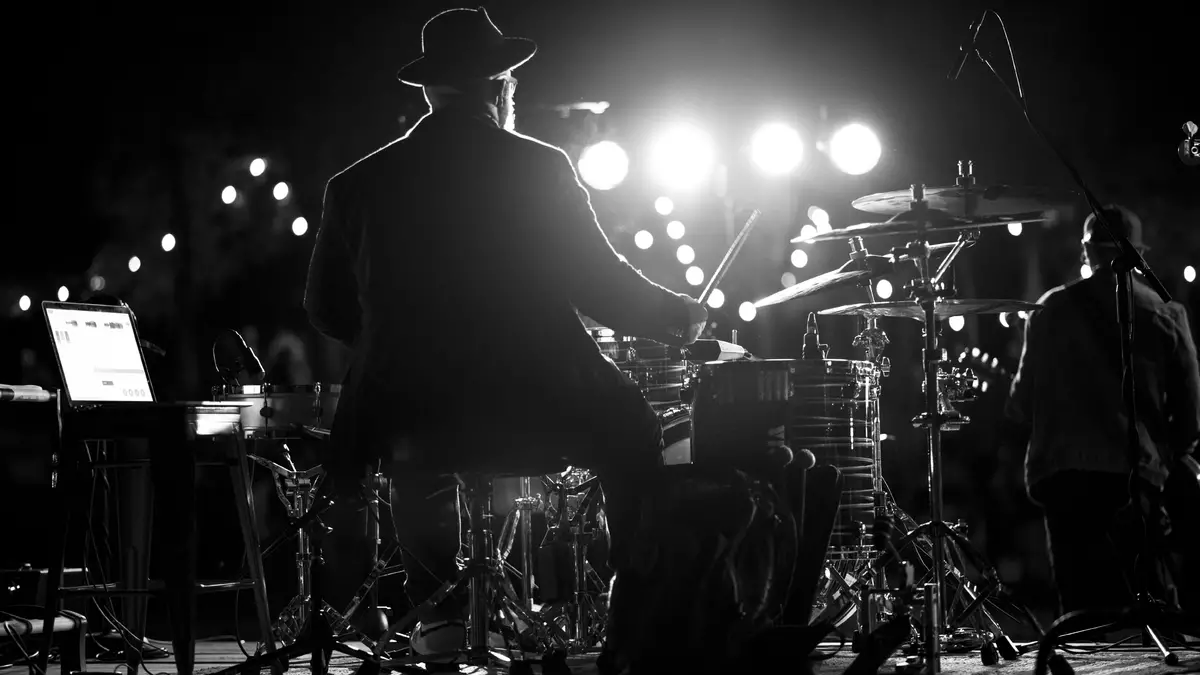
Sheryl Crow opens up a new era with tour, Rock Hall shine
Published on 06/01/2026 at 03:49 | Editorial responsibility: Rafael Müller, Editor-in-Chief AD HOC NEWS
Sheryl Crow is moving into a new chapter that feels less like a nostalgia lap and more like a hard-earned reset. In the span of a few months, the nine-time Grammy winner has released a new album, celebrated her induction into the Rock & Roll Hall of Fame, and ramped up a 2024–2025 tour that is bringing her catalog — and a batch of new songs — back in front of U.S. audiences who grew up with her on 1990s radio and MTV. According to Rolling Stone, Crow’s late-career surge is rooted in a renewed focus on songwriting and a refusal to simply trade on greatest-hits comfort, even as she leans into the fan favorites that made her a staple of adult rock radio in the first place. Per Billboard, her recent Rock Hall spotlight has translated into a noticeable streaming bump on classics like ‘All I Wanna Do’ and ‘If It Makes You Happy,’ giving this moment real commercial weight.
For U.S. listeners and concertgoers, that makes Crow’s current run more than a legacy victory lap; it is a chance to see how a veteran songwriter keeps evolving in public, revisiting old battles and finding new stories to tell from a life that has played out alongside massive shifts in rock, pop, and country music.
Why Sheryl Crow is back in the spotlight right now
The “why now” of Sheryl Crow in 2026 starts with two overlapping storylines: her enshrinement as a rock institution and her decision not to quietly fade into that institution status. When the Rock & Roll Hall of Fame announced Crow as part of its 2023 class, it solidified what many U.S. fans already felt — that she had long since crossed the threshold from ‘90s hitmaker to canonized songwriter, joined in her induction year by artists like Missy Elliott and George Michael. As reported by The New York Times, Crow’s induction performance, which included high-wattage collaborations with peers and younger artists, doubled as an argument that her catalog still belongs on today’s festival and arena stages, not just classic-rock playlists.
Layered on top of that is her new studio work. Crow’s latest album, “Evolution,” arrived with a mix of reflective mid-tempo tracks and sharper-edged rock songs that push against the idea of aging gracefully in the background. According to Variety, Crow initially believed that her 2019 album “Threads” would be her last, but the turbulence of recent years — from political division to pandemic isolation — pulled her back into the writing room and ultimately into the studio. Per NPR Music, “Evolution” pairs the conversational hooks that defined her ‘90s output with a more weathered point of view, addressing anxiety, misinformation, and climate dread without surrendering the tuneful ease that made her a pop radio fixture.
As of June 1, 2026, this combination of new music, Rock Hall prestige, and a strengthening live schedule is what has Crow back on U.S. Google Discover feeds and in concert listings from amphitheaters to major festivals. For fans and casual listeners encountering her name again on an Android home screen, the current story is not just that Sheryl Crow is back — it is that she quietly refused to leave.
The new album era: how “Evolution” reframes Sheryl Crow’s story
While Sheryl Crow’s early hits were often tagged as breezy or laid-back, her recent work has leaned into tension and uncertainty, capturing the disorientation of midlife in a fragmented American culture. “Evolution” sits at the center of that shift. According to Rolling Stone, the album was recorded largely at her home studio in Nashville, continuing a long-running pattern of Crow maintaining tight creative control while inviting in select collaborators for texture rather than direction. Per Billboard, its lead tracks — blending roots-rock guitars, subtle electronic flourishes, and layered harmonies — underscore her continued ability to bridge adult contemporary radio and AAA (Adult Album Alternative) formats without chasing trends.
What makes “Evolution” especially relevant in the current U.S. context is its lyrical outlook. NPR Music notes that Crow uses her songs to process information overload, online rage, and a constant sense of instability, themes that resonate with listeners who grew into adulthood alongside her 1990s heyday and are now navigating mortgage payments, aging parents, and climate anxiety. In interviews cited by Variety, Crow has talked about writing from a place of both fear and stubborn optimism, insisting that music remains one of the few shared spaces where nuance still feels possible.
In that light, “Evolution” reads less like a “comeback record” and more like a mid-career manifesto. The title track reportedly grapples with the question of whether humans can adapt quickly enough — socially, politically, emotionally — to the rapid pace of technological and environmental change. Elsewhere, she revisits themes that have long run through her catalog: the corrosive effects of fame, the appeal and hollowness of consumer culture, and the search for quiet amid constant noise. The difference in 2026 is that these ideas now arrive from a songwriter who has spent three decades absorbing the consequences of the choices she wrote about in her 20s and 30s.
U.S. rock and pop fans who approach the album via streaming services might also notice how naturally its tracks sit next to younger artists in algorithmic playlists. According to data reported by Billboard, Crow’s streaming audience has skewed slightly younger since her Rock Hall induction, with listeners in their late 20s and early 30s discovering her catalog through editorial rock and Americana playlists that fold “Evolution” songs in alongside artists like Brandi Carlile and Maggie Rogers. This cross-generational resonance is exactly the sort of engagement that Google Discover tends to amplify — a legacy artist actively in conversation with emerging voices, not simply replaying the past.
Rock Hall validation and what it means for a 1990s hitmaker
Crow’s induction into the Rock & Roll Hall of Fame might look, at a glance, like a standard-issue career capstone. For a U.S. audience steeped in Rock Hall debates about which pop and country acts “count,” however, her enshrinement signals something broader about how the canon is changing. The Rock Hall ceremony, held in Cleveland and broadcast nationally, framed Crow as part of a generation that blurred the lines among rock, pop, country, and folk in ways that program directors and marketers initially resisted. According to The Washington Post, the induction package highlighted how songs like “All I Wanna Do” and “Strong Enough” cut across radio formats, landing on adult contemporary, pop, and country charts without losing their core identity.
Per Variety, Crow used her Rock Hall speech to push back against narrow genre categories, describing her own path from a Missouri elementary school to Michael Jackson’s touring band to early-‘90s Los Angeles sessions as proof that American rock culture has always been more hybrid than purists want to admit. She also made a point of thanking women songwriters who did not receive the same level of industry support, name-checking influences and peers who worked the margins of alt-rock, Nashville, and Lilith Fair-era touring circuits.
The induction has immediate practical effects. As of June 1, 2026, Crow’s catalog has enjoyed a continuing uptick in streams and catalog sales since the ceremony, with Luminate data cited by Billboard indicating double-digit percentage gains for her 1993 debut “Tuesday Night Music Club” and its multi-platinum follow-up. For American listeners using streaming platforms as de facto classic-rock radio, that means Sheryl Crow’s 1990s output is increasingly likely to surface in algorithm-driven mixes, further reinforcing her status as a core artist of that decade’s rock and pop landscape.
In a U.S. media environment where legacy acts often re-enter the discourse via biopics or viral TikTok trends, Crow’s Rock Hall moment stands out because it hinges on craft and longevity rather than spectacle. The conversation, led by critics at Rolling Stone and NPR, has largely focused on her songwriting, her adaptability, and her role in clearing space for women who wanted to straddle mainstream pop success and alt-rock credibility. That framing helps explain why her current tour and album cycle feel like a continuation of the story instead of a nostalgia-driven epilogue.
Touring the United States: where Sheryl Crow is playing next
For many U.S. fans, the most concrete sign of Sheryl Crow’s renewed momentum is her tour schedule. As of June 1, 2026, she continues to book a mix of standalone dates and high-profile festival appearances across the United States, balancing full-band amphitheater shows with more curated evenings at theaters and boutique events. According to Billboard’s touring coverage, Crow has been a steady presence at major festivals like Bonnaroo and Austin City Limits over the past decade, often slotted into late-afternoon sets that bridge classic-rock audiences and younger indie-leaning crowds. Per Pollstar, her current routing includes a combination of co-headlining bills and special-guest appearances, leveraging her deep catalog while giving her room to spotlight the new material.
Ticket availability and specific dates naturally shift as new shows are added and others sell out. As of June 1, 2026, U.S. fans can find the most up-to-date information, including city-by-city dates and venue details, on Sheryl Crow’s official website, which also aggregates ticket links and VIP package options in partnership with major promoters like Live Nation Entertainment and AEG Presents. In recent years, she has favored venues that emphasize good sightlines and sound — from storied rooms like the Hollywood Bowl and Red Rocks Amphitheatre to well-tuned amphitheaters and midsize arenas in secondary markets.
For American concertgoers weighing whether to catch Crow this cycle, the typical set list offers a clear snapshot of her priorities. According to recent tour reports cited by Variety and local U.S. newspapers, her shows tend to open with one of the sharper, guitar-forward songs from the new album before pivoting into a run of hits from “Tuesday Night Music Club” and her self-titled 1996 album. Fan favorites like “If It Makes You Happy,” “Everyday Is a Winding Road,” and “My Favorite Mistake” are near-locks, but she regularly rotates in deeper cuts and covers that nod to her roots in classic rock and soul.
Crucially for Google Discover users scanning on their phones, the tour underscores how Crow is trying to keep her story moving. This is not a greatest-hits package frozen in amber; it is a living retrospective that folds new songs into the narrative. That dynamic is part of why American press reviews have leaned positive. The Los Angeles Times, for instance, praised her ability to make decades-old songs feel newly urgent in light of today’s political and cultural climate, pointing to subtly tweaked arrangements and introductions that frame hits as commentaries on burnout, media overload, and the search for community.
From ‘All I Wanna Do’ to now: Sheryl Crow’s place in U.S. rock and pop
To understand why Sheryl Crow’s 2026 activity matters to U.S. music culture, it helps to revisit the arc of her career. Crow broke through in the early 1990s with “Tuesday Night Music Club,” an album that, according to Rolling Stone, took shape through loose, collaborative sessions that blurred the lines between alt-rock, roots, and radio pop. “All I Wanna Do” became her signature hit, topping airplay charts and winning Grammys for Record of the Year and Best Female Pop Vocal Performance, while the broader album established her as a songwriter with a dry wit and a knack for turning everyday observation into indelible hooks.
Per The New York Times, Crow’s follow-up albums solidified that reputation while shifting her sound. Her 1996 self-titled record leaned into tougher guitar textures and darker subject matter, while 1998’s “The Globe Sessions” wove in more introspective, sometimes bruised songwriting that reflected both personal upheavals and late-‘90s cultural anxiety. By the early 2000s, she had become a reliable presence on U.S. radio, soundtracking everything from coffeehouse playlists to stadium tailgates, even as her albums experimented with subtler production choices and occasional forays into country-rock crossover.
What separates Crow from some of her 1990s peers is the longevity of that relevance. According to NPR Music, her songs have never fully disappeared from American cultural life; they appear in film and TV placements, get rediscovered by new generations of listeners, and show up in the repertoires of younger artists who cite her as a model for balancing mainstream success and personal voice. That through-line is why her Rock Hall induction and current tour resonate as more than a final bow. She is an example of how a once-ubiquitous radio artist can age into a respected elder without losing curiosity or edge.
In 2026, U.S. fans encounter Sheryl Crow in multiple overlapping contexts: as a streaming-era catalog staple, a Rock Hall nameplate, a festival draw, and a working songwriter still testing new material in front of live audiences. That multifaceted presence plays particularly well on mobile discovery surfaces, which reward artists whose stories can be told through both archival highlights and up-to-the-minute updates.
How Sheryl Crow navigates genre lines in today’s music economy
One of the most striking aspects of Sheryl Crow’s current moment is how easily she moves among genres that once sat in distinct radio silos. In the ‘90s, U.S. programmers treated rock, pop, and country as largely separate lanes, with occasional crossover novelty hits. Crow, however, approached those boundaries more like suggestions. According to Billboard, she charted across pop, adult contemporary, and country formats over the course of her career, collaborating with Nashville artists and covering classic country songs while maintaining a core identity rooted in rock and Americana.
Today, that genre fluidity looks prescient. Younger U.S. listeners — especially those who live inside streaming playlists — are comfortable hearing Crow next to artists who defy strict labeling, from Kacey Musgraves to Haim. NPR Music has highlighted how Crow’s blend of confessional songwriting, hooky choruses, and organic instrumentation paved the way for a generation of women who wanted to straddle country, rock, and pop without being reduced to just one of those categories. Her appearances at festivals like Bonnaroo and Outside Lands underline that role, positioning her as a bridge between legacy rock acts and newer, more hybrid performers.
As of June 1, 2026, that cross-genre adaptability also helps Crow remain relevant in a streaming environment that rewards catalog depth and playlist compatibility. When fans tap into curated lists under banners like “Feel-Good ‘90s,” “Women of Rock,” or “Americana Now,” Crow reliably shows up, reinforcing her presence even when she is not releasing new material. The difference today is that she has fresh songs ready when listeners click through to explore more, which in turn feeds the algorithmic loops that power both streaming platforms and mobile news discovery feeds.
For an American artist whose breakthrough hinged on terrestrial radio, that is an impressive pivot. It suggests that Crow’s core skill — writing songs that feel conversational yet musically sturdy — translates across formats and generations. It also points to why U.S. critics continue to invest serious attention in her new work instead of treating it as a footnote to her 1990s dominance.
Sheryl Crow in the broader 2026 U.S. music conversation
Situating Sheryl Crow within the current U.S. rock and pop landscape requires zooming out beyond her own catalog. The year 2026 finds American music culture in a reflective mood, with multiple 1990s and 2000s acts embarking on reunion tours, anniversary reissues, and farewell treks. Against that backdrop, Crow’s activity looks less like a nostalgia cash-in and more like a case study in sustainable longevity. According to Variety, she has been selective about brand partnerships, reunion packages, and commemorative projects, choosing opportunities that align with her environmental activism and long-standing interest in education and gun control issues.
That civic engagement gives her a slightly different profile than some of her peers. Per The Washington Post, Crow has not shied away from addressing political topics onstage and in interviews, though she typically does so with a conversational tone that invites participation rather than simply broadcasting a stance. In an era when many artists are wary of alienating segments of their U.S. audience, her willingness to foreground values has arguably strengthened her bond with fans who see her as a trustworthy narrator of the times.
At the same time, Crow’s current run intersects with broader shifts in how American listeners engage with rock and pop history. Biopics, streaming-era rediscoveries, and TikTok trends frequently elevate older songs into new cultural prominence. While Crow has not (yet) been the subject of a major scripted biopic or viral dance trend, her music nonetheless rides the same waves of rediscovery, often through quieter mechanisms. According to Rolling Stone, sync placements in prestige TV shows and documentaries have introduced songs like “Strong Enough” and “Home” to younger demographics, sparking fresh interest that leads back to her albums and, ultimately, to ticket sales when she tours nearby.
That feedback loop between media, streaming, and live performance is where Sheryl Crow’s 2026 story ultimately lands for U.S. readers. She is an artist whose past is well established but whose present remains actively in motion, a combination that makes her a natural fit for ongoing coverage and for curious fans looking to connect the music they grew up with to the lives they are living now.
FAQs: Sheryl Crow’s current era, explained
What is Sheryl Crow doing in 2026 that makes her newsworthy again?
In 2026, Sheryl Crow is balancing several high-profile developments at once. She has recently released a new studio album that grapples with present-day anxieties, deepened by decades of experience. She has also capitalized on the visibility of her Rock & Roll Hall of Fame induction, using the attention not only to celebrate her back catalog but to foreground new songs and ongoing activism. According to Rolling Stone and Variety, her interviews around the album and the Rock Hall have emphasized themes of resilience, community, and skepticism about the pace of technological change, which resonate across the current American political and cultural climate.
From a news standpoint, that cluster of activity — new music, institutional recognition, and active touring — makes Crow a continuing presence rather than a one-off trending topic. For U.S. readers scanning music headlines on their phones, she represents a version of rock adulthood that is rare in a culture obsessed with either fresh debuts or farewell tours.
How can U.S. fans see Sheryl Crow live, and what should they expect?
As of June 1, 2026, Sheryl Crow’s U.S. touring schedule includes a mix of festival slots, co-headlining bills, and standalone shows in theaters, amphitheaters, and select arenas. Ticketing is typically handled via major promoters like Live Nation Entertainment and AEG Presents, with some dates co-presented by regional independents aligned with the National Independent Venue Association. Per Pollstar, Crow’s recent tours have prioritized markets with strong adult-rock radio support, but she also hits key destination venues like Red Rocks Amphitheatre and the Hollywood Bowl when routing allows.
Fans attending these shows can expect a set that weaves new material into a backbone of hits, presented with a tight but relaxed band dynamic that reflects decades on the road. Concert reviews in U.S. outlets such as the Los Angeles Times and local alt-weeklies consistently highlight Crow’s rapport with the crowd, her willingness to share stories behind the songs, and her ability to update arrangements in ways that keep them fresh without undermining the original hooks. For the latest tour information — including any newly announced dates and ticket details — fans can consult Sheryl Crow’s official tour page, which aggregates current routing and on-sale information in one place.
Why does Sheryl Crow still matter to younger U.S. listeners?
Sheryl Crow’s enduring relevance among younger American listeners stems from a combination of songcraft, playlist presence, and alignment with broader shifts in genre expectations. Many of her ‘90s and 2000s tracks function as gateway songs that connect classic rock, alt-country, and modern indie-pop sensibilities, making them easy fits on cross-generational playlists. According to Billboard and NPR Music, her catalog has become a staple of streaming lists built around themes like road trips, women in rock, and ‘90s throwbacks, which often serve as entry points for listeners who were not yet born when those songs first climbed the charts.
Beyond the music itself, Crow’s public persona — environmentally minded, politically engaged, yet grounded and self-deprecating — aligns with values that resonate among younger U.S. audiences. In interviews cited by Variety, she has spoken candidly about mental health, industry sexism, and the challenges of raising children in a digital world, topics that give her music added weight when new listeners dig into the lyrics. This combination of relatability and veteran perspective helps explain why her songs retain cultural traction even as the industry’s center of gravity shifts toward new genres and platforms.
For readers who want to dive deeper into ongoing coverage, tour updates, and chart context related to Sheryl Crow, more Sheryl Crow coverage on AD HOC NEWS is available through our internal search portal.
Across all of these threads, Sheryl Crow’s current moment in the United States illustrates what it looks like when a 1990s breakout star refuses to reduce her story to nostalgia. With a Rock Hall plaque in hand, a new album in circulation, and a tour that invites multiple generations into the same shared space, she stands as a reminder that rock and pop careers can evolve rather than simply end.
By the AD HOC NEWS Music Desk » Rock and pop coverage — The AD HOC NEWS Music Desk, with AI-assisted research support, reports daily on albums, tours, charts, and scene developments across the United States and internationally.
Published: June 1, 2026 · Last reviewed: June 1, 2026
Share this story
If this deep dive into Sheryl Crow’s current era resonated with you, consider sharing it with fellow fans who remember discovering her through ‘90s radio, or with younger listeners just now finding their way into her catalog. Every share helps keep nuanced coverage of rock and pop history — and its ongoing evolution — visible in today’s crowded U.S. media landscape.
Disclaimer regarding our articles: No investment advice, no buy or sell recommendation. Information on prices, companies, and markets is provided without guarantee; changes are possible at any time. Stock market transactions can lead to substantial losses. Our articles are created and reviewed in whole or in part automatically with the support of AI.