Sex Pistols: Why Everyone’s Talking About Them Again
02.03.2026 - 20:45:12 | ad-hoc-news.de
If your feed suddenly feels a bit more safety-pinned than usual, you’re not imagining it. Sex Pistols are back in the conversation in a big way – from reunion whispers to TikTok deep-dives, Gen Z and Millennials are arguing over one question: what does punk rebellion look like in 2026, and do the Pistols still own that crown?
Check the official Sex Pistols site for any fresh announcements
Whether you first heard them on a scratched-up vinyl of Never Mind the Bollocks or through a Netflix doc recommendation, this latest wave of buzz has everyone asking the same thing: is this just nostalgia, or is something real about to happen – shows, new music, or at least one more chaotic televised moment?
The Backstory: Breaking News in Detail
Here’s what’s actually driving the current spike in hype: a mix of real moves from the band’s camp, media nostalgia cycles, and fans refusing to let the story end.
Over the last few years, the Sex Pistols brand has quietly shifted from pure myth to active legacy project. There’s been the Danny Boyle TV series Pistol, deluxe reissues of Never Mind the Bollocks, box sets, and endless think pieces about how a band with one studio album managed to rewrite rock history. Every time a new doc, podcast, or anniversary reissue lands, it restarts the debate: were they a manufactured scandal, or the rawest thing British music ever spat out?
In late 2020s coverage, the tension between the members has stayed very loud. John Lydon (Johnny Rotten) publicly clashed with Steve Jones and Paul Cook over the use of Pistols music in the Pistol series. While that legal drama made headlines, it also reminded people around the world that the band still matters enough to fight over. The court allowed the music, the show dropped, and suddenly a whole new generation discovered “Anarchy in the U.K.” from their streaming queue instead of a dusty record crate.
Now in 2026, the conversation has shifted again. Fans are connecting the dots between anniversary dates, catalog activity, and random interview comments. Every time a member hints that they "wouldn’t rule anything out" regarding future performances, social media detonates. Even without an officially announced 2026 tour, US and UK fans are already gaming out venues – from tiny punk clubs in London’s Camden to iconic US halls like New York’s Bowery Ballroom or LA’s Palladium – that would explode if the Pistols walked onstage.
Music media keeps feeding the cycle. Magazines and online outlets still line up to ask the same questions: would the Sex Pistols play again under the original name? Would Lydon join? Do the remaining members even need him to celebrate the songs live? And underneath all of it is a very 2026 tension: can a band built on tearing down the system still feel dangerous in a world where their logo shows up on fast fashion T-shirts?
For fans, the implication is simple but emotional: if anything real happens – a handful of reunion shows, a surprise festival closer, even a one-off TV performance – it might be the last chance to hear these songs played by the people who originally weaponized them. That sense of "maybe one last swing" is exactly why searches for Sex Pistols are spiking again and why people are refreshing the official site and local venue pages like it’s 1977 in browser form.
The Setlist & Show: What to Expect
So if Sex Pistols hit the stage in 2026 – whether as a full original-unit miracle or a partial line-up celebrating the catalog – what would the show actually look and feel like?
First, the songs basically write the setlist themselves. The 2000s reunion runs and the mid-2000s shows leaned hard on the core Never Mind the Bollocks tracklist:
- Anarchy in the U.K.
- God Save the Queen
- Pretty Vacant
- Holidays in the Sun
- Bodies
- No Feelings
- New York
- EMI
- Liar
- Problems
- Submission
- Seventeen
Expect those to be non-negotiable centerpieces. Past shows also tapped early singles and covers that defined the myth: “No Fun” (their take on The Stooges), “Did You No Wrong,” and “Substitute.” Fans online are already swapping dream setlists that punch in deep cuts like “Satellite” or slot in “I Wanna Be Me” as an encore grenade.
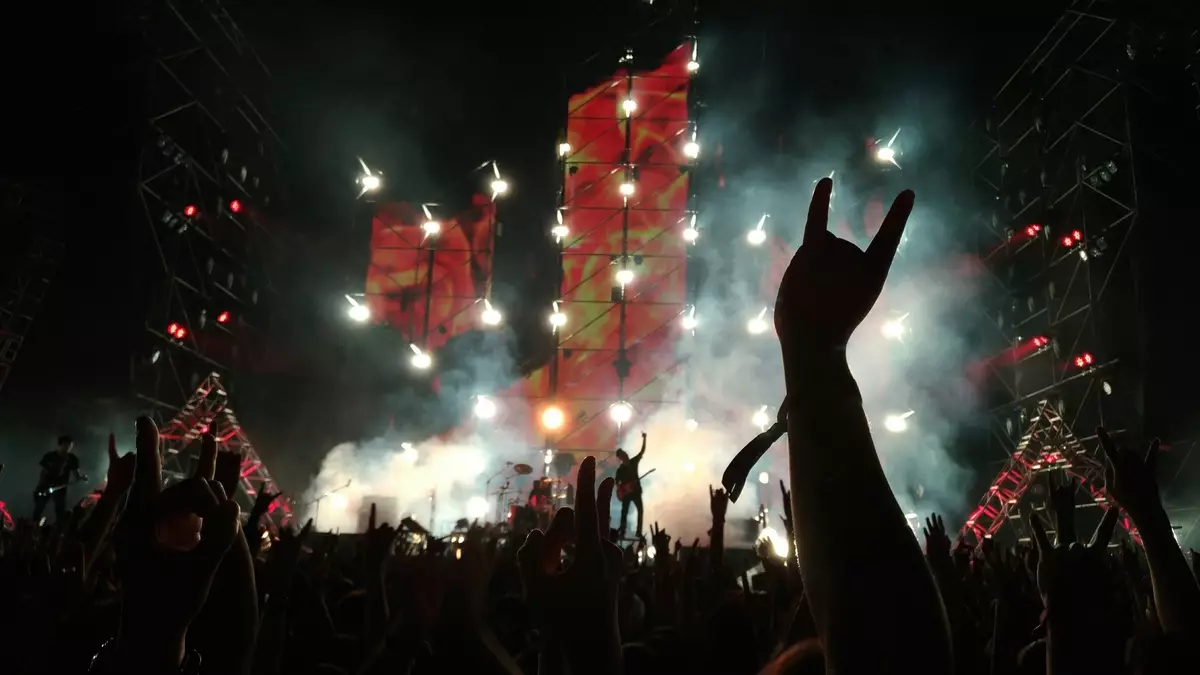
The atmosphere? Think less arena-polished and more controlled detonation. Even in later reunion eras, fans reported shows that felt rowdy but strangely tight – the chaos of the ’70s filtered through decades of experience. Pits formed, but security was tougher. Middle-aged punks stood shoulder to shoulder with teenagers who’d discovered the band via playlists and punk-history TikToks.
On TikTok, you’ll find imagined POV clips: "First time hearing ‘Pretty Vacant’ live" style edits. They usually describe the exact same moment – that drum and guitar punch-in before the chorus and the whole room shouting "Vaaaaa-cant" like a football chant gone feral. That’s the energy people are hoping for: a mass sing-along that still feels like it could break something.
If they lean into the storytelling side, there’s room in the set for Lydon (if involved) or Jones to drop acidic commentary between songs – why “God Save the Queen” still bites in an era of royal gossip and relentless news cycles, or how “EMI” aged into a meme about every streaming-era contract. Fans also want to hear them frame “Bodies,” a track that was always controversial, in a modern context where lyrics get re-examined under a much sharper lens. TikTok discourse already does this daily; a live show could turn those arguments into real-time crowd reactions.
Production-wise, no one expects fireworks and drones. The fantasy is bare stage, loud amps, maybe projected archive footage or old tabloid headlines behind them. A lot of fans on Reddit say that if this does happen, they’d actually prefer smaller venues and a few festival slots over a huge arena run – not just for bragging rights, but because punk in a 20,000 seat arena always risks feeling like a museum piece.
So the unofficial setlist expectation if 2026 shows materialize? Open with "Holidays in the Sun" or "Pretty Vacant" to light the fuse, keep the mid-section mean and relentless with "Bodies," "No Feelings" and "Problems," then close the main set with "Anarchy in the U.K." and "God Save the Queen" while every phone in the room goes up despite what the band thinks about phones. Encores would likely throw in “EMI,” a cover like “No Fun,” and one last thrash through “Submission” or “Seventeen.”
What the web is saying:
Rumor Mill: What Fans Are Speculating
On Reddit, Discord servers and TikTok, Sex Pistols chat in 2026 is split into three main rumor lanes: reunion logistics, ticket drama, and "how punk is too corporate now?" debates.
1. Will there actually be a reunion – and who’s in it?
Fans on r/punk and r/music are still arguing about whether any Sex Pistols activity without the full original line-up counts. Some point to previous reunion tours where the classic four played together as proof that it’s all or nothing. Others say that if Paul Cook and Steve Jones want to play Pistols songs live with a different vocalist, they’d still show up for the riffs – especially if venues are smaller and tickets aren’t priced like a heritage rock nostalgia act.
People also obsess over tiny interview quotes. A throwaway "We’re always talking" from one member gets screencapped and reposted as proof that a 2026 show is secretly booked. Any photo of two ex-members in the same room instantly spawns comments like, "They’re absolutely plotting a festival slot, look at their faces." It’s part detective work, part wishful thinking.
2. Ticket price rage before tickets even exist
Even without official dates, Reddit threads already pre-emptively drag potential ticket prices. The fear is that a band built on sneering at the system will end up headlining major festivals with dynamic pricing, VIP pits and $50 parking. A common sentiment: "If I have to sell a kidney to scream ‘No future’ from the nosebleeds, something’s wrong."
Expect, if shows are announced in US or UK arenas, instant discourse about pricing tiers. Fans are calling for any future Pistols gigs to prioritize flat, affordable pricing and at least one under-18–friendly option, arguing that real punk means letting young fans in without parental credit cards deciding everything.
3. Can Sex Pistols still be dangerous in 2026?
On TikTok, creators stitch old TV clips of the band swearing and baiting presenters with questions like: "Would this even shock anyone now?" Younger fans point out that artists swear on live TV, challenge institutions, and call out politicians daily on social media. Others argue the Pistols weren’t just about shock – they crystallized frustration in a specific British moment, something that still resonates in today’s economic mess and social anxiety.
There are also fan theories about how a modern Pistols show could lean into that. Some dream up visuals full of current political headlines and social media screenshots, turning the stage into a screaming doomscroll. Others say it should be the opposite – no screens, no high-tech production, just instruments and volume, as a rejection of the hyper-streamed, hyper-tracked world we live in.
And then you have the softer rumor threads: people sharing stories from parents or older friends who saw them back in the day, plus fans planning tattoos, jackets, and outfits "in case" a date gets announced. The throughline across all platforms is the same: nobody’s neutral. Even people who hate the Sex Pistols have a take. And in the attention economy, that still counts as power.
Key Dates & Facts at a Glance
- Band formation: Sex Pistols formed in London in 1975, emerging from the city’s underground fashion and music scenes.
- Classic line-up: Johnny Rotten (John Lydon) – vocals; Steve Jones – guitar; Paul Cook – drums; Glen Matlock – bass (later replaced by Sid Vicious).
- Debut single: "Anarchy in the U.K." released in 1976, becoming one of punk’s defining anthems.
- Only studio album: Never Mind the Bollocks, Here’s the Sex Pistols released in 1977 – widely considered one of the most important rock albums of all time.
- Controversial single: "God Save the Queen" released in 1977 during the Silver Jubilee; it was banned by many broadcasters and sparked huge media outrage.
- US tour meltdown: The band’s chaotic 1978 US tour, especially the Southern dates, helped push them to a temporary split.
- Sid Vicious era: Sid replaced Glen Matlock on bass in 1977; Sid’s brief, destructive time in the band became a core part of the Pistols myth.
- Breakup: The original run effectively ended in 1978 after a disastrous show in San Francisco.
- Reunions: Major reunion runs happened in the 1990s and 2000s, including the 1996 "Filthy Lucre" tour and later festival appearances.
- Iconic songs you’ll always see in setlists: "Anarchy in the U.K.", "God Save the Queen", "Pretty Vacant", "Holidays in the Sun", "EMI".
- Cultural impact: Their imagery – safety pins, torn clothes, ransom-note typography – still defines mainstream "punk" aesthetics worldwide.
- Streaming era: In the 2020s, the band routinely resurged on streaming charts after anniversaries, documentaries, and syncs in film/TV.
- Official hub: The band’s official website, sexpistolsofficial.com, serves as the primary source for catalog info, official merch, and any future announcements.
FAQ: Everything You Need to Know About Sex Pistols
Who are the Sex Pistols and why are they still a big deal?
Sex Pistols are a London-born punk band often credited with flipping rock music on its head in the late ’70s. They didn’t invent every sound or attitude in punk, but they detonated it into the mainstream. With one studio album, some notorious TV appearances, and a storm of tabloid outrage, they turned bored, angry youth into a global headline. They’re still a big deal because so much of today’s music – from DIY indie bands to pop stars who weaponize controversy – moves in a world they helped shape. When you see ripped denim and safety pins in fast fashion, or hear a new artist sneering about institutions, you’re seeing echoes of what the Pistols made dangerous first.
What is their main album, and do I actually need to hear the whole thing?
The core document is Never Mind the Bollocks, Here’s the Sex Pistols, released in 1977. Yes, you absolutely should hear it front to back at least once. Even if you think you "know" the band from just "Anarchy in the U.K." and "God Save the Queen," the album works as a sustained barrage rather than just a collection of singles. Tracks like "Bodies" and "Problems" hit harder in context, and the pacing – from the stomp of "Holidays in the Sun" to the sneer of "Pretty Vacant" – still feels surprisingly modern. A lot of current rock and punk records, from UK post-punk revival bands to US hardcore acts, are essentially arguing with or responding to this one album’s energy.
Are Sex Pistols touring in 2026?
As of now, there’s no officially confirmed 2026 tour or specific dates on the books. What exists instead is an intense appetite for something to happen: fans watching anniversaries, reading between the lines of interviews, and combing the official channels for clues. Any time a big UK or US festival leaves a suspicious headliner-sized gap, social media theories explode. If you want real confirmation, the only credible future info will land via official announcements – so your safest bet is keeping an eye on sexpistolsofficial.com and the band members’ verified channels rather than unverified “leaks.” Until then, everything else is speculation, however fun it is to read.
How do younger fans usually get into Sex Pistols in 2026?
It’s rarely through the exact same path their original fans took. For a lot of Gen Z listeners, the journey starts with:
- Streaming playlists – algorithmically built "punk classics" or "UK alternative" playlists often slot "Anarchy in the U.K." or "Pretty Vacant" next to newer bands.
- Film & TV syncs – a Pistols track blasting under a chaotic montage in a show or film can send Shazam and search traffic spiking.
- Documentaries and biopics – the Pistol TV series and countless punk-history docs nudge curious viewers into listening properly.
- Social media aesthetics – TikTok and Instagram fashion content that leans into vintage punk visuals often tags Sex Pistols even when the soundtrack is something else, making curious users dig back to the source.
Once listeners lock in, many go from the album straight into books, interviews, and live footage compilations on YouTube. For a sizeable subculture, learning the history is part of the fandom.
What makes a Sex Pistols show different from a typical rock nostalgia gig?
At their best, Pistols shows don’t play like glossy victory laps. Even in later reunion tours, fan reviews often described a kind of friction in the air – you could feel that this wasn’t a band built for polite applause. The songs are short, loud and blunt. There’s very little sentimental between-song banter. The catalog isn’t massive, so you don’t sit through deep cuts while waiting for one hit; it’s basically all impact, all the time. Also, because the band has always been surrounded by arguments – about authenticity, politics, and who "owns" punk – a gig feels like stepping inside that argument with hundreds or thousands of other people. It’s theatrical, but messy, which is exactly what many fans want.
Why is there so much drama around the band members these days?
Some of it is just time catching up; decades have passed, and everyone’s version of history is a bit different. Lawsuits and public fallouts over how the band’s name, music, and story are used have spilled into public view. When projects like the Pistol series use the songs and image, old fault lines reopen. Fans pick sides, discuss who’s being disrespected, and question who should control the narrative. This is common with legendary bands, but with Sex Pistols it feels especially intense because they built their identity on questioning authority and control in the first place. That tension – the rebels arguing about rights and representation – is part of why people still click on every new headline about them.
Is it "real" punk to like Sex Pistols now that they’re iconic?
This is a constant online argument, and the honest answer is: gatekeeping won’t stop anyone from screaming the choruses. Some purists say "real" punk means digging deeper into underground bands and scenes, and they’re right that there’s a whole world beyond the Pistols. But dismissing them outright ignores how many doors they kicked open. For a lot of fans, Sex Pistols are the entry point – the loud, messy first step that leads to discovering everything from hardcore to post-punk to DIY scenes in their own towns. In 2026, "punk" is as much about how you move through the world – questioning systems, backing your community, supporting smaller acts – as it is about owning the "right" records. Liking Sex Pistols doesn’t cancel that; it just means you’re plugged into one of the loudest origin stories.
Where should you start if you want to go deeper than the hits?
After Never Mind the Bollocks, dive into the non-album singles and live recordings. Tracks like "I Wanna Be Me," "No Fun" and "Did You No Wrong" flesh out the picture of the band as a live, volatile unit rather than just a studio product. Then, branch out sideways: check bands that came just before or alongside them in the UK and US, and newer acts clearly inspired by them. Follow the trail of influence forward rather than stopping in the ’70s. That’s how the music stops being a museum piece and starts feeling like part of your current playlist, not your parents’.
Bottom line: whether or not 2026 gives you an actual Sex Pistols show to scream at, the reason they’re all over your feed again is simple. People still care about what rebellion sounds like, looks like, and costs – and the Pistols are one of the loudest arguments that question ever got.
So schätzen die Börsenprofis Aktien ein!

Für. Immer. Kostenlos.