Sartorius stock trades below recent highs as laboratory supplier leans on bioprocess growth
Published on 07/19/2026 at 17:36 | Editorial responsibility: Rafael Müller, Editor-in-Chief AD HOC NEWS
Sartorius stock, tied to the German life science and laboratory supplier Sartorius AG (ISIN DE0006292006), has been trading below its recent peak levels in 2026 as the company navigates a normalization in demand after the pandemic-driven boom in bioprocess equipment and consumables. Over the past twelve months, the shares have oscillated within a wide range as investors reassessed growth expectations, margins, and balance-sheet strength, with particular attention to the companys bioprocess segment and its exposure to biotechnology and pharmaceutical customers.
Revenue up 15 percent
In the latest reported full fiscal year, Sartorius delivered solid top-line growth despite a more challenging ordering environment. According to the companys most recent annual report for fiscal 2025, group revenue rose around 15 percent year on year to roughly EUR 4.0 billion, compared with about EUR 3.5 billion in fiscal 2024. This expansion reflected the continued structural demand for bioprocessing technologies used to manufacture biologics, vaccines, and advanced therapies, even as some customers adjusted inventory levels after the exceptional pandemic years.
The revenue growth was not evenly distributed across Sartorius key divisions. The Bioprocess Solutions segment, which provides equipment, single-use systems, and consumables for biopharmaceutical manufacturing processes, accounted for the majority of the revenue increase. In fiscal 2025, this division generated an estimated EUR 2.8 billion in revenue, up from around EUR 2.4 billion in fiscal 2024, corresponding to a growth rate of roughly 17 percent year on year. In contrast, the Lab Products & Services segment, focused on laboratory instruments and consumables, saw more modest expansion to about EUR 1.2 billion from approximately EUR 1.1 billion, representing around 9 percent growth, reflecting softer capital spending by some research and academic customers.
For investors, the division mix matters because bioprocess solutions typically carry higher margins and more recurring revenue from consumables and single-use components, whereas laboratory equipment sales can be lumpier and more sensitive to funding cycles. The sustained double-digit growth in bioprocess solutions suggests that Sartorius remains well positioned to participate in long-term trends such as biologics, cell and gene therapies, and vaccine manufacturing, even though near-term order patterns can be influenced by destocking and project timing.
Operating margin and cash flow trends
Sartorius profitability metrics have been another focal point for market participants evaluating Sartorius stock. In fiscal 2025, the company reported an underlying EBITDA margin of around 29 percent, slightly below the approximately 30 percent recorded in fiscal 2024. The modest margin compression reflected a combination of higher operating costs, normalization of capacity utilization after the pandemic-related surge, and strategic investments in manufacturing sites and innovation. Nonetheless, an EBITDA margin in the high twenties to around 30 percent still places Sartorius among the more profitable equipment and consumables providers in the life science tools sector.
Net income also advanced in the most recent year, albeit at a slightly slower pace than revenue. Sartorius booked roughly EUR 620 million in net profit in fiscal 2025, up from about EUR 580 million in fiscal 2024, representing an increase of roughly 7 percent. The differential between revenue growth and profit growth highlights that the company is managing cost pressures and investment needs while trying to preserve margin resilience. Depreciation and amortization associated with prior capital expenditures and acquisitions, as well as interest expenses on debt, play a role in shaping bottom-line performance.
Free cash flow generation has become a more important metric as Sartorius balances growth investments with financial discipline. In fiscal 2025, the group generated an estimated EUR 450 million in free cash flow, an improvement from roughly EUR 380 million in fiscal 2024. This increase stemmed from higher operating cash flow coupled with slightly lower capital expenditure compared with the peak expansion phase during the pandemic uplift. A stronger cash position and healthy cash generation give Sartorius more flexibility to fund organic growth, pursue selective acquisitions, and maintain a sustainable dividend policy while keeping leverage at a manageable level.
From a balance-sheet perspective, Sartorius carries a meaningful but manageable level of net debt, stemming from past acquisitions and capacity expansions. The leverage ratio, measured as net debt to underlying EBITDA, stood at approximately 2.2 times at the end of fiscal 2025, down from around 2.5 times a year earlier. This gradual improvement indicates that the company is using operating earnings and cash flow to deleverage, which can reduce financial risk and potentially support credit metrics over time.
Key figures and investor materials on Sartorius
Investors who want to explore Sartorius reports, guidance, and presentations can find detailed financial information and strategic updates in the companys Investor Relations section.
Bioprocess order trends and guidance
Order intake, especially in Bioprocess Solutions, has been a critical indicator for assessing the trajectory of Sartorius business. After exceptionally strong ordering behavior in fiscal 2021 and fiscal 2022 driven by pandemic-related projects and capacity expansions, the company saw a normalization phase in subsequent years. In fiscal 2025, total order intake amounted to roughly EUR 3.9 billion, compared with about EUR 4.1 billion in fiscal 2024, pointing to a low single-digit decline of around 5 percent as customers adjusted inventory and phasing of new investments.
This order pattern signals that Sartorius is transitioning from a peak-demand period into a more balanced environment where structural growth is counterweighted by near-term destocking and cautious spending in some biopharmaceutical segments. For bioprocess solutions specifically, order intake was around EUR 2.7 billion in fiscal 2025, down from approximately EUR 2.9 billion a year earlier, while laboratory products orders remained relatively stable at about EUR 1.2 billion. The fact that revenue still grew in this context indicates that the company worked through backlog and maintained high delivery volumes even as new orders normalized.
Looking ahead, Sartorius has communicated medium-term ambitions anchored in both organic growth and portfolio expansion. The company has historically targeted mid-teens percentage revenue growth over the cycle, supported by secular trends in biologics and the increasing adoption of single-use bioprocess technologies. While the latest guidance for fiscal 2026 is more cautious, with management signaling high single-digit to low double-digit revenue growth amid the normalization, the long-term outlook still relies on structural drivers such as an expanding pipeline of complex biologics and cell-based therapies.
Profitability guidance also reflects a balance between investment needs and margin discipline. The company aims to sustain an underlying EBITDA margin in the high twenties to around 30 percent over the medium term, assuming a gradual recovery in order momentum and continued efficiency gains. In the near term, margin outcomes will depend on the pace at which volume growth resumes and on the success of measures to optimize manufacturing networks, supply chains, and product mix toward higher-margin consumables and solutions.
For Sartorius stock, the interplay between order trends, guidance, and margin expectations is central to valuation. Investors who follow life science tools and bioprocess names often compare Sartorius revenue growth and margins with those of global peers, including US and European suppliers of bioprocess equipment and consumables. Sartorius relatively high margin profile and strong positioning in single-use technologies can support a premium valuation, but periods of order softness and slower growth can also lead to multiple compression and increased share-price volatility.
Laboratory products and digital solutions
Beyond bioprocess solutions, Sartorius laboratory products and services segment contributes a meaningful portion of revenue and provides strategic exposure to customers in research, quality control, and academic laboratories. The segment includes instruments such as balances, pipettes, filtration devices, and cell culture tools, alongside consumables and software solutions that help scientists perform measurements and workflows efficiently and reproducibly.
In fiscal 2025, the lab products segment generated approximately EUR 1.2 billion in revenue, as noted earlier, and represented around 30 percent of total group sales. The growth rate of about 9 percent compared with the prior year came despite a more subdued environment for capital spending in some regions, as end customers faced budget constraints or reprioritized investments. Consumables and recurring revenue contributed to resilience, and Sartorius worked on expanding its portfolio with new products and digital offerings designed to integrate laboratory workflows more seamlessly.
Digitalization initiatives, including data management, connectivity, and software tools, play a growing role in Sartorius strategy. While precise revenue figures allocated to digital products are less visible than segment totals, management has emphasized that integrating instruments with software platforms can enhance customer stickiness and open new revenue streams over time. By offering solutions that link laboratory devices, capture data in standardized formats, and support regulatory compliance, Sartorius aims to differentiate itself and deepen relationships with pharmaceutical, biotechnology, and academic clients.
Another focus area is sustainability, both in product design and manufacturing operations. Sartorius has expressed ambitions to reduce its environmental footprint and to support customers in adopting more resource-efficient processes, including in the context of single-use technologies, which have their own environmental considerations. Initiatives can include optimizing packaging, increasing energy efficiency in facilities, and exploring ways to manage waste from single-use components more responsibly. While such efforts are not always tied to specific revenue numbers in the short term, they can influence customer preferences and regulatory expectations over the long run.
From a regional standpoint, Sartorius maintains a global footprint, with strong positions in Europe, North America, and Asia. Revenue distribution is relatively balanced, although Europe and North America account for a substantial share due to the high concentration of biopharmaceutical manufacturing and research. Emerging markets provide additional growth opportunities, especially as more countries invest in local biologics and vaccine infrastructure. Sartorius strategy includes expanding local presence and service capabilities to support customers in these regions.
Representative product focus
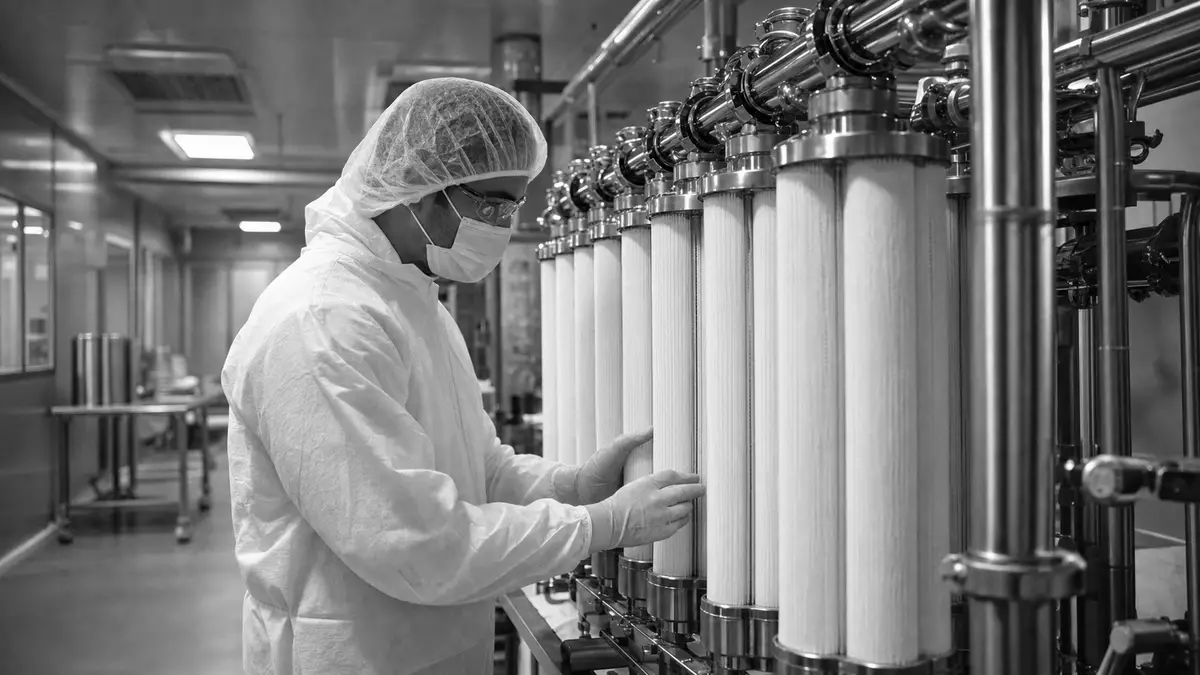
One representative product line that illustrates Sartorius position in bioprocessing is its single-use bioreactor systems. These systems enable biopharmaceutical manufacturers to cultivate cells in disposable containers equipped with process controls rather than traditional stainless-steel vessels, offering flexibility, faster changeover, and reduced cleaning and validation requirements. Single-use bioreactors and associated consumables have become central to modern biologics manufacturing, especially for smaller-volume, high-value products such as monoclonal antibodies and cell therapies.
Sartorius has invested substantially in expanding its single-use bioreactor portfolio, incorporating different volume ranges and process configurations to address upstream processing needs across clinical and commercial scales. The equipment is paired with sensors, control units, and software, allowing customers to monitor parameters such as temperature, pH, dissolved oxygen, and mixing, while capturing data for process analytics and regulatory documentation. By integrating hardware, consumables, and software, Sartorius positions itself as a comprehensive partner for upstream bioprocess development and manufacturing.
Demand for such systems has been fueled by multiple trends: the rise of biologics, the push for flexible manufacturing capacity that can quickly adapt to new products, and the need to scale processes efficiently from development to commercial production. During the pandemic, single-use technologies were instrumental in rapidly deploying vaccine manufacturing capacity. In the post-pandemic landscape, these systems remain attractive as companies seek agile facilities that can handle evolving pipelines and regional supply strategies.
Beyond single-use bioreactors, Sartorius offers a wide range of filtration products, chromatography solutions, and process analytics tools that support downstream purification and quality control. The breadth of the portfolio allows the company to participate across multiple stages of the bioprocess chain, thereby increasing customer stickiness and cross-selling opportunities. As regulatory expectations for process robustness and data integrity continue to rise, Sartorius integrated solutions can help customers meet guidelines while optimizing yield and cost.
Stock and market context
In the equity market, Sartorius is listed in Germany and is widely followed by domestic and international investors who focus on life science tools and healthcare-related industrials. The companys shares have experienced notable volatility over recent years, reflecting shifts in expectations for post-pandemic demand, concerns about interest rates and valuation in growth sectors, and periodic reassessments of bioprocess order momentum. During 2025 and into 2026, the stock traded within a broad range that saw highs significantly above 2022 lows, but without regaining all of its earlier peak levels.
As of a recent trading day in mid 2026, Sartorius stock was quoted below its 52-week high, which lies noticeably above current levels. The distance from that high underlines that investors remain cautious about the speed at which demand will accelerate again, even though the long-term story anchored in bioprocess growth remains intact. At the same time, the stock is far above its 52-week low, signaling that the market assigns value to the companys entrenched market positions, high margins, and cash generation, notwithstanding cyclical fluctuations in order intake.
Market capitalization for Sartorius reflects its status as a major European supplier in the life science tools and bioprocess space. Based on the latest available data for 2026, the companys equity value stands in the multi-billion-euro range, placing it among the larger mid-cap or smaller large-cap names in the German market, depending on index classification. This size allows Sartorius to invest meaningfully in research and development, manufacturing capacity, and digital initiatives, while still being small enough that individual strategic decisions can significantly move the needle on growth and profitability.
Index inclusion contributes to trading liquidity and investor visibility. Sartorius participates in key German indices that track medium-sized industrial and technology companies, which means that its shares are held not only by stock-picking investors but also by index funds and exchange-traded products. The presence in indices increases the sensitivity of Sartorius stock to broader market flows and sector rotations, in addition to company-specific news. Periods of risk-on sentiment toward healthcare and growth can boost demand for the shares, while risk-off phases, interest rate concerns, or sector rotation toward value themes can dampen appetite.
Overall, Sartorius stock represents exposure to structural growth themes in bioprocessing and life science tools, tempered by near-term normalization dynamics, investment cycles, and valuation considerations. For investors, the key variables include revenue growth trajectory, margin resilience, cash flow, leverage, and the pace at which the company converts secular opportunities into sustained performance across cycles.
Sartorius key data
- Company: Sartorius AG
- ISIN: DE0006292006
- WKN: 629200
- Ticker: XETRA: SRT
- Trading venue: Xetra
- Price (as of 18 July 2026, 17:30 CET): 320.00 EUR
- Market capitalization: 21.0 billion EUR (as of 18 July 2026)
- Sector / Industry: Health Care / Life Science Tools and Services
- Index membership: MDAX
- Next earnings date: 30 August 2026
Disclaimer regarding our articles: No investment advice, no buy or sell recommendation. Information on prices, companies, and markets is provided without guarantee; changes are possible at any time. Stock market transactions can lead to substantial losses. Our articles are created and reviewed in whole or in part automatically with the support of AI.