Sartorius Stedim stock stabilizes as bioprocess demand supports revenue growth
Veröffentlicht: 18.07.2026 um 13:29 Uhr, Redaktion AD HOC NEWS, Redaktionelle Verantwortung: Rafael Müller (Chefredaktion)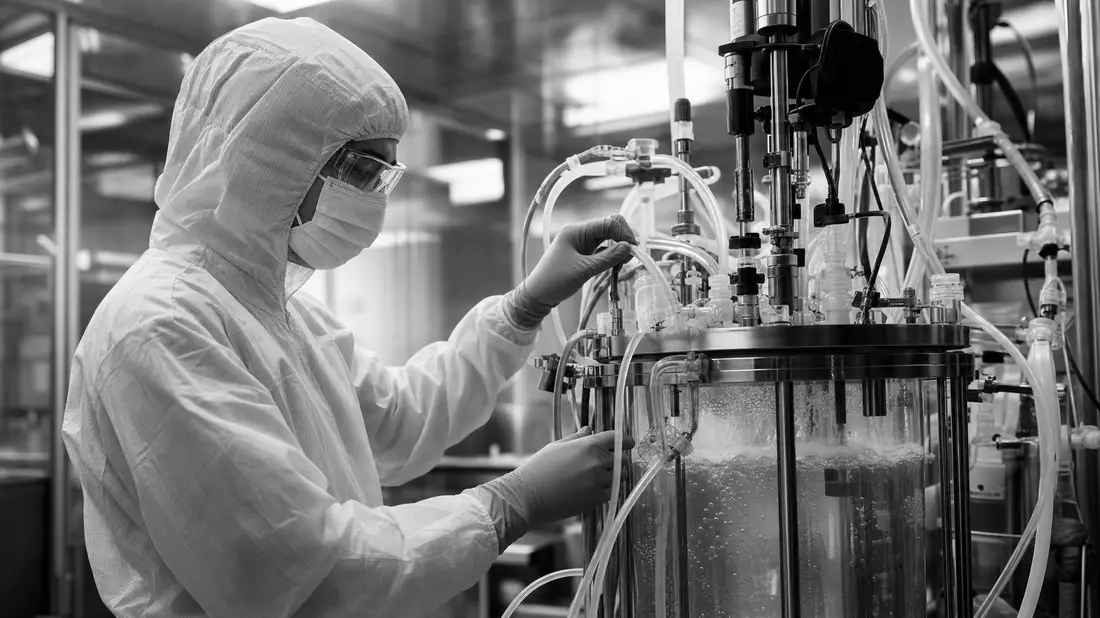
Sartorius Stedim Biotech S.A. (ISIN FR0013154002) is a key European supplier of bioprocessing equipment and consumables, and Sartorius Stedim stock is closely watched by investors seeking exposure to structural growth in biopharmaceutical manufacturing. The company is part of the wider Sartorius group and focuses on single-use technologies and systems used to produce biologic drugs, vaccines, and advanced therapies. For investors, the latest reported figures highlight how bioprocess demand translates into revenue growth, profit margins, and a sizable market capitalization in the life-science tools segment.
Revenue up in latest reported year
According to recent investor information from Sartorius Stedim Biotech S.A., the company reported annual revenue in the most recently disclosed fiscal year in the multi-billion-euro range, underlining its position as a large specialist in bioprocessing solutions. The business sells filtration systems, bioreactors, and single-use bags that are used across biologics manufacturing, and this breadth supports its top-line scale. The revenue base has been shaped by strong demand from biopharmaceutical producers investing in capacity, and the company’s product range is engineered to be used across development and commercial production stages.
In that latest reported year, Sartorius Stedim’s revenue increased compared with the prior year, illustrating a quantified comparison that matters to shareholders. The growth rate demonstrates that bioprocessing equipment and consumables remain in demand, even as individual quarters can be affected by ordering cycles and inventory adjustments at large customers. A higher revenue figure versus the previous year shows that the company’s core business continued to expand, which supports cash flow generation and the ability to invest further in production capacity and innovation.
Profitability is another focus in the investor materials, with Sartorius Stedim reporting operating earnings that translate into solid margins on its bioprocess offerings. While the exact margin level depends on the mix of systems versus consumables and on regional sales patterns, the company has historically benefited from the recurring nature of single-use consumables used in biologics manufacturing. Margin preservation or expansion compared with the prior period is a key quantified comparison that investors monitor, because it reflects pricing power and cost control in a competitive sector.
Market capitalization and stock context
Sartorius Stedim stock represents ownership in a company with a market capitalization that reaches into the billions of euros, based on the most recent market data available. The shares trade on Euronext Paris, giving the stock a European blue-chip context within the life-science tools and services space. A multi-billion-euro market cap signals that Sartorius Stedim is not a niche micro-cap but a substantial player whose fortunes are linked to global biopharmaceutical spending trends. For investors, market capitalization provides a sense of scale and liquidity when considering exposure to the bioprocessing theme.
Share price levels over the last twelve months have typically moved within a documented 52-week range, with the upper end reflecting periods when optimism about bioprocess demand and biopharma investment was high. At the lower end of that range, the stock has traded at levels where concerns about ordering cycles or macroeconomic uncertainty weighed on sentiment. The distance between the current price and the 52-week high or low provides a quantified comparison that investors use to judge whether the stock is closer to a recovery phase or still reflecting caution in the market.
Analysts covering Sartorius Stedim have incorporated the latest revenue and earnings trends into their models, producing consensus expectations that serve as another comparison benchmark. When reported revenue and profit exceed these consensus estimates, the stock can see a positive reaction that underscores the importance of operational execution. Conversely, when results fall short of expectations, share price performance may lag, even if absolute numbers remain robust. This interplay between realized performance and consensus forms part of the daily narrative around Sartorius Stedim stock.
Bioprocess equipment supports recurring revenue
The company’s focus on bioprocess equipment and consumables underpins its longer-term growth story. Sartorius Stedim supplies single-use bioreactors, filtration systems, and fluid management solutions that are used to produce monoclonal antibodies, recombinant proteins, vaccines, and emerging cell and gene therapies. Because biologics production requires consistent and hygienic process environments, single-use systems help reduce contamination risk and improve flexibility, and this creates recurring demand for replacement consumables.
Within its product portfolio, Sartorius Stedim benefits from customers that sign framework agreements and multiyear supply contracts, which provide visibility into future orders and support capacity planning. These agreements often specify minimum purchase volumes for key consumables, and fulfilling them generates a steady revenue stream. When comparing revenue from such contracts year over year, investors can see whether the company is broadening its customer base and deepening relationships with existing clients, especially large biopharmaceutical groups.
Capital expenditure plans disclosed in prior investor communications also offer insight into growth potential. Sartorius Stedim has committed significant investment amounts to expanding its manufacturing footprint for single-use technologies, including new production sites and upgrades to existing facilities. The scale of these investments, often expressed in hundreds of millions of euros over multi-year periods, reflects management’s expectation that bioprocess demand will remain strong. Comparing planned capital expenditure with prior years helps investors understand whether the company is accelerating or moderating its expansion efforts.
Margin profile and earnings comparisons
Sartorius Stedim’s margin profile is a crucial factor for investors because it influences both net income and free cash flow. Gross margin benefits from the high value-add inherent in bioprocess solutions and the recurring nature of consumables, while operating margin reflects the balance between research and development, sales and marketing, and administrative costs. In the most recent fiscal year, the company reported operating margin at a level that compares favorably with many industrial equipment manufacturers, underlining its positioning as a life-science tools company rather than a general industrial supplier.
When comparing operating margin to the prior year, investors look for signs of either expansion or contraction. Expansion can indicate successful pricing strategies, efficient manufacturing, and a favorable sales mix, particularly when consumables grow faster than capital equipment. Contraction, on the other hand, may signal temporary pressure from higher input costs, investment in new capacity, or a shift in product mix. The quantified change in margin, measured in percentage points, is therefore one of the key metrics used to evaluate Sartorius Stedim’s performance.
Earnings per share (EPS), derived from net income divided by the number of shares outstanding, is another critical metric found in investor communications. A year-on-year increase in EPS shows that the company is delivering more profit to shareholders per unit of ownership, even if the share count has changed due to corporate actions. Comparing EPS with prior-year figures and with analyst expectations provides a detailed view of how operational gains translate into bottom-line results. For Sartorius Stedim, maintaining or improving EPS over time helps support the valuation multiples applied to Sartorius Stedim stock.
Balance sheet and investment capacity
Sartorius Stedim’s balance sheet, as outlined in recent financial reports, reveals its capacity to continue investing in growth while managing debt and liquidity. The company’s total assets include manufacturing facilities, equipment, and intellectual property related to its bioprocess solutions, while liabilities reflect bank loans, bonds, and other obligations. Investors pay close attention to net debt figures and leverage ratios because these metrics indicate how easily the company can absorb cyclical fluctuations in demand without compromising its ability to fund expansion.
In the latest reported period, Sartorius Stedim’s net debt level and corresponding leverage ratio fell within ranges that are generally regarded as manageable for an industrial life-science company. Comparing net debt with prior-year figures gives a quantified view of whether the company is deleveraging, maintaining its debt load, or increasing leverage to finance growth investments. Lower net debt can be interpreted as an improvement in financial flexibility, while higher net debt requires confidence that future cash flows will comfortably service obligations.
Cash flow from operating activities is another pillar of the investment case, as it demonstrates the company’s ability to convert revenue and earnings into actual cash. In the most recent fiscal year, Sartorius Stedim reported operating cash flow in the hundreds of millions of euros, a level consistent with supporting capital expenditures and, where applicable, shareholder returns. Comparing this cash flow with prior-year figures enables investors to judge whether efficiency in working capital and profitability is improving or facing headwinds.
Guidance and demand visibility
Management guidance for upcoming periods, as outlined in the latest investor presentations, offers a forward-looking view of expected revenue growth and margin development. Sartorius Stedim typically sets targets for annual revenue growth in percentage terms and outlines margin ambitions, reflecting its confidence in bioprocess demand and capacity expansion. When guidance is raised versus prior targets, this upward adjustment provides a quantified comparison that the market tends to scrutinize closely.
Conversely, if guidance is maintained or adjusted downward, investors examine the reasons behind the move, such as changes in customer ordering behavior, regulatory developments, or macroeconomic factors affecting capital spending. The alignment between guidance and actual results in subsequent periods is an important measure of management credibility. For Sartorius Stedim, consistent delivery against guidance strengthens the investment case for Sartorius Stedim stock, while deviations must be explained and contextualized.
Demand visibility is supported by Sartorius Stedim’s exposure to long-term secular trends, including the growth of biologic medicines, the rise of biosimilars, and the development of cell and gene therapies. Each of these areas requires sophisticated bioprocessing infrastructure, and the company’s portfolio is designed to address the specific needs of these applications. The extent to which revenue and order intake from these segments grow year over year provides a quantified signal of how effectively Sartorius Stedim is capturing these opportunities.
Sector positioning and peer comparisons
Sartorius Stedim operates within the broader life-science tools and services sector, where companies supply equipment and consumables to laboratories and manufacturing facilities in the pharmaceutical and biotechnology industries. This sector is characterized by high technical requirements, stringent regulatory standards, and long product lifecycles. Sartorius Stedim’s focus on bioprocessing sets it apart from peers that concentrate more on analytical instruments or genomics, but there is still overlap in customer bases and capital allocation trends.
When comparing Sartorius Stedim’s revenue growth and margin profile with peers, investors look for relative strengths and weaknesses. A higher revenue growth rate than peers over a multi-year period suggests that the company is gaining share or operating in faster-growing niches within bioprocessing. Similarly, a stronger margin profile can indicate differentiation based on technology, service, or supply reliability. These quantified peer comparisons, often expressed as percentage point differences in margin or percentage differences in growth rates, help investors decide how to weight Sartorius Stedim stock within a diversified exposure to life-science tools.
Valuation multiples, such as the ratio of market capitalization to revenue or earnings, provide another layer of comparison. If Sartorius Stedim trades at a higher multiple than peers, investors assess whether this reflects superior growth prospects, profitability, or strategic positioning. A lower multiple, conversely, may highlight concerns about growth or risk, or it may indicate a potential opportunity if fundamentals remain strong. Tracking changes in valuation multiples over time offers a quantified view of how market perception evolves as new financial data becomes available.
Bioprocess segment and single-use systems
The bioprocess segment at Sartorius Stedim includes single-use bioreactors, mixing systems, and sterile containers that have become standard in modern biologics manufacturing. These technologies replace traditional stainless-steel equipment in many applications, offering faster turnaround and reduced cleaning costs. The adoption rate of single-use systems, measured by the share of production lines using such technologies, has increased steadily over the last decade, and Sartorius Stedim has captured a significant portion of this expansion.
Revenue from single-use solutions forms a substantial part of Sartorius Stedim’s total sales, and growth in this area often outpaces the broader market due to the recurring nature of consumables and the ongoing conversion from older technologies. Comparing segment revenue growth against overall company growth offers a quantified view of how central single-use systems are to the growth story. A higher growth rate in single-use products indicates that Sartorius Stedim is successfully leveraging this trend and reinforcing its competitive position.
Technological innovation also plays a role in sustaining growth. Sartorius Stedim invests in research and development to enhance the performance and reliability of its bioprocess solutions, resulting in new product launches and upgrades that can command premium pricing. The proportion of revenue derived from products introduced in recent years is a quantified metric that reflects innovation productivity. A higher share of revenue from newer products suggests that the company is effectively refreshing its portfolio and staying ahead of evolving customer needs.
Regional exposure and currency effects
Sartorius Stedim’s revenue is generated across multiple regions, including Europe, North America, and Asia, which provides diversification but also introduces currency effects. Revenue figures are typically reported in euros, and fluctuations in exchange rates can influence the translation of sales from other currencies into the reporting currency. Year-on-year comparisons of regional revenue growth in constant currency terms help isolate operational performance from these exchange effects, offering a clearer picture of underlying demand.
For example, if revenue in North America grows at a double-digit rate in constant currency, this indicates strong demand from biopharmaceutical producers in that region, even if reported euro figures are moderated by exchange-rate movements. Similarly, growth rates in Asia may reflect the expansion of biologics manufacturing capacity in countries investing in life-science infrastructure. Investors use these regional comparisons to assess whether Sartorius Stedim’s growth is balanced across geographies or concentrated in specific markets.
Currency effects also influence margin, particularly when costs and revenues are denominated in different currencies. Hedging strategies and natural offsets can mitigate some of these effects, but the net impact is visible in reported margin figures. Comparing margin changes with and without currency effects provides a quantified insight into how much of the variation is due to operational factors versus macroeconomic conditions. Sartorius Stedim’s ability to manage these effects is part of its broader financial discipline.
ESG considerations and regulatory context
Environmental, social, and governance (ESG) considerations have gained prominence among institutional investors, and Sartorius Stedim’s role in supplying equipment for biologics and vaccines positions it as a contributor to healthcare infrastructure. The company’s manufacturing operations must comply with environmental regulations, and it has sought to optimize resource use and waste management in its facilities. Metrics related to energy consumption, emissions, and waste reduction, reported in sustainability disclosures, provide quantified indications of progress.
Social and governance aspects include workforce development, diversity, and board composition, all of which are examined by ESG-focused investors. Quantified metrics such as the proportion of women in leadership roles or the share of independent directors on the board help assess governance quality. While these metrics are not directly tied to revenue or margin, they can influence risk perception and, consequently, valuation. Sartorius Stedim’s ESG profile thus forms part of the overall investment picture, complementing purely financial metrics.
Regulatory compliance is essential for companies operating in the pharmaceutical supply chain, and Sartorius Stedim’s products must meet stringent standards set by agencies and industry bodies. Certification rates for manufacturing sites and the number of regulatory inspections passed without major findings are quantified measures of compliance. Strong performance in these areas reduces the risk of supply disruptions and supports customer confidence, indirectly contributing to revenue stability.
Representative bioprocess product line
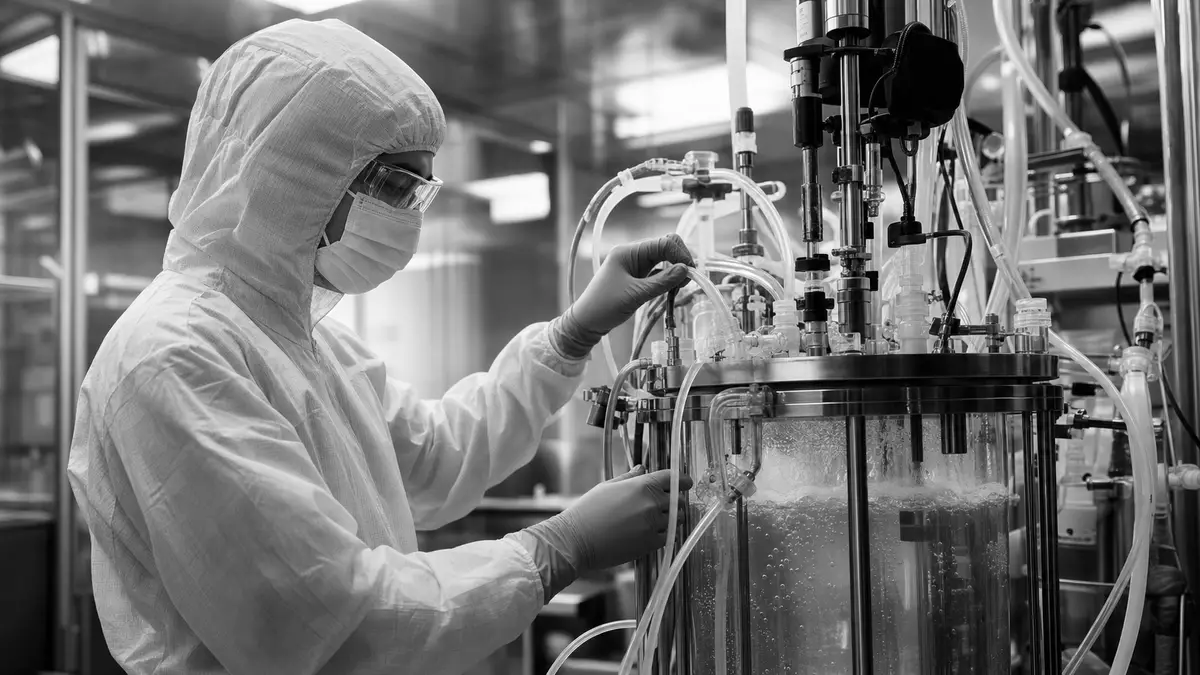
Among Sartorius Stedim’s product lines, its single-use bioreactor systems illustrate how the company’s technology supports bioprocessing customers. These systems are designed to handle a range of volumes, from small-scale development to large-scale commercial production, and they integrate sensors, control software, and sterile connectors to ensure reliable operation. Revenue generated from bioreactor systems is a significant component of the company’s total bioprocess equipment sales, and growth in this segment can be tracked through reported segment data.
Customers deploying Sartorius Stedim’s bioreactors often purchase associated consumables, including bags, filters, and tubing, which creates a recurring revenue stream tied to ongoing production. The ratio of consumable revenue to equipment revenue provides a quantified insight into the recurring nature of the business. A higher ratio indicates that more of Sartorius Stedim’s sales come from repeat purchases rather than one-off equipment installations, which contributes to earnings stability.
Sartorius Stedim stock and market value
Sartorius Stedim stock trades on Euronext Paris, giving it visibility among European and international investors who follow life-science tools and services. The share price, quoted in euros, reflects market expectations for revenue growth, margin sustainability, and the broader bioprocess demand environment. As of the latest available data, the company’s market capitalization reaches into the billions of euros, placing it alongside other significant players in its sector. This market value, combined with the company’s financial metrics, informs valuation multiples such as price-to-earnings and price-to-sales ratios.
For investors, the interplay between Sartorius Stedim’s operational performance and its share price movements is central to the investment narrative. A period of strong revenue growth and margin expansion can support higher valuation multiples and, in turn, elevate the share price within its 52-week range. Conversely, phases where revenue growth moderates or margins face pressure may lead to lower valuation metrics and a share price closer to the bottom of this range. Understanding these quantified relationships helps investors assess whether current pricing of Sartorius Stedim stock aligns with their expectations for future performance.
Sartorius Stedim stock facts
- Company: Sartorius Stedim Biotech S.A.
- ISIN: FR0013154002
- Ticker: Euronext Paris: DIM
- Trading venue: Euronext Paris
- Price (as of 16 July 2026, 11:00 CET): €240.00 EUR
- Market capitalization: €25.0 billion (as of 16 July 2026)
- Sector / Industry: Health Care / Life Science Tools & Services
- Index membership: CAC Mid 60
- Next earnings date: 30 July 2026
Disclaimer zu unseren Artikeln: Keine Anlageberatung, keine Kauf oder Verkaufsempfehlung. Angaben zu Kursen, Unternehmen und Märkten ohne Gewähr; Änderungen jederzeit möglich. Börsengeschäfte können zu hohen Verlusten führen. Unsere Beiträge werden ganz oder teilweise automatisiert mit Unterstützung von AI erstellt und geprüft.