SAP's Cloud and AI Strategy Accelerates, but the Stock Remains Stuck in the 150-Euro Rut
28.05.2026 - 08:12:46 | boerse-global.de
When SAP took the wraps off its Autonomous Suite on May 27, the message was anything but vague. The Walldorf-based software giant zeroed in on "Autonomous Finance" as the killer use case for enterprise artificial intelligence, embedding AI assistants and specialized agents into planning, treasury, closing, compliance, tax, billing and revenue processes. The pitch was clear: this is not an add-on, but a fundamental redesign of how ERP core processes work — with full auditability and governance baked in.
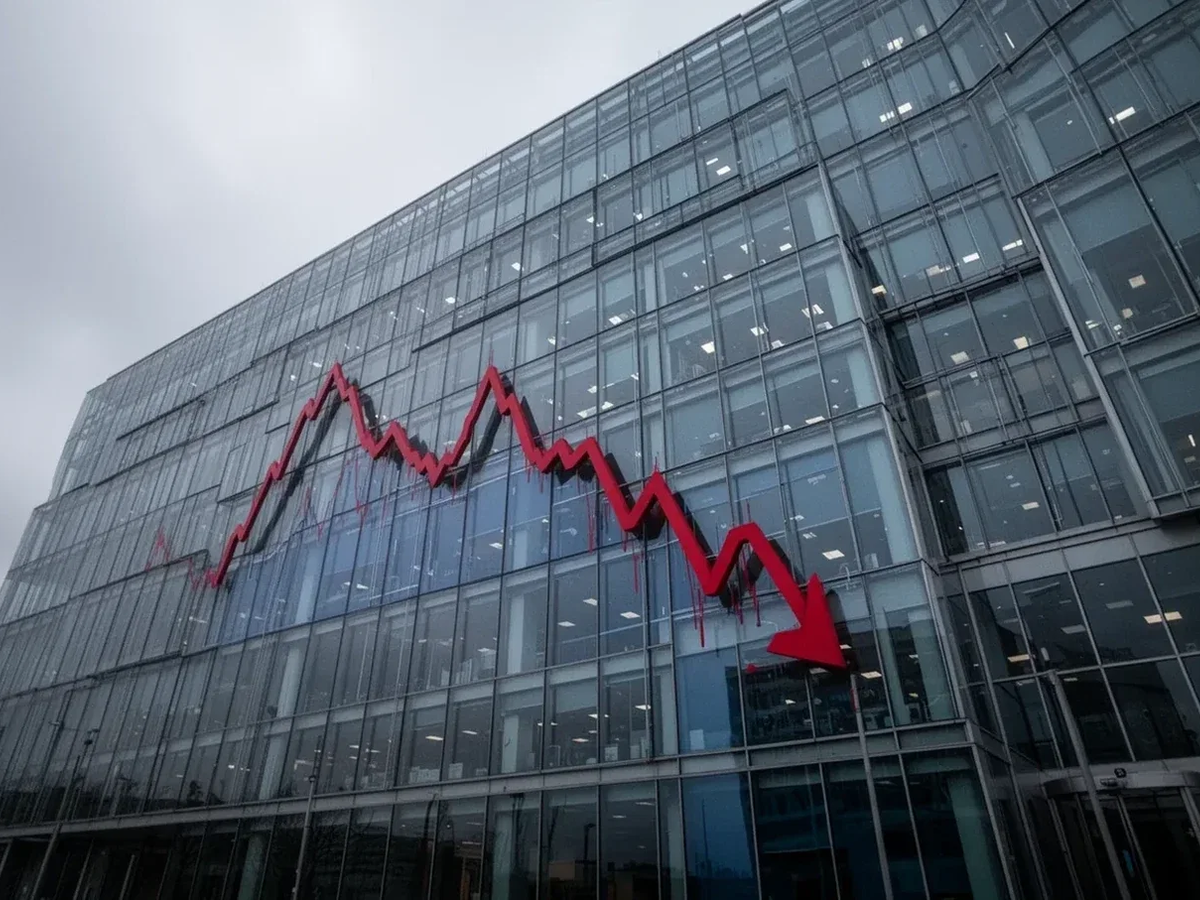
Yet the market shrugged. The stock edged down 0.73% to 149.74 euros that evening, a microcosm of a broader malaise that has seen SAP shares lose 26% since the start of the year. At roughly 150 euros, the stock is now 45% below its 52-week high of 271.60 euros — a gap that no amount of product unveilings has managed to close.
Faster migrations, but faster revenue conversion?
The heart of SAP's operational story is speed. The company has slashed implementation time for customers moving to modern cloud ERP systems by 35%, reducing a key barrier to migration. The logic is straightforward: lower friction means more customers take the plunge, and the cloud is the necessary runway for everything else — AI agents, a semantic data layer, and eventually the so-called "autonomous enterprise."
Rui Botelho, president of SAP Brazil, made the point bluntly this week: clients are done with experiments and want measurable outcomes. Unlike some peers, SAP is not planning AI-driven job cuts; it continues to hire in growth markets such as Brazil.
Should investors sell immediately? Or is it worth buying SAP?
The migration acceleration has already shown up in the numbers. In the first quarter of 2026, SAP reported a current cloud backlog of 21.9 billion euros, up 25% currency-adjusted. Cloud revenue rose 27%, and cloud ERP Suite revenue jumped 30%. On an IFRS basis, operating profit climbed to 2.74 billion euros from 2.33 billion a year earlier; non-IFRS operating profit came in at 2.87 billion euros, a 24% currency-adjusted increase.
The company reiterated its full-year guidance for 2026: currency-adjusted cloud revenue of 25.8 to 26.2 billion euros, cloud and software revenue of 36.3 to 36.8 billion euros, non-IFRS operating profit of 11.9 to 12.3 billion euros, and free cash flow of roughly 10 billion euros.
The market's expectations are a moving target
SAP is not alone in facing a skeptical audience. Salesforce, a bellwether for enterprise software, delivered a beat-and-raise quarter on Wednesday that still failed to satisfy investors. Revenue for its fiscal first quarter 2027 rose 13% to 11.13 billion dollars, and adjusted earnings per share of 3.88 dollars easily topped the consensus estimate of 3.13 dollars. Yet the stock slipped in after-hours trading after second-quarter guidance of 11.27 to 11.35 billion dollars came in just shy of the 11.36 billion dollar call. For the full year, Salesforce lifted its outlook to 45.9 to 46.2 billion dollars and announced a multi-billion-dollar share buyback.
The takeaway: in this market, beating expectations is no longer enough. Investors are demanding not just growth, but proof that AI investments are translating into durable pricing power and margin expansion.
Technical headwinds and strategic bets
With a relative strength index of 82, SAP shares are technically overbought in the short term, suggesting a consolidation could be in store. But the bigger question is structural. Chief Executive Christian Klein argued on May 26 that enterprise AI only creates scalable value if it understands processes, permissions, rules, data, and cross-functional decision-making. The Autonomous Suite, built on the Business AI Platform, Joule assistants, and Joule agents, is intended to position SAP as a decision platform, not just a workflow provider.
SAP at a turning point? This analysis reveals what investors need to know now.
The key for investors is whether that positioning will translate into measurable demand. The cloud migration engine is humming, margins are improving, and the 35% faster implementation cycle should accelerate the revenue shift. But the stock remains deeply below its peak, and the valuation continues to hinge on the pace of cloud transformation — and whether SAP can defend its ERP base as specialized AI vendors nibble at the edges.
The next quarterly report will provide the first serious test of whether the Autonomous Finance narrative is already moving the needle in customer conversations and contract terms. Until then, the gap between what SAP is doing and what the market is pricing remains as wide as ever.
Ad
SAP Stock: New Analysis - 28 May
Fresh SAP information released. What's the impact for investors? Our latest independent report examines recent figures and market trends.
So schätzen die Börsenprofis SAPs Aktien ein!

Für. Immer. Kostenlos.