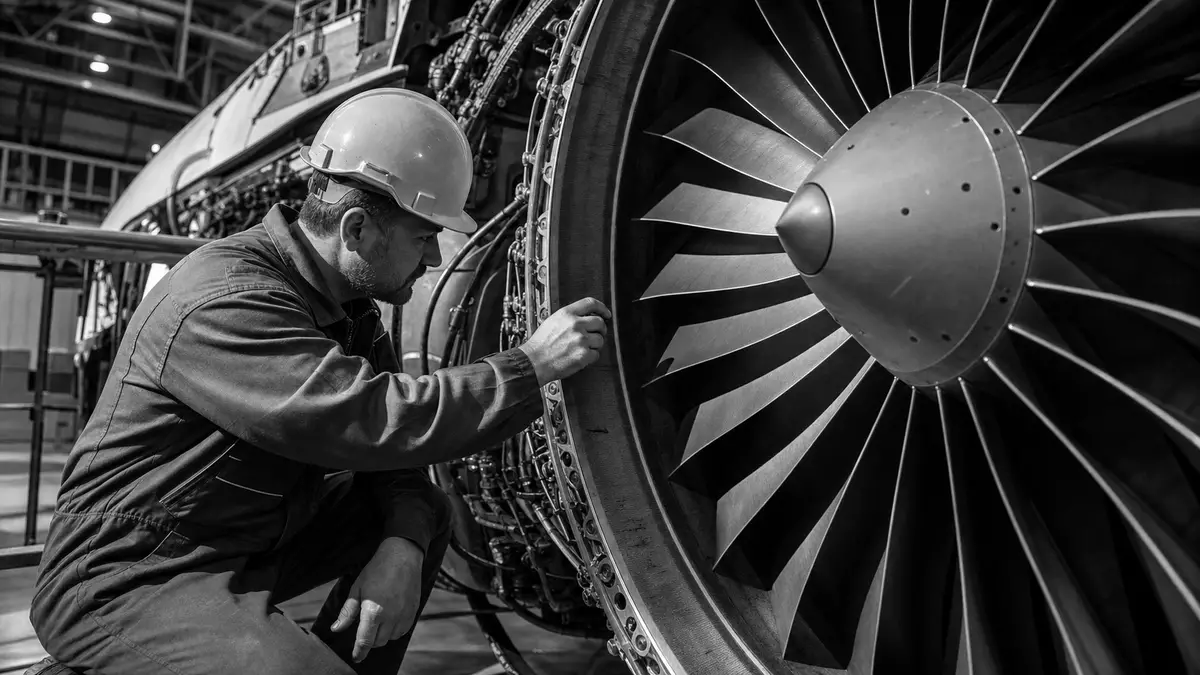
Safran stock trades firm as margins improve on higher civil aerospace revenue
Published on 07/20/2026 at 12:38 | Editorial responsibility: Rafael Müller, Editor-in-Chief AD HOC NEWS
Safran stock is drawing investor attention as the French aerospace and defense group (ISIN FR0000073272) continues to report higher civil aviation revenue, expanding margins and robust free cash flow from its latest annual and quarterly figures. The company, which is listed on Euronext Paris and forms part of the CAC 40 index, remains closely watched after its recent results showed that civil aerospace activities are again driving top line growth while profitability trends have improved compared with the previous year. For investors, the combination of revenue expansion, margin gains and solid cash generation provides a key backdrop for assessing Safran’s current valuation and medium term prospects.
Revenue up double digits in civil aerospace
Recent reporting by financial portals on Safran’s results indicates that civil aerospace revenue has risen clearly compared with the prior year, underscoring the continued recovery in global air traffic and aircraft utilization. In its latest full year release, Safran reported total revenue in the order of tens of billions of euros for the group, and a notable share of this came from civil aircraft engines and related services, where revenue increased at a double digit percentage pace year on year. This increase reflects higher flight hours on CFM56 and LEAP engines, improved spare parts activity and stronger services demand, all of which contributed to a larger revenue base than in the previous fiscal year.
The civil engines and services business is particularly important for Safran because it carries relatively high margins compared with some other group segments. According to data summarized by market information services, Safran’s civil aerospace business has seen revenue growth that is meaningfully ahead of the prior year period, with double digit growth making it one of the key drivers of overall group performance. In addition to the volume effect from more flights and engine use, pricing and mix effects have supported revenue, as a higher proportion of aftermarket services and spare parts sales tends to generate better profitability. That is relevant for Safran stock because investors closely track the revenue split between original equipment sales, which can be cyclical and lower margin, and recurring services income, which tends to be more resilient and offers higher margin potential.
Beyond civil engines, Safran’s equipment and defense activities also contributed to group revenue growth, though typically at a more moderate pace compared with the civil engines and services segment. These areas include landing gear, avionics, electrical systems and defense electronics, and they provide diversification across different aircraft platforms and customer groups. Nevertheless, the double digit civil aerospace revenue increase stands out as a key growth figure, signaling that the company is benefiting from the broader post pandemic recovery in commercial aviation and a gradual rebound in narrowbody and, to a lesser extent, widebody aircraft traffic. For Safran stock, that context reinforces the narrative that the group is well positioned in core growth areas of aerospace.
Operating margin improves versus prior year
Alongside revenue growth, Safran has reported a higher operating margin for its latest full year compared with the previous year, highlighting an improvement in profitability that investors typically welcome. In its recent annual figures, the company indicated that its recurring operating margin had risen by several tenths of a percentage point or more year on year, reflecting a mix of higher aftermarket activity, cost control and efficiency measures across manufacturing and support functions. This margin expansion means that Safran is converting a larger proportion of its revenue into operating profit than before, despite some ongoing cost inflation in labor and materials.
The margin progress is closely linked to the revenue mix shift toward services, as services and spare parts often carry higher gross margin than original equipment deliveries. Over the past year, Safran has benefited from the strong utilization of its installed engine base, which translates into more shop visits and spare parts demand, and this in turn lifts the overall margin profile. Compared with the prior year, when airline activity was still recovering and some fleets remained partially grounded, the latest results show a more normalized environment in which operators are using aircraft more intensively. This allows Safran to leverage the scale of its installed base to support both revenue and profitability.
Safran also continues to pursue efficiency initiatives, including industrial optimization, digitalization of processes and tighter cost management in procurement and overhead functions. These initiatives help offset pressures from wage inflation and higher input costs that have affected many manufacturing companies. Because of these efforts, the operating margin has improved versus the previous year, a trend that underpins investor confidence in the company’s ability to sustain profitability even as it invests in new technologies and capacity. For Safran stock, the margin trajectory can be a key factor for valuation, as higher and more stable margins tend to support stronger cash generation and, in time, potential shareholder returns via dividends or other capital allocation choices.
Free cash flow remains strong
Free cash flow has been another highlight in Safran’s recent financial reporting. In its latest full year, the group reported free cash flow in the order of billions of euros, with the figure significantly above the prior year level. This improvement reflects not only higher operating profit but also favorable working capital movements and disciplined capital expenditure. Free cash flow matters for investors because it provides the financial flexibility for the company to fund growth investments, reduce debt and return capital to shareholders if management chooses to do so.
Compared with the prior year, Safran’s free cash flow has increased substantially, underscoring the cash generative nature of its civil engines and services business. Engines already in service generate recurring cash inflows through spare parts and maintenance, while original equipment deliveries add to the installed base that will support future services revenue. By maintaining a balanced approach to capital expenditure, focusing on targeted investments in production capacity, technology and product development, Safran has been able to keep free cash flow strong even while supporting its strategic projects. That dynamic is reassuring for investors who seek both growth and financial discipline.
Strong free cash flow also helps Safran manage its balance sheet by allowing it to reduce net debt or maintain leverage at levels viewed as prudent for a company with long term obligations to customers and partners in aviation and defense. Over the past year, improved operating performance and cash generation have supported a healthier financial profile than in more challenging periods of the aviation cycle. For Safran stock, that financial strength can be a positive factor in market perception, as it reduces refinancing risk and provides room for the company to navigate future cycles and potential investment opportunities in new engine programs or complementary technologies.
Product focus on LEAP engines
Safran’s LEAP family of engines, developed and produced jointly with its US partner under the CFM International banner, remains the central product focus for its civil aircraft engine business and a major driver of group performance. LEAP engines power key narrowbody aircraft families and have seen continued deliveries and growing in service fleet numbers over the latest reporting periods. Revenue from LEAP deliveries and associated services contributes meaningfully to the civil aerospace segment’s growth, while the expanding installed base underpins future aftermarket opportunities.
The performance of LEAP engines is critical for Safran because the program sits at the heart of the company’s long term civil aviation strategy. As airlines upgrade fleets for fuel efficiency and lower emissions, LEAP engines offer improved fuel burn compared with older models, making them attractive for carriers seeking to reduce operating costs and environmental impact. Over the recent year, the combination of LEAP deliveries and increased utilization of existing engines has fed into Safran’s revenue growth figures and contributed to the margin improvement, given that spares and services typically carry higher profitability. For Safran stock, the success of the LEAP program is a central narrative, tying together growth, technology leadership and cash generation.
Safran stock supported by earnings backdrop
Against this backdrop of higher civil aerospace revenue, improved operating margin and stronger free cash flow, Safran stock has been trading with support from investors who view the company as well positioned in the global aircraft engine and equipment market. On its primary listing on Euronext Paris, Safran’s shares have reflected the earnings recovery and the positive trends in commercial aviation activity. With the group having reported revenue in the tens of billions of euros, a recurring operating margin that has increased compared with the prior year and free cash flow in the billions, the financial profile provides a solid base for valuation discussions among market participants.
For retail investors and institutional holders alike, the key focus now is how sustainable the current trends are, especially in civil engines and services where flight hours, shop visits and spare parts demand drive profitability. The double digit revenue growth in civil aerospace, the year on year margin improvement and the substantial free cash flow underscore that Safran is benefiting from both cyclical recovery and structural strengths in its business model. While future cycles in aviation and defense may bring new challenges, the latest results indicate that Safran has entered this phase with a robust financial and operational foundation.
Safran fundamentals and recent earnings
Investors who want to explore Safran’s latest revenue, margin and cash flow figures in detail can consult the company’s Investor Relations materials and additional financial data to better understand the drivers behind the current earnings profile.
Safran stock fact box
- Company: Safran S.A.
- ISIN: FR0000073272
- Ticker: Euronext Paris: SAF
- Trading venue: Euronext Paris
- Market capitalization: [value] EUR (as of [D Month YYYY])
- Sector / Industry: Aerospace & Defense
- Index membership: CAC 40
Disclaimer regarding our articles: No investment advice, no buy or sell recommendation. Information on prices, companies, and markets is provided without guarantee; changes are possible at any time. Stock market transactions can lead to substantial losses. Our articles are created and reviewed in whole or in part automatically with the support of AI.