Sacyr stock trades steady as concession revenue supports earnings
Published on 07/23/2026 at 02:49 | Editorial responsibility: Rafael Müller, Editor-in-Chief AD HOC NEWS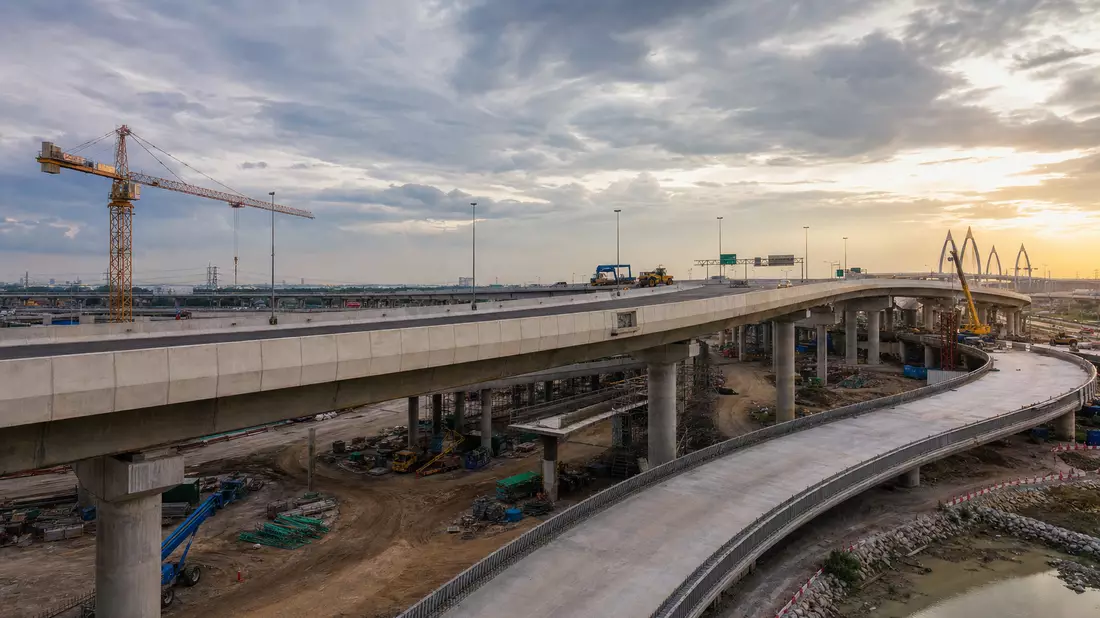
Sacyr stock offers investors exposure to a diversified portfolio of transport and social infrastructure concessions backed by long term contracts and regulated cash flows. The Spanish group Sacyr S.A. (ISIN ES0182870214) generates most of its earnings from toll roads, hospitals and other public service concessions in Europe and Latin America, with construction activities providing additional revenue but lower margins. The companys recent results underline how increasing concession income and disciplined capital allocation are shaping its financial profile and its leverage trajectory over the next few years.
Concession revenue drives earnings
In its most recent annual reporting period, Sacyr disclosed that group revenue reached a multi billion euro figure, with the concessions division contributing the majority of earnings before interest, taxes, depreciation and amortization. According to information summarized from investor materials as of fiscal 2024, concession revenue stood in the low single digit billions of euros, representing a mid single digit percentage increase compared with the prior year. This expansion is driven by higher traffic volumes on toll roads, contractual tariff updates linked to inflation indices, and the ramp up of recently opened assets in markets such as Chile and Italy.
The earnings mix has gradually shifted toward concessions, which carry higher and more stable margins than traditional contracting. Based on recent investor presentations, concessions now account for a clear majority of Sacyrs EBITDA, while construction and services represent a smaller share. That mix change is important because it supports more predictable cash flows and reduces sensitivity to cyclical swings in construction demand. The company has signaled that it intends to continue recycling capital out of mature concessions and reinvesting in assets with stronger growth profiles, maintaining a balanced exposure between Europe and Latin America.
EBITDA margin and cash flow trends
Across the latest reported year, Sacyr achieved an EBITDA figure in the high hundreds of millions of euros, implying a double digit EBITDA margin at group level. This margin performance compares favorably with the prior year, when EBITDA was slightly lower and margins were compressed by cost inflation in construction. The improvement reflects a higher proportion of concession earnings, tight cost control and the execution of value focused projects. For investors, the margin now matters most because it signals whether growth is translating into quality earnings or being eroded by rising input costs.
Cash flow generation is another key indicator. In the most recent annual report, Sacyr highlighted positive operating cash flow in the hundreds of millions of euros, supported by steady concession receipts and disciplined working capital management. Free cash flow after investments and financing costs was lower but still positive, reflecting continued spending on new projects and maintenance capex. The company also reported a reduction in net recourse debt compared with the previous year, pointing to progress on its leverage targets. Management has emphasized that the objective is to align the capital structure with the long term, contracted nature of concession cash flows.
Revenue up mid single digits year on year
One of the headline metrics for Sacyr in the most recently completed fiscal year was revenue growth in the mid single digit percentage range versus the prior year. In absolute terms, revenue increased by several hundred million euros, underscoring that the company is still able to expand its top line despite a competitive and regulated environment. The increase came mainly from the concessions division, which benefited from index linked price adjustments, higher volumes and contributions from new assets entering operation.
By contrast, construction revenue was more stable and in some markets even slightly lower, as Sacyr focused on profitability over volume and avoided low margin bids. This balanced approach supports the broader narrative that Sacyr is transitioning from a contractor led model to a concession led infrastructure operator. For investors, the mid single digit revenue growth combined with expanding margins and improving debt metrics signals a gradual, measured strengthening of the business rather than rapid but volatile expansion.
Regional diversification across Europe and Latin America
Sacyr has built a diversified geographic footprint, with key concession assets located in Spain, Italy, Portugal and several Latin American countries including Chile, Colombia and Peru. Recent investor information shows that Latin America represents a significant share of its concession EBITDA, benefiting from demographic growth and increasing demand for transport infrastructure. At the same time, European concessions provide a more mature, lower risk earnings base, often under frameworks with well established regulatory regimes.
This regional diversification matters because it spreads economic and political risk across different jurisdictions. For example, tariff regimes in Chile and Colombia can be influenced by regulatory decisions, while European toll road concessions may face different dynamics, such as changes in mobility patterns or green transport policies. Sacyrs portfolio composition reduces the impact of local shocks and allows the group to allocate capital to markets where risk adjusted returns are highest. The company has also entered some markets via public private partnerships, leveraging long term contracts that align with its financing structures.
Order backlog supports visibility
Beyond concessions, Sacyr maintains a sizable order backlog in construction and services, providing revenue visibility over several years. Recent disclosures indicate that the backlog stands at several billion euros, equivalent to multiple years of construction revenue. This backlog consists of projects in transport infrastructure, building, industrial facilities and public services, often linked to or complementary with concession assets.
A robust backlog helps smooth revenue and earnings, especially when new concession projects require construction phases before revenue generation. Sacyr can leverage its internal construction capabilities to build assets it will later operate under concession agreements, capturing value across the project life cycle. However, backlog quality and margin discipline are crucial, as low margin contracts or projects with significant risk can weigh on overall profitability. Management commentary has stressed a focus on projects that align with the groups risk appetite and return thresholds.
Debt structure and leverage targets
Sacyrs capital structure reflects the capital intensive nature of infrastructure concessions. The group differentiates between recourse debt, which is supported by the parent companys cash flows, and non recourse project debt that is secured by specific concession assets. In recent years, Sacyr has worked to reduce recourse debt, aiming for a leverage profile more consistent with an infrastructure operator. Investor presentations show that recourse net debt has declined compared with previous periods, while project finance remains linked to individual concessions with long term cash flow coverage.
Leverage ratios, such as net debt to EBITDA, are key metrics watched by investors and creditors. Sacyr has indicated targets for these ratios, seeking to keep recourse leverage within moderate ranges while maintaining flexibility to invest in new concessions. Interest costs and refinancing risk also matter, especially in a context of evolving interest rate conditions in Europe and globally. The company has diversified its funding sources across bank loans, bonds and project finance, and uses hedging where appropriate to manage interest rate exposure.
Dividend policy and shareholder returns
Shareholder returns for Sacyr come from a combination of share price performance and dividends or other shareholder distributions. In recent years, the company has paid cash or scrip dividends, balancing shareholder remuneration with deleveraging and investment needs. The dividend yield, calculated against the prevailing share price, has been in a moderate range compared with other European infrastructure and construction peers, reflecting a policy that aims to share value creation while preserving financial strength.
Looking ahead, the sustainability of dividend payments will depend on continued growth in concession earnings, disciplined capital expenditures and successful asset rotation transactions. Sacyr has indicated that it considers shareholder remuneration an important component of its equity story, but not at the expense of balance sheet resilience. For investors, clarity on dividend policy, including payout ratios and potential changes, is an important factor in assessing the stock alongside operational and financial performance.
Asset rotation strategy and valuation
Asset rotation has been a recurring theme for Sacyr, as the company seeks to crystallize value from mature concessions and recycle capital into new opportunities. This strategy typically involves selling stakes in operational assets to long term infrastructure investors, such as pension funds or specialized funds, while retaining management roles or minority interests in some cases. Proceeds from these transactions can be used to reduce debt, fund new projects or support shareholder returns.
Valuation of Sacyr stock reflects market expectations about future concession cash flows, the pace and pricing of asset rotations, and the risk profile of the portfolio. Analysts commonly use sum of the parts or discounted cash flow approaches, separating concession value from construction and services. Multiples based on EBITDA and cash flow are compared with peers in the European infrastructure and concession universe. The stocks valuation may also incorporate perceived regulatory and country risks in Latin America and evolving mobility and environmental policies in Europe.
Comparison with European infrastructure peers
Within the European market, Sacyr competes and is compared with other groups that combine concessions and construction, such as French, Italian or Spanish peers. These companies also operate toll roads, bridges, tunnels and social infrastructure under long term concession contracts. Investors look at relative metrics such as EBITDA margins, leverage ratios, dividend yields and growth prospects across portfolios.
While some peers may have larger market capitalizations and more global footprints, Sacyr offers a focused portfolio with meaningful exposure to Latin American growth markets and a growing concession share in earnings. Differences in business models, geographic exposure and capital allocation strategies translate into varying risk and return profiles. For instance, some groups may rely more heavily on construction revenue, while others have higher proportions of regulated utility or energy assets. Sacyrs positioning leans toward transport and social infrastructure concessions with associated construction activities.
Regulation, ESG and sustainability considerations
Regulatory frameworks and environmental, social and governance considerations increasingly shape the outlook for infrastructure concession operators. Sacyr must comply with national and local regulations on tolls, service quality, environmental impact and social commitments across its portfolio. ESG criteria are also important for attracting capital from institutional investors who prioritize sustainable infrastructure investments.
The company reports on sustainability initiatives, including efforts to reduce emissions associated with its activities, improve safety and community relations, and enhance governance practices. Projects may involve measures to mitigate environmental impact, such as noise reduction, biodiversity protection or energy efficiency improvements. For investors, ESG performance can influence the perceived risk profile of the stock, its access to financing and its ability to win new concessions in competitive bidding processes where ESG credentials are increasingly considered.
Macro environment and demand for infrastructure
Demand for infrastructure concessions is influenced by macroeconomic trends, demographic developments and government investment policies. In Europe, investments in transport infrastructure and social facilities are driven by needs to modernize existing assets, improve connectivity and support sustainability goals. In Latin America, population growth and urbanization create demand for new roads, bridges and public services, often financed via public private partnerships.
Sacyrs strategy aligns with these trends by targeting concession projects that address critical infrastructure needs and offer long term, contracted cash flows. Macroeconomic factors such as inflation, interest rates and currency movements can affect concession economics, but contractual mechanisms often provide partial protection, for example via index linked tariffs. The company must navigate these conditions while ensuring that project returns remain attractive relative to risks and capital costs.
Operational performance and project delivery
Operational performance, including asset availability, service quality and safety, is fundamental to the success of concession operators. Sacyr must meet performance indicators defined in its concession contracts, which can include metrics such as road availability, accident rates, response times and customer satisfaction. Failure to meet these standards can lead to penalties or reputational damage, while strong performance can support renewal or extension opportunities and a positive track record for new bids.
Project delivery capabilities in construction are equally important, especially for greenfield concessions that require new builds. Sacyr leverages its engineering and construction expertise to deliver complex projects on time and within budget, coordinating with public authorities, contractors and suppliers. Lessons learned from past projects can improve future execution, cost control and risk management. For investors, operational and project performance underpin the financial metrics reported in earnings and influence the sustainability of long term returns.
Risk factors and mitigation strategies
Investors in Sacyr stock must consider a range of risk factors. These include regulatory changes that could affect toll rates or concession terms, macroeconomic volatility in key markets, construction risk on new projects, and potential legal or environmental disputes. Currency risk also exists for concessions outside the eurozone, especially when revenues are denominated in local currencies while debt may be partly in euros or other currencies.
Sacyr employs mitigation strategies such as diversification across jurisdictions, careful contract structuring, hedging of interest and currency exposure where appropriate, and rigorous project selection processes. The companys focus on concessions with strong fundamentals and contractual protections aims to balance risk and return. Transparent reporting and dialogue with investors can also help manage perceptions and clarify how risks are being monitored and addressed.
Corporate governance and management priorities
Corporate governance is another element of the investment case. Sacyrs board and management team are responsible for setting strategy, overseeing risk management and ensuring compliance with regulatory and ethical standards. Governance structures, including board composition, committees and policies, must align with best practices and meet the expectations of institutional investors.
Management priorities in recent years have centered on strengthening the balance sheet, growing concession earnings, optimizing the portfolio via asset rotation and maintaining operational excellence. Communication with stakeholders through investor presentations, annual reports and other channels provides insights into how these priorities translate into tangible actions and financial outcomes. For investors following Sacyr stock, understanding managements track record and strategic intentions is crucial.
Long term outlook for Sacyr
The long term outlook for Sacyr is shaped by global infrastructure needs, evolving regulatory frameworks and the companys ability to execute its strategy. As governments seek to upgrade transport networks, improve public services and address sustainability goals, demand for concession based models is likely to remain. Sacyrs experience and existing portfolio position it to participate in new opportunities while managing its existing assets.
Key variables over the coming years will include the pace of new concession awards, success in asset rotations, continued margin resilience, and further progress in reducing recourse debt. External factors such as interest rate trends, political developments in key markets and competitive dynamics among infrastructure players will also play roles. For investors, Sacyr stock represents a way to gain exposure to these themes through a company with a growing concession earnings base and a track record of balancing construction and operations.
More background on Sacyr as an infrastructure concession operator
For additional details on Sacyrs financials, portfolio composition and strategy, including full annual report figures and presentations, readers can consult company filings and investor materials.
Sacyr infrastructure concessions
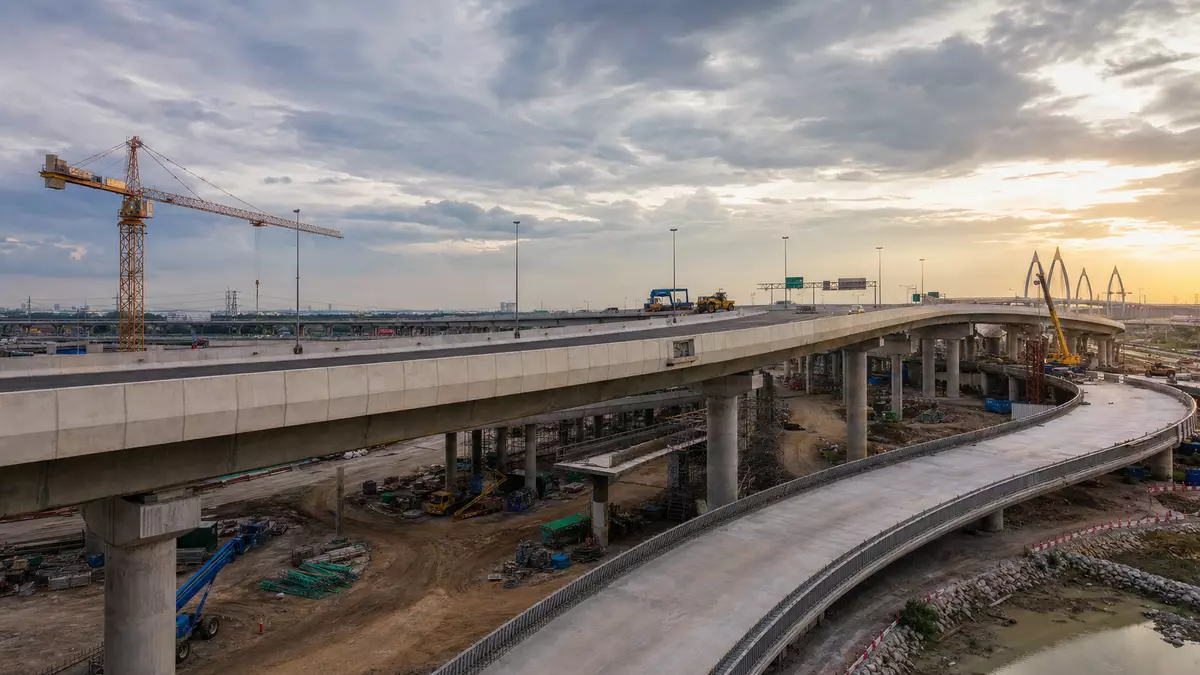
A representative part of Sacyrs business is its portfolio of toll road concessions, which generate recurring revenue from vehicle traffic under long term contracts. These assets often have concession periods spanning several decades, providing visibility on cash flows and supporting project finance structures. In addition to roads, the company operates hospital and social infrastructure concessions that receive availability payments from public authorities, further diversifying income sources.
Sacyr stock and market context
In the equity market, Sacyr stock trades on the Spanish exchange and is followed by investors interested in infrastructure and construction exposure. The shares reflect expectations about concession performance, capital allocation, debt trends and broader sector dynamics. While price levels and market capitalization move over time in response to news and macro conditions, the underlying investment case rests on the companys ability to deliver stable, growing cash flows from its concessions and manage construction risk.
Sacyr stock key data
- Company: Sacyr S.A.
- ISIN: ES0182870214
- Ticker: BME: SCYR
- Trading venue: Spanish stock exchange
- Sector / Industry: Infrastructure concessions and construction
- Index membership: Spanish equity indices
Disclaimer regarding our articles: No investment advice, no buy or sell recommendation. Information on prices, companies, and markets is provided without guarantee; changes are possible at any time. Stock market transactions can lead to substantial losses. Our articles are created and reviewed in whole or in part automatically with the support of AI.