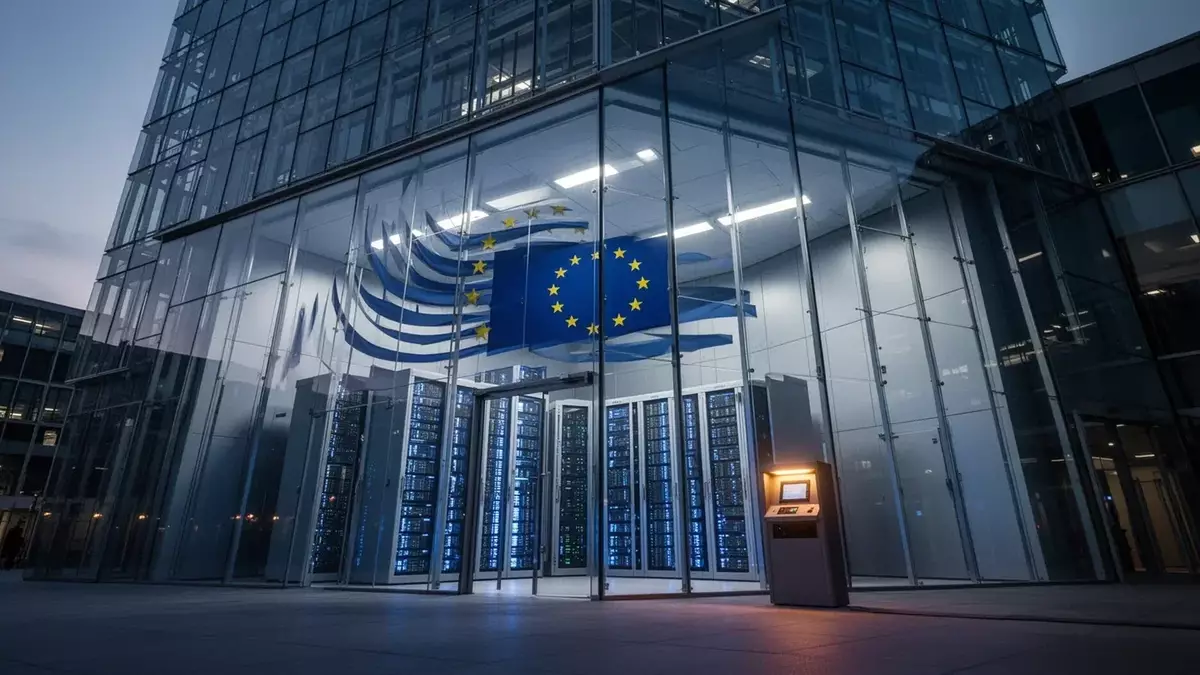
‘Robomobbing’ Drives German Works Councils to Demand Algorithmic Oversight as Remote Work and AI Disruptions Multiply
10.06.2026 - 00:52:58 | boerse-global.de
“Robomobbing” – the systematic pressure exerted on employees through algorithmic monitoring, performance scoring, and automated work steering – is spreading across German workplaces. Experts warn that companies deploying such systems without proper checks risk violating the EU General Data Protection Regulation (GDPR) and the General Equal Treatment Act (AGG) if algorithms discriminate. The legal counterweight, they say, already exists in German law.
Co-Determination as a Workplace Shield
Section 87 of the Works Constitution Act grants works councils a binding co-determination right when employers introduce technical devices designed to monitor behavior or performance. Lawyers and labour representatives are urging councils to use this tool actively. “Only by doing so can transparent protective rules be established for dealing with algorithms in the company,” one expert told the publication. Failure to involve the council can render algorithmic processes legally void and expose firms to claims.
Many employers underestimate the risks of algorithmic monitoring without proper documentation to back their processes. A free toolkit with 41 ready-made templates helps you systematically document workplace hazards and compliance steps – from fire safety to lone working. Download the free Risk Assessment Toolkit
Home Office: Hub of Hidden Strain
Yet direct surveillance is not the only source of digital pressure. A study published in the journal Science on June 8 analysed data from more than 500,000 individuals collected between 2011 and 2024. It found that working from home often reduces social contact and increases psychological strain – especially among people without strong family support. In the United States, roughly one-third of the rise in mental health problems during the pandemic can be attributed to remote work. German researchers confirmed the trend, but pointed to a way out: hybrid models that mix on-site and home office days can cushion the negative effects of isolation.
Automation Hits Port and Finance
The digital upheaval is also reshaping entire industries. On June 7, the operator of the NTB terminal in Bremerhaven announced it would cut 500 of its 1,000 jobs as part of a modernisation programme. A billion-euro investment contractually agreed in April between Eurogate and APM Terminals will bring self-driving transporters to the port – eliminating dozens of traditional driving jobs.
Banking is following the same trajectory. Jamie Dimon, CEO of JPMorgan Chase, and Citigroup chair Jane Fraser have both predicted that artificial intelligence will replace a significant number of roles. Many banks have already slashed their trainee intake by up to two-thirds. The Institute for Employment Research (IAB) forecasts that roughly 800,000 jobs across Germany could face major disruption within the next 15 years.
AI Agents: From Coder to Conductor
On the same day the Science study appeared, Microsoft and GitHub showcased new platforms for autonomous AI agents at a technology fair. These systems can independently sort documents, migrate code, and perform routine development tasks – essentially acting as digital colleagues that never rest. For employees, the shift means evolving from hands-on developers into “orchestrators” who coordinate the work of multiple AI agents.
As AI agents take over routine tasks, keeping your risk management processes current becomes even more important. The same free Risk Assessment Toolkit trusted by over 37,000 UK businesses offers 41 checklists and templates to document safety risks systematically and stay compliant. Download the free Risk Assessment Toolkit
Anthropic, a leading AI firm, promises productivity gains of up to 70% per developer. Yet watchdogs point to new dangers: faulty code that escapes human review, and unresolved data-protection issues. A study by Tricentis found that 60% of organisations already use AI-generated code that has never been tested – a statistic that gives fresh urgency to the demand for co-determination and oversight.
Facts preserved: study dates (June 8), sample size (>500,000/2011-2024), NTB Bremerhaven cuts (500 of 1,000, June 7), Eurogate/APM investment (billion-euro, April contract), Dimon/Fraser statements, IAB job disruption (800,000/15 years), Microsoft/GitHub platforms (June 8), Anthropic (70% productivity), Tricentis (60% untested code), German labour law references (Par. 87 BetrVG, GDPR, AGG).
So schätzen die Börsenprofis Aktien ein!

Für. Immer. Kostenlos.