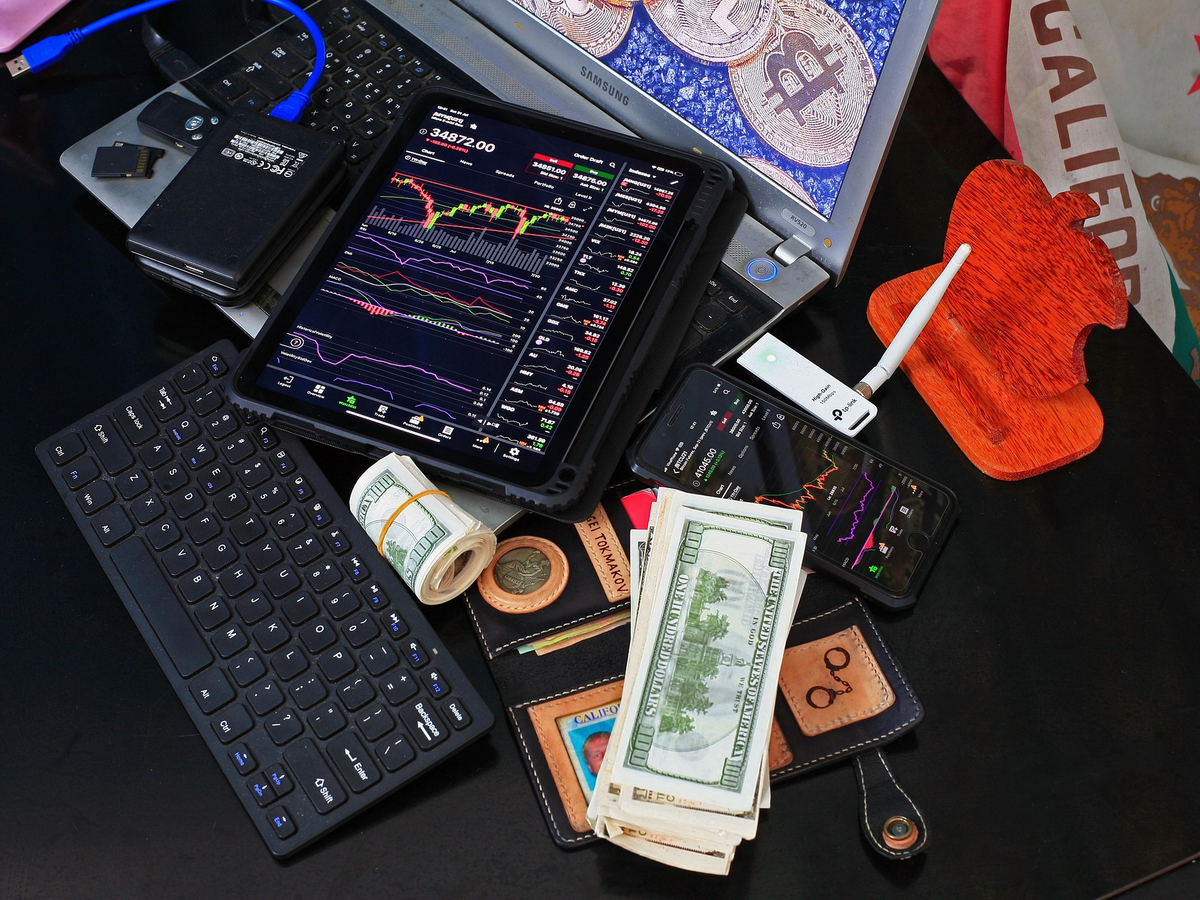
Robinhood Markets Stock: Is the Zero-Commission King Back in Play?
01.03.2026 - 21:04:54 | ad-hoc-news.de
Bottom line: If you trade on your phone, Robinhood Markets is probably already on your screen. But the bigger question is this: is Robinhood Markets stock itself worth your money right now, or is the hype fading?
You are not just downloading an app anymore. You are deciding whether to back the company behind the meme-stock era, crypto trading for everyone, and commission-free investing that forced Wall Street to change the rules.
See what Robinhood looks like from the inside before you buy the stock
What users need to know now: earnings, user growth, new products, regulation risk, and how all of that hits the Robinhood Markets share price in the US.
Analysis: What is behind the hype
Robinhood Markets is the US-first, mobile-native brokerage that made zero-commission stock and crypto trading the default for Gen Z and Millennials. Instead of old-school brokers, you get swipe-to-trade, fractional shares, and instant notifications on your phone.
On the market side, Robinhood Markets trades on the Nasdaq under the ticker HOOD, with shares quoted in USD. That makes it easily accessible through almost any US broker, including Robinhood itself.
| Key data point | What it means for you |
|---|---|
| Company | Robinhood Markets, Inc. - US-based online brokerage and fintech platform |
| Ticker | HOOD (Nasdaq) |
| Currency | USD - ideal for US investors |
| Business model | Zero-commission trading, payment for order flow, margin interest, subscriptions (Gold), cash management, and crypto trading |
| Core audience | US retail investors, especially Gen Z and Millennials using mobile first |
| Regulation | Overseen by US regulators like the SEC and FINRA, plus scrutiny on payment for order flow |
From a product perspective, Robinhood has evolved from "free stock trades" into a broader money app with:
- Stocks and ETFs with no trading commission for US-listed assets.
- Crypto trading for major coins, fully integrated in one app.
- Options trading with a slick mobile interface, but higher risk.
- Cash management features like a high-yield cash sweep and debit card.
- Robinhood Gold as a subscription for extra features like margin access and higher interest on cash.
Why this matters for the Robinhood Markets stock price: every new feature is a potential revenue stream and a way to keep users locked into the ecosystem, which Wall Street is watching closely.
How Robinhood makes its money (and why that is controversial)
Even though trades look free in the app, Robinhood still gets paid. A big part of its revenue in the US comes from payment for order flow (PFOF) - routing trades to market makers who pay Robinhood for that flow.
Critics argue this can create conflicts of interest if the broker is paid more for certain routing decisions. Supporters say users still get tight spreads and zero commissions, which is what most care about.
US regulators have repeatedly looked at PFOF, and any serious rule change could hit Robinhood's margins. That regulatory overhang is one of the main reasons the stock can move sharply when Washington talks about market structure reforms.
Why US investors still care about Robinhood
For US retail investors, Robinhood is not just an app; it is a behavior shift. It trained millions of first-time traders to:
- Trade from their phone instead of a desktop terminal.
- Use fractional shares to buy small pieces of high-priced stocks.
- Move between stocks, options, and crypto in one interface.
- Obsess over real-time notifications and social sentiment.
That makes the company deeply plugged into US market retail flows. Whenever the next meme stock or crypto spike hits, Robinhood usage data and transaction volumes can jump - and the stock often reacts too.
What users are saying right now
On Reddit investing subreddits and X (formerly Twitter), the mood around Robinhood Markets is mixed but loud:
- Fans praise the app design, simple interface, instant deposits, and the way it removes friction for starting with small amounts.
- Critics still bring up the meme-stock trading restrictions from the GameStop era, concerns about outages on high-volatility days, and the risk of pushing beginners into complex products like options.
- Stock watchers argue over valuation: some see Robinhood as a maturing fintech platform, others see it as a meme-adjacent, highly cyclical trading play.
YouTube reviewers in English often split into two groups: app reviewers looking at UX and fees, and finance creators breaking down Robinhood's financials and strategy. Both groups consistently highlight how tightly the brand is tied to the US retail trading boom.
Want to see how it performs in real life? Check out these real opinions:
US availability, fees, and what it means for the stock
Robinhood is built first for the US market. If you are in the United States, you can typically open a brokerage account quickly, fund in USD, and start trading US-listed stocks, ETFs, options, and certain cryptocurrencies from the app.
Core trading is marketed as $0 commission for US stocks and ETFs. That aggressive pricing is exactly why traditional brokers cut their own commissions to zero, compressing industry margins and positioning Robinhood as a disruptive force.
For the company, that means Robinhood must lean heavily on non-commission revenue streams to satisfy shareholders. Think interest on uninvested cash, paid subscription tiers, and margin interest. So if US interest rates change or regulation tightens, the stock price can reflect that fast.
Risk profile: why Robinhood stock is not a sleepy blue chip
If you are considering the Robinhood Markets Aktie as an investment, you are signing up for something very different from a classic dividend stock.
- High sensitivity to trading volume: When markets are calm and boring, casual investors trade less. That can weigh on revenue.
- Regulatory risk: If US authorities limit payment for order flow or tighten rules on options and crypto for retail users, Robinhood could feel it directly.
- Reputational volatility: Outages, restrictions, or viral social media backlash can hit downloads, app reviews, and the narrative around the stock.
- Product concentration: While Robinhood is diversifying, a big chunk of its energy is still around trading activity, not long-term banking relationships.
In exchange for that risk profile, bulls argue that Robinhood gives you leveraged exposure to US retail trading behavior. If another huge wave of meme-stock or crypto speculation breaks out, HOOD can move dramatically.
How experts and analysts are framing it
US equity analysts who follow Robinhood often fall into two camps:
- Fintech growth lens: They compare Robinhood to other app-first financial platforms, focusing on monthly active users, assets under custody, new product launches, and cross-selling into subscriptions and cash products.
- Brokerage cycle lens: They see it as a trading-volume-driven business, highly exposed to market volatility, sentiment, and short-term speculation trends.
Recent research notes generally highlight:
- Upside potential if Robinhood can successfully expand into more stable revenue streams like retirement accounts, full banking, or international markets.
- Ongoing concerns about profitability consistency, competition from big US brokers, and the regulatory conversation around retail trading.
On the influencer side, US finance YouTubers tend to present Robinhood as a solid on-ramp app for beginners but are increasingly telling followers to diversify brokers or graduate to more advanced platforms for bigger portfolios.
Pros and cons of Robinhood Markets as a stock
Here is the distilled, user-first view if you are thinking about buying Robinhood Markets shares:
Pros
- Cultural relevance: Robinhood is a top-of-mind brand for US retail traders, especially young first-time investors.
- Zero-commission pioneer: It forced a pricing revolution in the US, proving it can disrupt entrenched players.
- App-first design: Mobile UX is still a strong selling point versus clunkier legacy brokers.
- Multiple revenue levers: Trading, interest income, subscriptions, and crypto all feed into the top line.
- Optionality: If it successfully expands into more banking, retirement, or global markets, the story broadens beyond trading cycles.
Cons
- Volatile earnings: Heavy reliance on user trading activity makes revenues swing with market excitement.
- Regulatory spotlight: Payment for order flow, options access, and crypto are all in regulators' line of sight.
- Reputation scars: The meme-stock trading halt episode still shows up in social media discussions and app reviews.
- Intense competition: Big US brokers and other fintechs offer similar zero-commission deals with deeper product menus.
- Not a defensive play: HOOD is more of a high-beta sentiment stock than a steady compounder.
How to think about Robinhood Markets in your portfolio
If you are a US-based investor, you can buy Robinhood Markets stock in the same way you buy any other Nasdaq-listed name, usually with no commission across most major brokers.
The more honest framing: this is likely a satellite position, not a core holding. It fits best if you are comfortable with volatility and you want targeted exposure to US retail trading behavior and fintech disruption.
Before you touch the stock, it is worth doing two checks: how you actually use the Robinhood app yourself, and how dependent your thesis is on short-term trading hype versus long-term product expansion.
What the experts say (Verdict)
Putting it all together, here is the current expert-style verdict on Robinhood Markets for US investors:
- Product verdict: Still one of the cleanest, easiest on-ramps for US beginners who want to buy their first stock or crypto on their phone. Design and simplicity remain a big edge, but power users often upgrade to more advanced brokers.
- Brand verdict: Iconic for the meme-stock era with strong name recognition among Gen Z and Millennials, but carrying baggage from past trading restrictions and outages.
- Stock verdict: More of a high-risk, high-volatility fintech and trading-cycle bet than a stable long-term compounder. Upside depends on sustained user growth, product diversification, and how regulation shakes out.
- US relevance: Deeply tied into US retail trading, quoted in USD, and shaped by US regulation. If you want to bet on the behavior of small US traders, this is one of the purest plays.
- Actionable takeaway: If you are comfortable with swings and want speculative exposure to the future of app-based trading, Robinhood Markets can be a small, clearly labeled risk position in your portfolio; if you want stability, treat it as watchlist-only.
As always, do not invest just because you like or hate the app. Dig into the financials, understand where the revenue really comes from, and decide if the risk level fits your money plan before you tap "buy" on HOOD.
So schätzen die Börsenprofis Robinhood Markets Aktien ein!

Für. Immer. Kostenlos.