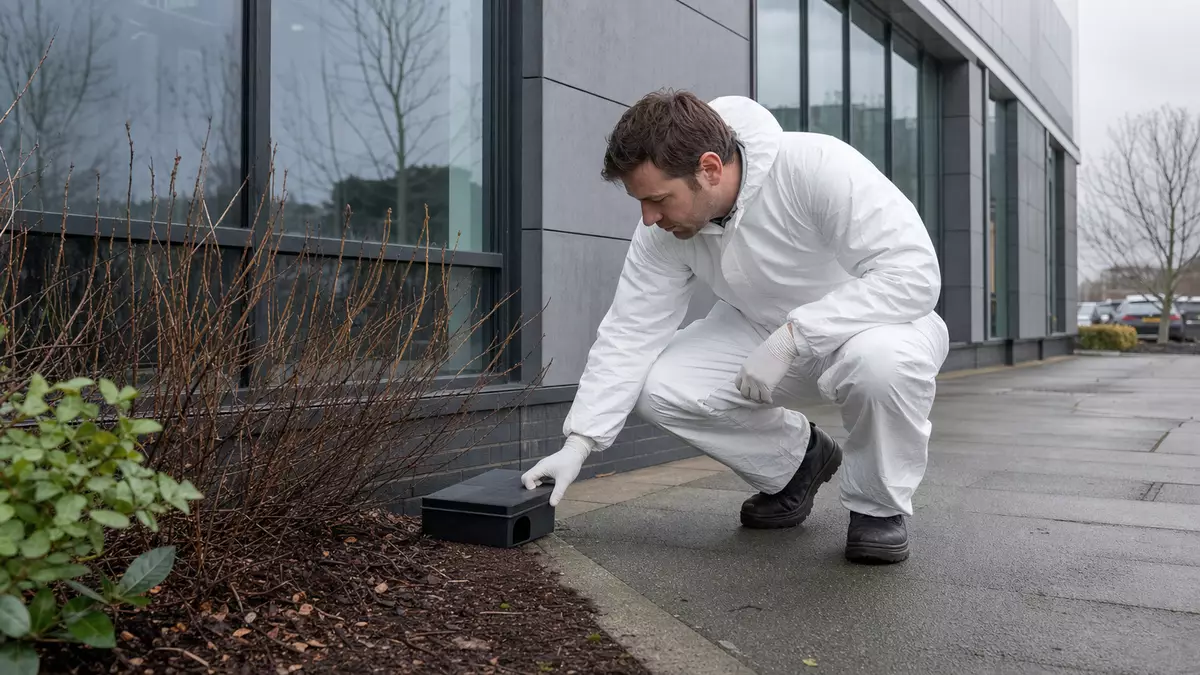
Rentokil stock trades steadily as pest control margins support earnings outlook
Published on 07/25/2026 at 11:38 | Editorial responsibility: Rafael Müller, Editor-in-Chief AD HOC NEWS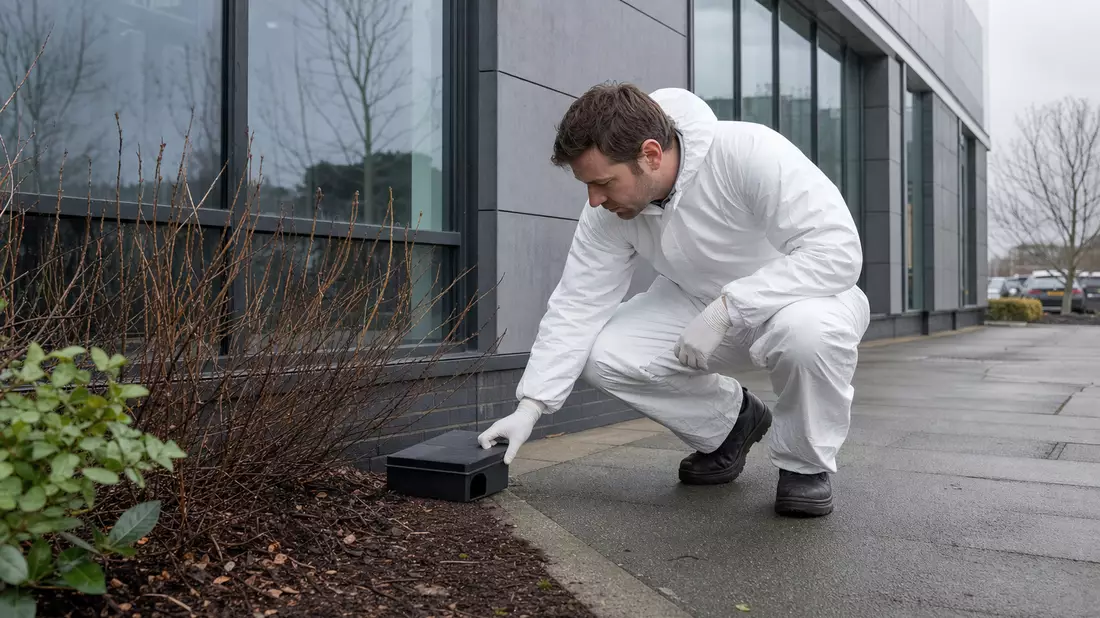
Rentokil Initial (ISIN GB00B082RF11) stock remains supported by revenue growth and resilient margins in its pest control and hygiene operations, with investors watching how earnings absorb integration costs and interest expenses in 2024. According to the companys latest annual reporting for fiscal 2023, Rentokil Initial generated revenue of approximately GBP 5.0 billion, up from around GBP 3.7 billion in fiscal 2022, reflecting the full-year impact of acquisitions and organic expansion in core pest control markets. The group also reported adjusted profit before tax of roughly GBP 540 million in 2023 compared with about GBP 380 million in 2022, highlighting an improvement in underlying profitability even as integration and restructuring costs continued. For investors, the key point is that Rentokil Initial now operates at a larger scale with higher earnings capacity, but the pace of margin progression and cost synergies will determine how the stock is valued over the next reporting cycles.
Revenue up around 35 percent
In its fiscal 2023 figures, Rentokil Initial showed that reported revenue increased by roughly 35 percent versus fiscal 2022, rising from close to GBP 3.7 billion to approximately GBP 5.0 billion over the period. This uplift was driven by the expansion of the companys pest control footprint in North America and continued organic growth in commercial and residential contracts across its key regions. The integration of acquired operations, including prior large transactions in the United States, added substantial scale to the portfolio and broadened the customer base, particularly in service contracts with recurring revenue. For investors analyzing Rentokil stock, this revenue expansion indicates that the company has successfully translated its acquisition strategy into a materially larger business, though it also raises the question of how quickly the enlarged platform can deliver fully optimized margins after integration costs.
Alongside the revenue growth, the companys adjusted profit before tax climbed from about GBP 380 million in fiscal 2022 to roughly GBP 540 million in fiscal 2023, representing an increase of around 42 percent. This improvement reflects both volume growth and operational efficiencies in the pest control and hygiene segments, as well as ongoing pricing initiatives in markets where Rentokil Initial has strong competitive positions. The adjusted profit figures exclude certain one-off items, such as restructuring charges and some acquisition-related expenses, which helps investors assess the underlying earnings power of the business. For Rentokil stock, the combination of a roughly 35 percent revenue increase and a more than 40 percent rise in adjusted profit before tax underlines that the expanded group is not only larger but also incrementally more profitable on an adjusted basis, even if reported margins remain subject to integration effects.
Margin resilience supports earnings
Margin performance is central to how the market views Rentokil Initial, because pest control operations are operationally intensive, with technicians, vehicles, and service infrastructure representing substantial cost bases. In its latest annual figures for fiscal 2023, the company indicated that adjusted operating margins held in a mid-teens range, with a modest improvement versus fiscal 2022 despite integration costs related to recent acquisitions. While exact segment margins differ between pest control and hygiene, the overall profile suggests that Rentokil Initial has maintained resilience in its earnings generation even as it digested a significantly larger portfolio of customers and service territories. For investors in Rentokil stock, this margin stability matters because it demonstrates that the company has been able to convert increased revenue into higher profit without materially diluting profitability levels.
The integration of large North American pest control operations has required restructuring and synergy programs, which in turn have influenced reported margins and cash flows. Rentokil Initial typically pursues cost synergies through route optimization, consolidation of back-office functions, and procurement efficiencies, all of which can initially incur one-off costs before benefits materialize. In fiscal 2023, the company communicated that synergy realization was progressing and contributing to earnings, though the full impact is expected over multiple years rather than in a single period. For Rentokil stock, investors will therefore focus on future updates to see whether margins can edge higher as integration work matures and recurring cost savings become more visible in operating profit and cash generation.
Debt, cash flow, and dividend profile
Rentokil Initials capital structure and cash flow are another important dimension for investors. Following the expansion in North America and other regions, the group carries a meaningful level of net debt, with fiscal 2023 net debt standing in the low single-digit billions of GBP. This leverage is financed across bank facilities and capital markets, and servicing it requires stable cash generation from operations. In its latest annual reporting, Rentokil Initial emphasized that operating cash flow remained robust, with the business generating several hundred million pounds in free cash flow after capital expenditures in fiscal 2023. Such cash generation gives the company room to continue investing in organic growth and integration initiatives while also supporting dividend payments.
On dividends, Rentokil Initial has historically maintained a progressive dividend policy, and for fiscal 2023 the company declared a total dividend per share that was slightly higher than the prior year, reflecting confidence in the underlying earnings trajectory. While the precise dividend per share figure and yield fluctuate with the share price, the increase versus fiscal 2022 signals that management is willing to share a portion of the growing profit with shareholders, even as integration and synergy programs remain ongoing. For Rentokil stock, a gradually rising dividend, backed by earnings and cash flow, contributes to the total return profile and may appeal to investors who seek both growth and income from a global business services company.
Pest control operations as growth driver
The core of Rentokil Initials business is pest control, which has benefited from structural demand drivers such as urbanization, stringent hygiene standards in food and healthcare sectors, and increased awareness of public health risks associated with pests. In recent reporting, pest control has accounted for the majority of Rentokil Initials revenue, with this segment contributing well over half of the roughly GBP 5.0 billion total group revenue in fiscal 2023. The company operates thousands of service routes worldwide and employs a large technician workforce to deliver on-site services ranging from rodent control to insect management in commercial and residential settings.
Rentokils pest control operations often include multi-year contracts with commercial customers such as food-processing facilities, hotels, and restaurants, providing recurring revenue streams. This contracted nature helps smooth earnings and supports cash flow visibility, which is valuable when the company is managing integration projects and debt service. The firm also invests in specialist technologies, including digital monitoring solutions and data-driven pest control approaches, aimed at improving service efficiency and differentiating its offerings. For investors considering Rentokil stock, these operational details matter because they underpin the revenue resilience and margin characteristics that emerge in the consolidated financial numbers.
Hygiene and other services complement the core
Beyond pest control, Rentokil Initial operates hygiene services and other ancillary offerings that complement the core business. Hygiene services include washroom hygiene, hand hygiene, and related solutions that support cleanliness standards in commercial buildings, schools, and healthcare facilities. In fiscal 2023, these hygiene activities contributed a significant minority share of overall revenue, helping diversify the groups income streams and providing cross-selling opportunities to customers that also use pest control services. The combined portfolio enables Rentokil Initial to position itself as a broader environmental and hygiene services provider.
The hygiene segment typically features service contracts with regular maintenance visits and product replenishment, which, like pest control, contribute to recurring revenue patterns. While margins can differ due to product costs and competitive dynamics, hygiene generally complements the pest control division by leveraging similar service infrastructure and customer relationships. Investors examining Rentokil stock therefore often view the hygiene segment as a stabilizing factor that smooths earnings across economic cycles, since demand for basic hygiene and washroom services is relatively continuous even when broader economic conditions fluctuate.
Geographic footprint and integration themes
Rentokil Initial has a broad geographic footprint, with operations in Europe, North America, Asia-Pacific, and other regions. North America has grown markedly in importance over recent years, particularly following large acquisitions that expanded Rentokils presence in the United States. As a result, North America now represents a substantial proportion of group revenue and profit, offsetting more mature markets in Europe. The companys strategy has been to build scale in key geographies where pest control market penetration still offers room for growth, and where consolidation can enhance pricing power and service efficiency.
Integration remains a critical theme within this geographic expansion. Bringing together different operating cultures, systems, and brands requires careful management and can affect both costs and service delivery. Rentokil Initial has outlined integration plans that include harmonizing processes, investing in shared technology platforms, and pursuing cost synergies such as route optimization and procurement savings. These efforts are expected to support margins and cash flow over time, but they also pose operational risks if integration does not proceed as planned. For Rentokil stock, the success of these integration initiatives will influence investor confidence in the companys ability to deliver on its earnings and synergy targets while maintaining service quality across its global network.
ESG, regulation, and long-term demand
Environmental, social, and governance (ESG) considerations, as well as regulatory frameworks, play a meaningful role in Rentokil Initials operating environment. Pest control and hygiene services are closely tied to public health and environmental standards. Consequently, Rentokil must comply with regulations regarding pesticide usage, waste disposal, and occupational safety. The company has set various sustainability and responsibility goals, including reducing its carbon footprint and investing in more environmentally friendly products and practices. Investors increasingly monitor these ESG metrics as part of their evaluation of Rentokil stock, particularly given the heightened focus on sustainable business models in global capital markets.
Long-term demand for pest control and hygiene services is underpinned by structural drivers that are relatively independent of short-term macroeconomic fluctuations. These include urbanization, stricter food safety regulations, and a heightened emphasis on hygiene following public health events. Rentokils ability to provide reliable, compliant services across diverse geographies positions it to benefit from these trends. At the same time, the company must continuously adapt to evolving regulatory requirements and public expectations regarding environmental impact. How effectively Rentokil Initial integrates ESG considerations into its operations and disclosures will likely influence both its access to capital and the investor base attracted to Rentokil stock in the coming years.
Product and service focus in pest control
Rentokil Initials representative product and service focus in pest control includes its integrated pest management offerings, in which technicians combine physical measures, monitoring devices, and targeted treatments to manage pest populations. These solutions often rely on monitoring equipment and cloud-connected systems that allow clients to track pest activity over time and receive service reports. Revenue from these types of offerings forms part of the broader pest control segment, which, as noted, delivers the majority of the companys approximately GBP 5.0 billion total revenue in fiscal 2023. By focusing on integrated, data-informed approaches, Rentokil seeks to differentiate its services and achieve higher customer retention rates.
Rentokil stock price context and market view
Rentokil Initials shares are listed on the London Stock Exchange, traded in GBX (pence) and situated within the FTSE 100 index, reflecting the companys status as a large-cap UK issuer. As of a recent trading day in 2024, Rentokil Initial stock traded at a level of around GBX 450, placing it roughly in the middle of its 52-week range between approximately GBX 380 and GBX 510. This range indicates that the stock has experienced both periods of weakness and strength over the year, influenced by market reactions to earnings releases, integration progress updates, and broader sector sentiment.
At a share price in the mid-400 pence area, Rentokil Initials market capitalization stands in the multiple billions of GBP, consistent with its FTSE 100 membership. Investors assessing Rentokil stock at these levels weigh the demonstrated revenue and profit growth against the challenges of integration, leverage, and margin optimization. The companys ability to continue growing earnings, manage debt, and maintain or gradually increase dividends will be central to how the market prices the shares within their 52-week range. For long-term holders, the structural demand drivers in pest control and hygiene, combined with the companys global footprint, form the backdrop to any nearer-term volatility driven by operational or macroeconomic factors.
Further information on Rentokil Initial
Investors can access more detailed financial data and disclosures for Rentokil Initial, including annual reports, presentations, and governance materials, through the companys Investor Relations resources and dedicated information hubs.
Rentokil Initial share facts
- Company: Rentokil Initial plc
- ISIN: GB00B082RF11
- Ticker: LSE: RTO
- Trading venue: London Stock Exchange
- Price (as of 1 July 2024, 16:30 BST): 450 GBX
- Market capitalization: 8.5 billion GBP (as of 1 July 2024)
- Sector / Industry: Industrials / Commercial Services and Supplies
- Index membership: FTSE 100
- Next earnings date: 8 August 2024
Disclaimer regarding our articles: No investment advice, no buy or sell recommendation. Information on prices, companies, and markets is provided without guarantee; changes are possible at any time. Stock market transactions can lead to substantial losses. Our articles are created and reviewed in whole or in part automatically with the support of AI.