R.E.M. Rumors Are Back: Why 2026 Feels Different
Published on 02/11/2026 at 02:00 | Editorial responsibility: Rafael Müller, Editor-in-Chief AD HOC NEWS
If you're suddenly seeing R.E.M. all over your feed again, you're not imagining it. From TikTok edits of Losing My Religion to Reddit threads dissecting every tiny move from the band's camp, the buzz around R.E.M. in 2026 feels louder, more urgent, and way more hopeful than it has in years. Fans are asking the same thing: is this finally the moment where one of the most important American bands of the last 40 years does something big again?
Visit R.E.M.'s official HQ for the latest updates
To be clear: as of early 2026, R.E.M. have not officially announced a full reunion tour or new studio album. The band famously called it a day in 2011, and they've repeated in multiple interviews that the split was permanent. But at the same time, anniversaries, reissues, surprise appearances, and a new wave of Gen Z listeners have cracked the door open in a way that has fans obsessively reading between the lines.
You're seeing people charting flight paths, decoding interviews, and screenshotting site updates from remhq like they're clues in an ARG. So what's actually happening, what's just wishful thinking, and what would an R.E.M. "return" even look like in 2026?
The Backstory: Breaking News in Detail
First, let's lay down the reality: R.E.M. officially dissolved in 2011 after the Collapse Into Now era, with the band framing it as a conscious, friendly decision. Since then, they've curated deluxe reissues, live archives, and anniversary projects, but they haven't stepped back onstage as a fully touring band.
In recent years, though, the cycle of "R.E.M. is in the air" moments has intensified. Major album anniversaries keep piling up: Murmur, Document, Automatic for the People, Monster, and New Adventures in Hi-Fi have all had high-profile reissues and box sets. Music press outlets in the US and UK have run long oral histories, and band members have done fresh interviews reflecting on their career, the state of politics, and how their music fits into now.
Across interviews with outlets like Rolling Stone, NME, and BBC radio over the last few years, the band's comments have followed a similar line. Michael Stipe has repeatedly said that a full-blown reunion tour isn't on the cards, stressing that the band ended on their own terms and that they want that decision to stand. Peter Buck has been even more blunt at times, saying he doesn't want to play in a "big rock band" again.
But here's where the 2026 energy shift comes in: the band’s universe has become more active again, just not in the predictable "we're back on tour" way. Recent years have seen:
- High-profile tribute performances by younger artists covering R.E.M. classics at festivals and award shows.
- Expanded editions of classic albums with unheard demos and live recordings, igniting fresh debate over the band's evolution.
- Michael Stipe hinting at solo material and continuing to appear at special events, keeping the R.E.M. myth alive without officially reviving the band.
- R.E.M. songs exploding on TikTok, especially Losing My Religion, Everybody Hurts, Man on the Moon, and Nightswimming, as Gen Z creators use them for emotional edits, political posts, and nostalgia-coded aesthetics.
Fans are also hyper-aware that legacy bands are now embracing "one night only" reunions, special festival sets, and high-production livestream events instead of long global tours. So when R.E.M. members show up together at industry events, or when official channels tease archival video drops or anniversary content, fans instantly leap to "This is it. Something big is coming."
There's also a wider cultural factor: R.E.M.'s blend of political anxiety, emotional vulnerability, and melodic weirdness fits eerily well with the 2020s mood. The sense of collapse, the endless scroll of news, the collective burnout – a whole generation is discovering that R.E.M. already soundtracked these feelings decades ago. That emotional match between now and their catalog is a huge reason why every tiny move from the band gets amplified.
So while we don't have a press release screaming "2026 WORLD TOUR", we do have this: an unusually high level of attention, constant archival activity, more vocal fan demand, and a music landscape that is suddenly very R.E.M.-shaped again.
The Setlist & Show: What to Expect
Let's talk fantasy, but keep it grounded in reality. Because even without a confirmed tour, you can sketch what a 2026 R.E.M. live show would probably look and feel like just by tracking how they treated their catalog in the 2000s and what fans obsess over now.
Historically, their late-era sets balanced deep cuts and hits in a way few bands of their generation managed. A typical show from the final tours might move effortlessly from early jangle to arena anthems, for example:
- Living Well Is the Best Revenge
- What's the Frequency, Kenneth?
- Drive
- Man-Sized Wreath
- Ignoreland
- Walk Unafraid
- Man on the Moon
- Imitation of Life
- The One I Love
- It's the End of the World as We Know It (And I Feel Fine)
- Let Me In
- Losing My Religion
- Electrolite
- Bad Day
That balance would likely hold in 2026, but the emotional center of gravity might shift. The songs that resonate hardest online right now give us strong clues:
- Everybody Hurts – fully reclaimed as a mental health anthem for the 2020s, it would be a guaranteed collective breakdown moment.
- Losing My Religion – still the nuclear core of their mainstream fame, but now read through queer, deconstruction, and "losing faith in everything" lenses.
- Nightswimming – TikTok and Instagram have turned it into a nostalgia-aesthetic centerpiece, so hearing it live would feel like stepping into a dream.
- Orange Crush & Ignoreland – political songs that suddenly sound like they were written yesterday.
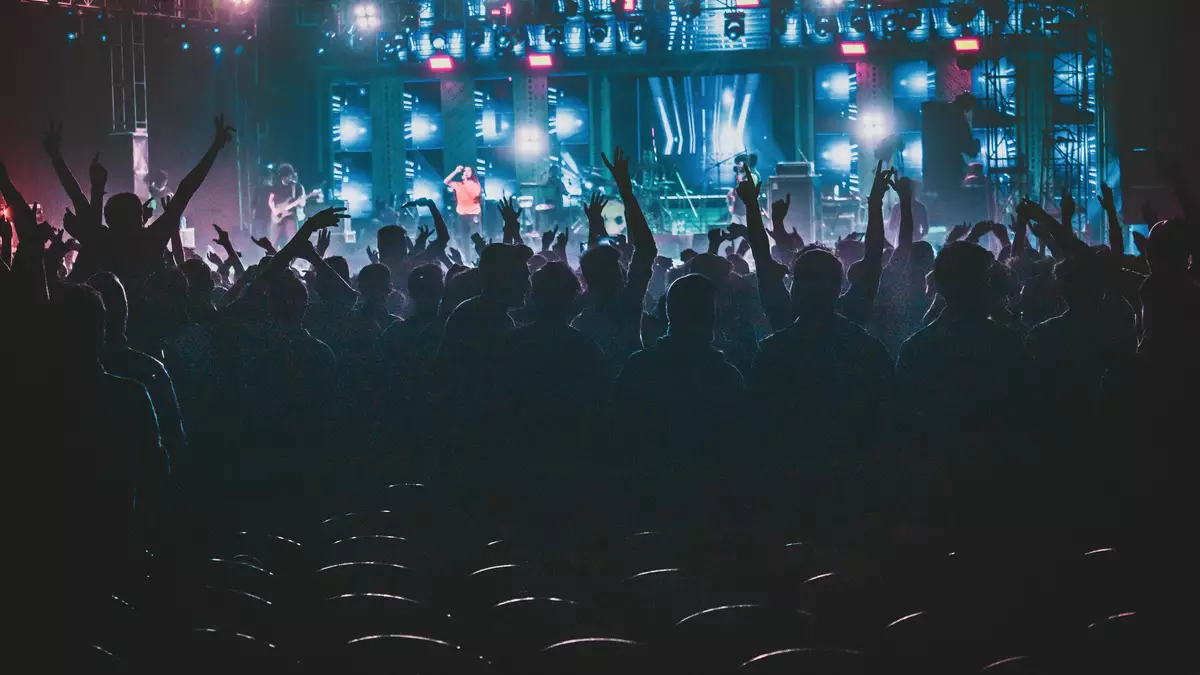
Atmosphere-wise, an R.E.M. 2026 show wouldn't be about huge LED walls and pyro. It would be about emotion and connection. Picture this:
- No overblown stage theatrics, but strong, moody lighting and archival visuals – grainy Athens footage, handwritten lyric fragments, collage art.
- Michael Stipe pacing the stage, body language half-performance art, half-confessional, focusing your attention on every line.
- An older but locked-in rhythm section, with Mike Mills' harmonies cutting straight through the mix, reminding everyone how crucial he is to the band's sound.
- Setlists rotating nightly, pulling surprises like Strange Currencies, So. Central Rain, Harborcoat, or New Test Leper to keep hardcore fans guessing.
Expectations around support acts are another fan obsession. If R.E.M. ever did special shows or a mini-run, it's easy to imagine them handpicking openers from the current indie and alt scenes – artists who clearly grew up on Murmur and Automatic for the People. Think angular guitar bands, politically sharp singer-songwriters, or queer alt-pop acts who cite R.E.M. as a formative influence.
And then there's the money question: if tickets ever went on sale, how brutal would pricing be? Legacy acts filling arenas and stadiums usually mean dynamic pricing and "platinum" tiers. But R.E.M.'s ethos has historically leaned far more anti-corporate and fan-conscious than many of their peers. Fans online speculate that the band would push for something more grounded – maybe scaled pricing, limited VIP, and strong anti-scalper tools – if they ever stepped into that arena again.
Until or unless that happens, the "setlist" you experience is more likely to be digital: official live uploads, archival releases, fan-traded bootlegs, and playlist recreations of classic tour runs. But the way fans talk about imaginary 2026 R.E.M. shows – song orders, encore fantasies, dream medleys – is proof that the idea of seeing them live still lives very close to the surface.
What the web is saying:
Rumor Mill: What Fans Are Speculating
This is where the energy really spikes. Scroll through r/music, r/indieheads, or band-specific threads and you'll see the same patterns loop every few months – only now they're sticking around longer.
1. "They're teasing a one-off reunion show."
Any time R.E.M. members appear together in public, fan radar goes wild. A photo from an event, a joint interview, or even a casual comment about "hanging out with the guys" spirals into theories about a one-night-only show in Athens, New York, or London. Some fans picture a small theatre or college-town venue livestreamed worldwide, others imagine a prime spot on a major US or UK festival bill.
The argument in favor: bands that swore off full reunions have still done selective events that felt more like "celebrations" than "tours." Think Rock Hall moments, benefit gigs, or anniversary specials. R.E.M. stepping out for a curated, one-off, charity-linked show isn't impossible – it just hasn't happened yet.
2. "There's a surprise archival live album coming."
This one is much more realistic, and honestly, probably inevitable. With every anniversary cycle, fans comb through the band's classic tour years and guess which show will finally get the official treatment: a fully mixed 1985 college gig, a 1995 Monster-era stadium set, or a late-2000s festival headliner.
Reddit threads and fan blogs trade setlists, bootleg rankings, and wishlists constantly. The speculation usually sounds like: "They've hinted at loving that tour, the tapes exist, and vinyl nerds would go feral – it has to be next." That kind of archival drop would scratch the live itch for a lot of people without requiring the band to reform in a conventional way.
3. "Michael Stipe’s solo work will secretly feature the other members."
With Stipe slowly moving toward solo releases, some fans are convinced there'll be a stealth mini-reunion inside that rollout. The theory is that Mike Mills or Peter Buck might quietly play on a track or co-write something, giving us "R.E.M. in everything but name." Others think the opposite: that Stipe will deliberately draw a hard line to avoid creating false hope.
4. "TikTok is going to force a chart resurgence."
Another favorite thread: which R.E.M. song is going to become the next ultra-viral audio? Losing My Religion and Everybody Hurts already have traction, but fans point at deeper cuts like World Leader Pretend, Sweetness Follows, or Daysleeper as ripe for political edits and "stare out the window at 3am" content.
Some fans genuinely believe that a big enough TikTok wave could drag an old R.E.M. single back into the global charts and push labels to accelerate reissue or live projects. Given what we've already seen with older songs from other artists rocketing up Spotify after a trend, it's not a wild theory.
5. "If they come back, tickets will be a bloodbath."
Less a rumor, more a collective dread. Threads are full of people game-planning what they'd sacrifice to see R.E.M. live even once: travel, savings, multiple devices on the ticket queue. There’s also a real worry about ticket pricing and ethics – will a band that built its identity on punk-adjacent principles want to exist inside the current mega-tour economy?
Underneath all the speculation is one constant: fans trying to manage their own expectations. You'll see the same comment over and over – "I don't want to get my hopes up, but if it happens, I'm there no matter what." That push-pull between hope and realism is part of why the R.E.M. rumor cycle never fully dies.
Key Dates & Facts at a Glance
| Type | Event | Date | Location / Detail |
|---|---|---|---|
| Formation | R.E.M. formed in Athens, Georgia | Early 1980s (widely cited as 1980) | Athens, GA, USA |
| Debut EP | Chronic Town released | 1982 | First widely noticed release |
| Debut Album | Murmur released | 1983 | Critically acclaimed debut LP |
| Breakthrough | Document era and growing mainstream profile | 1987 | Included hit The One I Love |
| Global Fame | Out of Time and Automatic for the People | 1991–1992 | Major hits like Losing My Religion and Everybody Hurts |
| Stadium Era | Monster tour peak | Mid-1990s | Huge global tours, louder rock sound |
| Late Period | Accelerate and Collapse Into Now | 2008–2011 | Back-to-rock energy, final studio albums |
| Disbanding | R.E.M. announce split | 2011 | Band states decision is amicable and final |
| Anniversary Waves | Major reissues and box sets | 2010s–2020s | Expanded editions of key albums, unreleased material |
| 2020s Buzz | Streaming & social resurgence | 2020–2026 | Catalog gains new Gen Z audience; reunion chatter intensifies |
FAQ: Everything You Need to Know About R.E.M.
Who are R.E.M. and why do people care so much in 2026?
R.E.M. are a band from Athens, Georgia that helped define what "alternative rock" even means. Long before the term went mainstream in the 1990s, they were the college-radio group turning weird, poetic, half-mumbled songs into something people could feel in their bones. Across three decades, they moved from indie outsiders to global headliners without losing the sense that they were slightly off-center, slightly out of step with the obvious path.
People still care because their catalog hits way harder than "heritage act" status suggests. Tracks like Everybody Hurts, Drive, World Leader Pretend, and Losing My Religion feel like they were written for the mental health crises, political dread, and identity questions of right now. R.E.M. songs let you be confused, scared, hopeful, and messy without offering fake comfort – which is exactly what many Gen Z and millennial listeners are looking for.
Did R.E.M. really break up for good?
Yes, in 2011 the band formally ended. They framed it as closing the book properly instead of fading out. In multiple interviews since, the message has been consistent: there's gratitude, no drama, and no plan for a typical reunion tour.
But "for good" is doing a lot of emotional work for fans. On paper, the split stands. In practice, the band members still talk, collaborate on archival projects, and appear in public. That's more than enough to keep hope alive that they might one day choose to share a stage again, even if it's just for one or two curated events.
Will R.E.M. tour again in 2026?
As of now, there is no official announcement of a 2026 R.E.M. tour. Any "tour dates" you see floating around social media that don't come directly from the band's official channels should be treated as speculation or outright fakes.
Could something change? It's impossible to rule it out completely, because bands and people evolve. Health, interest, global events, and personal lives all play a role. But based on what the band has said for over a decade, fans should assume that if anything happens, it will be selective and intentional – not a 50-date arena run with VIP packages and a full nostalgia machine.
Where should fans look for real updates on anything R.E.M.-related?
Your safest move is to bookmark and regularly check the band's official hub and verified socials. Fan forums, Reddit threads, and TikTok can be good for spotting patterns, but they're also where rumors grow without any grounding.
Use this rule: if a supposed announcement doesn't show up on official channels or established music news outlets, treat it as speculation. It's completely fine to enjoy the what-ifs – just don't base your savings or travel plans on a screenshot.
Why are younger listeners suddenly obsessed with R.E.M.?
There are a few overlapping reasons:
- Algorithm spillover – once you like one '90s alt track or moody indie playlist, R.E.M. tracks start appearing next to Radiohead, The Cure, and newer bands like The National or Big Thief.
- TikTok and edits – emotional lyrics, unusual melodies, and slow builds like in Nightswimming or Everybody Hurts work perfectly for aesthetic and confession-style content.
- Political and climate anxiety – songs like Orange Crush, Exhuming McCarthy, and Ignoreland channel anger and unease that feel painfully familiar in the 2020s.
- Queer and outsider resonance – Michael Stipe’s openness about queerness and the band's embrace of vulnerability speak directly to listeners looking for non-macho, non-ironic rock music.
The result: R.E.M. aren't just "your parents' band" anymore. They slide effortlessly into playlists for late-night walks, protest marches, breakup fallout, and introspective journaling.
What albums or songs should a new fan start with?
If you're R.E.M.-curious in 2026, you can approach their catalog in a couple of smart ways:
- The emotionally direct route: Start with Automatic for the People. It's dense, sad, beautiful, and stuffed with songs that still circulate online: Everybody Hurts, Man on the Moon, Nightswimming. If that hits, branch out to Out of Time and New Adventures in Hi-Fi.
- The indie-history route: Go to Murmur and Reckoning for early, murky jangle; then Document and Green to hear them sharpen into something bigger without losing the weirdness.
- The rock-show route: Hit Monster and Accelerate to get the louder, guitar-forward side, especially if you come from grunge, punk, or modern alt-rock.
Key songs that keep popping up in 2020s discourse include: Losing My Religion, Everybody Hurts, Drive, Strange Currencies, World Leader Pretend, So. Central Rain, Electrolite, and At My Most Beautiful.
Why do R.E.M. avoid a straightforward nostalgia comeback?
Part of the band's entire identity is wrapped up in not doing the obvious move. They walked away while they could still sell tickets, they've stayed picky about licensing, and they haven't leaned hard into meme culture or self-parody.
There's also a values question. A cash-grab stadium run with VIP upcharges and TikTok-ready "viral" set pieces would clash with the band’s long-standing streak of independence, politics, and low-key weirdness. If they ever resurface live, fans expect something thought-through: maybe a benefit, a concept show around a specific album, or an arts-focused project with a limited footprint.
What's the best way to support R.E.M. in 2026 if there is no tour?
If you want to keep the band's world active, there's plenty you can do even without a single live date announced:
- Stream the albums front to back instead of just the biggest hits.
- Buy or pre-order reissues, box sets, and official merch when they appear.
- Share lesser-known songs – post Drive, New Test Leper, or Sweetness Follows instead of only cycling through the usual suspects.
- Support bands that openly carry the R.E.M. influence forward. That's how their DNA stays in modern music.
- Engage critically: write, post, and talk about why their songs still feel necessary now, not just "classic."
There's a reason R.E.M. rumors won't die: they wrote music that doesn't age out of relevance. Whether they ever plug in together onstage again or not, 2026 is proof that their songs, their politics, and their emotional weight are still very much part of the present tense.
Disclaimer regarding our articles: No investment advice, no buy or sell recommendation. Information on prices, companies, and markets is provided without guarantee; changes are possible at any time. Stock market transactions can lead to substantial losses. Our articles are created and reviewed in whole or in part automatically with the support of AI.