
Queen 2026: Why the Legends Still Own the Stage
05.03.2026 - 20:57:13 | ad-hoc-news.de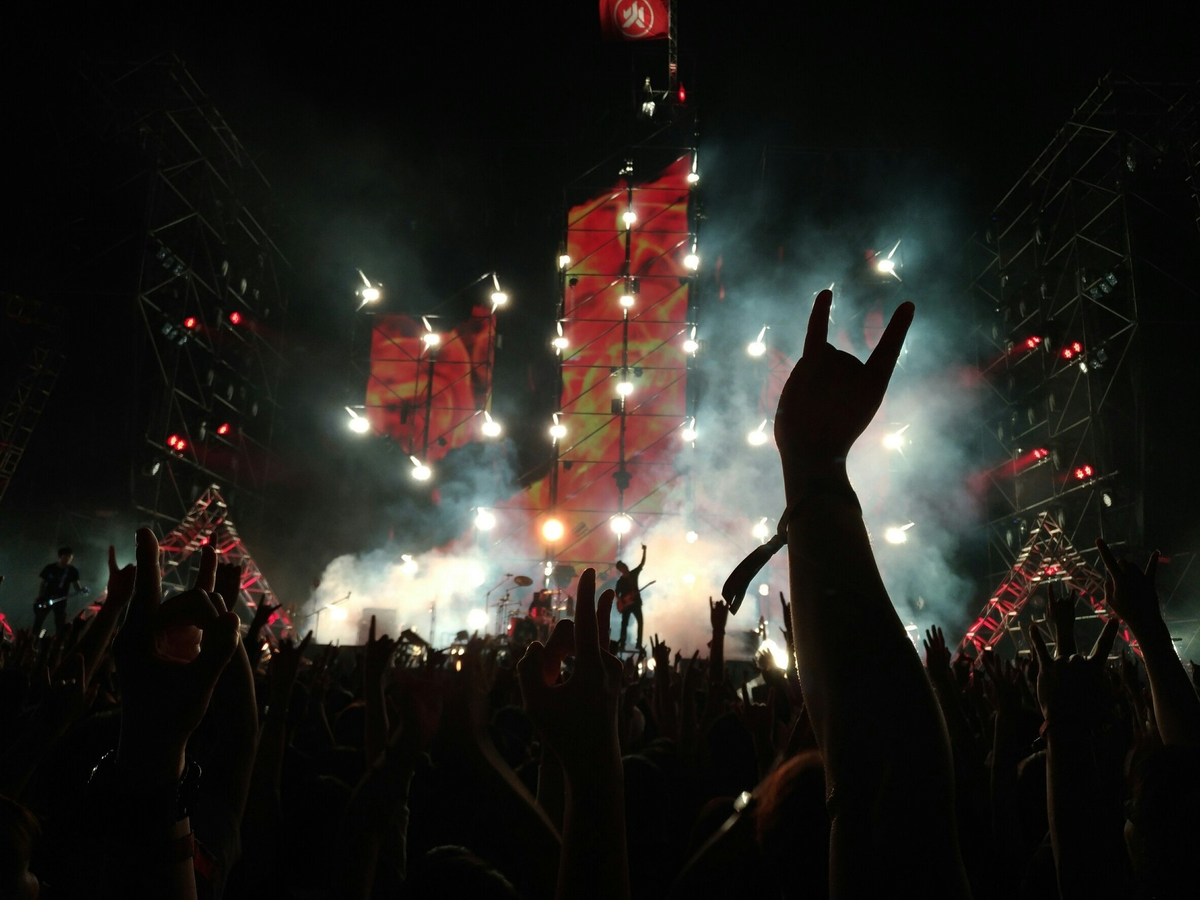
You can feel it scrolling through your feed right now: Queen are suddenly everywhere again. Clips of stadiums screaming the "ey-oh" call-and-response, TikToks of teens discovering "Bohemian Rhapsody" like it just dropped, and constant DMs asking the same thing: are Queen playing near me in 2026?
Check the official Queen live page for current shows and updates
If you grew up with Queen because of your parents or you found them through "Wayne's World", "Bohemian Rhapsody" (the movie) or TikTok, the energy around the band right now hits the same way: half nostalgia, half "wait, they're actually still doing this — and it's huge". And with every new hint of tour activity, fans in the US, UK and all over Europe are refreshing ticket pages like it's the Hunger Games.
The Backstory: Breaking News in Detail
So what exactly is happening with Queen in 2026? The short version: the Queen machine hasn't slowed down. While Freddie Mercury remains irreplaceable, the current live configuration — Brian May, Roger Taylor and frontman Adam Lambert — keeps drawing arena and stadium crowds, and every tiny move on the official channels sets off a new wave of speculation.
Over the last few weeks, the official Queen channels and trusted tour-tracking sites have been closely watched for updates. Fans are looking for three things: fresh tour dates, festival headlines, and any sign that the band might finally be ready to call it a day live — which, if you've been around this fandom for a while, you know gets floated every couple of years and then quietly disproved when another leg gets announced.
Recent interviews with Brian May and Roger Taylor have stuck to a careful line. They talk about how physically demanding touring is at their age, but they keep using phrases like "as long as people want to hear these songs" and "when the right opportunity comes up." That's not the language of a band that's fully retired from the road. It sounds much more like "no endless world tours, but we're not done lighting up arenas yet."
Behind the scenes, there are also all the usual moving pieces: promoters sounding out possible dates, festival organizers quietly checking availability, and local venues blocking out possible windows for major heritage acts. Queen sit in a unique place here. They're legacy icons with a catalog that is basically a greatest-hits playlist by itself, but they also draw a younger, TikTok-raised crowd who can sing the bridge of "Don't Stop Me Now" word for word even if they've never owned a CD.
For fans, that mix of legendary status and cross-generational hype means one thing: whenever new Queen shows appear, demand spikes instantly. You don't just "see if there are tickets left" a week before. You plan. You budget. You beg friends to sign up for presales with you. And because a lot of the recent runs have focused on specific territories — one year more Europe-heavy, another leaning into North America — everyone who's been skipped for a few seasons is watching 2026 like a hawk.
Why does this moment feel different? Part of it is timing. We're far enough out from the "Bohemian Rhapsody" movie now that there's a whole new wave of listeners who didn't catch that original promotional storm but discovered Queen through streaming algorithms and clips. At the same time, older fans who may have skipped previous tours for money or health reasons are treating any new run as possibly their last realistic chance to see May and Taylor in person.
The implication is clear: if and when Queen confirm more 2026 shows, expect lightning-fast sell-outs, heated debates about pricing, and a social media flood of clips, live reactions and "I finally did it" posts from fans who've been waiting years to scream along to "Radio Ga Ga" in a crowd.
The Setlist & Show: What to Expect
Let's talk about the music, because that's ultimately why you're refreshing every rumor thread. Queen's modern shows are built around one simple promise: you will get the hits. That means the staples you'd revolt over if they were missing: "Bohemian Rhapsody", "We Will Rock You", "We Are The Champions", "Don't Stop Me Now", "Another One Bites The Dust", "Radio Ga Ga", "Somebody To Love".
Recent setlists have followed a broad pattern that gives you a good hint of what 2026 shows are likely to look like. The concerts usually open on something big and dramatic — often "Innuendo" as a pre-recorded piece or a heavy guitar opener from Brian May that ignites the arena lights and smoke. From there, the band tend to blitz through a run of statement tracks early: think "Now I'm Here" into "Seven Seas Of Rhye", or a punchy "Hammer To Fall" to remind everyone that Queen were always a rock band first, genre experiments second.
Adam Lambert has settled into a sweet spot vocally where he doesn't try to mimic Freddie, but he still honors the original melodies and phrasing. Expect him to absolutely tear into "Who Wants To Live Forever", turning it into one of the emotional peaks of the night, while Brian May's guitar solo glows under a wash of phone lights. On the more theatrical side, "Killer Queen" and "Bicycle Race" usually turn into playful moments, with Adam leaning into costume flourishes and glam energy.
One of the key parts of the modern Queen show is how they handle Freddie's legacy. They almost always include video footage of Freddie leading the "ay-oh" vocal improv, projected onto giant screens, with the live band backing him. The entire stadium screams back those call-and-response lines to a grainy, shining Freddie on screen, and it hits in a way that's still surprisingly raw. If you've only seen the clips, it's easy to think it might feel forced; in the room, it lands more like a celebration and communal thank you.
For guitar nerds and deep-cut fans, Brian May's solo spot is non-negotiable. He usually builds it out of the "Brighton Rock" solo, looping and stacking his parts live. The room goes from thunderous to pin-drop as he plays melodies that echo years of Queen themes, then slams back into the full band crashing into a classic like "Tie Your Mother Down" or "Fat Bottomed Girls" (the latter sometimes rotated out or in depending on local sensitivities and current discourse).
Setlists can and do shift: "Love Of My Life" almost always shows up as an acoustic singalong with Brian taking the lead vocal; "I Want It All" and "I Want To Break Free" punch up the mid-show section; "Under Pressure" is there for the bass riff moment; "A Kind Of Magic" or "The Show Must Go On" often close out the pre-encore stretch. By the time "Bohemian Rhapsody" hits, the crowd is basically 50% hoarse, 50% euphoric, and completely unapologetic about air-guitaring the opera breakdown.
Atmosphere-wise, think maximalist. Big LED walls showing archival footage and modern visuals, lasers slicing through ballads, confetti blasts on the final anthems, and enough crowd participation to make even casual fans feel like part of a giant choir. Queen didn't invent arena rock spectacle, but they shaped what it looks and feels like — and they still play like they're trying to prove it every night.
What the web is saying:
Rumor Mill: What Fans Are Speculating
If you want to know where the real emotional weather report of the Queen fandom lives, it's not just official statements — it's Reddit threads, TikTok comments and group chats that go off at 2am.
On Reddit, especially in broader music subs, a few themes keep coming up. One big thread: whether the next run of Queen shows will be framed as a formal farewell tour. Some fans argue that it's time to put a label on it, give everyone closure, and allow May and Taylor to step back with a final chapter written. Others push hard against that, pointing out that calling something "farewell" can feel like marketing pressure, and that the band have earned the right to play when and how they want without turning it into a funeral for their own legacy.
Then there's the ticket price debate. Screenshots get shared of previous tour prices — VIP packages that easily ran into the high hundreds, regular seats that weren't exactly cheap — alongside people saying, "I love this band more than anything, but rent exists." In the TikTok comments under live clips, you'll find younger fans tagging friends with "we HAVE to go" followed immediately by someone else dropping, "if my bank account recovers by then." The emotional arc is very 2026: deep love, very real financial stress.
Another fan theory making the rounds is the fantasy of a special one-off show built around a full album performance. "A Night At The Opera" front-to-back is the obvious dream pick, but you also see love for "Sheer Heart Attack" and "The Game" as deeper fans' favorites. Realistically, the current Queen live model runs more on hits than pure album cuts, but the idea keeps resurfacing: what if there was a one-night-only, filmed show where they took that risk for the hardcore fans?
On TikTok, a different kind of speculation dominates: duets and mashups. Producers and bedroom creators keep dropping edits that blend Queen tracks with modern hits — "Another One Bites The Dust" under a rap verse, "Don't Stop Me Now" re-cut as a hyperpop rush. The comment sections under those edits regularly fill with "imagine if they did a live collab with [insert current pop star]" or "Queen x [your fave] at a festival stage would end me." There's no concrete sign of that happening, but the appetite for cross-generational collaborations is obviously there.
One more subtle, emotional rumor is about time. Fans share clips of Brian and Roger talking about age, post-show exhaustion, and the reality that they're not in their thirties anymore. Underneath every joke about "we're all getting old with them," there's a quiet panic: what if this really is the last cycle? That tension powers a lot of the urgency you see online — people don't just want to go to a Queen show; they feel like they need to while it's still possible.
Key Dates & Facts at a Glance
Here are the essentials you'll want to keep in your notes app if you're trying to track Queen's current activity and understand the bigger picture.
- Official live info: The most reliable place to check for current and upcoming shows, presales and announcements is the official live page: the band and promoters direct fans there when something is confirmed.
- Core members on stage: Brian May (guitar, vocals) and Roger Taylor (drums, vocals) continue to anchor the live band, with Adam Lambert as lead vocalist and a trusted supporting lineup on keys, bass and backing vocals.
- Typical show length: Recent Queen shows usually run around two hours, often a bit more once you factor in encores and extended solos.
- Setlist structure: Expect 20–25 songs, heavily skewed towards classic hits from the '70s and '80s, with a few deeper cuts rotated in depending on venue and mood.
- Signature moments: The "ay-oh" Freddie call-and-response on screen, Brian May's extended guitar solo, and the double-hit encore of "We Will Rock You" into "We Are The Champions" are near-guaranteed.
- Fan age range: Everything from teens seeing their first big rock show to fans who saw Queen with Freddie back in the day — the crowd is wildly mixed and usually very friendly.
- Merch & collectibles: Recent tours have leaned into vintage-style shirts, tour posters with iconic Queen imagery, and limited-run items that sell out quickly at venues.
- Streaming impact: After every major tour leg or key live moment trending online, Queen tracks typically shoot up on streaming platforms, with "Bohemian Rhapsody", "Don't Stop Me Now" and "Another One Bites The Dust" leading the surge.
- Accessibility: Larger arenas and stadiums on Queen runs tend to offer accessible seating and viewing areas; savvy fans suggest booking these as early as possible due to high demand.
FAQ: Everything You Need to Know About Queen
Who are the current members of Queen on tour?
Right now, when people talk about "Queen" in a live context, they mean Brian May and Roger Taylor performing under the Queen name, with Adam Lambert as their lead vocalist. Brian is the guitarist with the homemade Red Special and the massive curls; Roger is the drummer whose high harmonies are all over the original records. Adam, who first connected with them on "American Idol", brings the kind of range and theatrical flair that fits these songs without pretending to be Freddie Mercury.
Behind them on stage, you'll usually find long-time collaborator Spike Edney on keys, plus trusted players on bass and additional instruments. Together they've built a live unit that can handle everything from the piano delicacy of "Love Of My Life" to the stacked-vocal stampede of "Somebody To Love".
What makes a modern Queen show different from the classic Freddie era?
The biggest difference is obvious: Freddie isn't physically there. But instead of trying to cover that up or pretend the band is the same, the current show leans into that history. Old footage of Freddie is part of the experience, certain songs consciously honor him, and Adam Lambert openly acknowledges that he's stepping into a space built by someone iconic.
Musically, the sound is bigger and cleaner thanks to modern production. The lights, screens and lasers are on a level that simply didn't exist in the '80s. Yet a lot of the core feel remains: Brian's guitar tone is still unmistakable, Roger's drumming still drives the rockers, and the crowd still turns into a 20,000-person choir on the big choruses. You're not getting a museum piece — you're getting a living version of Queen's catalog with a 2020s stage brain.
Where are Queen most likely to play if new 2026 dates land?
Looking at recent patterns, you can make some educated guesses. Large markets in the UK — London, Manchester, Glasgow — are strong bets; Queen's home-turf shows still feel like events and usually sell quickly. In Europe, expect major capitals like Berlin, Madrid, Paris, Amsterdam and Rome to be in the conversation whenever routing allows it.
In North America, standard anchors include Los Angeles, New York, Toronto, Chicago and maybe a handful of key secondary cities, depending on how heavy the leg is. Festivals sometimes get teased in rumor threads, but Queen prefer headlining their own nights where they can control the full production and play an appropriately long set.
When should you be watching for announcements?
Big tour cycles often get announced several months before the first show, with hints dropping slightly earlier as venues start blocking dates and fans notice odd patterns in calendar listings. If you're trying to stay ahead of the curve, it's worth following official band accounts, ticketing platforms for major arenas in your region, and honestly, paying attention to fan sleuthing threads that compile tiny clues.
Presales can hit fast, with fan-club or mailing-list priority links going out before general onsale dates. If you're serious about going, get your email subscriptions and ticket platform accounts sorted early so you're not scrambling for passwords while the queue is already moving.
Why do some fans still have mixed feelings about Queen touring without Freddie?
This is one of the most emotionally loaded parts of the whole conversation. For a lot of people, Freddie Mercury isn't just the original singer — he is Queen. His voice, charisma and story are so deeply woven into the band's identity that the idea of anyone else up front can feel wrong on a gut level.
At the same time, there's a powerful counter-argument from fans who see the current live shows as a way of keeping Freddie's songs alive in the space they were meant for: massive, communal singalongs. They point to the way Brian and Roger talk about him on stage, the footage included, and the respect shown in the arrangements as proof that this isn't a cheap replacement job — it's two surviving bandmates refusing to let the music vanish into nostalgia playlists.
If you're torn, you're not alone. Many fans walk into their first Queen + Adam Lambert show nervous, and walk out emotional and grateful that they got to experience even a version of this catalog in the flesh.
What should first-time Queen concert-goers know?
First, hydrate and pace yourself — these shows are emotional marathons. Get there in time for the opener (when there is one) and the first notes; Queen tend to set the tone right from the top, and late arrivals miss some heavy-hitting songs. If you're standing on the floor, expect serious singalongs and a lot of phones up during big hits; if you're seated, you'll still be up on your feet for "We Will Rock You" and "We Are The Champions" whether you meant to or not.
Dress-wise, anything goes. Some people show up in vintage Queen tees and denim jackets, others in full glam make-up inspired by Freddie or Adam. As long as you can move and you're comfortable, you're good. Ear protection is smart if you're near the speakers or bringing younger fans — this is still a rock show built to hit loud.
How can you keep the Queen buzz going after the show?
For a lot of fans, the concert is just the start of a deeper dive. Setlist playlists on streaming services let you replay the night in order. Live albums and official concert films give you a sense of how Queen sounded in different eras — from Freddie's peak to the Paul Rodgers and Adam Lambert eras. Watching interviews with Brian and Roger can also reframe songs you thought you knew, adding context about how they were written and what they meant at the time.
And of course, the online fandom is very much alive. Post your photos, tag your city, drop your favorite moments, argue (lovingly) about which song hit the hardest, and, if you're like most people who fall back down the Queen rabbit hole, start planning for the next time those drums and that guitar light up a stage near you.
So schätzen die Börsenprofis Aktien ein!

Für. Immer. Kostenlos.


