Puratos Fined £120,000 After HSE Uncovers Asthma Risks and Manual Handling Failures
Published on 07/23/2026 at 05:57 | Redaktion boerse-global.de
A Buckinghamshire food manufacturer has been handed a £120,000 fine after a Health and Safety Executive (HSE) investigation revealed serious and persistent safety failures that put workers at risk of occupational asthma and injury. Puratos Limited, based at Buckingham Industrial Park, was also ordered to pay £6,270 in costs at Milton Keynes Magistrates' Court after admitting breaches of the Health and Safety at Work Act 1974.
The case serves as a stark reminder to UK employers that failing to control well-known workplace hazards — particularly flour dust in bakery environments — can lead to significant financial penalties and, more importantly, lasting harm to employees.
Dust Control Failures Exposed
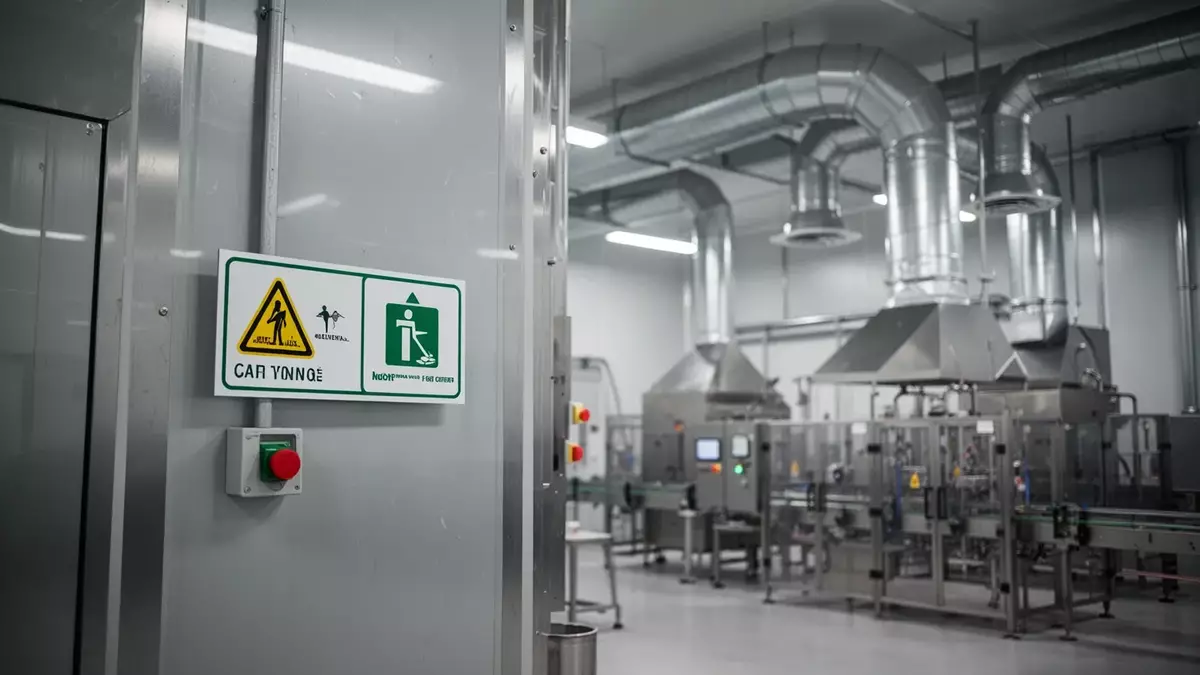
The enforcement action followed an HSE inspection on December 3, 2024, which uncovered significant failings in how the company managed airborne dust. Inspectors found evidence of dust leaks from machinery and observed workers using compressed air for cleaning and dry sweeping — both practices that can send dangerous levels of contaminants into the air.
Keeping on top of workplace hazards like dust and manual handling can feel overwhelming, but you don’t have to start from scratch. A free toolkit gives you 41 ready-to-use templates and checklists for risk assessments, fire safety, manual handling, and more — helping you stay compliant without the paperwork headache. Download the free Risk Assessment Toolkit
Follow-up monitoring on December 18, 2024, confirmed that inhalable dust levels at the facility exceeded statutory exposure limits. The court also heard that workers were required to lift 25-kilogram sacks daily, creating additional manual handling risks. The HSE noted that Puratos had been subject to previous enforcement actions in 2021, suggesting the issues were not new.
Flour dust is a well-recognised cause of occupational asthma, and the HSE has long emphasised that rigorous dust management is essential in any bakery or food-production setting.
New Substances Under Scrutiny
Alongside individual enforcement cases, the HSE is pushing forward with wider regulatory changes on hazardous materials. On July 9, 2026, the agency launched a public consultation to add nine substances to the UK’s Substances of Very High Concern (SVHC) candidate list. These include MCCP, BTBPE, BCPS, and UV-326, along with various salts and reaction products used in the electronics and textiles sectors.
The consultation closes on August 20, 2026, with a final decision expected in October. If approved, manufacturers and importers will face stricter reporting and management obligations for these substances across the UK market.
Employment Rights Reform Underway
The government is also reshaping workplace protections through the Employment Rights Act 2025. Implementation plans published on July 16, 2026, confirm that "fire and rehire" practices — used to force changes to pay, hours, or pensions — will be classified as automatically unfair dismissal from January 1, 2027. At the same time, the qualifying period for unfair dismissal claims will drop from two years to six months.
A separate government consultation, launched on July 8, 2026, is examining how technology is used to monitor employees. The inquiry covers attendance tracking, email monitoring, and algorithmic management, and runs until September 30, 2026. Options under consideration include a statutory code of practice or a legal duty for employers to consult staff before deploying monitoring tools.
With the HSE consulting on adding new hazardous substances to the SVHC list, now is the time to review your COSHH assessments. A free toolkit provides 43 fully customisable templates, checklists, and toolbox talks to help you manage dangerous substances and meet your legal duties under COSHH regulations. Get the free COSHH Toolkit
Digital Tools Reshaping Compliance
As regulatory pressure mounts, businesses are increasingly turning to digital solutions to manage safety compliance. Paper-based records are being replaced by mobile platforms that capture real-time photos, location data, and timestamps — making inspections more reliable and defensible.
Recent trials highlight the potential of automated systems. In one commercial deployment, an AI safety agent developed by Ultimo recorded no missed safety actions while monitoring industrial work orders and shift logs. Legal experts say such tools are becoming essential for defending against hazard penalties under new safety legislation, as they provide clear, auditable evidence of compliance.
Disclaimer regarding our articles: No investment advice, no buy or sell recommendation. Information on prices, companies, and markets is provided without guarantee; changes are possible at any time. Stock market transactions can lead to substantial losses. Our articles are created and reviewed in whole or in part automatically with the support of AI.