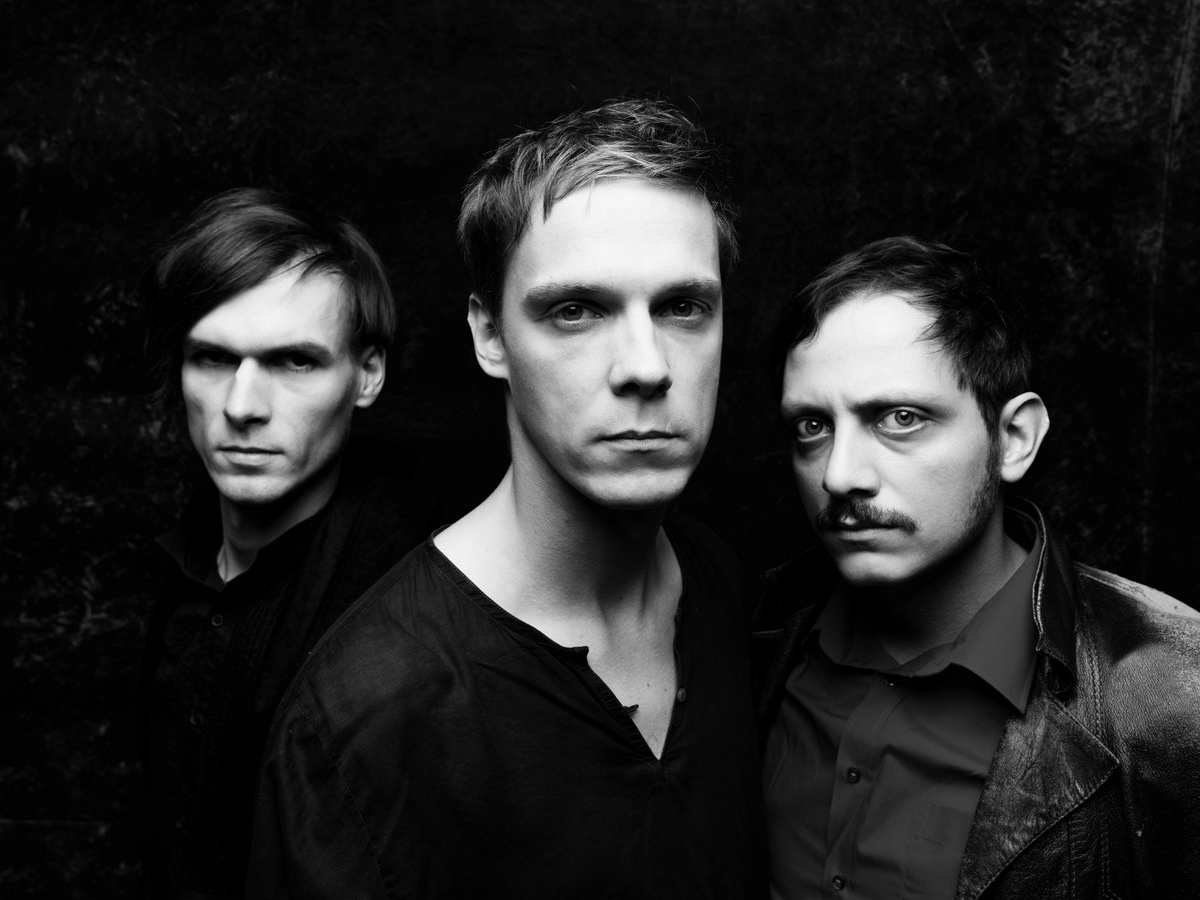
Psychedelic Rock vs Post Punk: Mystery Art Orchestra
16.03.2026 - 16:34:49 | ad-hoc-news.de
Music history moves in cycles. Sounds that once felt radical or out of step with the mainstream eventually return in new shapes, filtered through fresh technology, different social pressures, and another generation’s attention span. Today’s young bands are not simply copying the past; they are reinterpreting it, folding classic ideas into contemporary production, digital listening habits, and DIY scenes. Few pairings show this cycle more clearly than the renewed interest in both psychedelic rock and post punk.
These two genres emerged from different eras and aesthetics, yet they share a restless instinct: a desire to push beyond what rock music is "supposed" to sound like. Psychedelic rock stretched songs into expansive journeys, while post punk tightened everything into sharp, angular fragments. In the current independent landscape, a growing number of artists are taking parts of both—the dreamy atmospheres of psych and the wiry urgency of post punk—and turning them into a hybrid that reflects streaming-era attention and club-driven live energy.
Mystery Art Orchestra belong squarely in this new wave. At their core, they are a post punk band: bass-forward, rhythm-obsessed, and emotionally direct. But woven into that foundation are carefully designed psychedelic elements: reverbed guitars that seem to hover at the edges of the stereo field, synths that bloom and fade like distant signals, and vocal treatments that blur the line between confessional and surreal. The result is a sound that feels grounded yet slightly dislocated, familiar yet quietly strange.
Tracing the Roots: Psychedelic Rock and Post Punk Explained
Psychedelic rock developed in the mid-to-late 1960s as rock musicians tried to mirror altered states of consciousness with sound. It grew out of blues rock and folk rock, but traded tight, radio-friendly forms for extended improvisations, unusual studio effects, and a focus on atmosphere. Bands leaned heavily on reverb, delay, reversed tape, and non-Western scales. Guitars droned, organs swelled, and songs often unfolded slowly rather than racing to the chorus.
Key early examples—The Beatles’ late-60s work, The Jimi Hendrix Experience, early Pink Floyd, Jefferson Airplane—treated the studio as a creative instrument. Instead of just documenting a live performance, engineers layered sounds, manipulated tape speed, and experimented with stereo panning. Psychedelic rock’s rhythm sections tended to be loose and flowing, often influenced by jazz and Indian classical music. The aim was not only to entertain but to transport listeners, collapsing the distance between the living room or club and some imagined inner space.
Sonically, several hallmarks of psychedelic rock remain easy to recognize today:
- Expansive arrangements: Songs might run well over five minutes, with instrumental passages that ebb and surge rather than following a strict verse-chorus pattern.
- Studio-driven textures: Phasing, flanging, tape echo, and heavy plate or spring reverb create a sense of depth and unreality.
- Modal and non-standard harmony: Repetitive drones or modal vamps replace traditional chord progressions, giving tracks a hypnotic feel.
- Lyrical abstraction: Words lean toward the surreal, symbolic, or introspective, often hinting at altered perception or spiritual searching.
Crucially, psychedelic rock was tied to a counter-cultural moment. It grew alongside anti-war protest, experimentation with consciousness, and frustration with conservative social norms. The music offered escape but also a critique of a rigid, materialist society. That dual role—both sanctuary and subtle protest—still resonates with younger listeners confronting economic precarity, climate anxiety, and digital overload.
Post punk emerged slightly more than a decade later, in the late 1970s, as another response to both mainstream rock and the first wave of punk. Punk had stripped rock back to blunt chords, fast tempos, and a confrontational stance. Post punk kept the urgency but moved away from simple three-chord blasts. Instead, it absorbed influences from dub, funk, avant-garde electronics, and art rock. Bands like Joy Division, Gang of Four, Siouxsie and the Banshees, and Wire introduced sharper rhythms, more angular guitar lines, and a colder, sometimes more introspective mood.
If psychedelic rock expanded outward, post punk often pulled inward and tightened. Songs became leaner and more rhythmically focused. The bass guitar stepped forward, playing melodic or looping patterns that drove entire tracks. Drums emphasized the groove, sometimes influenced by disco and funk. Guitars lost some of their thick, overdriven tone and took on a thinner, more percussive role, scratching or stabbing at chords rather than endlessly sustaining them. Vocals became detached, haunted, or arch—reflecting urban alienation, political dread, or private turmoil rather than cosmic wonder.
Common traits of post punk include:
- Bass-driven structures: The bass line frequently carries the main hook, anchoring minimalist guitar figures and synth textures.
- Rhythmic tension: Drumming highlights sharp hi-hat patterns, off-beat snare hits, and dance-informed grooves that invite movement while maintaining a slightly anxious feel.
- Minimalist guitar work: Rather than lush chords, guitar parts revolve around dissonant intervals, delay-heavy motifs, and clipped rhythms.
- Cold or introspective production: Reverb is used more sparingly, and mixes often feel stark, leaving space between instruments rather than washing everything together.
- Dark thematic focus: Lyrics address social decay, disconnection, and psychological struggle with a mix of vulnerability and critical distance.
Post punk was also a counter-cultural movement, though its rebellion looked different from 1960s psychedelia. It challenged classic rock’s indulgence and punk’s limitations, embracing DIY ethics while exploring art-school ideas, new technologies, and political critique. Independent labels, small venues, and radio shows became laboratories for sounds that were too strange or too bleak for the mainstream.
In the 21st century, both psychedelic rock and post punk have undergone multiple revivals. New psych scenes—from Australia’s psych collectives to American garage-psych outfits—have reclaimed long-form jams and saturated tones. Meanwhile, post punk has influenced countless indie and alternative acts, from early-2000s guitar bands to today’s darker, club-aware groups. For younger listeners raised on playlists and algorithmic recommendations, these genres are no longer tied to strict historical periods. They function more like toolkits: sets of aesthetics that can be recombined, updated, and applied to new emotional realities.
It is in this context that a band like Mystery Art Orchestra operates, drawing on the clarity and tension of post punk while selectively borrowing the spatial and textural lessons of psychedelic rock.
A Modern Synthesis: The Sound of Mystery Art Orchestra
Mystery Art Orchestra approach genre not as a set of rules but as a conversation with the past. At the structural level, their songs follow post punk logic: strong, memorable bass lines act as the spine of each track, drums emphasize forward motion, and vocals cut through with a distinct emotional edge. Where many bands stop there, Mystery Art Orchestra introduce subtle yet deliberate psychedelic elements that shift the mood without sacrificing intensity.
Listening to their arrangements, you notice how space is used as carefully as sound. Guitars rarely dominate the entire frequency spectrum; instead, they often arrive in glistening, delay-soaked lines that drift above the rhythm section. Rather than thick distortion, they favor cleaner tones coated in reverb or modulation, which gives single-note melodies a hovering, spectral quality. This choice reflects psychedelic rock’s fascination with infinite space, but applied to a post punk framework where the rhythm remains tight and insistent.
The band’s use of keyboards and synths also points toward a psychedelic sensibility. Instead of lead-synth hooks that compete with vocals, they often use pads and drones that sit just behind the main instruments, slowly evolving across the song. These layers generate a sense of depth, as if there is always another detail just out of reach in the mix. It is an approach closer to sound design than classic rock riffing, and it suggests that the group thinks as much about texture and environment as they do about melody and chorus placement.
Vocally, Mystery Art Orchestra lean into the emotional directness of post punk but sometimes soften its harshness. The delivery carries a reflective tone—tired yet focused, more resigned than purely angry. Lyrically, they occupy a space between the inward gaze of gothic post punk and the more oblique, image-driven language associated with psychedelia. You might hear stark lines about anxiety or self-doubt followed by a more surreal phrase that reframes those feelings as if they are occurring in a dream or under water. This balance keeps the songs relatable while allowing space for interpretation.
Another notable element in the band’s music is dynamic control. Many contemporary guitar acts either stay loud throughout or chase sudden, dramatic drops. Mystery Art Orchestra instead favor gradual builds and pressure releases, akin to the way classic psych bands would let a song swell and recede. Yet they do this within track lengths that fit modern listening habits, avoiding overly extended jams. A verse might begin in relative dryness, with close-miked vocals and minimal effects, but by the second chorus the sound widens—delays trail off the snare drum, backing vocals float in from the sides, and the guitar opens into shimmering chords. These shifts feel earned rather than flashy.
Visually and aesthetically, the group nods to post punk’s preference for stark imagery—muted colors, simple typography, slightly distressed textures—while allowing flashes of more surreal artwork on covers and posters. This blend suits their sound: the world is recognizably ours, framed by everyday struggle, but tinged with a strange glow. It is less about escapism and more about acknowledging that reality often feels slightly unreal in the digital era.
The result is a coherent identity. Mystery Art Orchestra are not a psych band occasionally playing fast, nor a post punk band occasionally switching on a chorus pedal. Their songs treat post punk as the skeleton and psychedelic rock as the atmosphere—the air the music breathes. That combination lets them speak to listeners who love driving, bass-heavy tracks, while still appealing to those who pay close attention to production detail and headphone-friendly nuance.
Current Releases and Live Performances
For many listeners, the first point of contact with Mystery Art Orchestra is their live show. On stage, they preserve the precision of their recorded work but add a slightly rougher edge. The bass remains prominent, drilling down into danceable grooves, while the drums keep a relentless pulse that hints at club culture as much as traditional rock. Guitars and synths then color the edges, sending echoes and feedback into the venue’s corners without ever drowning the rhythm section.
The band’s live dynamics mirror their studio approach. Songs rarely feel static; instead, they stretch and compress, with breakdowns that briefly strip away the atmospheric layers before everything snaps back into focus. This approach suits smaller venues especially well, where subtle changes in reverb tails or delay feedback can completely transform the sense of space in the room. For fans interested in experiencing this interplay between tight post punk structures and immersive psych-influenced textures, the group regularly updates their tour and concert information. Upcoming dates, ticket links, and announcements can be found directly on the Mystery Art Orchestra Homepage, which functions as a central hub for their current activity.
In an era dominated by streaming, Mystery Art Orchestra also place visible importance on physical releases. Vinyl and CD editions of their work are available through their Bandcamp profile, reflecting a growing movement of listeners who want more tangible connections to the music they love. Purchasing records through Mystery Art Orchestra on Bandcamp does more than add another LP to a shelf: it usually means that a larger share of the revenue goes directly to the band, supporting equipment upkeep, studio time, and touring budgets. For independent acts working without major-label infrastructure, this direct support can determine how far and how often they can bring their music to new cities.
The band’s latest single, "Going Under", crystallizes many of the ideas present in their sound. Built around a steady, almost mechanical drum pattern and a restless bass line, the track channels classic post punk tension. The rhythm section remains locked as the guitars trace anxious arpeggios and reverb-heavy fragments, conjuring a sense of descent that matches the song’s title. Vocally, the performance lands somewhere between confession and observation; the singer sounds like they are narrating their own slipping grip from a short distance away.
What sets "Going Under" apart is not only its structure but its careful production choices. The verses are relatively dry, giving weight to each syllable and bass note. As the song approaches the chorus, subtle feedback, delay, and background textures seep in, as if the room itself is starting to warp. By the final section, the guitars have become a loose halo of sound, and the snare is trailing a short echo that hints at a larger, more uncertain space. These touches draw directly from psychedelic rock’s emphasis on altering the listening environment, yet they remain disciplined; the song never dissolves into formless noise.
The accompanying video deepens this tension between the grounded and the unreal. Without relying on flashy effects, it uses simple visual motifs—shifts in lighting, repeated framing, slightly surreal transitions—to mirror the sense of sinking suggested by the music. Viewers can experience this interplay of sound and image by checking out the official clip: Watch "Going Under" on YouTube. The video serves as a strong entry point for newcomers, offering a concise snapshot of the band’s aesthetic without requiring familiarity with their broader catalog.
Seen together—the live shows, the physical releases, and the carefully executed single—these activities outline a band that takes both their craft and their independence seriously. They maintain a consistent vision across formats while recognizing how different audiences discover music today: through gigs, vinyl browsing, algorithmic playlists, and recommendation-driven video platforms.
Community Discussion & Reviews:
Audience Reception and the Independent Music Scene
Within the independent music ecosystem, growth rarely happens in sudden viral spikes. More often, it is a slow accumulation of trust: word-of-mouth between friends, small playlist placements, supportive blog features, and repeat visits to community venues. Mystery Art Orchestra’s reception so far fits this pattern. Listeners tend to describe discovering the band through a local show, a shared link, or a curated playlist focused on darker alternative sounds, then gradually working through the rest of the catalog.
One reason the band finds resonance is the way they balance emotional clarity with aesthetic depth. Many younger listeners, particularly within Gen Z and the younger end of the millennial demographic, respond to music that acknowledges fatigue, uncertainty, and disconnection without collapsing into pure despair. Mystery Art Orchestra’s songs often articulate this tension: the lyrics outline personal or social unease, but the arrangements carry a subtle forward motion. The bass pushes onward, the drums insist on movement, and the psychedelic elements render even uncomfortable feelings in strangely beautiful colors.
Within independent press and online communities, the band is often grouped with a broader wave of post punk-influenced acts who reference the past while avoiding strict retro stylization. Critics note that Mystery Art Orchestra do not simply mimic specific 1980s production or songwriting tropes. Instead, they seem more interested in how those older records felt—cold, intense, spacious—than in copying their exact drum sounds or guitar tones. This approach aligns well with a generation of listeners who might know Joy Division or The Cure through streaming algorithms rather than physical reissues; for them, genre lines are fuzzy, and emotional tone often matters more than historical accuracy.
Genre-blending also plays a crucial role in their appeal. Streaming culture encourages listeners to move across categories quickly, from dream pop to techno to classic rock within a single afternoon. Bands that can inhabit several moods without losing their identity tend to attract more loyal audiences in this environment. Mystery Art Orchestra’s mix of psychedelic atmosphere and post punk structure fits seamlessly into a variety of contexts: late-night playlists, commuting soundtracks, small club DJ sets, or focused headphone sessions.
The band’s DIY-literate approach further strengthens their position in the independent scene. By maintaining an active presence on platforms that prioritize direct artist support, they signal an understanding of how sustainability works for smaller acts. Fans who purchase merch or records through Bandcamp, or who look up a band’s official site for tour information rather than waiting for an algorithmic prompt, often feel a stronger sense of ownership in that band’s progress. This creates a feedback loop: supportive listeners help fund touring and recording, which in turn generate new material and live experiences that attract further interest.
On a broader cultural level, Mystery Art Orchestra’s emergence reflects how younger artists are rewriting the conversation between rock’s historical subgenres. Instead of viewing psychedelic rock and post punk as opposing camps—one sprawling and idealistic, the other tight and pessimistic—they treat them as complementary tools for capturing a complex emotional world. Their music acknowledges that current realities can feel both claustrophobic and strangely unreal, that daily life can feel like standing under neon lights at 2 a.m. while your internal monologue drifts far away. The combination of rigid rhythm and blurred edges becomes an apt metaphor.
As independent music continues to navigate changing platforms, economic pressures, and audience habits, bands like Mystery Art Orchestra offer a model for sustainable growth rooted in clear artistic decisions and realistic expectations. They do not present themselves as saviors of a genre or the next big movement. Instead, they focus on crafting consistently thoughtful work, respecting the live experience, and engaging with the communities that gather around them. For many listeners, that grounded approach carries more weight than hype.
Frequently Asked Questions
Who are Mystery Art Orchestra, and where do they come from?
Mystery Art Orchestra are an emerging post punk band who have built their reputation through a combination of intense live performances, carefully produced recordings, and an approach to genre that emphasizes mood and detail. While they align themselves with the post punk lineage, they show a clear interest in the spaciousness and sonic experimentation associated with psychedelic rock. Their background reflects the reality of many modern independent acts: members steeped in overlapping scenes—punk, shoegaze, electronic, and experimental music—who found common ground in a shared desire to write songs that feel emotionally direct without giving up nuance.
How would you describe their sound to someone new to post punk and psychedelic rock?
If you are new to these genres, think of Mystery Art Orchestra as combining the driving energy of a tight rhythm section with the immersive feel of more atmospheric music. The drums and bass usually lock into a steady, forward-moving groove that makes you want to nod along, even when the lyrics explore anxious or reflective territory. On top of that foundation, you will hear guitars and synths treated with effects like reverb and delay, which make certain notes linger and blur around the edges. This creates a sense that the music is happening both right in front of you and slightly far away at the same time.
Unlike some heavy rock bands, they do not rely on constant distortion or dense walls of sound. Instead, they use negative space and subtle textures to keep you listening closely. If you enjoy music that feels both emotionally honest and sonically rich—something you can play loudly in a room or quietly on headphones and still notice new details—there is a good chance their sound will connect with you.
What makes Mystery Art Orchestra different from more traditional post punk revival bands?
Many post punk revival acts focus heavily on replicating a specific era: the drum sounds, guitar tones, and vocal reverb settings of late-1970s or early-1980s records. Mystery Art Orchestra take a different route. While they clearly value strong bass lines, tight grooves, and a darker tonal palette, they do not treat any particular historical moment as a strict template. Instead, they prioritize how the music feels in the present.
Their subtle use of psychedelic elements is a key differentiator. Rather than keeping all instruments bone-dry and sharply defined, they allow certain parts—like background guitar lines, synth pads, or backing vocals—to drift into more abstract spaces. This gives the songs an internal motion beyond the main rhythm, as if there is always a slight haze or glow surrounding the core performance. At the same time, they avoid the drawn-out jams often associated with psychedelic rock, keeping song lengths and structures concise enough to fit modern listening patterns.
Where can I find their music, and what is the best starting point?
The band maintain a presence across major streaming services, which makes sampling their catalog straightforward. For listeners who value ownership and want to support the group directly, their physical releases—vinyl and CDs—are available via Mystery Art Orchestra on Bandcamp. Bandcamp often hosts additional content such as liner notes, lyrics, and sometimes bonus material, giving fans a fuller picture of the band’s intent.
As a starting point, "Going Under" is an effective introduction. It condenses many aspects of their identity—rhythmic tension, moody vocals, and layered production—into an accessible runtime. Watching the official video, available here: Watch "Going Under" on YouTube, can also help new listeners connect faces, gestures, and visual motifs with the music, which often deepens the overall impression. From there, exploring earlier singles or EPs will reveal how the band have refined their blend of post punk and psychedelic elements over time.
How important are live shows to their overall identity?
Live performance is central to who Mystery Art Orchestra are as a band. While their recordings showcase careful attention to tone and texture, the stage is where their rhythm section’s strength and the physical impact of their music become fully apparent. In concert, small production choices—like how long a delay pedal trails off, or when the guitarist leans into feedback—feel more immediate. The band often use these moments to stretch certain sections, building tension through repetition before snapping back into the song’s structure.
For many fans, seeing Mystery Art Orchestra live turns casual interest into long-term support. The energy in the room, the way the crowd responds to bass drops or unexpected dynamic shifts, and the way the band handle quieter passages all contribute to a clearer understanding of their artistic priorities. Those interested in catching a show can track tour dates, festival appearances, and local gigs via the Mystery Art Orchestra Homepage, which is regularly updated with new announcements and ticket links.
How do they fit into the current independent music landscape?
Mystery Art Orchestra represent a strand of independent music that sees genre as flexible but still values coherence. They fit comfortably alongside other bands who blend post punk with shoegaze, darkwave, or electronic influences, yet their particular mix of tight songs and subtle psychedelia gives them a recognizable profile. In playlists or festival lineups, they can bridge gaps between heavier guitar acts and more atmospheric, synth-driven artists, which makes them a useful connective thread in programming.
Economically and culturally, they also embody the reality of modern independent careers: juggling recording schedules, self-managed digital presence, touring logistics, and community engagement. Rather than chasing quick viral hits, they cultivate a base of listeners who appreciate consistent output and a clear sense of identity. This measured growth strategy may be less flashy than sudden social media explosions, but it often leads to more durable connections. It also aligns with the values of many independent listeners who prefer to support artists over time rather than simply following trends.
What themes do their lyrics typically explore?
The band’s lyrics often revolve around internal conflict, blurred perception, and the feeling of moving through a world that is familiar yet increasingly strange. They rarely rely on direct political slogans or overtly topical references, but there is a clear sense of living under pressure: late-night thoughts, fraying routines, and the dissonance between digital overstimulation and private, unfiltered emotion.
Elements of psychedelic imagery surface here and there—references to sinking, floating, or shifting perspectives—but they are used more as emotional metaphors than literal descriptions of altered states. This approach keeps the songs grounded; even when a line becomes abstract, it usually connects back to a concrete feeling of unease, desire, or fleeting clarity. Fans who read closely will likely find recurring motifs across songs, suggesting an ongoing conversation rather than isolated narratives.
Taken together, these themes, sounds, and working methods place Mystery Art Orchestra in a growing cohort of independent bands who look both backward and forward: learning from earlier waves of psychedelic rock and post punk, yet speaking directly to the fragmented, always-online present.
So schätzen die Börsenprofis Aktien ein!

Für. Immer. Kostenlos.