Psychedelic Rock vs Post Punk: Mystery Art Orchestra
15.03.2026 - 10:16:42 | ad-hoc-news.de
Music history moves in cycles. Sounds that once felt radical or out of fashion keep returning, not as simple nostalgia, but as raw material for new ideas. In the 1960s, psychedelic rock tried to stretch rock music outward and inward at the same time, chasing altered states, extended jams, and studio experimentation. In the late 1970s and early 1980s, post punk reacted to the first wave of punk by pushing its energy into darker, more angular, and more self-aware directions. Today, a growing number of young bands draw on both traditions, combining hypnotic atmospheres with sharp, emotionally direct songwriting.
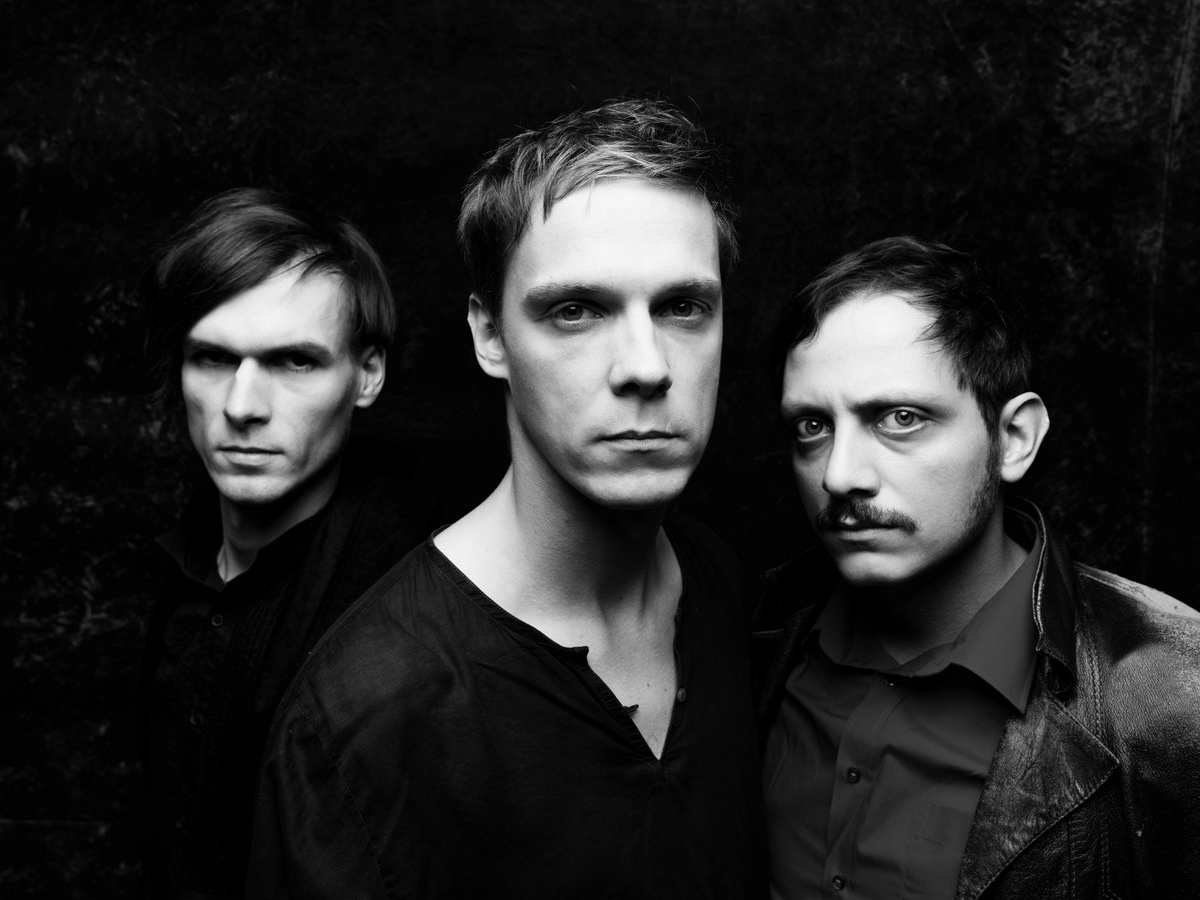
One of the more interesting examples of this cross-pollination is Mystery Art Orchestra, an emerging band whose core identity sits firmly in post punk, yet who use psychedelic elements with intention rather than as retro decoration. Their music illustrates how these two strands of rock history can intersect for a new generation of listeners who grew up with playlists instead of record store genre sections. To understand what makes their sound work, it helps to first look closely at what psychedelic rock and post punk actually are, how they evolved, and what kinds of feelings and cultural questions they carry.
Tracing the Roots: Psychedelic Rock and Post Punk Explained
Psychedelic rock grew out of mid-1960s rock and rhythm & blues, but it quickly pushed beyond standard song forms. Influenced by jazz improvisation, Indian classical music, folk traditions, and an expanding drug culture, psych-rock artists sought to represent altered perception through sound. That goal shaped almost every aspect of the music: structure, instrumentation, texture, and even how records were produced and mixed.
At its core, psychedelic rock tends to favor expansive structures. Songs often stretch beyond radio-friendly lengths, using extended instrumental passages, slow-building crescendos, or repetitive grooves that encourage a trance-like state. Guitars lean heavily on effects—reverb, delay, fuzz, phasing, and wah—to smear the edges of each note. Organs, early synthesizers, and tape manipulation add layers of color, turning the recording studio into an active instrument rather than a neutral capture device.
Vocals in psychedelic rock frequently sound distant or treated, as if they are part of the overall texture rather than sitting on top of the mix. Lyrics tend to explore internal states: imagination, disorientation, spiritual questioning, and sensory overload. Even when songs are political, they often approach those themes through surreal or dreamlike imagery rather than direct slogans. In short, classic psych-rock invites the listener to drift, to lose track of ordinary time, and to imagine other ways of perceiving reality.
The late 1960s counterculture shaped this music heavily. Psychedelic rock functioned as a soundtrack for communal experiments in living, anti-war activism, and a rejection of mainstream consumer values. At the same time, its reliance on studio experimentation meant that many key albums were carefully crafted artifacts rather than purely live documents. As the 1970s progressed, some psych sensibilities flowed into progressive rock, space rock, and various psychedelic revival scenes.
Post punk emerged from a very different emotional and social climate. By the late 1970s in the UK, US, and parts of Europe, economic crisis, urban decay, and political tension were everywhere. First-wave punk had already exploded with a message of "no future" and an emphasis on speed, volume, and simplicity. But some artists within and around that scene wanted more room for nuance: they kept punk’s DIY ethics and urgency while opening the door to new rhythms, harmonies, and ideas.
Where psychedelic rock stretches outward, post punk tends to tighten the screws. It often relies on minimalist arrangements that put heavy focus on the rhythm section. Bass lines carry much of the melodic and emotional weight, sometimes repeating a short figure over the entire song while small changes in drumming, guitar textures, or vocal delivery create momentum. Drums emphasize tension: sharp hi-hats, clipped snare hits, and patterns that feel a bit off-center or uneasy.
Guitars in post punk often use clean or slightly overdriven tones, cutting through with angular, staccato lines instead of big, sustained chords. Effects appear, but usually to underline a mood—chorus for coldness, delay for emptiness—rather than to create lush psychedelic clouds. Vocals are forward and human, frequently dry in the mix, with lyrics that address alienation, technology, urban life, politics, and intimate psychological conflict in clear language. The tone can shift between detached observation, wounded sincerity, and sudden bursts of intensity.
Culturally, post punk carried the punk critique of mainstream society into more introspective territory. Artists experimented with art-school concepts, dub production techniques, electronic instruments, and global influences, all while keeping a sense of rawness. Unlike the communal idealism associated with much of 1960s psychedelia, post punk often stages the individual against a cold or chaotic environment, asking what it means to feel anything at all inside systems that feel dehumanizing.
Yet these two traditions are not as far apart as they may seem. Both grew out of counter-cultural impulses: a refusal to accept existing musical and social rules. Both value mood as much as technical virtuosity, and both see the studio as a site for creative risk. When contemporary bands blend psychedelic rock and post punk, they often end up preserving the tension between expansion and restraint: the groove might be tightly coiled, yet the surrounding soundscape feels enormous; the lyrics might be direct, yet the instruments blur at the edges. Mystery Art Orchestra sit right inside that tension.
A Modern Synthesis: The Sound of Mystery Art Orchestra
Mystery Art Orchestra approach this hybrid territory from a clear starting point: they are, at their core, a post punk band. The backbone of their songs lies in the rhythm section. Bass lines typically anchor each track with insistent, repeating figures that guide the listener through the arrangement. The drums lock in with a sense of forward motion, using syncopation and strategic space to keep the music on edge rather than letting it drift. That rhythmic discipline feels very much in line with classic post punk traditions.
What distinguishes their sound is how they stage that pulse within an atmosphere that draws from psychedelic rock. Instead of leaving the instruments dry and close, Mystery Art Orchestra use reverbs, delays, and subtle modulation effects to build a sense of distance and depth. Guitars sometimes shimmer at the edge of the stereo field, less like punk’s jagged attacks and more like moving shadows. Synths and treated samples hover around the rhythm, adding ghostly harmonics and small, almost subliminal motifs that reward focused listening.
This approach allows them to hold two moods at once: urgency and weightlessness. On certain tracks, the bass and drums project a club-like physicality, inviting movement, while the upper layers of sound seem to float just beyond reach. Rather than pursuing the long-form jams associated with classic psych-rock, the band keeps song structures concise. Choruses arrive, shift the emotional temperature, and leave quickly, but the textures surrounding them suggest something much larger, as if we are hearing only a fragment of an ongoing internal monologue.
Their use of psychedelic elements is therefore less about vintage signifiers—no extended guitar solos solely for virtuosity’s sake—and more about psychological space. Delay trails, reverse reverbs, and filtered background voices create a slightly disorienting environment without sacrificing clarity. Vocals tend to remain intelligible and closely mic’d, often carrying narratively grounded lyrics about anxiety, memory, communication breakdown, and late-night decision-making. This directness keeps the songs anchored even as the sonics blur around them.
Visually and thematically, Mystery Art Orchestra reinforce this hybrid identity. Their artwork and onstage presentation often play with shadows, negative space, and muted color palettes rather than bright retro psychedelia. There is a sense of modern urban nighttime: streetlights reflecting on wet concrete, empty train platforms, phone screens glowing in dim rooms. Within that environment, psychedelic touches feel less like 1960s nostalgia and more like the mental haze of scrolling too long, staying awake past the point of reason, or replaying conversations in your head.
In interviews and early press materials, the band emphasize process over image. They speak about building songs from drum and bass ideas upward, then experimenting with guitar and synth sounds as if they were set designers. That method helps explain why their tracks feel spacious but not unfocused. The post punk skeleton remains clearly visible, while the psychedelic decoration deepens the emotional context instead of overwhelming it.
For listeners who appreciate genre-blurring acts—from darkwave and coldwave projects to modern psych bands with an electronic edge—Mystery Art Orchestra provide a coherent blueprint. They respect the economies of post punk songwriting while treating the studio as a place to ask, quietly but insistently, what else a song can hold beyond its chords and words.
Current Releases and Live Performances
While studio recordings reveal the care Mystery Art Orchestra put into textures, their music fully comes into focus when you consider how it lands onstage and how they are building momentum release by release. The band maintain an active calendar of club shows and festival appearances, which they keep updated on their official site at Mystery Art Orchestra Homepage. For fans used to discovering artists through algorithms, that page functions as a practical hub: tour dates, basic background information, and links to their key platforms.
Live, the post punk core of the band becomes even clearer. The bass sits high in the mix, driving the songs with a physical low-end presence. Drums often sound drier than on record, creating more immediate impact. Yet the group still preserves their atmospheric identity through smart use of effect pedals and live looping. Guitar swells, feedback tails, and synth pads fill the gaps between beats, keeping that self-consciously hazy edge intact without muddying the overall sound. The result is a set that feels tight and rehearsed but not rigid; there is enough space for dynamics and spontaneous interaction.
Audience footage circulating online suggests that Mystery Art Orchestra approach stagecraft with restraint rather than theatrics. They favor limited but precise lighting setups—backlighting silhouettes, slow color shifts—to mirror the music’s tension between clarity and obscurity. This subdued aesthetic fits their material: instead of commanding attention through spectacle, they encourage listeners to lean in, focusing on rhythmic changes, vocal nuances, and subtle sound design choices.
For fans who want to support the band directly, physical releases play an important role. At a time when streaming often flattens the economic relationship between audience and artist, many listeners return to vinyl and CDs as tangible forms of commitment. Mystery Art Orchestra embrace this dynamic by using Bandcamp as a central platform for selling LPs, CDs, and occasionally limited-edition merch. Their releases can be explored and purchased at Mystery Art Orchestra on Bandcamp, where detailed liner notes, alternate cover art, and bonus tracks sometimes appear.
The choice to invest in physical formats complements the band’s aesthetic. Their music tends to reward full-album listening: recurring motifs, related themes, and evolving production decisions tie the tracks together. Vinyl in particular highlights the low-end emphasis of their arrangements, giving bass lines and drum patterns extra warmth while preserving the shimmering high-frequency details of their more psychedelic flourishes.
Their latest single, "Going Under," functions as a focused statement of this hybrid approach. The track opens with a tense, repeating bass figure and a metronomic kick pattern that immediately situate it in post punk territory. A sparse guitar line enters, treated with just enough delay to leave a faint echo, like a thought that refuses to disappear. As the verse unfolds, the vocal remains close and conversational, sketching scenes of emotional overload and inward collapse without resorting to melodrama.
Where the psychedelic influence surfaces most clearly is in the transitions between sections. Subtle reverse cymbal swells, detuned synth drones, and widening reverb tails creep into the mix as the chorus approaches. When it hits, the drums open slightly, the guitar spreads across the stereo field, and the vocal melody rises not into a triumphant hook but into a fragile, suspended refrain. It feels less like a traditional chorus and more like a short, weightless drop in the middle of a descent.
The accompanying video, available at Watch "Going Under" on YouTube, strengthens these impressions. The imagery leans on dim interiors, slow camera movements, and repeated visual motifs rather than fast cuts. Color grading favors muted tones, with occasional bursts of light or distorted reflections that echo the sonic details in the track. Instead of literal storytelling, the video offers an atmosphere that parallels the song’s psychological focus: isolation, looping thoughts, and that moment when the outside world blurs slightly at the edges.
From a critical standpoint, "Going Under" shows a band sharpening their identity. The track neither abandons the structural discipline of post punk nor leans so heavily into effects that it becomes washed out. Instead, it demonstrates how to use psychedelic techniques to highlight emotional subtext: echo and reverb become stand-ins for mental echo and lingering doubt. As a calling card for new listeners, it works: concise, distinctive, and suggestive of deeper explorations on their longer releases.
Community Discussion & Reviews:
Audience Reception and the Independent Music Scene
Mystery Art Orchestra have grown largely through organic channels: word of mouth, playlist placements from independent curators, grassroots gig circuits, and fan communities that value discovery. This path suits a band whose sound sits between established streaming categories. Algorithms often struggle with music that exists in the overlap between post punk, darkwave, and modern psych, but listeners who actively seek that overlap tend to be highly engaged.
On social platforms and comment sections, one recurring theme is that the band offers a kind of emotional intensity that feels recognizably post punk but less macho or aggressive than some of the genre’s older archetypes. The focus on atmosphere and interiority resonates with listeners who experience anxiety, burnout, or a general sense of unreality in contemporary life. Rather than shouting slogans, the songs often articulate the quieter, more ambiguous side of discomfort: the way a room can feel slightly off, or how a minor interaction replays in your mind for days.
Within independent music circles, Mystery Art Orchestra attract attention for their production choices as much as for their writing. Producers, home-recording enthusiasts, and fellow musicians discuss how the band manages to keep arrangements uncluttered while still sounding large. High-pass filtering on guitars, carefully layered reverbs, and restrained synth voicings avoid the washed-out quality that can plague less disciplined attempts at psychedelic texture. That combination of sonic clarity and emotional haze stands out in a crowded field of retro-leaning projects.
Their presence also reflects broader shifts in the independent scene. Younger audiences no longer view genre boundaries as fixed; a playlist might easily move from a 1980s coldwave track to a contemporary dream-pop song and then to a noise-adjacent hip-hop release. In this context, bands like Mystery Art Orchestra operate almost as translators between eras. They connect the rhythmic insistence of early post punk records with the immersive spaces favored by modern producers, without over-quoting either side.
Culturally, the band’s blend speaks to a specific late-night, screen-lit reality. The psychedelic aspects of their sound rarely refer to 1960s idealism; instead, they seem to mirror the dissociation of endless scrolling, fragmented communication, and the constant presence of mediated images. The expansive reverbs and delayed fragments feel less like cosmic exploration and more like thoughts bouncing around in an overstimulated mind. Audiences who grew up navigating life both online and offline recognize that mood instinctively.
At the same time, Mystery Art Orchestra’s commitment to live performance, physical releases, and local scenes grounds them in a tangible community. Listeners share stories of discovering the band through support slots at small venues, then later buying vinyl as a way to hold onto the experience. This kind of tangible connection counters the disposability of digital culture, even as the band’s aesthetics acknowledge its psychological impact.
As more publications, radio shows, and independent playlists feature the group, their reputation grows less through any single breakout moment and more through accumulated trust. People recommend the band to friends who like "the darker side of indie" or "post punk, but a bit dreamier." This slow-burn trajectory often leads to more durable fan relationships. Listeners who invest in a band because they fill a specific emotional or aesthetic niche tend to stay engaged across releases, follow tour announcements, and contribute to small but vibrant communities around the music.
Frequently Asked Questions
Who are Mystery Art Orchestra, and how did they form?
Mystery Art Orchestra are a contemporary band rooted in post punk, with strong influences from psychedelic rock and related atmospheric styles. The group came together in the context of overlapping local scenes—rehearsal spaces, DIY venues, and online collaborations—where members initially played in separate projects leaning toward punk, shoegaze, and experimental electronic music. Shared interests in late-1970s post punk, 1980s coldwave, and newer psych-informed acts led them to explore a sound that would prioritize rhythm and clarity while still leaving ample room for texture and mood. Over time, informal jam sessions coalesced into structured songwriting, and Mystery Art Orchestra emerged as a focused unit rather than a side project.
How would you accurately describe their genre blend?
The most precise description of Mystery Art Orchestra is that they are a post punk band using psychedelic techniques as tools rather than as defining labels. The rhythmic foundation—prominent bass, disciplined drums, and concise song structures—aligns squarely with post punk traditions. Guitars tend to use clean or lightly overdriven tones, often in angular patterns, which again reflects that lineage. What shifts the music into a more hybrid zone is their use of space, ambience, and studio processing. Reverbs, delays, and ambient synths surround the core performance, borrowing from psychedelic rock and dreamier subgenres. The result is not pure neo-psych, nor is it a simple throwback to early 1980s minimalism. Instead, it operates in the liminal space where tension meets drift: beats stay tight while textures stretch outward.
What themes do Mystery Art Orchestra usually explore in their lyrics?
Lyrically, the band gravitate toward inner states, especially those shaped by contemporary life. Songs frequently address anxiety, communication breakdown, and feelings of disconnection—not always in a dramatic sense, but often in the quieter moments where something feels off without a clear explanation. Instead of abstract poetry or heavily symbolic writing, they favor concrete scenes: late-night walks, unanswered messages, empty public spaces, small talk that hides bigger questions. These specific details ground the songs even when the sound design leans toward the surreal. Occasionally, broader social issues appear at the edges of the lyrics—references to surveillance, information overload, or economic strain—but usually filtered through personal experience rather than delivered as slogans.
Where should new listeners start with their music?
For someone approaching Mystery Art Orchestra for the first time, "Going Under" is a logical entry point. The single encapsulates key aspects of their aesthetic: a strong, repetitive bass motif, tightly controlled drumming, and layered atmospheric details that open up around the chorus. Hearing it alongside the video at Watch "Going Under" on YouTube shows how their visual and sonic identities reinforce each other. After that, exploring their releases in album form—available digitally and in physical editions via Mystery Art Orchestra on Bandcamp—gives a better sense of how they structure arcs across multiple tracks. Many listeners report that songs gain depth when heard in sequence, where recurring production touches and thematic echoes become more apparent.
How important are live shows to understanding their sound?
Live performance is central to how Mystery Art Orchestra conceive of their music. On record, the atmospheric layers and production decisions can sometimes make the songs feel slightly detached from physical space, in a deliberate way. In concert, that distance compresses. The bass and drums come forward, emphasizing the body-level impact of the grooves, while the more psychedelic elements act as a halo around the core performance. For some fans, seeing the band onstage clarifies how the pieces fit together: they witness in real time which parts are played, which are triggered or looped, and how dynamics change from verse to chorus. Checking upcoming show dates via the Mystery Art Orchestra Homepage is the most practical route for anyone wanting to experience this aspect firsthand.
Why does the band focus on physical releases like vinyl and CDs?
While Mystery Art Orchestra make their music available on major streaming services for accessibility, they put particular emphasis on physical formats. Several reasons underpin this choice. First, their production style benefits from higher-resolution listening environments; vinyl and well-mastered CDs capture subtle textural details and low-frequency information that can be lost on compressed streams played through small speakers. Second, physical formats create a more intentional listening practice. Flipping a record or inserting a disc encourages album-oriented engagement, which aligns with the way the band sequences their tracks and themes. Third, in practical terms, sales through platforms such as Mystery Art Orchestra on Bandcamp provide a more sustainable revenue stream than streaming alone, helping to fund tours, studio time, and visual projects. For many fans, owning a record or CD also becomes a personal archive of a specific moment in their relationship with the band.
How do they differ from other post punk revival bands?
Many contemporary post punk revival acts lean heavily on a narrow set of reference points: stark guitar tones, monotone vocals, and lyrics that foreground cynicism or irony. Mystery Art Orchestra share some surface features with that wave—particularly the focus on bass-driven writing—but they diverge in several ways. Their vocal approach tends to be more dynamic, shifting from near-spoken introspection to more melodic and exposed sections. The production values favor warmth and depth instead of extreme sharpness or lo-fi abrasion. Most notably, the use of psychedelic elements introduces a feeling of ambiguity rather than pure detachment. Instead of simply describing a bleak world, the music often portrays the blurring of perception itself: uncertainty, dissociation, and moments of unexpected beauty within difficult emotional states. This nuance sets them apart from more strictly genre-faithful peers and makes their catalog appealing to listeners who enjoy both darker guitar music and more atmospheric, mood-driven styles.
So schätzen die Börsenprofis Aktien ein!

Für. Immer. Kostenlos.