Psychedelic Rock vs Post Punk: Mystery Art Orchestra
13.03.2026 - 09:51:29 | ad-hoc-news.de
Rock history tends to move in circles. Sounds that once felt radical fade, return, and get reinterpreted by new generations who hear their own realities echoed in older records. In the 1960s, psychedelic rock pushed guitar music outward toward atmosphere and altered perception. In the late 1970s and early 1980s, post punk took the energy of punk and turned inward, probing anxiety, rhythm, and texture. Today, bands are once again drawing lines between those eras, using both as toolkits rather than fixed blueprints.
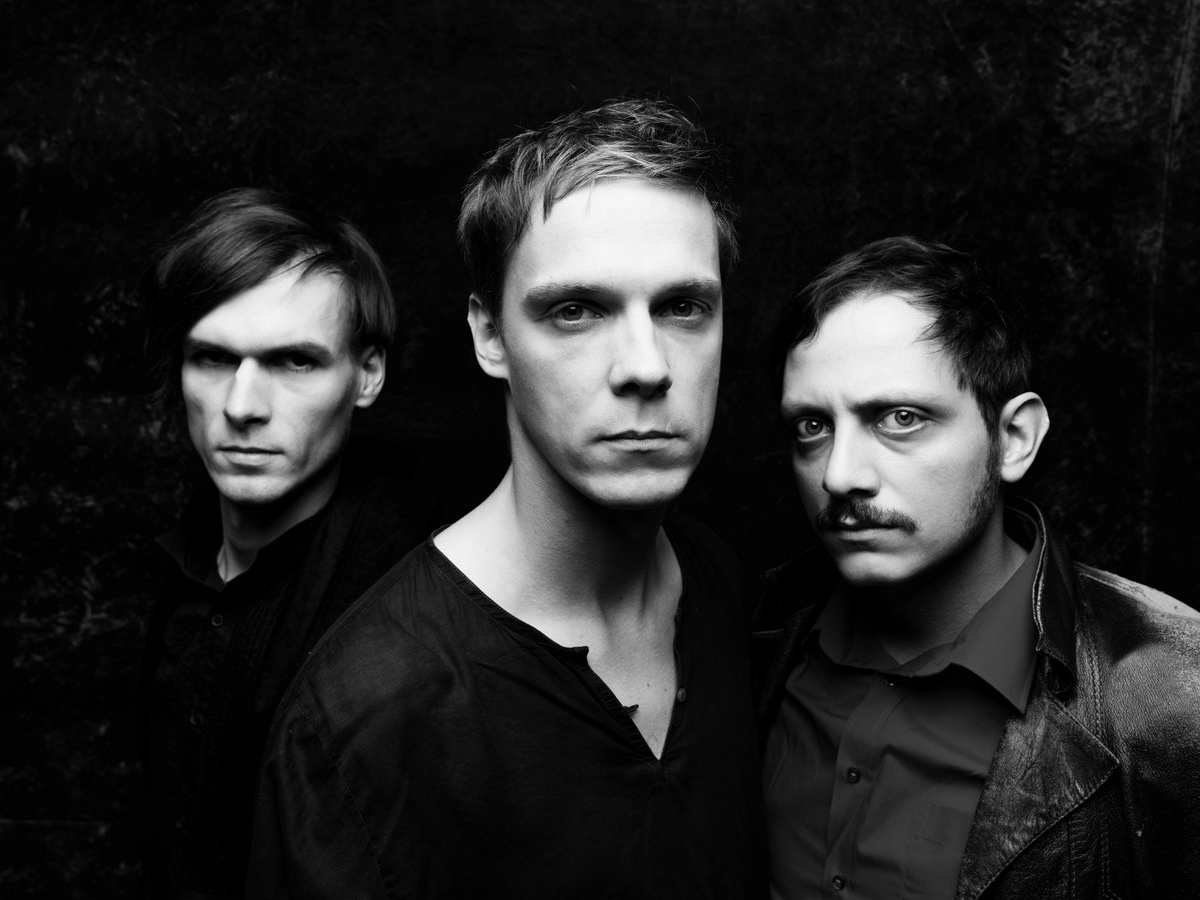
Mystery Art Orchestra are one of those bands. At their core, they operate firmly in the post punk tradition: bass-forward grooves, clipped guitars, and a clear sense of tension. Yet they fold in a measured dose of psychedelic rock's spaciousness and studio craft, building songs that feel both tightly wound and oddly weightless. To understand why that combination works, it helps to look closely at how psychedelic rock and post punk developed in the first place.
Tracing the Roots: Psychedelic Rock and Post Punk Explained
Psychedelic rock grew out of the mid-1960s counterculture, especially in the United States and the United Kingdom. Musicians were responding to a mix of social unrest, rapid technological change, and expanding access to new recording techniques. The goal was less about writing tidy three-minute singles and more about trying to approximate altered states of consciousness through sound. While drugs were part of the cultural backdrop, the musical innovations of psychedelic rock do not depend on that context to make sense.
Sonically, psychedelic rock tends to emphasize atmosphere and expansion. Guitars are often heavily processed with reverb, delay, and fuzz, blurring the line between instrument and environment. Extended solos, drones, and modal harmonies stretch songs into long, circular journeys rather than straight-line narratives. The rhythm section, especially in more exploratory bands, can shift between steady, hypnotic patterns and free-form improvisation. Studio techniques such as tape loops, backward recording, panning effects, and early synthesizers become part of the composition itself, not just cosmetic touches.
Classic examples include early Pink Floyd, the 13th Floor Elevators, Jefferson Airplane, and the more experimental phases of The Beatles and The Jimi Hendrix Experience. In these records, you can hear a clear push away from strict structure toward a more open, sometimes disorienting, yet often deeply immersive listening experience. Vocals may be treated with echo or phasing, lyrics might reference surreal imagery, metaphysics, or inner journeys, and the overall mix often aims to surround the listener rather than simply sit in front of them.
Post punk, by contrast, emerged from a very different social and musical context. In the late 1970s, punk rock had stripped rock music down to its most basic components: fast tempos, simple chords, and direct confrontation. But almost as soon as punk took shape, some musicians began to pull in other influences—dub, funk, krautrock, early electronic music, and even art rock—while keeping punk's DIY mindset and critical stance. This second wave became known as post punk.
Where psychedelic rock frequently stretches time and space, post punk tightens them. The bass often leads the arrangement, locking into insistent, sometimes danceable patterns. Drums can be dry, sharp, and almost mechanical, emphasizing repetition over flash. Guitars tend to be jagged or minimal, focusing on rhythmic stabs, scraped chords, and angular lines instead of big bluesy solos. Keyboards, drum machines, and effects are used not to create lush fantasy worlds but to highlight alienation, friction, and the feeling of living inside modern systems.
Bands like Joy Division, Gang of Four, Wire, Siouxsie and the Banshees, and Television provide key reference points. The production on their records is often stark, with plenty of negative space. Vocals carry emotional weight but may sound detached, ironic, or quietly desperate rather than overtly theatrical. Lyrically, post punk frequently addresses urban decay, political tension, work, technology, and the strain of everyday life. Even when the music is danceable, there is usually a sense of unease running beneath the surface.
Despite the apparent contrast, psychedelic rock and post punk share several important traits. Both emerged as responses to established music cultures—psychedelic rock pushing against tidy pop and early rock formulae, post punk reacting to both rock excess and the first wave of punk's limitations. Both invite experimentation, though they channel it differently: psychedelic rock through open-ended journeys and sensory overload, post punk through structural minimalism and sonic contrast. Both have also proven remarkably durable, influencing multiple waves of revivalism and hybrid genres, from shoegaze and dream pop to dance-punk and neo-psych bands.
For contemporary groups like Mystery Art Orchestra, this means they can treat psychedelic rock and post punk less like fixed historical styles and more like sets of tools and attitudes. Post punk offers them a skeleton—rhythmic focus, emotional intensity, functional minimalism—while psychedelic rock offers them a way to shade that skeleton with color, space, and a different sense of time. Their music lives at the point where those approaches intersect.
A Modern Synthesis: The Sound of Mystery Art Orchestra
Mystery Art Orchestra operate first and foremost as a post punk band. Listen to their rhythm section and you hear many of the genre's defining traits: a bass tone that cuts through the mix with clear melodic intent; drum patterns that favor tight hi-hat work and precise kick-snare interplay; grooves that feel tense, coiled, and ready to move a crowd without resorting to speed for its own sake. This foundation gives the songs structure and momentum, anchoring the listener even as other elements push toward abstraction.
The guitars often follow that same post punk logic. Rather than filling every bar with chords, they leave space, choosing sharp, percussive hits or lean, chiming arpeggios. At times, they echo the wiry angularity associated with British and European post punk, while in other moments they slip toward a more atmospheric, almost shoegaze-adjacent shimmer. That shift points directly toward the band's selective use of psychedelic rock techniques.
Where many traditional post punk records privilege dryness and immediacy in their production, Mystery Art Orchestra introduce a deliberate sense of distance and depth. Reverb and delay are not constant, but they appear at key moments: a vocal line that suddenly trails off into a long echo, a guitar figure that blooms into a hazy trail across the stereo field, a snare hit that briefly opens up into room ambience. These choices borrow heavily from the atmospheric ideas of psychedelic rock, but they are applied surgically rather than saturating every second of the mix.
The band also shows an interest in repetition that carries traces of both traditions. From post punk, they inherit the motorik pull of bass and drums working in tight loops. From psychedelic rock, they borrow the idea that staying on a single chord or groove for an extended passage can shift the listener's perception. In their arrangements, subtle changes in tone, effects, and background textures keep these loops from feeling static. Instead, the repetition becomes hypnotic, creating the sense of being pulled deeper inside the song even as the core structure remains relatively simple.
Vocally, Mystery Art Orchestra lean into a restrained delivery that fits within the post punk lineage. Lyrics tend to circle around themes of disconnection, late-night introspection, fragile relationships, and the pressure of contemporary life. Yet, instead of presenting these themes in a purely stark or cynical way, the band sometimes wraps them in dreamier melodic lines or harmony layers that feel closer to psychedelic pop. This tension between content and presentation—anxious words drifting on floating melodies—adds to the music's emotional complexity.
Visually and aesthetically, the band extend this hybrid approach. Their artwork and stage lighting often favor muted colors, shadows, and suggestions rather than literal imagery. There is a shared mood with classic post punk sleeve design—minimal shapes, strong typography—but with occasional abstract or surreal touches that echo 1960s and 1970s psych posters and experimental film stills. Again, the balance is key: psychedelia appears as an influence, not as costume.
Importantly, Mystery Art Orchestra do not treat psychedelic elements as an excuse for self-indulgence. Their songs generally keep clear structures—verses, choruses, bridges—rather than stretching into endless jams. Guitar and synth textures may swell and swirl, but they serve the emotional arc of the track rather than existing for their own sake. This discipline keeps the project rooted in post punk's urgency while still allowing for moments that feel expansive, weightless, or disoriented in a carefully controlled way.
The result is a sound that can feel both immediately physical and quietly hallucinatory. Listeners drawn to the rumbling drive of classic post punk will find plenty to hold onto, while fans of more atmospheric rock will likely appreciate the band's sensitivity to space, echo, and tonal color. Instead of alternating between genres song by song, Mystery Art Orchestra integrate these influences within individual arrangements, making the hybrid feel less like a collage and more like a coherent language.
Current Releases and Live Performances
One of the clearest ways to understand Mystery Art Orchestra's identity is to experience their music in a live setting. On stage, the band sharpen their post punk core while allowing the psychedelic aspects to emerge through dynamics and sound design. The bass and drums usually sit slightly forward in the mix, encouraging a bodily response—heads nodding, feet moving almost involuntarily—while the guitars and any additional electronics paint the edges of the sound with motion and color.
Audience reports often describe a gradual build in their sets. Early songs establish a relatively stark, rhythmic foundation. As the show progresses, delay trails grow longer, synth pads seep into the background, and the lights shift from cold whites and blues into deeper, more saturated shades. The final third of a typical set tends to feel both more intense and more dreamlike, as if the band are slowly re-tuning the room's sense of time without sacrificing clarity or control.
For readers interested in catching that experience in person, the band maintain an updated list of tour dates and upcoming events on their official site at Mystery Art Orchestra Homepage. There, you can usually find information about club shows, festival appearances, and regional tours, as well as occasional notes about support acts and local collaborators. Given the band's commitment to building a sustainable independent career, these live dates are not just performances but also opportunities for them to deepen connections with local scenes and new listeners.
On the recorded side, Mystery Art Orchestra have embraced the renewed interest in physical formats such as vinyl and CDs. While streaming remains a practical way for many listeners to sample their catalog, the band place noticeable care into sequencing, artwork, and overall album flow, making their releases well suited to formats that encourage full-playthrough listening. Their presence on Bandcamp reflects this approach: releases are easily available to stream, but the page foregrounds options to purchase LPs and CDs, often with additional liner notes or artwork elements that are not apparent in purely digital contexts.
If you want to support the band more directly and explore their releases in depth, their catalog is available via Mystery Art Orchestra on Bandcamp. For many listeners involved in independent music communities, buying a record or CD on Bandcamp is not only a way to secure a tangible object but also a practical form of patronage, given that the platform's revenue splits tend to be more favorable to artists than most large streaming services. This fits with the band's broader ethic of maintaining creative control over their output and cultivating a sustainable relationship with listeners.
Their recent single "Going Under" provides a focused snapshot of where Mystery Art Orchestra are artistically. Built on a tightly locked bass-and-drum groove, the track opens with a sense of steady forward motion. The verse sections keep the guitar relatively restrained, favoring clipped chords and a clean, almost glassy tone that hints at vulnerability underneath the rhythm. Vocals sit close to the listener, intimate but slightly distant, describing emotional fatigue and the feeling of sinking into routines that no longer feel like choices.
As the song moves into the chorus, the arrangements widen. Reverb becomes more present on the vocal, delay trails begin to drift from the guitar, and subtle background synths or processed sounds creep into the mix. The lyrical refrain, which grapples with the sense of "going under" emotionally or psychologically, contrasts with the upward lift of the harmony and melodic line. This creates a productive dissonance between content and form: the words describe descent while the music feels like a slow upward drift into light, or perhaps into a haze that blurs the edges of reality.
The accompanying video, accessible via Watch "Going Under" on YouTube, reinforces this balance. Rather than relying on high-budget spectacle, the visuals use simple but effective techniques: controlled lighting, subtle camera motion, layered shadows, and occasional abstract overlays. The band appears, but not as larger-than-life rock figures; instead, they are part of a shifting visual environment that echoes the song's themes of disorientation and quiet resistance. The editing rhythm aligns closely with the track's structure, emphasizing transitions where the music steps from tighter post punk minimalism into a more psychedelic blur.
Viewed together, the single and its video underline how Mystery Art Orchestra are engaging seriously with their influences without leaning on nostalgia. The production is up to date, the mix feels contemporary, and the pacing respects current listeners' attention spans while still rewarding focused listening. Their live shows, physical releases, and online presence all contribute to a coherent identity: a band that understands the roots of post punk and psychedelic rock but uses those histories to articulate present-day emotional realities.
Community Discussion & Reviews:
Audience Reception and the Independent Music Scene
Within independent music circles, Mystery Art Orchestra have begun to attract a following that values both emotional honesty and sonic craft. Many listeners encountering the band for the first time note the immediate impact of the rhythm section—how the bass and drums create a sense of propulsion that holds attention even before the subtler details of the arrangements are fully apparent. This is a common entry point for post punk fans, who often prioritize groove and mood over flashy solos.
Online, early adopters tend to share the band's tracks alongside discussions of how their sound sits within a broader lineage. In comment sections, social media threads, and small forum communities, Mystery Art Orchestra are often mentioned in the same breath as both classic post punk acts and contemporary groups that favor dark, atmospheric approaches. Some listeners highlight the clarity of the production, appreciating that each instrument occupies a defined space in the mix, while others focus on the lyrics, which often strike a balance between specific detail and open-ended imagery that listeners can project themselves into.
This type of reception matters in the current music ecosystem, where word of mouth and small-scale recommendation channels frequently have more impact on an independent band's trajectory than any single playlist placement. Mystery Art Orchestra's willingness to tour smaller venues, engage with local promoters, and make themselves available after shows for conversations aligns well with the expectations of fans who value authenticity. Rather than presenting as a distant or overly polished act, they appear as working artists attentive to the communities that support them.
Their subtle integration of psychedelic elements also resonates with a broader cultural trend among younger listeners. Many Gen Z and Millennial fans navigate streaming platforms as vast archives, moving fluidly between decades and genres. For them, discovering a band that pulls from 1960s psych textures and 1980s post punk songcraft without dressing it up as retro can feel especially satisfying. Mystery Art Orchestra's music fits naturally into playlists that might mix cold wave, dream pop, modern indie, and classic alternative, making them a flexible presence in listeners' daily soundtracks.
Independent writers and smaller music publications have begun to note this flexibility as a strength. Reviews often praise the band's ability to sound cohesive across different tempos and levels of intensity. A slower track might emphasize reverb-laden guitar swells and gently pulsing bass, inviting comparisons to more reflective psych and dream pop, while a faster song might lean heavily on clipped guitar stabs and dry drums, sitting very close to classic post punk. In both cases, though, the core identity remains intact: a focus on mood, groove, and the subtle play between clarity and blur.
On the cultural level, Mystery Art Orchestra's trajectory reflects how genre-blending has moved from exception to norm in underground and independent scenes. Younger audiences often resist rigid labels, instead adopting language like "vibes" or "energies" to capture what they experience in music. This does not imply a lack of discernment; rather, it reflects a more fluid way of hearing influence and intention. Mystery Art Orchestra benefit from this environment, as their mix of post punk discipline and psychedelic texture reads less like a theoretical experiment and more like a natural expression of how many listeners already consume and categorize music.
Still, the band do not treat this openness as license to drift without focus. Their recordings and shows suggest a clear sense of self, an understanding that the combination of sharp rhythm, carefully chosen guitar tones, and measured use of effects is their particular field. This clarity gives audiences something firm to latch onto, even as the songs explore uncertainty, doubt, and shifting internal states. The resulting connection between band and listeners is not based on spectacle but on shared mood—quiet intensity, reflective energy, and a sense of moving forward through ambiguity.
Frequently Asked Questions
Who are Mystery Art Orchestra, and where do they come from?
Mystery Art Orchestra are a contemporary rock band that position themselves primarily within the post punk tradition while actively integrating elements from psychedelic rock. Emerging from a local scene where DIY shows, small venues, and community-led events still play a major role, they developed their sound over a period of regular live performances and iterative demo recordings. The band's lineup follows a familiar structure—vocals, guitar, bass, drums, and occasionally additional electronics or keys—yet each member approaches their role with an ear toward texture and dynamic control rather than virtuosity for its own sake. Their origin story is less about sudden viral discovery and more about steady, local work: playing support slots, refining setlists, and gradually building a listening base that extends beyond their immediate region through word of mouth and online sharing.
How would you describe Mystery Art Orchestra's sound in simple terms?
In straightforward language, Mystery Art Orchestra sound like a dark, rhythm-oriented rock band that uses atmosphere as an equal partner to melody. If you imagine the tight basslines and driving drums associated with classic post punk, then add a layer of echoing guitars and subtle studio effects borrowed from psychedelic rock, you arrive close to their core sound. The vocals often carry a cool, restrained quality, allowing the lyrics to register without dominating the entire sonic field. Songs tend to balance clarity and haze: the groove is easy to follow, but the surrounding textures give the feeling that you are standing in a room where light sources keep shifting. For listeners who appreciate music that can be played loud in a club yet still reward headphone listening at night, this combination can feel particularly engaging.
What makes their approach to genre-blending different from many other bands?
Many contemporary acts mix genres by referencing them openly, sometimes changing styles between tracks or within a song in ways that feel almost like quotations. Mystery Art Orchestra take a more integrated approach. Instead of writing a straightforward post punk song and then adding psychedelic effects on top, they build arrangements where these influences inform decisions at every level: choice of guitar voicings, pacing of vocal lines, amount of reverb on individual drum hits, and the shape of transitions between song sections. Their post punk side provides discipline—economical arrangements, focus on rhythm, avoidance of unnecessary ornamentation—while their psychedelic leanings inform how they treat space and time in the recordings. This integration makes the hybrid feel less like a stylistic showcase and more like the band's native musical language.
Where can new listeners start with Mystery Art Orchestra's music?
For someone approaching the band for the first time, "Going Under" is an effective entry point. The track highlights the tension between their driving, bass-led grooves and their preference for subtle, expansive atmospheres. The structure is accessible, with clear verses and choruses, making it easy to follow even on a first listen. At the same time, careful attention reveals details such as the way the guitar tone shifts from dry to more reverberant across sections, or how background textures accumulate toward the song's end. After "Going Under," exploring their releases via Mystery Art Orchestra on Bandcamp offers a deeper sense of their range, especially if you listen to full EPs or albums in sequence. Physical releases, when available, present the tracklists as intentional arcs rather than random collections, reflecting the band's preference for cohesive listening experiences.
How important are live performances to their overall identity?
Live performance is central to Mystery Art Orchestra's identity. Their songs are constructed in ways that translate effectively to the stage, with arrangements that the band can recreate without relying heavily on pre-recorded material. This allows room for subtle variation from show to show—slightly extended intros, more pronounced dynamic swells, or small improvisational flourishes—while keeping the overall structure consistent. Attending a concert reveals the physical side of their music: bass frequencies that vibrate through the floor, drum hits that register in the chest, and vocals that feel more immediate than they sometimes do on record. For many independent artists, touring and live shows also serve as crucial points of contact with fans, and Mystery Art Orchestra treat this seriously. Updated tour information and upcoming appearances are listed on their official site at Mystery Art Orchestra Homepage, reflecting their commitment to staying present in both local and wider circuits.
How does Mystery Art Orchestra fit into the current independent music landscape?
In the broader independent music world, Mystery Art Orchestra occupy a space where genre lines are porous but craftsmanship still matters. They share common ground with bands in post punk, darkwave, indie rock, and neo-psych scenes, often being programmed on lineups or playlists that pull from multiple of these categories. Their emphasis on physical formats, thoughtful visual design, and direct artist-to-fan channels aligns with a wider movement among independent acts who seek to maintain agency over their work rather than chasing quick spikes in streaming numbers. At the same time, their recordings are produced with modern standards in mind—clear low end, balanced stereo field, competitive loudness—making them compatible with contemporary listening environments, whether that means small Bluetooth speakers, quality headphones, or club sound systems. This blend of traditional independent values and current technical awareness positions them well in an era where authenticity and sonic polish are not mutually exclusive.
Are they more of a "studio band" or a "live band"?
The distinction between "studio" and "live" can be misleading in Mystery Art Orchestra's case. Their recordings show a careful attention to detail—judicious use of effects, thoughtful layering, and nuanced mixing decisions—that reflect a strong studio sensibility. The subtle psychedelic elements often emerge most clearly in recorded form, where repeated listens reveal how delays, reverbs, and background sounds are placed. At the same time, the underlying structures of the songs are robust enough to thrive in live performance without extensive backing tracks. When played on stage, the tracks can lean slightly more toward the post punk side: drier, more forceful, with the band feeding off the audience's energy. Rather than choosing one identity over the other, Mystery Art Orchestra treat studio and stage as complementary spaces. The studio allows them to shape the fine grain of their sound; the stage tests the emotional and physical impact of that sound in real time, feeding back into future writing and production choices.
So schätzen die Börsenprofis Aktien ein!

Für. Immer. Kostenlos.