
Psychedelic Rock vs Post Punk: Mystery Art Orchestra
Published on 03/13/2026 at 07:47 | Editorial responsibility: Rafael Müller, Editor-in-Chief AD HOC NEWS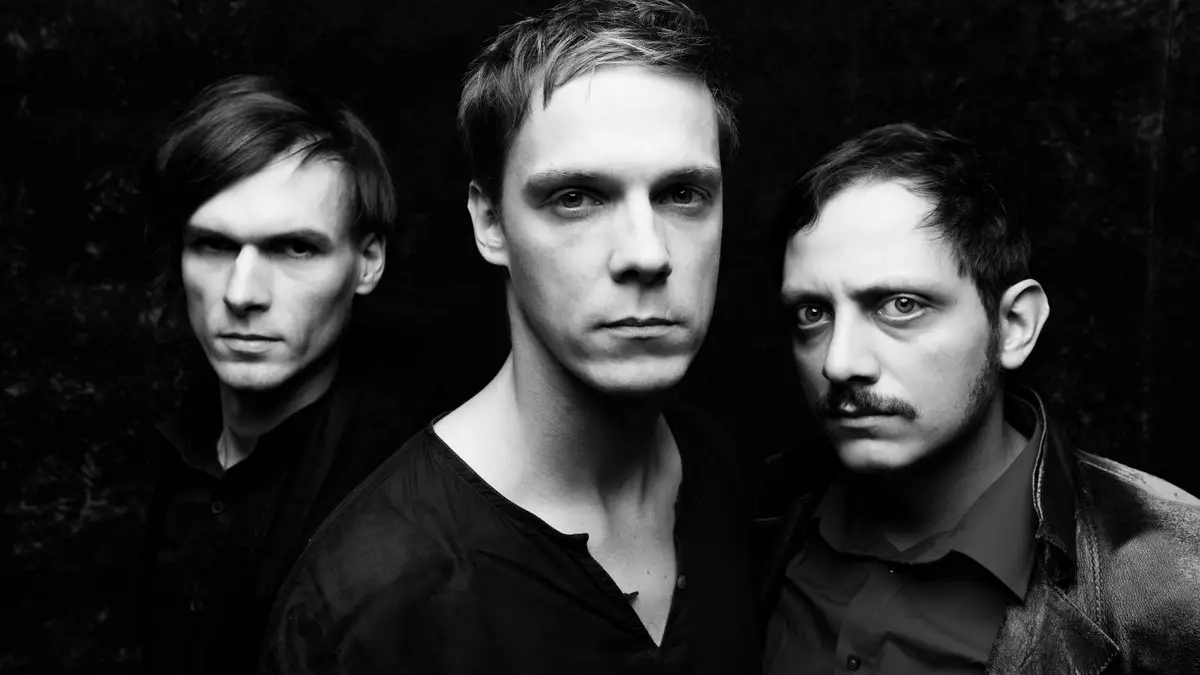
Rock history tends to move in cycles. Sounds that once felt radical become familiar, then disappear from the mainstream, only to return in new forms when a fresh generation finds its own use for them. Psychedelic Rock and Post Punk were both born as reactions to their eras, but they have proved unusually durable because they speak to questions that never quite go away: how to stretch the possibilities of sound, and how to express tension, uncertainty, and social unease. Today, a growing number of artists are treating these genres not as fixed styles but as toolkits. Among them, Mystery Art Orchestra stand out as a band rooted in Post Punk who use carefully chosen Psychedelic Rock elements to shape a distinctive, increasingly recognized voice.
This article looks at how those two genres evolved, what sets them apart, and how Mystery Art Orchestra work at the point where they overlap. It also explores their live shows, recordings, and community reception, with practical pointers for listeners who want to explore their music further.
Tracing the Roots: Psychedelic Rock and Post Punk Explained
Psychedelic Rock emerged in the mid-to-late 1960s, tied closely to countercultural movements, experimental drug use, and a growing interest in Eastern philosophies and non-Western musical traditions. At its core, Psychedelic Rock asks a simple question: what happens if a song is not just a tune but a space the listener can inhabit?
Musically, early Psychedelic Rock leaned on a few key traits. Guitar tones became more exploratory, with fuzz, reverb, wah, and tape echo turning simple riffs into drifting or swirling textures. Studio production shifted from documentation to creation. Instead of just capturing a performance, producers and engineers used multi-tracking, tape reversal, phasing, and reverb chambers to shape sounds that could not exist on stage. Keyboards, organs, and later early synthesizers added drones and sustained chords that created a sense of suspension. Song structures frequently loosened: extended instrumental sections, modal jams, and ambiguous endings replaced the tight three-minute single format.
Vocally and lyrically, Psychedelic Rock often leaned toward abstraction. Instead of straightforward storytelling, lyrics suggested altered perception, inner journeys, or surreal imagery: mirrors, oceans, shifting skies, and dreamlike encounters. The point was not clarity but atmosphere. That focus on atmosphere gave Psychedelic Rock a particular emotional palette: wonder, disorientation, and sometimes unease.
By contrast, Post Punk developed in the late 1970s as punk’s first major mutation. Punk had already stripped rock back to its basics: loud guitars, fast tempos, short songs, and a rejection of virtuosity for its own sake. Yet within a few years, some of the most curious figures from that scene began to feel that the template was too restrictive. They kept punk’s intensity and DIY attitude but started borrowing from funk, dub, experimental rock, and art music. That shift, along with a darker and more self-critical lyrical approach, became the seedbed of Post Punk.
Where Psychedelic Rock typically spreads outward and emphasizes expansiveness, Post Punk tends to tighten the screws. Its musical language is more angular and rhythmically driven. The bass often becomes the central instrument, playing repetitive patterns that lock in with sharp, sometimes almost mechanical drum grooves. Guitars are frequently clipped, trebly, and percussive rather than lush or heavily distorted. Instead of long solos, you hear short motifs, dissonant chords, and stabs of sound that emphasize mood over virtuosity.
Production in classic Post Punk is generally leaner than in Psychedelic Rock, but it has its own sense of space. Rather than huge, hazy mixes, many Post Punk records feel cold and close, using room reverb, slap-back delay, and sparse arrangements to highlight emptiness and tension. Vocals can be half-spoken, detached, or fiercely emotional, but they usually focus on social anxiety, urban decay, identity struggle, and the sensation of watching institutions lose their grip. Where psychedelic lyrics often blur edges to suggest escape, Post Punk uses detail and repetition to suggest claustrophobia.
Both genres, however, share something important: they emerged as counter-cultural moves. Psychedelic Rock pushed back against mid-60s pop convention and conservative social norms, aligning with protests, anti-war sentiment, and explorations of consciousness. Post Punk responded to late-70s disillusionment, unemployment, and the sense that both mainstream rock and mainstream politics had lost credibility. In different ways, each genre opened space for experimentation and for voices that did not fit radio expectations of the time.
That shared sense of resistance is one reason why younger musicians keep reworking these sounds. Psychedelic Rock offers tools for widening the emotional and sonic field; Post Punk offers tools for articulating restlessness and doubt. When combined thoughtfully—as in the work of Mystery Art Orchestra—the result can feel both historically grounded and sharply attuned to present-day uncertainties.
A Modern Synthesis: The Sound of Mystery Art Orchestra
Mystery Art Orchestra operate, first and foremost, as a Post Punk band. Their songs are built around rhythm: bass lines that circle like slowly tightening loops, drum patterns that favor steady, driving pulses over flashy fills, and guitars that cut in short, precise phrases rather than sprawling leads. Listening to their work, you can hear the legacy of late-70s and early-80s Post Punk in the way they foreground negative space. Riffs are often economical, and when instruments drop out, the absence feels as meaningful as any note that is played.
What sets the band apart from many present-day Post Punk revival groups is how they treat that framework as a skeleton rather than a finished body. Around the rhythm section’s taut spine, they weave carefully curated Psychedelic Rock influences, not as decorative retro gestures, but as structural elements that change how the songs move and breathe.
Instead of dense walls of guitar, Mystery Art Orchestra favor atmospheric layers: delayed arpeggios that trail off into the background, gentle feedback that hovers just at the edge of perception, and synth or organ tones that function almost like a light mist over the arrangement. These choices give their tracks a sense of depth; the bass and drums keep the listener grounded while the higher-frequency details blur the boundaries of the mix.
Their melodic thinking often reflects Psychedelic Rock’s fondness for drones and modal repetition. Rather than constantly shifting chords, some songs sit on a small set of harmonies, allowing subtle changes in tone color, dynamics, and effects to carry the emotional narrative. Yet the band rarely let these sections drift into indefinite jams. Post Punk’s discipline remains present: structures are clearly defined, and climaxes arrive with intention.
Vocally, Mystery Art Orchestra move between cold, almost spoken passages and more open, melodic lines. The lyrics tend to deal with modern forms of disconnection: digital overload, the tension between public persona and private self, and the sense of sinking beneath everyday pressures. Where a traditional Psychedelic Rock act might frame these concerns as part of a cosmic journey, Mystery Art Orchestra frame them as immediate and physical—commutes, late nights, crowded clubs, and the feeling of being both observed and unseen. However, the psychedelic elements in their arrangements keep these narratives from becoming purely grey. Echoes, reverbs, and layered backing voices suggest interior monologues and parallel emotional tracks running beneath the surface.
The band’s aesthetic extends beyond their sound. Visuals associated with Mystery Art Orchestra often blend stark, urban imagery with softer, abstract forms: concrete lines, blurred lights, grainy textures, and color palettes that sit between neon and monochrome. It matches their hybrid approach: the grounded tension of Post Punk shaded by the more diffuse, poetic qualities of Psychedelic Rock.
This synthesis feels particularly suited to the current moment. Many listeners live in environments defined by constant connectivity, overlapping crises, and rapid shifts in technology and culture. Mystery Art Orchestra’s music acknowledges that pressure but refuses to flatten it into either pure despair or escapist fantasy. Instead, their songs hold both: the anxiety of the beat and the possibility of momentary suspension in the reverberant spaces around it.
Current Releases and Live Performances
For a band whose recordings emphasize atmosphere, Mystery Art Orchestra’s live shows have become an essential part of their identity. On stage, they lean into the rhythmic backbone of their songs, often pushing tempos slightly forward compared with their studio versions. The result is a physical, almost bodily reading of what on record can feel introspective. Bass and drums hit harder, filling the room, while the more psychedelic elements—delay trails, reverbs, and synth pads—are handled with enough restraint to keep the performance focused.
Audiences describe their concerts as measured rather than chaotic. Stage movement is purposeful: band members rarely explode into wild gestures, but they maintain a steady, compressed energy that suits the material. Instead of confessional between-song banter, they keep transitions tight, letting instrument swells and drones bridge tracks. That approach underscores a central aspect of their character: Mystery Art Orchestra trust repetition and dynamics to do the emotional work.
For those interested in seeing that approach in person, the band keep their touring schedule and upcoming events updated on their official site at Mystery Art Orchestra Homepage. The site provides dates, venues, and occasional notes on support acts, giving a useful overview of how their presence is growing across regional circuits and festival lineups. It also serves as a hub for news, short updates from the band, and press materials.
On the recorded side, Mystery Art Orchestra fit firmly within the contemporary independent ecosystem, where digital access and physical artifacts coexist. While their music is available on the major streaming platforms, the band place visible emphasis on physical releases through Bandcamp. Their page at Mystery Art Orchestra on Bandcamp offers LPs and CDs, often with small-run variations, inserts, or artwork details that reward dedicated listeners. This approach reflects a broader tendency among independent artists: in an era of algorithm-driven discovery, physical media function as both revenue support and a more grounded point of contact between artist and listener.
Bandcamp’s model—with direct communication tools, pre-order functions, and the ability to pay above the minimum price—encourages a sense of mutual commitment. Fans who invest in vinyl or CDs are not just purchasing a format; they are backing the conditions that allow bands like Mystery Art Orchestra to continue refining their craft, booking studio time, and touring. For many listeners, that sense of participation is part of the appeal.
One of the clearest entry points into their sound is the recent single "Going Under", accompanied by a focused, thoughtfully shot video, available at Watch "Going Under" on YouTube. The track demonstrates the balance they strike between Post Punk structure and Psychedelic color. It typically opens with a tightly locked rhythm section: a bass line that circles around a handful of notes, pushing insistently forward, and drums that favor a dry, punchy kick and snare pattern. Guitars enter not as power chords but as fragmented phrases, picked in a way that leaves space between notes.
Midway through the song, you can hear the psychedelic influence more clearly. Guitar lines stretch slightly, supported by delay that repeats fragments of melody into the distance. Reverb opens up on selected vocal phrases, making certain words feel as if they are echoing inside a much larger room than the rest of the mix occupies. Yet the track never loses its anchor: the bass and drums maintain a clear, almost marching momentum, preventing the atmosphere from dissolving into formlessness.
Lyrically, "Going Under" works on multiple levels. On the surface, it depicts the sensation of being overwhelmed—by obligations, digital noise, or unprocessed thoughts. The verses use straightforward, concrete imagery rather than psychedelic surrealism: clocks, screens, crowded transport, recurring notifications. However, the chorus and the way certain lines are delivered introduce a more ambiguous tone, leaving room for interpretation: is the narrator surrendering, or noting the descent in order to resist it? The video reflects this tension visually, playing with shadows, reflections, and controlled camera movement rather than flashy effects.
From a critical standpoint, the single succeeds because its experimentation is framed by clarity. The band do not attempt to compress their entire palette into one overwhelming track. Instead, they present a focused statement of who they are: rhythm-forward, minimalist in structure, and willing to let carefully measured psychedelic touches thicken the emotional air around the lyrics. As an introduction for new listeners, "Going Under" functions as a concise map of their strengths.
Community Discussion & Reviews:
Audience Reception and the Independent Music Scene
In an era where listeners often reach new bands through algorithms, playlists, and short-form clips, Mystery Art Orchestra’s growth has been steady rather than explosive. That pace, however, has its advantages. It means much of their reach is grounded in word-of-mouth: recommendations from small venues, fanzines, independent radio shows, and fans who share live recordings and playlists with their own circles.
Within independent music communities, the band’s genre hybrid sits comfortably alongside contemporary artists who blur categories. For younger listeners raised on streaming, strict boundaries between genres often feel artificial. Many move easily from shoegaze to electronic ambient to classic Post Punk in a single session. Mystery Art Orchestra meet that listening habit with material that reads clearly as Post Punk—especially in its emphasis on rhythm and unease—while offering enough atmospheric detail to appeal to fans of dreamier or more textural music.
Reports from local promoters and smaller festival organizers suggest that the band’s draw grows most decisively in cities with active DIY or art-space circuits. Their shows tend to attract audiences that value attentive listening. Instead of constant chatter, there is often a focused quiet as songs build, followed by energetic responses when grooves lock in or shifts in dynamics land. That pattern indicates a certain level of trust: listeners give the band space to build slowly because the payoff feels earned.
Critically, Mystery Art Orchestra fit into a larger story about how Post Punk has reemerged over the last decade. Many bands have revisited its aesthetic markers—chorus-soaked bass, monotone vocals, grey-toned artwork—sometimes to the point of pastiche. What keeps Mystery Art Orchestra from sliding into imitation is their commitment to atmosphere that is less about nostalgia and more about present-day disorientation. Their use of Psychedelic Rock elements is not a throwback to 1960s hippie culture; instead, the swirling guitars and expansive reverbs evoke algorithmic feeds, endless scroll, and the sense of time stretching and blurring under digital conditions.
Audience reactions online often highlight this resonance. Under live clips and track uploads, comments mix references to classic Post Punk and Psychedelic Rock acts with very current descriptions: late-night coding sessions, studying in small apartments, commuting through neon-lit streets with headphones on. In other words, listeners are integrating the band into daily routines, treating the songs as soundtracks for concentrated work, travel, or reflection.
That integration shapes cultural impact in ways that do not necessarily appear on mainstream charts. When bands like Mystery Art Orchestra are folded into countless personal micro-narratives—playlists for breakups, art projects, late shifts—they help define the emotional language of a generation even if they remain outside the major-label spotlight. This is where independent music scenes thrive: in the spaces between major releases and headline tours, where artists can build communities that are smaller but often more durable.
The band’s choice to maintain a clear independent identity further influences how they are perceived. Without heavy marketing campaigns, their visibility relies on authenticity, consistent live performances, and recordings that reward repeat listening. For many Gen Z and Millennial listeners who have grown wary of overt hype, that slower, more grounded trajectory carries its own kind of credibility.
Frequently Asked Questions
Who are Mystery Art Orchestra, and where do they come from?
Mystery Art Orchestra are a contemporary Post Punk band with a strong interest in atmospheric sound design. While specific biographical details may shift as their profile grows, they present themselves as a group formed in the context of the modern independent scene: rehearsal rooms, small clubs, and self-organized tours rather than top-down label construction. Their background includes exposure to both classic Post Punk and broader experimental and Psychedelic Rock traditions, which informs the way they arrange and produce their music.
How would you describe their sound to someone new to the band?
The simplest description is that they are rhythm-driven and mood-focused. If you listen closely, you will hear bass and drums working together as the foundation, often in repetitive patterns that build tension. Guitars and keyboards provide texture rather than traditional rock heroics. Their Post Punk side comes through in the tight arrangements, sparse guitar figures, and lyrics that address anxiety, alienation, and social pressures. The Psychedelic Rock side appears in how they treat space and timbre: echoing guitar lines, carefully dialed-in reverbs, and synth or organ layers that make the songs feel bigger on the inside than they might appear on the surface.
For listeners familiar with genre reference points, you might imagine a meeting place between early-80s Post Punk’s restraint and the more spacious, effects-driven approach found in parts of Psychedelic Rock and shoegaze. However, Mystery Art Orchestra avoid simply copying a particular band or era. They strip each influence down to a handful of functions—rhythmic insistence, atmospheric depth, lyrical introspection—and rebuild from there.
What themes do Mystery Art Orchestra explore in their lyrics?
The band tend to focus on contemporary forms of unease: emotional burnout, digital saturation, the difficulty of maintaining genuine connection, and the friction between self-image and reality. Rather than relying on abstract psychedelic imagery or purely political slogans, they combine concrete scenes—a late train, a buzzing phone, fluorescent-lit offices—with more ambiguous phrases that suggest internal conflicts. Many songs read as conversations with the self, or as snapshots of people caught in transitional states: leaving a job, ending a relationship, or simply recognizing patterns that no longer work.
Importantly, the lyrics rarely offer easy resolutions. There are few triumphant climaxes or clear moral statements. Instead, the band seem more interested in capturing honest states of uncertainty and in finding a kind of momentum within them. That approach aligns with their musical choices: repetition, subtle shifts, and the sense that emotional change is gradual rather than sudden.
Are they more psychedelic or more post-punk?
Structurally and philosophically, Mystery Art Orchestra are more Post Punk. Their songs favor concise forms, clear rhythmic frameworks, and a focus on tension. The ethos—do more with less, question the status quo, treat the studio as a tool rather than a spectacle—also stems from Post Punk traditions. The psychedelic aspect is better understood as a set of techniques and colors that they apply within that framework. Echoes, layered guitars, drones, and reverbs are all present, but they are introduced with restraint.
In practice, that means that if you enjoy taut, bass-forward tracks with a slightly dark edge, you will likely recognize their core language quickly. If you lean more toward Psychedelic Rock, their use of space and texture will probably draw you in and provide a bridge to more rhythmically focused material. The band operate at that intersection deliberately, trusting that listeners can hold both sensations: grounded and floating, tense and expansive.
Where can I hear their music and support them directly?
You can stream Mystery Art Orchestra on the major digital platforms, but a more direct and impactful way to support them is through their official channels. Their main website, Mystery Art Orchestra Homepage, gathers key information about releases, live dates, and press material. For physical copies—vinyl and CDs, often in carefully designed editions—their Bandcamp page at Mystery Art Orchestra on Bandcamp is central.
Purchasing through Bandcamp tends to send a higher portion of revenue directly to the band compared with most streaming structures. It also often includes immediate access to digital files, making it easy to support them materially while still listening through your preferred devices. Beyond purchases, following them on these platforms and sharing tracks or live clips with friends remain some of the most effective ways to help independent artists grow.
What is special about the single "Going Under"?
"Going Under" stands out as a concise representation of Mystery Art Orchestra’s current direction. The track balances a firm rhythmic skeleton with subtle psychedelic flourishes, all in a runtime that respects the listener’s attention span. It demonstrates how the band can convey narrative and mood without unnecessary complication: verses are lean, choruses are clear, and the instrumental choices are purposeful.
The accompanying video, available at Watch "Going Under" on YouTube, reinforces this clarity. Visual motifs—reflections, shifts in lighting, and controlled camera movements—echo the song’s theme of pressure and gradual submersion without resorting to literal storytelling. For new listeners, encountering the song in this audiovisual form can provide a strong first impression of how Mystery Art Orchestra think about the relationship between sound, image, and emotion.
Are they active live, and how important are concerts to their identity?
Live performance is central to how Mystery Art Orchestra define themselves. The stage is where their Post Punk core comes most sharply into focus. While studio recordings highlight the sophistication of their atmospheric layering, concerts reveal the physical force of their rhythm section and the discipline of their arrangements. The band appear committed to the idea that songs should survive outside the studio, even when some textural details are adapted or simplified.
To track where they are playing next—small clubs, support slots for larger acts, festival stages—the best resource is again their official site at Mystery Art Orchestra Homepage. There, fans can see how their touring map evolves over time and how their presence shifts from local scenes to wider circuits. For many independent bands, this slow expansion, city by city, remains the most reliable path toward a sustainable career.
How do they fit into the broader evolution of genre-blending in rock?
Mystery Art Orchestra are part of a larger wave of artists treating genre less as a fixed identity and more as a set of historical resources. Rather than declaring themselves purely Psychedelic Rock or purely Post Punk, they pull specific tools from each tradition: from Psychedelic Rock, the focus on atmosphere, extended tones, and the studio’s creative possibilities; from Post Punk, the emphasis on economy, rhythmic intensity, and critical self-awareness.
This approach mirrors how many listeners in the streaming era experience music: through playlists that cross decades and styles, and through recommendations that jump from 1960s albums to brand-new releases within minutes. Bands that understand this listening reality and respond thoughtfully—by honoring the strengths of older genres without turning them into costumes—often find receptive audiences among younger fans. Mystery Art Orchestra’s work suggests that Psychedelic Rock and Post Punk are not museum pieces but living, adaptable languages. Their continued refinement of that language will likely determine how their influence develops within the independent rock ecosystem over the coming years.


