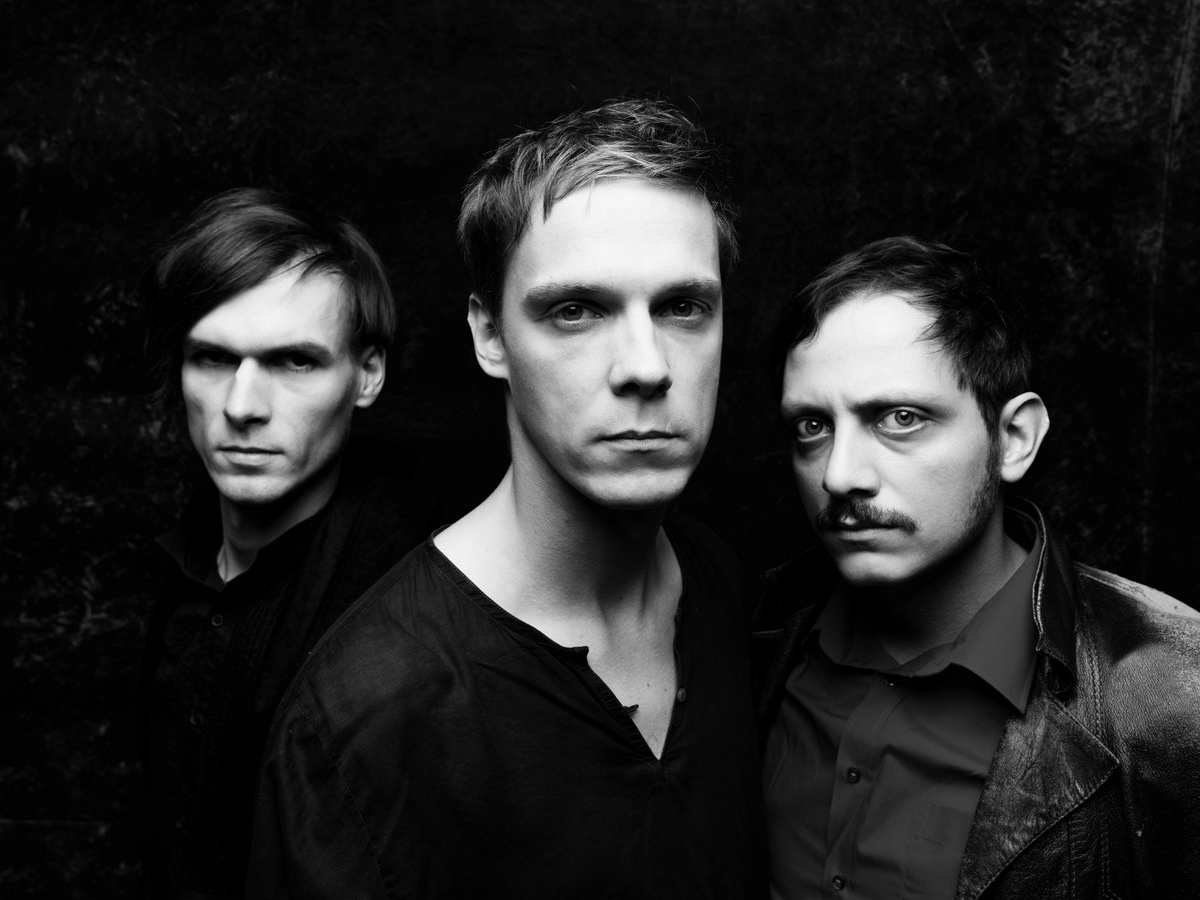
Psychedelic Rock vs Post Punk: Mystery Art Orchestra
11.03.2026 - 08:13:24 | ad-hoc-news.de
Music genres move in cycles. Sounds that once felt radical in the 1960s or early 1980s keep resurfacing, not as retro costume play, but as raw material for new ideas. For younger listeners raised on streaming playlists and algorithmic discovery, Psychedelic Rock and Post Punk are less rigid categories and more toolkits: sets of tones, rhythms, and moods that can be recombined in surprising ways.
One of the more intriguing current examples of this recombination is Mystery Art Orchestra, a band that sits firmly in the post punk lineage while borrowing the atmospheric reach of psychedelic rock. To understand why their hybrid feels coherent rather than forced, it helps to look at how both genres emerged and what they tried to change about rock music in the first place.
Tracing the Roots: Psychedelic Rock and Post Punk Explained
Psychedelic Rock developed in the mid-to-late 1960s, when rock musicians tried to translate altered states of consciousness into sound. While individual histories vary, several shared characteristics stand out. Psychedelic bands tended to stretch song structures, privileging long instrumental passages, improvisation, and a sense of sonic exploration over tidy, radio-friendly formats.
Sonically, psychedelic rock is often defined by its expansive, studio-driven approach. Producers and musicians leaned heavily on reverb, delay, tape manipulation, and early synthesizers to create a sense of depth and disorientation. Guitars might be drenched in fuzz or wah-wah, organs might swell like church choirs, and vocals could drift in and out of the mix as if they were another instrument rather than the central focus. Albums from that era frequently feel like journeys: tracks bleed into each other, and the studio becomes an instrument in itself.
There was also a clear counter-cultural impulse. Psychedelic rock aligned itself with anti-war movements, the questioning of traditional social structures, and experimentation with spirituality and consciousness. Lyrics often addressed inner visions, cosmic questions, or critiques of materialism. Even when songs were relatively simple, the surrounding context placed them outside mainstream pop values.
Post Punk, which rose at the end of the 1970s, responded to a different crisis in rock. After the initial shock of punk, many musicians wanted to retain the DIY ethics and direct energy but push beyond three-chord aggression. Instead of returning to classic rock virtuosity, they looked sideways: to dub, disco, funk, avant-garde composition, and early electronic music. The result was post punk—a broad, often dark, and experimental field that kept punk’s urgency while expanding its sonic vocabulary.
Where psychedelic rock tends to widen and float, post punk typically tightens and drills down. It is strongly rhythmic and bass-driven. Bass lines often carry the melodic core, repeating hypnotic patterns while guitars slash, chime, or scrape across the top. Drums lock into angular grooves that prioritize tension and propulsion over swing. Vocals can be deadpan, anxious, or confrontational, sometimes closer to spoken word than to traditional singing.
Thematically, post punk examined urban alienation, political unease, and the breakdown of social narratives in late-20th-century cities. Instead of cosmic escape, the focus was often on the harsh everyday: concrete, industrial noise, television glare, bureaucracy, and fractured personal relationships. Production tended to be minimalist and raw, even when it was sophisticated—reverbs were colder, spaces more empty, leaving room for each instrument’s attack and decay to be clearly heard.
Both genres, however, share a crucial similarity: they emerged as counter-cultural movements that questioned the dominant form of rock at their respective moments. Psychedelic rock pushed against the limitations of pop songwriting and conservative social norms. Post punk challenged the idea that rock had to be blues-based, guitar-hero centered, or commercially polished. Each genre opened a new way of organizing sound and meaning, and both left a deep imprint on how later musicians think about texture and rhythm.
Today, with streaming libraries flattening time and geography, young bands can treat these histories less as rigid traditions and more as palettes. This is the space where Mystery Art Orchestra operate: grounded in post punk’s rhythmic discipline and tension, while selectively adopting the spaciousness and textural play of psychedelic rock.
A Modern Synthesis: The Sound of Mystery Art Orchestra
Mystery Art Orchestra approach their music first and foremost as a post punk band. Their songs typically pivot around strong, insistent bass lines that act as anchors. The drums favor tight hi-hat patterns, dry snare tones, and a sense of relentless forward motion. This foundation creates the sort of physical groove that made the original wave of post punk—bands exploring danceable darkness—so compelling.
What sets them apart is how they layer atmospheric elements on top of that framework. Instead of treating psychedelic influence as an excuse for extended jams, they use it as a coloristic tool. Guitars might shimmer with chorus and delay, swelling into reverb at the end of phrases, or they might slip into swirling arpeggios that hint at older psych records without mimicking them. Synthesizers and ambient samples appear not as leads but as drifting textures that expand the stereo field.
The band’s arrangements often play with contrast. A verse might feel claustrophobic: bass and drums tightly locked, guitars clipped and dry, vocals close to the ear, almost conversational. Then, in a pre-chorus or bridge, reverb opens up, a distant synth pad fades in, and the guitar suddenly rings out, suspended, suggesting a brief release from the tension. This back-and-forth between pressure and expansion mirrors the dialogue between post punk and psychedelic rock in their sound.
Lyrically, Mystery Art Orchestra stay closer to post punk’s tradition of introspective social commentary. Songs explore themes like late-night anxiety, fragmented communication in digital life, uncertain futures, and the small rituals people use to stay grounded. The psychedelic aspect appears less in direct references to altered states and more in the way certain lines repeat or blur, as if the narrator is caught in a loop of thought. Choruses sometimes rely on phrases that gain weight through repetition, echoing how mantras or recurring images function in psych-era lyrics, but framed through a modern, urban lens.
Their overall aesthetic is best described as nocturnal but not nihilistic. Visual choices—cover art, typography, and stage lighting—tend to emphasize shadow and negative space, yet the music rarely collapses into pure gloom. Instead, the psychedelic touches introduce moments of ambiguity and softness: a drift of delay after a sharp vocal line, or a hazy guitar motif that lingers behind the primary rhythm section. Those details make their songs less about uniform darkness and more about navigating shifting emotional weather.
In practical terms, Mystery Art Orchestra demonstrate how young bands can use genre vocabulary thoughtfully. They do not copy specific classic records, nor do they chase trends for their own sake. Instead, they ask what each influence can actually do in the arrangement. From post punk, they take structure, rhythm, and emotional directness. From psychedelic rock, they borrow space, color, and a sense of sonic depth. The result is a sound that feels familiar enough to connect quickly with fans of either genre, yet distinct in its focus and restraint.
Current Releases and Live Performances
While Mystery Art Orchestra’s recordings reveal a careful balance of tension and atmosphere, their live shows underline the post punk core of their identity. On stage, the rhythm section steps slightly forward in the mix, giving the songs a pulsing, physical presence. Bass lines become almost percussive, and the drums emphasize tight, driving patterns that keep audiences moving even during more introspective tracks.
The psychedelic elements do not disappear live; they shift function. Instead of being carefully stacked in the studio, they emerge through real-time manipulation: guitar pedals, on-the-fly delay adjustments, and subtle synth drones that rise and fall between verses. This creates a sense that each performance is slightly different, even when the setlist remains similar. Moments of controlled feedback or extended reverbs become transitions between songs, blurring boundaries and giving shows a continuous flow.
Listeners interested in experiencing this side of the band can follow their upcoming tour dates and announcements via the official Mystery Art Orchestra Homepage. The site functions as a central hub, with concert listings, news about new releases, and often a glimpse into their visual aesthetics through posters and photography.
In the current independent landscape, a growing number of fans value physical formats as tangible ways to support artists. Mystery Art Orchestra embrace this with carefully produced vinyl and CD editions of their work, often featuring thoughtful artwork that complements their sonic world. These items are available through their Bandcamp presence at Mystery Art Orchestra on Bandcamp. Bandcamp’s model, which gives artists a larger share of revenue and allows for direct communication with supporters, aligns neatly with the band’s ethos: independent, community-oriented, and focused on long-term relationships rather than quick viral spikes.
Their latest single, "Going Under", marks an important point in their evolution. The track combines a tightly coiled rhythm section with slowly unfolding layers of guitar and synth, embodying the band’s hybrid approach. The bass line carries a steady, almost mechanical pulse, while the drums switch between sharp, syncopated hi-hat work in the verses and more open patterns in the chorus. Over this, guitars flicker in the background during the early sections, then expand into wider chords that fill the stereo image as the song progresses.
Vocally, "Going Under" uses repetition and subtle variation to convey a sense of mental drift. The lyrics circle around images of sinking routines and emotional overload—familiar topics for post punk—but the delivery feels more reflective than accusatory. Instead of shouting against the pressure, the vocalist observes it, almost cataloguing the stages of disconnection and fatigue. In the chorus, echoes and delays on key phrases introduce a gentle psychedelic blur, suggesting how memory and perception warp under stress.
The accompanying video, available as Watch "Going Under" on YouTube, strengthens this mood with minimal but effective imagery. Rather than relying on narrative, it focuses on repeated visual motifs—shifting lights, fragmented reflections, and close-ups of instruments—that match the song’s cyclical structure. The editing favors slow dissolves and overlapping frames, treating the band not as rock stars but as part of a larger visual field. This approach underscores their refusal to separate music from atmosphere; what you hear and what you see are designed to work together, extending the track’s tension and release into a visual dimension.
For listeners discovering Mystery Art Orchestra through "Going Under," the single functions as an accessible entry point: it is concise, structurally clear, and rooted in a memorable bass motif, yet it hints at the deeper textural experiments that run through their broader catalog.
Community Discussion & Reviews:
Audience Reception and the Independent Music Scene
Mystery Art Orchestra’s audience has been growing largely through organic channels: word-of-mouth, playlist placements on genre-focused curations, and live shows where they often share bills with other independent acts. This pattern fits with their musical approach. Rather than aiming immediately for mainstream exposure, they build trust through consistent performances and recordings that reward repeat listening.
For many younger listeners, especially those who move fluidly between genres, the band’s combination of post punk structure and psychedelic texture feels intuitive. Fans who gravitate toward classic post punk often respond to the rhythm section first, noting how the bass and drums maintain tension without needing excessive distortion or speed. Meanwhile, fans accustomed to shoegaze, dream pop, or modern psych appreciate the band’s attention to space and sound design, even when songs remain concise and beat-driven.
In independent music circles—blogs, smaller radio stations, and community-driven playlists—the band is frequently cited as part of a larger genre-blending trend. Instead of reviving a style in a strict sense, artists like Mystery Art Orchestra use historical reference points as a way to comment on current realities: digital fatigue, economic uncertainty, and the desire for connection in fragmented environments. The darker emotional palette of post punk fits these themes, while the atmospheric dimension of psychedelic rock offers room for reflection rather than pure catharsis.
Live, the band’s reception often hinges on their ability to balance intensity with nuance. Audiences report shows that feel physically engaging—people move, nod, and lock into the beat—without becoming purely aggressive or chaotic. Between songs, quieter drones or looping motifs keep the mood intact, preventing the abrupt start-stop energy that can break immersion. This approach encourages audiences to stay in the world the band is constructing, rather than treating each track as an isolated event.
On social media and community forums, listeners frequently highlight the band’s commitment to physical releases and visual cohesion. Vinyl and CD editions are treated not only as merchandise but as extensions of the music. Artwork, lyric layouts, and design choices often echo the themes of the songs: urban imagery tempered by abstract shapes, muted color palettes with sudden bursts of brightness. In an era where many tracks exist only as files on streaming platforms, this tangible dimension helps solidify the bond between band and audience.
Culturally, Mystery Art Orchestra’s emergence speaks to a broader appetite for music that sits between nostalgia and experimentation. Younger fans may discover them after hearing older post punk or psych bands on curated playlists, while older listeners may appreciate how the band respects foundational elements without simply recreating them. This cross-generational conversation is one of the independent scene’s strengths: it allows artists to draw from multiple histories while addressing the present with specificity.
Frequently Asked Questions
1. Who are Mystery Art Orchestra, and where are they from?
Mystery Art Orchestra are a contemporary post punk band that emerged from the independent underground rather than from a major-label development pipeline. Core members typically include vocals, guitar, bass, and drums, with additional contributions from synth players or programmers in both the studio and live settings. While their exact city of origin is less central to their identity than their sound, their music carries a distinctly urban feel: references to late-night public transport, empty streets, and dimly lit interiors suggest they draw inspiration from the rhythms of city life. The name "Mystery Art Orchestra" itself points to their interest in collective creation and atmospheric presentation rather than individual celebrity.
2. How would you describe their genre blend in simple terms?
The most accurate short description is that Mystery Art Orchestra are a post punk band with psychedelic overtones. In practical terms, this means their structures, grooves, and lyrical themes come from post punk: tight bass lines, driving drums, and reflective, sometimes tense subject matter. The psychedelic component appears in their use of guitar effects, ambient synth layers, and production choices that create depth and space. They avoid extended solos or jam sessions and instead use psychedelic textures to enhance mood around compact song forms. For new listeners, think of a dark, danceable rhythm section with a mist of echoes and reverb surrounding it.
3. What are some key musical influences on Mystery Art Orchestra?
While the band do not strictly align themselves with specific predecessors, listeners often hear echoes of both late-70s and early-80s post punk and more atmospheric rock from later decades. From classic post punk, they inherit the emphasis on bass-led arrangements, sparse but striking guitar lines, and a preference for emotionally direct lyrics. From various strands of psychedelic and experimental rock, they borrow ideas about sound design: sustained notes, washed-out textures, and gradual dynamic shifts. The result is not a collage of references but a coherent synthesis that feels anchored in rhythm yet open-ended in tone.
4. Where can I listen to and support their music?
The most accessible way to begin is through major streaming services, where their singles and albums are available alongside curated playlists. For listeners who want to directly support the band and explore physical releases, their Bandcamp page—Mystery Art Orchestra on Bandcamp—is especially important. There, fans can purchase digital downloads, vinyl LPs, and CDs, often accompanied by exclusive artwork or limited-edition items. Bandcamp’s model ensures that a significant portion of the revenue goes straight to the band, helping to fund future recordings and tours.
5. What is special about their single "Going Under"?
"Going Under" functions as a concise statement of Mystery Art Orchestra’s identity. Musically, it plants its feet firmly in post punk: a steady, insistent bass line drives the track, while drums create a taut groove that feels both danceable and uneasy. On top of this foundation, the band gradually introduces atmospheric details—subtle synth pads, delayed guitar phrases, and echo-treated vocals—that suggest the influence of psychedelic rock without overpowering the core rhythm. Lyrically, the song addresses emotional overload and a sense of being submerged by daily routines, but it avoids melodrama. Instead, it uses repetition and carefully chosen imagery to capture the slow drift of exhaustion. The video, available at Watch "Going Under" on YouTube, extends these ideas visually with cyclical, fragmentary images rather than a literal storyline.
6. What are their live shows like?
Mystery Art Orchestra’s live performances emphasize tight interplay and atmosphere rather than spectacle. The band typically present themselves with minimal on-stage theatrics: simple lighting, focused playing, and short transitions that keep energy levels consistent. Within that framework, they use sound itself as their primary dramatic tool. Guitars shift between crisp, stabbing chords and expansive, effect-laden swells; synths quietly fill gaps between songs; and drums maintain a steady momentum that invites movement without slipping into generic rock bombast. Fans frequently highlight how songs feel different in person—more physical, slightly rougher at the edges, and occasionally stretched in small ways that showcase the band’s comfort with subtle improvisation. For those interested in attending, dates and venues are listed on the Mystery Art Orchestra Homepage, which is updated as new tours and one-off shows are confirmed.
7. How do Mystery Art Orchestra fit into today’s independent music landscape?
In an era where genre lines blur and listeners frequently hop between styles, Mystery Art Orchestra occupy a thoughtful middle ground. Their music is accessible enough to appeal to fans of post punk, alternative rock, and atmospheric guitar music, yet it retains a distinct identity through its careful use of texture and rhythm. They fit comfortably alongside other independent acts that treat past genres as toolkits rather than strict templates, contributing to a scene that values experimentation within song-based formats. The band’s commitment to physical releases, independent distribution channels, and visually cohesive projects also reflects a broader shift toward sustainable, community-oriented careers in music. Instead of chasing viral moments, they invest in building a catalog and a live reputation that can grow gradually over time.
For listeners who appreciate music that is emotionally direct but sonically detailed, Mystery Art Orchestra offer a compelling example of how older genres can be reinterpreted without losing their core spirit.
So schätzen die Börsenprofis Aktien ein!

Für. Immer. Kostenlos.