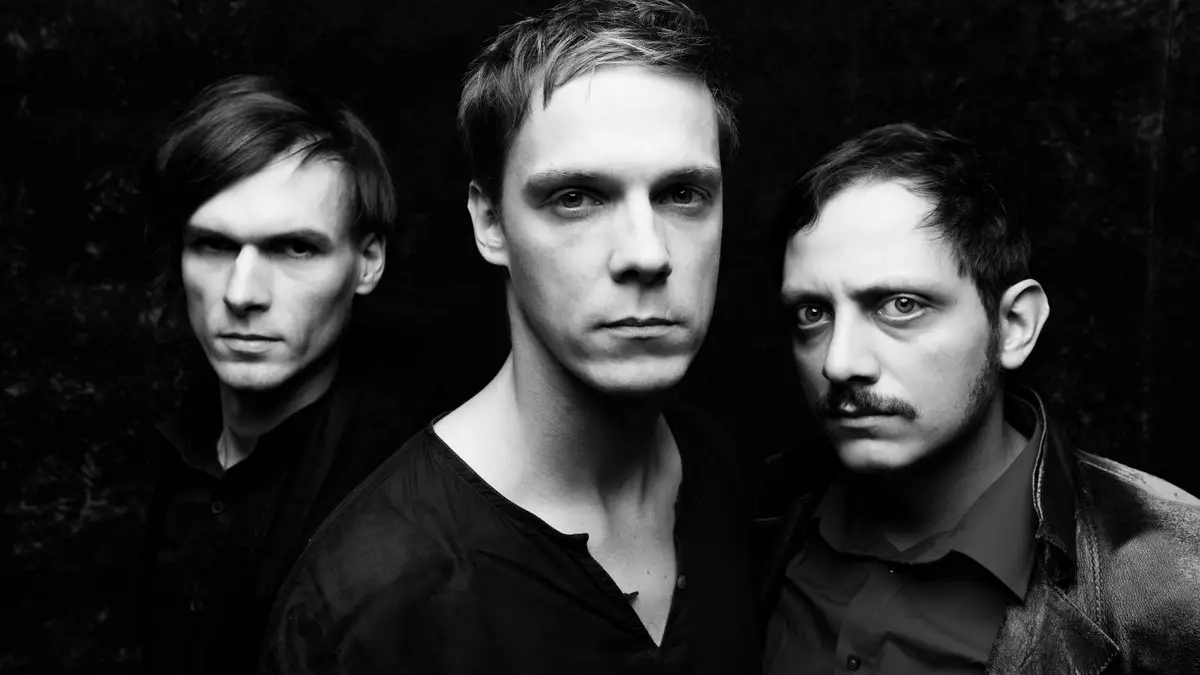
Psychedelic Rock vs Post Punk: Mystery Art Orchestra
Published on 03/10/2026 at 06:37 | Editorial responsibility: Rafael Müller, Editor-in-Chief AD HOC NEWS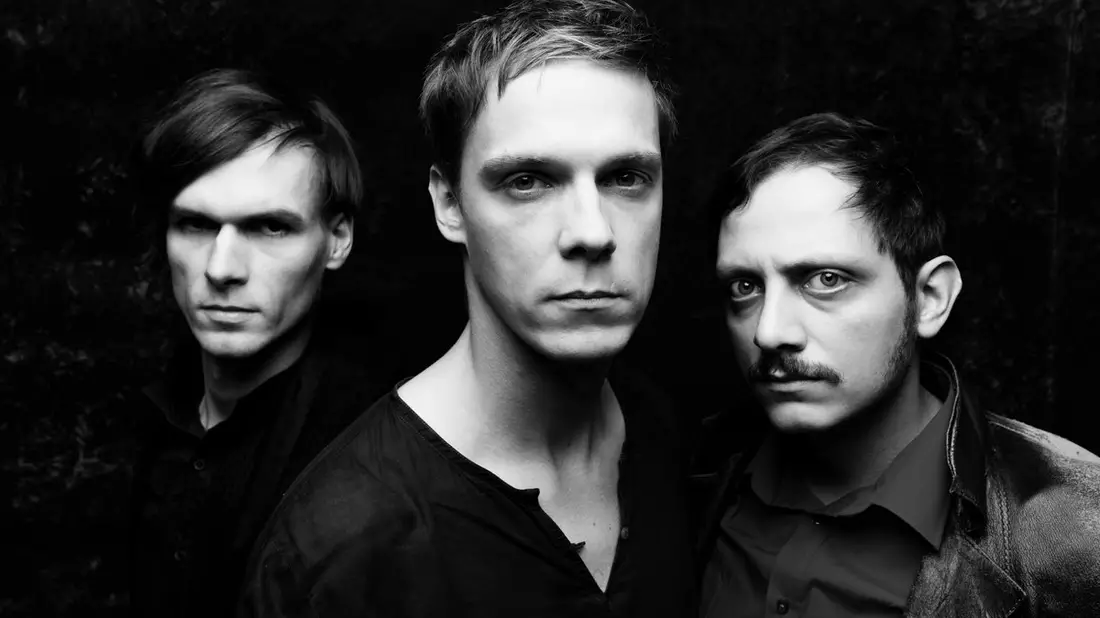
Rock history tends to move in cycles. Sounds that once felt radical get absorbed, reinterpreted, and passed on to new generations of listeners who hear them with fresh ears. Today, a growing wave of independent bands are revisiting classic underground styles not as retro throwbacks, but as flexible toolkits. Among them, Mystery Art Orchestra stand out as a group using the angular discipline of post punk as their core structure while borrowing atmospheric techniques from psychedelic rock to widen their emotional and sonic range.
This kind of cross-genre thinking is not about nostalgia. It is about asking what still feels urgent in these older forms, and how their defining traits can be updated for a digital, hyper-fragmented listening culture. To understand what Mystery Art Orchestra are doing, it helps to first look at the roots of psychedelic rock and post punk, and then trace where their approaches intersect in the band’s recordings and live shows.
Tracing the Roots: Psychedelic Rock and Post Punk Explained
Psychedelic rock grew directly out of the 1960s counterculture, and its goals were as much experiential as musical. The musicians associated with the style were trying to stretch the boundaries of what a rock song could be, mirroring altered states of consciousness through sound. This led to longer track lengths, improvisational passages, and a focus on texture as much as melody.
In practical terms, psychedelic rock often relies on extended guitar effects, studio experimentation, and a sense of space. Reverb, delay, phasing, and tape manipulation all became central tools. Rather than simply playing chords, guitarists would let notes bloom and decay, layering feedback and drones. Keyboards and organs added swirling harmonies, and rhythm sections sometimes loosened into rolling, almost hypnotic grooves instead of tight, danceable beats.
Thematically, the lyrics in psychedelic rock tended to look outward and inward at the same time. Songs addressed perception, spirituality, social unrest, and the feeling of dropping out of conventional life. Vocals were frequently mixed as part of the overall soundscape rather than as the sole focal point, blurring the line between instrument and narrative voice. Albums were often conceived as continuous journeys, with segues, recurring motifs, and expansive arrangements.
By contrast, post punk emerged in the late 1970s as a reaction both to mainstream rock and to the first wave of punk itself. Where psychedelic bands stretched songs outward, post punk artists tightened them, but without sacrificing experimentation. The energy of punk remained, yet it was channeled through sharper rhythms, more angular melodies, and an interest in mood that could be cold, anxious, or starkly intimate.
Post punk is frequently defined by its rhythm section. Bass lines tend to be melodic and prominent, sometimes carrying the main hook of a song. Drums are lean, dry, and insistent, often favoring repetitive patterns that create tension rather than release. Guitars are more likely to stab and scrape than to solo in a traditional rock sense, using short, jagged patterns, muted picking, and dissonant chords. The result is a sound that feels urgent and physical, but also slightly detached.
Unlike the expansive, studio-focused world of psychedelic rock, early post punk often embraced a stark, economical production style. There was still experimentation—use of dub techniques, noise, tape loops, and early electronics—but the overall aesthetic tended toward minimalism. Space in the mix was used to emphasize isolation and emotional distance instead of cosmic openness.
Lyrically, post punk shifted away from psychedelic abstraction toward social commentary, psychological detail, and everyday alienation. Singers explored themes of urban decay, political anxiety, interpersonal breakdown, and identity. Vocals could be spoken, shouted, or half-sung, and the emphasis was on clarity of feeling rather than vocal virtuosity.
Despite their differences, psychedelic rock and post punk share a key trait: both grew as countercultural responses to their eras. Psychedelic bands challenged established norms through sonic freedom and idealistic experimentation. Post punk groups questioned both mainstream pop and punk orthodoxy, opening rock to art-school ideas, dub, electronic influence, and a more critical, often darker worldview.
For contemporary musicians, these genres provide contrasting but compatible toolkits. Psychedelic rock offers a vocabulary of texture, atmosphere, and slow-burning build. Post punk offers structure, rhythmic discipline, and emotional directness. When a band understands the strengths of both, it can create songs that feel grounded yet expansive, immediate yet haunting. This is the space in which Mystery Art Orchestra operate.
A Modern Synthesis: The Sound of Mystery Art Orchestra
Mystery Art Orchestra approach genre not as a costume but as a set of working methods. At their core, they are a post punk band: their songs are built around taut bass lines, sharp drum patterns, and a sense of forward motion that rarely relaxes completely. The grooves tend to be locked-in and purposeful, with bass and drums forming a tight lattice for guitars and vocals to move around.
What differentiates them from more orthodox post punk revival groups is how consciously they weave in psychedelic elements. Instead of turning every track into a dense wall of sound, they use specific psych-rock techniques as accents and structural devices. A guitar line that begins as a dry, staccato figure might gradually accumulate delay and modulation, stretching out over the course of the song until it feels ghostly and distant. Synths or treated guitars might hover at the edges of the mix, introducing shifting drones that subtly change the emotional temperature without overwhelming the rhythm section.
The band’s arrangements often play with contrast. Verses may sound almost claustrophobic, with bass and drums exposed and vocals upfront, echoing the stark focus of classic post punk. As the song progresses, reverbs deepen, background vocals emerge, and additional guitar layers enter, pushing the track toward a more psychedelic sense of expansiveness. Rather than treating these elements as separate sections, Mystery Art Orchestra tend to let one bleed into the other, so that the listener experiences a gradual slide from immediacy into atmosphere.
Thematically, Mystery Art Orchestra lean toward introspection and everyday unease rather than escapist fantasy. Their lyrics examine long-term anxiety, disconnection in digital life, and the quiet negotiations of relationships. Where a 1960s psychedelic band might have looked to cosmic metaphors, Mystery Art Orchestra use familiar imagery—night buses, apartment lights, static-filled screens—and then heighten the mood through their use of echo, reverb, and layered instrumentation.
Visually and aesthetically, they position themselves in a way that feels aligned with contemporary independent culture. Their artwork and stage visuals often use muted colors, minimal typography, and subtle surrealist touches rather than bold nostalgia references. This restraint supports their musical approach: the post punk backbone provides clarity and structure, while the psychedelic gestures add depth and ambiguity.
For listeners who enjoy the rhythmic drive of post punk but sometimes miss the dreamlike qualities of psychedelic music, Mystery Art Orchestra offer a compelling middle path. Their songs invite movement and reflection at the same time. You can focus on the bass-and-drum interplay, or you can let the slow-building atmospheres carry you elsewhere. The band’s synthesis of these traditions does not feel forced or theoretical; it comes across as the natural result of musicians who grew up with streaming-era access to multiple decades of underground music and chose to refine the parts that still felt emotionally useful.
Current Releases and Live Performances
One of the strongest ways to understand Mystery Art Orchestra’s approach is to see them on stage. Live, their emphasis on rhythm becomes even more pronounced. The drummer keeps patterns tight and unembellished, favoring clarity over showmanship, while the bassist anchors each song with lines that both support and subtly push against the beat. This gives the band room to introduce their psychedelic textures in real time, often using delay pedals, looping, and dynamic control to slowly thicken the sound.
Audience reports from recent shows describe a set that begins almost austere and gradually grows more immersive. Early songs might foreground the stark, post punk side of their catalogue, allowing listeners to lock into the pulse. As the performance continues, the lighting darkens, projections or minimal visuals appear, and the band introduce tracks where guitars and synths swirl in longer arcs. Rather than suddenly shifting into jam mode, they maintain the discipline of their rhythm section, so that even the most atmospheric moments remain grounded.
For readers interested in experiencing this in person, the band maintain an updated calendar of tour dates and one-off appearances on their official site at Mystery Art Orchestra Homepage. The site functions not only as a schedule hub but also as a central point for news, setlist changes, and occasional behind-the-scenes updates. For a band whose music values detail and mood, the live context adds another layer; small changes in venue acoustics or crowd energy can significantly shape how their psychedelic touches come across.
On the recorded side, Mystery Art Orchestra participate in the ongoing resurgence of physical media among independent listeners. Many fans now see vinyl and CDs not just as playback formats but as artifacts that signal commitment to an artist’s work. The band offer their releases, including LP and CD editions, through their Bandcamp page at Mystery Art Orchestra on Bandcamp. There, listeners can stream before purchasing, read liner-note-style descriptions, and often access bonus material that sits outside the major streaming platforms.
This connection to Bandcamp places them within a broader ecosystem of independent musicians who rely on direct listener support. It aligns with the values of both post punk and psychedelic traditions: maintaining autonomy, taking artistic risks, and cultivating a community that values depth over passive background listening.
Their latest single, "Going Under," provides a focused example of their hybrid sound. Structurally, the track leans heavily into post punk: a driving, steady drum pattern underpins a bass line that moves with just enough melodic variation to stay engaging across the song. The verses are tightly arranged, with dry vocals and relatively clean guitars emphasizing the lyrical content, which explores the sensation of slowly losing control in a familiar environment—emotional rather than fantastical disorientation.
As "Going Under" progresses, the band gradually introduce more overtly psychedelic details. Background guitars begin to shimmer with chorus and delay, forming a halo around the core riff. Subtle synth textures appear in the stereo field, swelling at key transitions. In the final section, reverb tails lengthen and the vocal becomes less strictly defined in the mix, matching the song’s thematic slide into uncertainty. Instead of a conventional climactic guitar solo, the band opt for layered, overlapping motifs that build intensity through repetition and accumulation.
The accompanying video, available at Watch "Going Under" on YouTube, reinforces this approach. Visually, it avoids heavy-handed psychedelic clichés. There are no kaleidoscopic color explosions or nostalgic 1960s references. Instead, the camera lingers on ordinary interiors and city details, manipulated through slow, minimal editing techniques—subtle blurs, shifts in focus, and changes in color temperature. The effect is less about spectacle and more about an everyday world that quietly tilts out of alignment, mirroring the song’s lyrics and the band’s understated style.
Across both their recordings and live performances, Mystery Art Orchestra demonstrate that post punk’s structural discipline and psychedelic rock’s atmospheric depth can reinforce each other rather than compete. Their current releases show a group carefully refining this balance, offering listeners an experience that feels contemporary but rooted in a deep awareness of underground rock history.
Community Discussion & Reviews:
Audience Reception and the Independent Music Scene
Listener responses to Mystery Art Orchestra highlight how younger audiences are approaching genre in a fluid way. For many fans in their twenties and thirties, "post punk" and "psychedelic" are less strict categories and more sets of qualities that can be combined. Comments on social platforms and under live clips often mention how familiar the band’s sonic language feels, even to people who may not have explored the original eras in depth.
In independent music circles, the band’s emphasis on mood and arrangement has drawn attention from listeners who follow labels and playlists that specialize in darker, guitar-heavy sounds. Writers and podcasters who cover this corner of the scene tend to point out the group’s restraint. Rather than racing to obvious crescendos or relying on nostalgia references, Mystery Art Orchestra build tension through repetition, small changes, and careful use of effects. This patience aligns with the listening habits of an audience that is comfortable spending time with long-form albums, even in a landscape dominated by short-form content.
At the same time, the band’s songs maintain enough immediacy to work outside niche circles. Their emphasis on clear grooves and memorable bass lines means that tracks can stand alone on playlists without requiring deep context. This balance between accessibility and depth is one reason they are beginning to show up in curated mixes that range from neo-psych to darkwave to indie rock, exposing them to listeners who do not necessarily identify with one specific subculture.
There is also a cultural resonance in how they approach themes of disorientation, low-level anxiety, and the blurred line between public and private space. For many listeners, these concerns feel current and familiar. By framing them within the disciplined framework of post punk and the subtly altered sonics of psychedelic rock, Mystery Art Orchestra tap into a shared vocabulary of unease without sliding into melodrama. Fans often describe their tracks as "steady but unsettled"—music that can soundtrack late-night walks, commuting, or solitary work sessions.
Within the independent music ecosystem, the band’s use of platforms like their official site, Bandcamp, and YouTube underlines a commitment to direct communication. Instead of leaning heavily on major-label style campaigns, they grow through word of mouth, small-venue touring, and online communities. This slow-build model matches the kind of music they make: detailed, replay-friendly, and open to long-term engagement rather than quick spikes of attention.
As more listeners look beyond algorithm-heavy mainstream playlists, bands that thoughtfully weave together older underground styles are finding receptive audiences. Mystery Art Orchestra benefit from this shift. Their hybrid of post punk urgency and psychedelic nuance offers a sound that feels cohesive yet flexible, capable of connecting with fans of several neighboring scenes. In turn, those fans have begun to act as informal advocates, sharing links, compiling live footage, and discussing the band’s evolving sound across comment sections and forums.
Frequently Asked Questions
Who are Mystery Art Orchestra, and where are they based?
Mystery Art Orchestra are a contemporary independent band working primarily within a post punk framework while incorporating elements from psychedelic rock. They operate in the current wave of guitar-driven underground music, active on the touring circuit and online platforms. Their base of operations positions them close to active venue networks and DIY spaces, which has allowed them to refine their live sound and connect with communities that appreciate darker, rhythm-forward rock.
How would you describe Mystery Art Orchestra’s sound to a new listener?
A simple entry point is to think of Mystery Art Orchestra as a band that starts with the tight, bass-led grooves of post punk and then gradually folds in atmospheric flourishes associated with psychedelic rock. The drums tend to be straightforward and dry, keeping the songs moving with persistent patterns. Bass lines are often prominent and melodic, functioning almost like secondary vocal hooks. Guitars begin from a sharp, rhythmic place—short chords, clipped picking, chiming lines—and then pick up effects as the songs progress. The vocals, meanwhile, favor a measured, conversational delivery, focusing on clarity of storytelling rather than dramatic range.
For listeners used to traditional rock structures, the songs will feel accessible: clear verses and choruses, recognizable patterns, and focused running times. The psychedelic influence appears more in how the tracks evolve over their duration—the way reverbs deepen, delays trail, and auxiliary sounds emerge at the edges of the mix—than in extended improvisations.
What makes Mystery Art Orchestra different from other post punk revival bands?
While many contemporary post punk-inspired groups lean heavily on a specific subset of influences—often emphasizing either aggression, goth-leaning atmospherics, or dance-punk rhythms—Mystery Art Orchestra take a broader approach to space and texture. Instead of saturating every moment with reverb or distortion, they use negative space intentionally, then introduce psych-style elements at calculated points to shift the emotional weight of a track.
In practice, this might mean a song that begins with almost dry, close-mic’d instruments, creating a sense of proximity. As lyrics move from concrete observations into more internal reflections, the band gradually expand the sonic field. Echoed guitar harmonics, subtle feedback swells, and gently modulated synth pads can enter, changing how the earlier motifs are perceived. This slow transformation gives their music a narrative arc beyond just verse-chorus repetition, setting them apart from bands that stay locked into a single texture from start to finish.
How does the band incorporate psychedelic rock without sounding retro?
Mystery Art Orchestra avoid direct imitation of late-1960s production techniques. Instead of copying classic psych-rock tones wholesale, they adapt the underlying ideas—elongated decay, layered ambience, and a focus on mood—to contemporary recording tools and listening habits. Their use of effects tends to be controlled and purpose-driven: reverb is deployed to suggest emotional distance or internal echo, delay to create rhythmic counterpoints or ghostly traces of earlier lines.
They also keep song lengths relatively concise compared to many traditional psychedelic bands. This choice reflects a modern sense of pacing while still allowing room for gradual buildup. By anchoring everything to the minimal, often dry pulse of post punk, the more atmospheric elements feel like an extension of the band’s emotional palette rather than a nostalgic reference point.
Where can I listen to and support Mystery Art Orchestra?
Mystery Art Orchestra’s music is available on the major streaming platforms that most listeners use day to day, making it easy to sample their catalogue. However, for those who want to support them more directly and explore physical formats, their releases are collected on Bandcamp at Mystery Art Orchestra on Bandcamp. There, you can purchase digital downloads, LPs, and CDs when available, often accompanied by additional artwork or notes that do not appear on streaming services.
For information about upcoming shows, new releases, and any special projects, the best source is their official website, Mystery Art Orchestra Homepage. The site centralizes announcements and provides links to social channels where the band share in-progress updates, live photos, and occasional insights into their writing and recording processes.
What is the significance of the song "Going Under" in their discography?
"Going Under" serves as a strong introduction to the band’s current creative phase. It distills many of their core traits into a single track: a disciplined, post punk-oriented rhythm section; lyrics that engage with psychological strain and subtle disorientation; and a measured but clear progression from dry, focused arrangement to more expansive, echo-laden textures. For new listeners, it can act as an accessible gateway before exploring deeper cuts.
The official video, Watch "Going Under" on YouTube, adds another dimension by visualizing the song’s themes through controlled, understated imagery rather than overt visual spectacle. This consistency between audio and visual presentation reinforces the band’s overall artistic identity.
How does Mystery Art Orchestra fit into the broader independent music landscape?
Mystery Art Orchestra operate at a point where several currents of independent rock intersect: the enduring appeal of post punk’s structural clarity, the renewed interest in guitar-based atmospherics, and a listener base that embraces mood-driven playlists. They share stages and audiences with bands aligned to darkwave, neo-psych, and alternative rock scenes, yet maintain a recognizable signature through their focus on rhythmic precision and gradual textural shifts.
Their reliance on direct-to-fan platforms, smaller venues, and organic word-of-mouth aligns with a broader move away from purely algorithm-driven discovery. As more listeners seek artists who reward repeat listening and offer coherent bodies of work, Mystery Art Orchestra’s careful synthesis of styles and attention to detail position them as a band with room to grow over time rather than a fleeting trend.
Disclaimer regarding our articles: No investment advice, no buy or sell recommendation. Information on prices, companies, and markets is provided without guarantee; changes are possible at any time. Stock market transactions can lead to substantial losses. Our articles are created and reviewed in whole or in part automatically with the support of AI.