Psychedelic Rock vs Post Punk: Mystery Art Orchestra’s Hybrid
13.03.2026 - 18:26:43 | ad-hoc-news.de
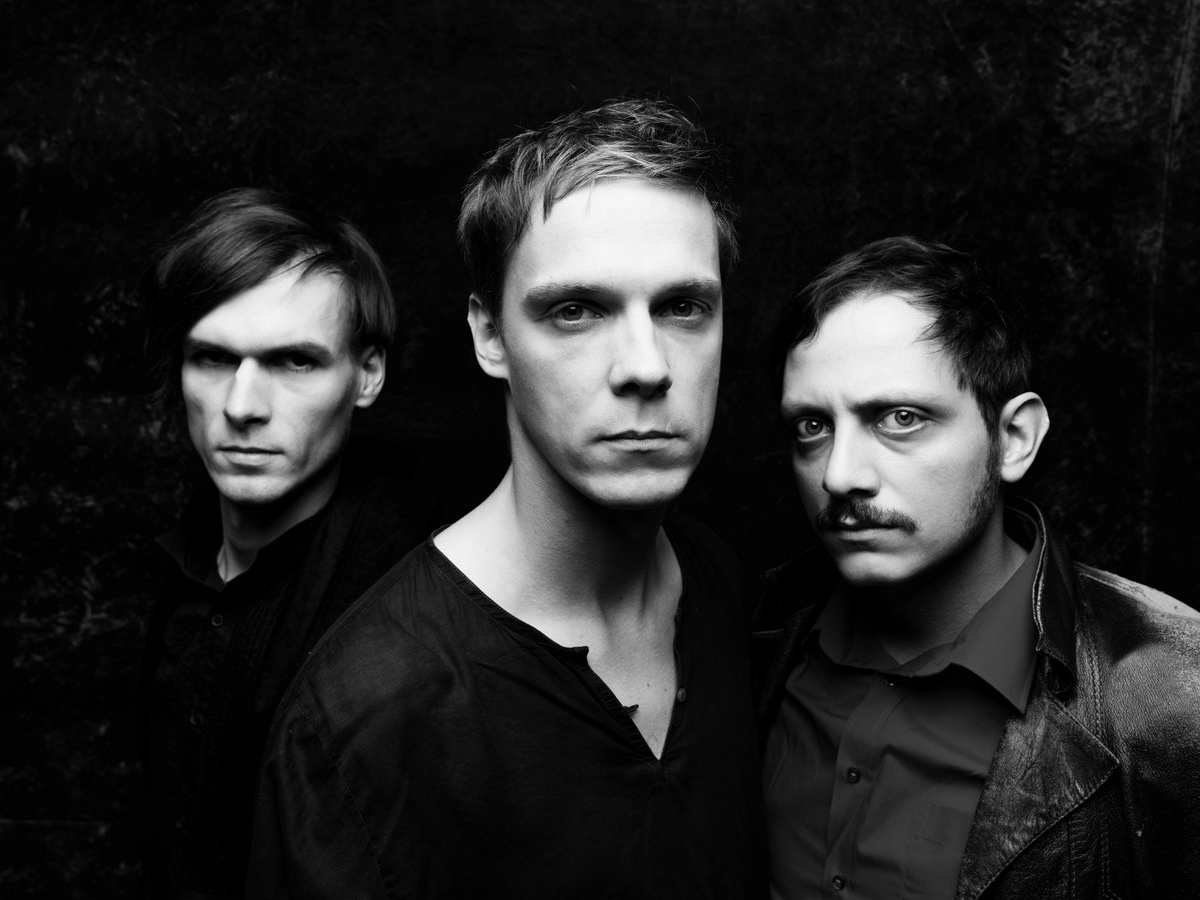
Music history rarely moves in a straight line. Genres fade from the charts, only to return in new forms, filtered through fresh technology, changing social tensions, and the ears of younger musicians. Today, a growing wave of bands is re-examining the late-60s and late-70s, drawing on psychedelic rock’s expansive textures and post punk’s stark urgency. One of the more thoughtful examples of this return-and-reinvent cycle is Mystery Art Orchestra, a contemporary group that builds on post punk foundations while weaving in atmospheric psychedelic elements to shape a coherent, modern identity.
Instead of nostalgia for its own sake, they treat those older genres as raw material: tight, bass-forward rhythms lifted from late-70s basement clubs, blurred with echoing guitars and vaporous synths reminiscent of late-60s studio experiments. To understand what makes their approach interesting, it helps to first unpack what psychedelic rock and post punk have historically meant—musically, culturally, and emotionally.
Tracing the Roots: Psychedelic Rock and Post Punk Explained
Psychedelic rock and post punk both grew out of periods of social anxiety and cultural upheaval, but they responded in almost opposite ways. Psychedelic rock, emerging in the mid-to-late 1960s, tried to stretch songs outward: longer structures, extended instrumental passages, and a strong emphasis on atmosphere. Post punk, which followed the initial punk explosion in the late 1970s, narrowed things down again, favoring sharp edges, friction, and rhythm over sheer expansiveness.
Psychedelic rock: sound as altered perception
Psychedelic rock initially aligned with the counterculture of the 1960s, especially in the United States and the United Kingdom. Its roots lie in blues-based rock and roll, but its ambitions pushed far beyond the verse-chorus template. Musicians leaned on studio technology—tape loops, reverse effects, reverb tanks, early synthesizers—to simulate or amplify altered states of consciousness. Instruments were layered and processed until they began to blur into a single, enveloping sound field.
Key elements of classic psychedelic rock include:
- Expansive song structures: Tracks often stretch past radio-friendly length. Instead of brisk hooks, you hear evolving sections, extended solos, and improvisational jams.
- Textural guitars: Guitars are drenched in delay, reverb, and modulation effects like phaser or flanger, producing swirling, often dreamlike tones rather than dry, upfront riffs.
- Harmonic experimentation: Borrowings from Indian classical music, modal harmony, and drones create a sense of suspension—chords linger, and melodies hang in the air.
- Studio experimentation: The studio becomes an instrument. Panning tricks, tape speed changes, and unusual mic placements create a sense of disorientation or wideness.
- Lyrical focus on inner life: Lyrics often circle around perception, memory, mysticism, or the subconscious rather than straightforward narrative storytelling.
In cultural terms, psychedelic rock functioned as both soundtrack and catalyst for youth movements questioning authority, traditional values, and the accepted limits of experience. Its sound suggested possibility: that rock music could be immersive and exploratory, not just danceable or rebellious.
Post punk: experimentation under pressure
Post punk arrived roughly a decade later, after punk rock had already stripped rock down to raw, fast basics. Punk was a reaction against perceived bloat and elitism in mainstream rock. It emphasized DIY ethics, simple chords, and direct confrontation. Post punk kept that critical stance and DIY energy but expanded the music’s vocabulary rather than its length.
Where psychedelic rock floated, post punk tightened. Drums and bass moved to the center. Guitars became jagged and angular, sometimes playing single-note patterns rather than power chords. Vocals ranged from monotone spoken word to frantic yelps. The tone was often bleak, paranoid, or emotionally detached—reflecting economic hardship, cold war anxieties, and urban decay.
Core characteristics of post punk include:
- Bass-driven arrangements: The bass guitar is frequently the main melodic instrument, playing hooky, looping lines that anchor the song while guitars sketch around the edges.
- Rhythmic focus: Drums and percussion have a dry, punchy sound, often borrowing from funk or dub. Grooves are tense and repetitive, building pressure rather than release.
- Minimalist guitar work: Guitars often use sharp, staccato notes, dissonant intervals, and clean tones with a bit of chorus or delay. The result is a feeling of unease, not lushness.
- Cold or fragmented production: Early post punk records sometimes sound stark or distant, which aligns with their themes of alienation and societal breakdown.
- Intellectual and political themes: Lyrics can be abstract, critical, or heavily symbolic, addressing urban life, media saturation, surveillance, and identity.
Post punk was also deeply eclectic. Bands drew from reggae, dub, electronic music, and art rock. What unified the scene was not a strict sound, but an attitude: curiosity within constraints, experimentation under pressure, and the refusal to romanticize reality.
Shared DNA and key contrasts
Despite their differences, psychedelic rock and post punk share a few crucial traits. Both emerged as reactions against mainstream rock norms, and both treated sound as a way to express discomfort with the present moment. Psychedelic rock did this by escaping into inner worlds and alternate realities; post punk did it by staring directly at the tension in everyday life.
Musically, psychedelic rock often spreads out, using reverb and delay to create the sense of a large, floating space. Post punk tends to pull everything inward, with close-mic’d drums and bass that feel as if they’re playing right in front of your face. Psychedelic rock is preoccupied with transformation—notes bloom and dissolve—while post punk thrives on repetition and friction.
These contrasts matter when examining a contemporary band like Mystery Art Orchestra. Their key decision is to adopt the structural and rhythmic logic of post punk—bass emphasis, propulsive grooves, economic guitar parts—while borrowing the sense of space and atmosphere from psychedelic rock. Instead of choosing one side of history, they treat both as complementary tools.
A Modern Synthesis: The Sound of Mystery Art Orchestra
Mystery Art Orchestra position themselves primarily as a post punk band, but their use of atmospheric details clearly owes a debt to psychedelic rock. This isn’t a simple mash-up of genres: they use the discipline of post punk to shape songs, then carefully apply psychedelic textures to deepen the emotional field around those structures.
Post punk as the skeleton
Underneath their songs, you can hear classic post punk traits. The bass usually introduces the central motif—a repeating line that both defines the mood and sets a physical pulse. Drums lock tightly to that pattern, often staying on a consistent groove rather than chasing big fills or flashy flourishes. The rhythm section behaves like a single organism, giving each track a sense of forward motion that feels slightly relentless but always danceable.
Guitars tend to be concise and purposeful. Instead of sprawling solos, you hear short, recurring figures: clipped chords in the high register, brief melodic fragments, or percussive strums that mirror the drum patterns. Vocals sit just above this structure, often delivered in a cool, steady tone that recalls classic post punk’s emotional restraint. Lyrics engage with themes of anxiety, digital overload, disconnection, and late-night introspection—very much in line with contemporary life, but filtered through a style whose roots stretch back to late-70s city streets.
Psychedelic elements as atmosphere, not escape
Where Mystery Art Orchestra depart from a strict post punk template is in their handling of space and sound design. Instead of the dry, almost claustrophobic production associated with early post punk, the band introduces subtle yet noticeable elements from the psychedelic toolkit: delayed guitars that trail off into the distance, synth pads that hover under the rhythm section, and occasional use of modulation effects that gently warp the edges of notes.
The result isn’t the freeform sprawl of classic psychedelic rock. Their arrangements remain tightly structured and concise. But within those structures, reverbs bloom, delays echo, and certain melodic lines smear into one another. You can hear a conversation between two traditions: post punk provides the frame, while psychedelic influences paint the air around it.
Visual and thematic coherence
The band’s aesthetic choices align with this sonic hybrid. Their artwork and visual branding avoid retro pastiche. Instead of leaning heavily into 60s-style posters or 70s grime, they favor clean, minimal imagery: stark shapes, muted color palettes, and subtle distortion effects. It mirrors their music’s balance of clarity and haze.
Thematically, Mystery Art Orchestra’s songs navigate tension between control and disorientation—a core concern of both source genres. Where psychedelic rock once focused on expanding consciousness and post punk on decoding urban alienation, Mystery Art Orchestra adapt those concerns to an era of constant connectivity and fragmented attention. Their lyrics highlight uncertainty without resorting to melodrama, capturing a sense of unease that feels familiar to listeners juggling digital lives, precarious work, and shifting identities.
This measured approach gives the band’s hybrid style credibility. They are not simply borrowing sounds for aesthetic effect; they are using established musical languages to articulate present-day emotional realities. That grounding in both musical history and contemporary experience is key to their appeal.
Current Releases and Live Performances
The most direct way to engage with Mystery Art Orchestra’s evolving sound is through their current recordings and, crucially, their live performances. On stage, the balance between post punk structure and psychedelic atmosphere becomes especially pronounced. You can hear the band lean into the physical impact of rhythm while letting ambient details stretch the room’s perceived size.
Stage presence and live dynamics
In performance, the rhythm section typically acts as the anchor. The bass tone is full but controlled, cutting through the mix without overwhelming the other instruments. Drums are mixed forward, with a dry snare and tight hi-hats driving the songs. This classic post punk emphasis on groove encourages a bodily response—audiences move almost instinctively to the pulse, even when the melodies turn darker or more introspective.
Around that core, the band introduce the more psychedelic aspects of their sound. Guitar lines wander slightly more live than on record, with extra delay repeats or swells of feedback added at key moments. Synths or processed guitar loops may fade in and out between songs, preventing any hard interruption in mood. Instead of long improvised jams, they prefer subtle variations: extending an outro by a few bars, allowing a reverb tail to bleed over into the next track, or briefly framing the bassline with echo-drenched chords.
Fans looking to see how this plays out in real time can check the band’s official schedule on the Mystery Art Orchestra Homepage. There, upcoming dates, venue details, and occasional notes about special sets or festival appearances are kept up to date, making it the best primary source for live information.
Physical media and direct listener support
In an era dominated by streaming platforms, Mystery Art Orchestra have chosen to prioritize a direct relationship with listeners, particularly through physical media. Vinyl and CD editions of their releases are available via Bandcamp, a platform that remains central to the independent music ecosystem. For many fans, buying an LP or CD is not only about sound quality or collecting; it is a concrete way to sustain the artists they care about.
The band’s releases—often thoughtfully sequenced to encourage full-album listening—can be explored and purchased on Mystery Art Orchestra on Bandcamp. There, you can find liner notes, artwork, and occasionally bonus tracks or alternate versions that do not always appear on mainstream streaming services. This approach underlines their respect for the album as a coherent work, even while individual songs circulate online as standalone tracks.
“Going Under”: a focused snapshot of their hybrid sound
Their recent single “Going Under” functions as a clear statement of intent. Built on a steady, hypnotic bassline, the track exemplifies their bass-forward approach, while the drum pattern keeps a measured, mid-tempo stride that encourages a slow, almost uneasy sway. Guitars occupy the high-mid range, delivering short, repeating motifs rather than traditional chord progressions. These patterns create a sense of tight enclosure, mirroring the lyrical themes of pressure and internal descent suggested by the title.
What distinguishes “Going Under” from a purely post punk track is the way space is handled. Reverb on the vocals is noticeable but not excessive, giving the impression of a voice half-embedded in a larger room. Delay trails on the guitar gradually lengthen as the song progresses, subtly stretching time without interrupting the groove. A low, almost subliminal synth layer swells beneath the chorus sections, thickening the sound field and hinting at something unstable just beneath the surface.
The accompanying video, available as Watch "Going Under" on YouTube, reinforces these qualities. The visual language is restrained: muted colors, controlled camera movements, and an emphasis on mood over narrative. Occasional light distortions and blurring effects echo the track’s gently warped sonics. Instead of leaning on heavy-handed symbolism, the video reinforces the sense of gradual sinking implied in the song, matching the music’s slow build rather than competing with it.
For new listeners, “Going Under” is an effective entry point: concise enough to feel approachable, yet detailed enough to showcase how Mystery Art Orchestra blend post punk’s rhythmic discipline with psychedelic rock’s attention to textural nuance.
Community Discussion & Reviews:
Audience Reception and the Independent Music Scene
Mystery Art Orchestra’s audience has been growing in a way that aligns more with word-of-mouth and community recommendation than algorithm-driven virality. This is consistent with the kind of music they make: dense enough to reward repeat listens, and closely tied to live context, where the interplay between rhythm and atmosphere becomes fully apparent.
Resonance with contemporary listeners
Younger listeners, particularly those with an interest in niche scenes and genre history, often look for artists who acknowledge the past without being trapped by it. Mystery Art Orchestra’s fusion of post punk and psychedelic rock appeals to that sensibility. Fans who grew up streaming sprawling playlists will recognize pieces of different eras in the band’s sound, but they also encounter a cohesive identity rather than a collage of references.
On social platforms and in comments sections around their videos and Bandcamp releases, recurring themes appear: appreciation for the bass work, recognition of the songs’ emotional restraint, and respect for the band’s refusal to over-explain their lyrics. Listeners mention hearing echoes of classic post punk groups, yet they also highlight how the production feels contemporary—cleaner, more spacious, and suited to headphones or club systems.
Independent media and critic response
Within independent music journalism circles, Mystery Art Orchestra have begun to draw attention not through headline-grabbing stunts but through consistent releases and strong live reports. Writers often point to the band as an example of how post punk’s current revival can avoid becoming merely retro. The use of psychedelic textures is framed not as decoration but as a considered extension of the genre’s expressive range.
Small zines, blogs, and online radio shows tend to highlight how the band maintains clarity in their mixes even when the arrangements grow thick with effects. Reviewers note the tension between the emotional coolness of the vocals and the subtle warmth of the guitar and synth textures. This contrast reflects the lived reality of many listeners: emotionally guarded, yet quietly overwhelmed by stimuli.
Genre-blending as cultural reflection
More broadly, Mystery Art Orchestra’s hybrid sound exemplifies a wider trend: genre boundaries are more porous than ever, but listeners still crave coherence. Rather than moving chaotically across styles from track to track, the band chooses two historically specific genres and treats them as a single evolving language. That discipline resonates with an audience used to hyper-fluid scenes yet still attached to the idea of a band with a recognizable voice.
In practical terms, this also shapes where and how they perform. Their music sits comfortably on bills with darkwave and post punk acts, but the more atmospheric elements also allow them to fit into lineups featuring shoegaze or experimental rock. This flexibility expands their reach without forcing stylistic compromise. For independent venues and promoters, a band that bridges these communities is valuable; it increases the chance of drawing overlapping crowds rather than isolated pockets of fans.
By situating themselves in this intersection, Mystery Art Orchestra contribute to an ongoing conversation about what rock-based music can sound like in the 2020s: rhythmically grounded, sonically detailed, and emotionally complex, without relying on nostalgia or spectacle.
Frequently Asked Questions
1. Who are Mystery Art Orchestra, and where do they come from?
Mystery Art Orchestra are a contemporary band operating primarily within the post punk tradition, with a strong emphasis on atmospheric experimentation. While individual members bring varied backgrounds, the group functions as a tightly coordinated unit, treating rhythm, texture, and mood as shared responsibilities rather than separate roles. Geographically, they align with the broader network of independent venues, labels, and DIY spaces that support post punk and related scenes, performing in clubs and festivals where audiences actively seek out new, boundary-testing music.
Their name reflects a core aspect of their approach: a sense of deliberate ambiguity (“Mystery”) paired with collective coordination (“Orchestra”). They are less interested in spotlighting a single frontperson than in presenting the band itself as a unified sound source, where bass, drums, guitar, synths, and vocals interlock to form a single, evolving shape.
2. How would you describe their exact genre blend?
The most accurate shorthand for Mystery Art Orchestra is “post punk with psychedelic inflections.” Structurally and rhythmically, they sit squarely in the post punk camp: bass-forward songwriting, insistent, groove-oriented drumming, and concise guitar parts that prioritize tension over lushness. Vocals typically follow the post punk tradition as well, favoring measured, often dispassionate delivery rather than classic rock belting.
The psychedelic aspect enters through their approach to sound design and space. They employ delay, reverb, and subtle modulation to create depth around the rhythm section, and they occasionally introduce sustained synth pads or drones that recall psychedelic rock’s interest in trance-like states. However, they rarely abandon clear song structures. Instead of lengthy jams, they focus on short, repeated motifs that slowly shift in tone as effects accumulate. In this way, the band borrow psychedelic rock’s atmospherics without adopting its sprawling forms.
3. What themes do their lyrics typically explore?
Mystery Art Orchestra’s lyrics tend to revolve around internal tension, blurred perception, and social unease. Rather than direct political slogans or explicit storytelling, they favor suggestive imagery and emotional snapshots. Topics include the feeling of being compressed by constant information, the fragmentation of identity across online and offline spaces, late-night introspection, and the difficulty of genuine connection in a distracted culture.
These themes connect both to post punk’s historical interest in urban alienation and to psychedelic rock’s fascination with altered perception. But instead of focusing on external psychedelia or historical protest, the band bring those concerns inward, reflecting the quieter, more personal forms of anxiety that define many people’s daily lives. The lyrics are intentionally open to interpretation, encouraging listeners to project their own experiences onto the songs rather than offering fixed narratives.
4. Where should new listeners start with their music?
For those encountering Mystery Art Orchestra for the first time, the single “Going Under” is a strong entry point because it condenses many of their defining traits into a focused, accessible track. The interplay between the insistent bassline, controlled drumming, and slowly expanding atmospheric layers gives a clear sense of how they balance post punk discipline with psychedelic shading. Watching the video via Watch "Going Under" on YouTube can also provide context for their visual and thematic choices.
From there, exploring their releases on Mystery Art Orchestra on Bandcamp allows listeners to experience how their sound functions across a full EP or album. Sequencing is important to the band; track orders are designed to move between more direct, rhythm-heavy songs and slower, more immersive pieces that emphasize atmosphere. This format showcases the band’s range more effectively than isolated singles.
5. How do their live shows differ from the studio recordings?
Live, Mystery Art Orchestra emphasize physical impact and subtle variation rather than absolute fidelity to studio versions. The rhythmic core—bass and drums—tends to hit slightly harder in person, with tempos that may feel a touch more urgent. This boosts the music’s danceable quality and underlines its post punk heritage. Guitars and synths, meanwhile, gain flexibility. Effects tails are extended, certain phrases are repeated or stretched, and transitions between songs are sometimes bridged with ambient noise or drones.
These adjustments create a more immersive, continuous experience without sacrificing clarity or song structure. Audience members often report that tracks they recognized from records take on a more immediate, bodily dimension in the live setting. Details that seemed subtle on headphones—like background delays or low synth swells—become central to the way the sound fills a room. Up-to-date information on shows and tours is listed on the Mystery Art Orchestra Homepage, which serves as the main hub for performance news.
6. Why are physical formats like vinyl and CD important for this band?
For Mystery Art Orchestra, physical formats are both a practical and aesthetic choice. Practically, sales of vinyl and CDs through outlets such as Mystery Art Orchestra on Bandcamp provide a more direct and sustainable income stream than most streaming platforms. This support helps fund studio time, equipment, and touring, enabling the band to maintain independence and creative control.
Aesthetically, the band’s emphasis on atmosphere and sequencing lends itself to album listening, which physical media naturally encourages. Vinyl pressings in particular highlight the low-end detail and dynamic contrast in their mixes, rewarding the care they put into production. Artwork and liner notes also play a role: they extend the mood of the music into a tangible visual object, reinforcing the band’s identity beyond the strictly auditory realm.
7. How do Mystery Art Orchestra fit into the broader revival of post punk and psychedelic influences today?
In recent years, there has been a noticeable resurgence of interest in post punk and related genres, with many bands revisiting its aesthetics: chorus-heavy guitars, baritone vocals, stark visuals. Simultaneously, a softer wave of psych-influenced acts has embraced reverb-heavy production and dreamy, effects-laden guitars. Mystery Art Orchestra occupy a thoughtful middle ground in this landscape.
Rather than simply reproducing late-70s or 60s sounds, they engage with those eras as reference points for contemporary concerns. Their reliance on a strong rhythmic core and measured vocals aligns them with current post punk movements, but their commitment to depth and immersive soundscapes connects them to modern psych and shoegaze-adjacent scenes. This hybrid position allows them to converse with multiple musical communities while maintaining a distinct, recognizable style.
For listeners who value both the immediacy of a driving groove and the slow-burn effect of layered sound, Mystery Art Orchestra offer a compelling, carefully constructed answer to the question of how past genres can be reimagined rather than merely revived.
So schätzen die Börsenprofis Aktien ein!

Für. Immer. Kostenlos.