
Psychedelic Rock vs Post Punk: Mystery Art Orchestra’s Hybrid Sound
Published on 03/13/2026 at 14:04 | Editorial responsibility: Rafael Müller, Editor-in-Chief AD HOC NEWS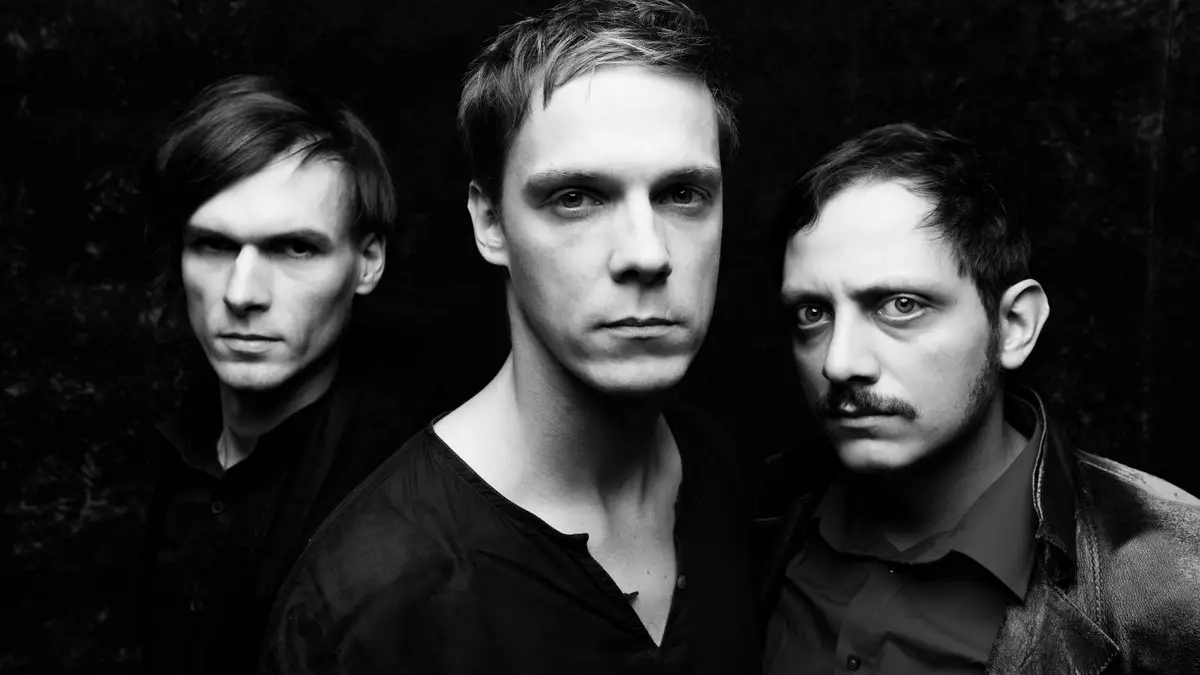
Music history rarely moves in a straight line. Genres rise, fracture, fade from view, then return through the ears of new generations who hear fresh possibilities in familiar sounds. Today’s listeners might stream a 1968 psychedelic rock album and a 1981 post punk single in the same playlist, hearing not nostalgia, but raw material for something new. That cyclical motion is where a band like Mystery Art Orchestra comes into focus: a group rooted in post punk’s bass-driven unease and rhythmic insistence, yet unafraid to stretch songs open with the atmospheric reach more often associated with psychedelic rock.
To understand what makes Mystery Art Orchestra so compelling, it helps to set their work against the two traditions they draw from: the swirling, studio-conscious world of psychedelic rock and the stark, emotionally exposed terrain of post punk. Both emerged as reactions to their times, both challenged musical norms, and both continue to inform how young bands think about sound, mood, and meaning.
Tracing the Roots: Psychedelic Rock and Post Punk Explained
Psychedelic rock emerged in the mid-to-late 1960s as musicians attempted to translate altered states of consciousness into sound. While the term often gets reduced to kaleidoscopic visuals and trippy guitar solos, the core idea was more precise: expand the rock song beyond its usual limits and invite listeners into a more immersive, inward-facing space.
Several features define classic psychedelic rock. First is its relationship to time and structure. Songs frequently run longer than standard pop singles, using extended instrumental passages, drones, or repeated motifs to build a sense of suspension. Instead of moving briskly from verse to chorus, psychedelic bands often let ideas unfold gradually, creating the feeling that the track is less a linear journey and more a space you occupy.
Second is the role of the studio. Psychedelic rock leaned hard into recording technology: tape manipulation, reverse effects, varispeed, saturated reverb, and early forms of multi-tracking became compositional tools rather than mere polish. Guitars might shimmer with modulation, vocals might drift in echo, and unconventional instruments—sitars, organs, early synthesizers—were welcomed as ways to alter the perceived texture of reality. The aim was not just a catchy hook, but an altered sense of perception.
Lyricism followed suit. Psychedelic rock often engaged with themes of inner exploration, altered consciousness, spirituality, or abstract narratives. Rather than direct storytelling, imagery tended toward the symbolic and impressionistic. The focus shifted from external events to internal states: dreams, fears, revelations, and the unstable line between them.
Post punk, arriving roughly a decade later at the end of the 1970s, reacted to a different set of pressures. Punk had already stripped rock back to basics: fast tempos, short songs, and a confrontational stance. But its early wave could be stylistically narrow. Post punk kept punk’s skepticism and its DIY ethos, yet widened its sonic vocabulary in the opposite direction of psychedelic excess: not toward lush expansion, but toward rigor, tension, and experimentation.
Where psychedelic rock often spreads outward, post punk tends to tighten its grip. Rhythm sits at the center. Basslines are usually prominent and melodic, frequently carrying the song’s main hook rather than leaving that job solely to guitars or vocals. Drums favor stark, driving patterns over flash. There is a sense of propulsion, sometimes danceable, sometimes anxious, often both at once. The groove is not meant to be comfortable; it is meant to feel insistent, like a question that will not resolve.
Guitars in post punk often avoid traditional rock heroics. Instead of extended solos, you hear sharp, repetitive figures, brittle chords, and angular riffs that cut through the mix. Effects appear—chorus, flange, sometimes echo—but they serve mood and rhythm rather than psychedelic swirl for its own sake. The overall sound is lean, even when layered, with space built into the arrangements so every part feels deliberate.
Vocals and lyrics further define post punk’s character. Singers often sound detached, agitated, or reflective rather than overtly virtuosic. Talk-singing, spoken interludes, or strained melodic lines are common. Lyrically, the focus moves outward: politics, urban decay, work, technology, alienation, desire, and the often unglamorous details of lived experience. Where psychedelic rock might describe an inner cosmic voyage, post punk tends to describe the bus ride home afterward and the thoughts that won’t quiet down.
Both genres, however, share a crucial trait: they arose from counter-cultural currents. Psychedelic rock intersected with 1960s youth movements, anti-war protests, and an expanded interest in Eastern philosophies and communal living. It questioned mainstream narratives about reality and authority. Post punk, born amid economic crisis, urban tension, and disillusionment with both mainstream rock and the limitations of punk, interrogated systems: capitalism, media, gender norms, and the myths of progress.
In that sense, psychedelic rock and post punk occupy different ends of a similar spectrum. One seeks escape and revelation through inner expansion; the other seeks clarity and confrontation through structural constraint. Modern bands often stand somewhere between those poles, choosing from both vocabularies when building their own sound. Mystery Art Orchestra is one of those bands using the contrast between these traditions not as a conflict, but as creative leverage.
A Modern Synthesis: The Sound of Mystery Art Orchestra
Mystery Art Orchestra approach post punk as a foundation rather than a nostalgia exercise. The band’s core identity sits squarely in that tradition: rhythm-forward, emotionally direct, and structurally disciplined. Their tracks typically begin with the kind of basslines that define classic post punk—dark, melodic figures that instantly set a mood and anchor the song’s movement. Drums lock into these patterns with a sense of restraint; fills are used sparingly, and the beat often emphasizes a steady, driving pulse.
Over this framework, their guitars rarely behave like conventional rock leads. Instead, they dwell in the margins: clipped, icy chords; repeating motifs high on the neck; or slightly detuned strums that introduce subtle unease. This is where the band’s approach starts to bend toward psychedelia. The guitar tones are not just dry and abrasive; they frequently show a careful use of delay, reverb, and modulation, expanding the perceived width of the mix without losing clarity.
Vocally, Mystery Art Orchestra favor the expressive restraint common to post punk. Lines are delivered with a controlled intensity—sometimes almost conversational, sometimes near a shout, but rarely sliding into theatrical overstatement. This decision aligns them more closely with the genre’s tradition of emotional realism. Lyrics tend to describe dislocation, recurring thoughts, and the pressure of modern life, yet they rarely fall into vague gloom. Instead, images feel specific: late-night streets, digital glare, overheard phrases, small gestures that carry disproportionate emotional weight.
The psychedelic elements enter less through structure and more through atmosphere. Certain tracks slow the tempo slightly, allowing longer chord sustains and more open spaces where reverb can bloom. Synths or treated guitars sometimes form drifting pads under the rhythm section, creating a hazy backdrop that contrasts with the precise drum patterns. Rather than fully adopting the expansive jams of classic psychedelic rock, Mystery Art Orchestra borrow its sense of spatial depth and altered perception.
Production choices reinforce this hybrid approach. The mixes often keep the low end tight and centered—a nod to post punk’s club-adjacent heritage—while letting upper frequencies feel slightly blurred at the edges. You might hear a snare that is stark and upfront, paired with ghost-like vocal doubles that appear only on certain phrases, or a guitar that seems to echo into a void behind the rhythm. The result is a sound that feels immediate but not dry; grounded but slightly disoriented, like walking a familiar route through a city under unexpected lighting.
Thematically, this synthesis makes sense. Many contemporary listeners live in a state that mirrors both genres: constantly confronted by external pressures yet pulled inward by digital overexposure and private anxieties. Mystery Art Orchestra capture that split. Their post punk basis speaks to crowded trains, work stress, and restless nights. Their more psychedelic textures capture the fog of memory, the blur of screens, and the jarring shifts in mood that characterize present-day life.
In practice, the band’s songs rarely choose between tension and drift; they allow both to coexist. A verse might ride a rigid groove, every hit in place, while a chorus opens into ringing chords and echoing vocals that almost seem to step outside time for a moment. That push and pull—between the concrete and the atmospheric—is where Mystery Art Orchestra carve out their identity within a crowded field of post punk revivalists and psych-influenced guitar bands.
Current Releases and Live Performances
For a band built on contrasts, the live environment provides a revealing test. On stage, Mystery Art Orchestra need to maintain post punk’s physical impact while preserving the subtle textures that give their recordings such character. Reports from early shows suggest they approach this challenge with a clear sense of priorities: rhythm first, atmosphere as a carefully controlled second layer.
Drums and bass typically occupy the front of the mix in performance, ensuring that even smaller venues feel the low-end presence in the room. This choice keeps the audience grounded, especially when tempos hover in that mid-range sweet spot where both nodding along and more energetic movement feel natural. Above that, guitars often move between sharp, percussive figures in the verses and more washed-out chords in the choruses, using pedal combinations to approximate the studio’s sense of depth without drowning the arrangements.
Lighting and stage movement appear understated rather than theatrical. Mystery Art Orchestra do not rely on elaborate stagecraft to carry the show; instead, they let repetition and dynamic shifts in the music build momentum. Songs will sometimes ride an outro section a little longer live, not to showcase instrumental virtuosity, but to let the tension and release play out physically in the room. Vocals remain intelligible and emotionally present, which matters for material that leans on mood and narrative detail.
Listeners can track where this live development is heading by checking the band’s upcoming concert dates and touring announcements on the Mystery Art Orchestra Homepage. Keeping an eye on that schedule is especially useful in the current era, where small-venue shows and short regional runs play a crucial role in how independent bands build their audience without the infrastructure of major-label touring.
On the recorded side, Mystery Art Orchestra participate in the continuing resurgence of physical media as a meaningful way to support artists. While streaming remains the default listening method for many, platforms like Bandcamp have made it easier for fans to purchase LPs and CDs directly, often with the added context of liner notes, artwork, and bonus material. The band use this channel to offer their releases and special editions, all accessible via Mystery Art Orchestra on Bandcamp. For listeners who appreciate the tactile dimension of music—sleeve art, lyric sheets, the act of putting a record on a turntable—this is more than a nostalgic gesture; it is a way to connect with the band’s work as a complete project.
Their recent single, "Going Under," offers a focused example of how their studio approach sharpens the live energy into a concise, repeatable statement. The track opens with an insistent bass pattern: clipped but melodic, with just enough syncopation to keep the listener slightly off balance. Drums join with a simple, driving beat, the hi-hat pushing forward while the kick locks tightly to the bassline. Within the first few seconds, the song establishes its post punk core—no extended preamble, no ornamental introduction.
Guitars appear in layers. An initial, dry guitar cycles through a repetitive figure that nearly functions as a second percussion element. As the verse progresses, a more spacious, reverb-heavy guitar creeps in at the edges, hinting at the psychedelic influence without overwhelming the rhythm. Vocals enter measured and steady, lyrics sketching the sensation of emotional overload and the quiet, persistent slide into a mental state that feels less stable than before. Phrases return with subtle variations, reinforcing the theme of recurring thoughts that refuse to resolve.
The chorus widens the frame rather than simply lifting the energy. Chords open up, the reverb tail lengthens, and a faint background harmony appears, giving the sense that the room around the song has suddenly grown larger. Yet the drums never abandon their tight pattern, and the bass remains locked in. This contrast between an almost claustrophobic groove and expanding upper textures is where "Going Under" most clearly reflects the band’s hybrid identity.
The accompanying video, available at Watch "Going Under" on YouTube, aligns visually with the track’s push-pull dynamics. Instead of relying on literal storytelling, it uses restrained visual motifs: dim urban interiors, isolated figures, shifting light sources, and near-abstract close-ups that suggest internal turbulence without spelling every emotion out. Edits match the song’s rhythmic structure, while occasional visual echoes and subtle overlays mirror the music’s atmospheric touches. It feels more like an extension of the track’s mood than a separate narrative, which fits the band’s emphasis on coherence between sound and image.
For listeners encountering Mystery Art Orchestra for the first time, "Going Under" serves as an accessible entry point: compact, clearly structured, but rich enough in detail to reward repeated plays. It showcases how carefully the band balance immediacy with subtlety, drawing from both post punk and psychedelic ideas without defaulting to genre pastiche.
Community Discussion & Reviews:
Audience Reception and the Independent Music Scene
Mystery Art Orchestra operate in an ecosystem where word of mouth, online communities, and small venues matter as much as traditional press. Audience reception so far reflects a pattern familiar from other independent acts blending post punk and atmospheric rock: slow but steady growth driven by attentive listeners rather than fleeting viral spikes.
On social platforms and comment sections around their releases, listeners often highlight two aspects of the band’s appeal. First is the sense of focus. Even when songs incorporate layered effects and ambient touches, arrangements stay purposeful. Younger fans who discovered post punk through playlists and algorithmic recommendations mention appreciating that Mystery Art Orchestra avoid both maximalist noise and overly polished slickness. The sound feels crafted but not sterile.
Second is emotional readability. In a crowded field of dark, moody guitar bands, it can be easy for songs to blur together into generalized melancholy. Mystery Art Orchestra sidestep this by grounding their mood in specific images and distinct rhythmic identities. Listeners describe songs as "haunting" or "restless," but they also refer to concrete details: a line that stuck with them, a particular drum pattern, or the way a guitar part subtly shifts in the final chorus. That level of recall suggests a deeper engagement than casual background listening.
Within the independent music scene, critics and curators have taken note less because the band represents a radical stylistic break and more because they handle familiar ingredients with uncommon restraint. In an era when many bands either lean heavily into retro aesthetics or chase production trends, Mystery Art Orchestra sound aware of their influences without acting bound by them. References to classic acts might surface in reviews—comparisons to certain late-1970s or early-1980s groups in terms of feel or mood—but the conversation tends to highlight balance rather than imitation.
Their choice to keep releases relatively tightly curated, rather than flooding streaming services with frequent singles, fits an audience increasingly interested in giving a few songs repeated attention instead of rapidly cycling through new material. That approach encourages listeners to sit with a track like "Going Under" and notice its details, which strengthens the band’s connection with people who value music as more than passive background.
Live, the band appear to attract a mix of dedicated genre fans and curious newcomers. In smaller clubs, you might see patches and shirts referencing post punk staples alongside younger listeners who first encountered the band through a recommendation algorithm or a friend’s playlist. This cross-generational mix reflects how streaming-era discovery reshapes genre boundaries: a song can sit between a classic psychedelic rock track and a recent electronic release in a playlist, with context supplied by the listener’s curiosity rather than a record store’s categorization.
The independent scene also benefits from Mystery Art Orchestra’s commitment to platforms that prioritize fairer revenue splits and direct engagement. By using Bandcamp for physical and digital sales, the band align themselves with a growing movement of artists and listeners who view financial transparency and ownership as part of music culture, not a separate business concern. That decision builds trust, especially among fans who understand how fragmented streaming revenue can be.
Culturally, the band’s blend of post punk and psychedelic elements speaks to a broader moment. Many younger listeners live in conditions of heightened uncertainty—economic, environmental, social—while carrying near-constant access to endless streams of information and imagery. The grounded rhythm and clear structures of post punk echo the desire for something solid to hold onto. The hazier, more spacious qualities they borrow from psychedelic rock mirror the sense of mental drift that can come with this constant connectivity. Mystery Art Orchestra’s music does not offer simple resolutions to that tension, but it acknowledges and shapes it into a sound where unease and reflection can coexist.
Frequently Asked Questions
Who are Mystery Art Orchestra, and where do they fit musically?
Mystery Art Orchestra are a contemporary band working primarily within a post punk framework while drawing on the atmospheric techniques of psychedelic rock. Instead of chasing retro authenticity or strictly modern production trends, they operate in the space where rhythmic discipline and immersive sound design meet. Their music is built on tight bass-and-drum foundations, lean guitar work, and vocals that emphasize emotional clarity, with carefully applied effects and textures adding a sense of depth and disorientation.
How does Mystery Art Orchestra’s sound differ from classic post punk?
Classic post punk often prioritizes dry, immediate production and a relatively minimal use of studio effects, emphasizing starkness and direct impact. Mystery Art Orchestra retain that core—especially in their rhythm section and vocal delivery—but allow more room for atmosphere. Guitars and occasional synths sometimes carry subtle modulation, echo, and reverb that extend beyond the purely utilitarian use found in many early post punk records. Structurally, they avoid sprawling jams, but they do let certain passages breathe longer than you might expect from strictly traditional post punk, borrowing from psychedelic rock’s sense of spatial openness while still ending songs at concise runtimes.
Where can new listeners explore their music and support the band directly?
For a focused introduction, the band’s latest single "Going Under" offers a clear window into their style. The track and its video are available at Watch "Going Under" on YouTube, where listeners can hear how the band combine propulsive rhythm with more atmospheric guitar and vocal elements. Those who want to support the band financially and access physical formats such as LPs and CDs can head to Mystery Art Orchestra on Bandcamp. That platform allows fans to purchase releases directly from the band, often including digital downloads, bonus tracks, or artwork that might not appear on streaming sites. For information on upcoming shows, festival appearances, or new release announcements, the central hub is the Mystery Art Orchestra Homepage, which functions as an up-to-date reference point.
How does their use of psychedelic elements show up in the songwriting rather than just the sound?
While production choices—reverb tails, delay lines, ambient layers—are the most immediate markers of psychedelic influence, Mystery Art Orchestra also incorporate that sensibility into how their songs are structured. Instead of building every track around a conventional verse-chorus-bridge pattern, they sometimes lean on gradual builds or repeated sections that subtly shift in tone or texture as they progress. A vocal part might reappear later in the song with different backing, changing its meaning, or an instrumental motif from the intro might echo in the coda with altered effects. These decisions encourage listeners to experience songs as evolving emotional spaces, not just narratives with a clear beginning and end.
At the same time, they resist the temptation to stretch songs purely for atmosphere; most tracks remain tightly edited, reflecting a post punk-informed sense of discipline. The psychedelic influence operates like a lens, slightly warping the perception of what are essentially concise, structured compositions.
What themes do Mystery Art Orchestra’s lyrics tend to explore?
Lyrically, the band gravitate toward states of tension: between isolation and connection, control and surrender, clarity and confusion. Rather than framing these ideas in abstract, universal terms alone, they anchor them in small, recognisable details—fragments of late-night conversations, physical sensations of anxiety, or mundane settings that suddenly feel charged with significance. Technology and urban life appear in the background, but usually as context rather than direct targets. The focus is less on sweeping social commentary and more on how those larger forces filter into individual experience: the unease of being constantly reachable, the disorientation of shifting between public personas and private thoughts, the quiet pull of habits that feel increasingly difficult to escape.
This thematic territory sits comfortably between post punk’s historical interest in social and psychological strain and psychedelic rock’s preoccupation with altered perception. Mystery Art Orchestra’s lyrics often sound like they are written from the edge of a decision, documenting the moment before change rather than the outcome.
How important are live performances to understanding Mystery Art Orchestra?
Live shows are central to how the band present their material. While their recordings showcase careful sound design and production detail, the stage environment emphasizes the physical aspects of their music. In performance, the bass and drums become more prominent, giving songs a tangible weight that is sometimes softened on record for the sake of clarity. This shift helps underline the post punk heritage: the groove becomes something you feel as much as hear, and subtle tempo changes or dynamic swells can land more viscerally.
At the same time, the band make a conscious effort to preserve the atmospheric dimension that distinguishes their studio work. They deploy guitar pedals and, where possible, live effects processing to hint at the same sense of spatial depth. For listeners who first discover Mystery Art Orchestra through streaming, seeing them live can recalibrate how the music feels—a reminder that behind the reverbs and delays is a band built on tight interplay and unembellished performance. Information on upcoming dates and venues is continually updated on the Mystery Art Orchestra Homepage, making it straightforward for new listeners to catch a show when the band passes through their region.
How do Mystery Art Orchestra fit into the wider resurgence of post punk and related genres?
The past decade has seen a noticeable revival of interest in post punk, with bands across multiple countries drawing from its rhythmic and emotional language. Some lean heavily on a dry, abrasive sound; others fold in influences from electronic music, shoegaze, or indie rock. Mystery Art Orchestra stand out within this wave by choosing to blend post punk’s structural and rhythmic clarity with a more measured use of psychedelic atmosphere. Rather than drenching their songs in effects or pursuing dense, shoegaze-like walls of sound, they leave air in the mix, allowing each part to be heard distinctly.
This approach resonates with listeners who appreciate both the directness of classic post punk and the more exploratory, mood-driven qualities of psychedelic rock without wanting either extreme. It also positions the band well for cross-scene appeal: they can share bills with darker, rhythm-focused acts as comfortably as they can with bands who prioritize textural detail and guitar-based ambience. In a streaming landscape where listeners routinely jump between decades and styles, that hybrid identity becomes a strength rather than a compromise.
For fans curious about how historical genres can still evolve in meaningful ways, Mystery Art Orchestra offer a case study: a band that treats post punk and psychedelic rock not as museum pieces, but as living toolkits for making sense of present-day experience.


