
Psychedelic Rock vs Post Punk: Mystery Art Orchestra’s Hybrid Future
13.03.2026 - 21:05:31 | ad-hoc-news.de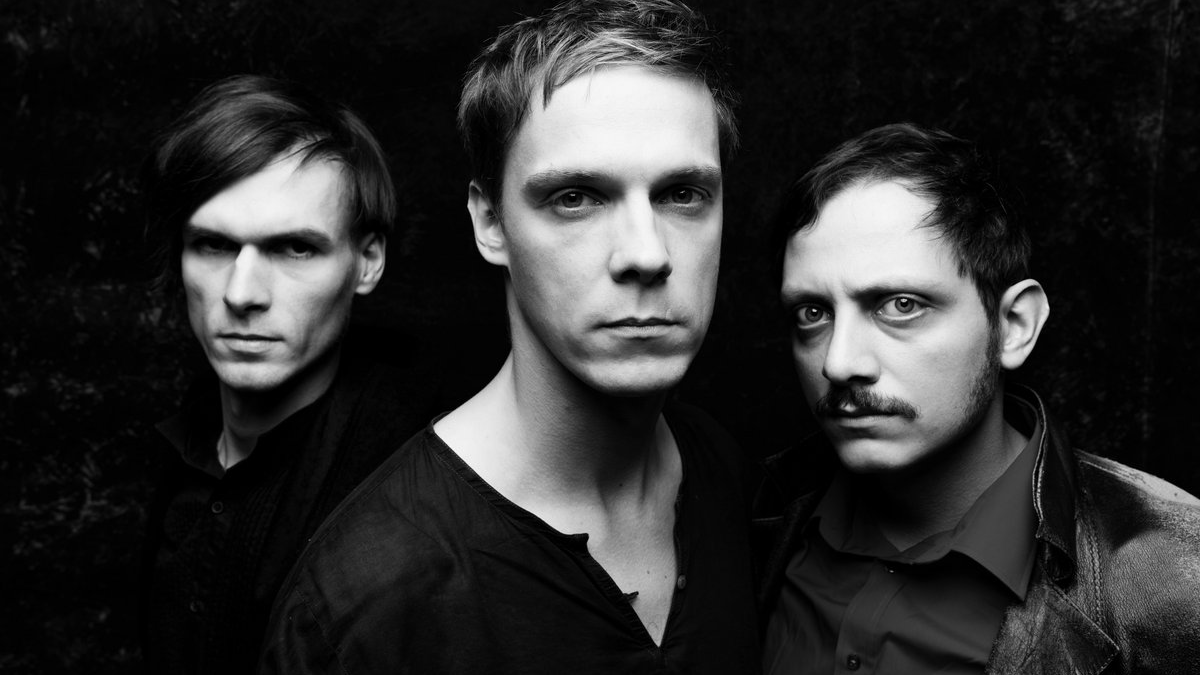
Rock history moves in cycles. Sounds that once felt radical are rediscovered by a new generation, not as museum pieces but as raw material. Today, young bands are reaching back to late?60s psychedelic rock and late?70s post?punk, not to cosplay past eras, but to test how those ideas can live in a digital, post?playlist world. One of the more quietly compelling examples of this approach right now is Mystery Art Orchestra, a band rooted in post?punk who are using psychedelic textures to push their songs into wider, stranger spaces.
To understand why their hybrid feels so current, it helps to look at what psychedelic rock and post?punk each tried to answer in their own time: how to escape the limits of the three?minute pop song, and how to confront the anxieties of modern life without smoothing the edges. Mystery Art Orchestra sit at the point where those questions meet.
Tracing the Roots: Psychedelic Rock and Post Punk Explained
Psychedelic rock and post?punk grew out of different decades, different technologies, and different cultural pressures, yet both share a basic instinct: stretching rock music beyond its comfort zone. The ways they do that, however, are almost opposite.
Psychedelic rock took shape in the mid?1960s as rock musicians began experimenting with studio effects, longer song forms, and non?Western influences. Bands like early Pink Floyd, Jefferson Airplane, The 13th Floor Elevators, and later groups such as Can or Hawkwind treated the studio as an instrument. Instead of capturing a live band as realistically as possible, producers layered tape echo, phasing, backwards recording, drones, and reverb to create a feeling of altered perception.
Structurally, psychedelic rock often abandons the verse?chorus pop model or stretches it until it almost dissolves. Songs might build slowly over a single chord, or spiral through extended instrumental passages where guitars and keyboards drift, improvise, or lock into hypnotic patterns. Rhythm sections can be loose and fluid, giving soloists space to explore. In many classic recordings, the drum sound is roomy rather than tight, and the bass acts like a melodic counter?voice rather than just a pulse.
Thematically, the genre reflected the counterculture of the late 60s. Lyrics explored inner consciousness, surreal imagery, spirituality, and social critique. Some of this was tied directly to drug culture, but a lot of it was simply about pushing against conservative norms and questioning the idea that pop music should be tidy and literal. Sonic experimentation became a metaphor for psychological and political exploration.
Post?punk, in contrast, emerged out of the hangover that followed punk’s initial explosion in the late 1970s. Punk had stripped rock down to its basics: fast tempos, simple chords, direct anger. Post?punk kept the DIY attitude but rejected the idea that simplicity was the only route to honesty. Instead, bands such as Joy Division, Public Image Ltd, Siouxsie and the Banshees, Wire, and Gang of Four asked what would happen if you folded in dub, funk, disco, and avant?garde techniques while keeping punk’s tension.
Where psychedelic rock often spreads outward and upward, post?punk tends to narrow its focus and drill into a mood. Bass and drums sit at the center. Bass lines are frequently repetitive, minor?key, and high in the mix, giving songs a sense of motion that can feel like walking alone through a city at night. Drums favor sharp, clipped patterns; hi?hats are dry, snares crack rather than boom. Guitars often avoid big chords, instead using stabs, harmonics, or scratchy rhythms that dart around the beat.
Sonically, classic post?punk production values are lean and economical. Reverb is used, but often with restraint. You hear space, but not the vast cinematic soundstage of psychedelic rock. Vocals can range from deadpan speak?singing to haunted crooning, but they usually carry a sense of distance or alienation rather than ecstatic release. Synths, when present, tend to be cold, metallic, or minimal rather than lush.
Both genres are rooted in countercultural impulses, but their targets differ. Psychedelic rock pushed against the conformity of 1960s mainstream society, leaning into utopian or inward?looking visions. Post?punk reacted to economic stagnation, urban decay, and political disillusionment in the late 70s and early 80s. Where psych sometimes pointed toward cosmic escape, post?punk confronted the everyday grind and emotional numbness of late?industrial life.
Despite these contrasts, there is common ground. Both genres seek to reimagine what rock can be, and both depend heavily on atmosphere. Psychedelic rock builds its atmosphere with spacious mixes, extended improvisations, and fluid time. Post?punk builds it with repetition, tension, and sharp contrasts. Modern bands like Mystery Art Orchestra are discovering that these approaches can intersect: post?punk’s tight, skeletal frameworks can support psychedelic color and depth without losing their urgency.
A Modern Synthesis: The Sound of Mystery Art Orchestra
Mystery Art Orchestra operate first and foremost as a post?punk band. The core of their sound lies in the rhythm section: bass lines that carry the melodic weight, drums that favor wiry patterns over brute force. Listen closely and you’ll notice that their songs often begin with a pattern or motif on bass or guitar that repeats with small variations while the vocals and textures shift around it. This is classic post?punk architecture—music built like a series of rotating panels rather than stacked verses and choruses.
What sets them apart is how they fill that framework. Instead of leaving large pockets of dry, empty space, Mystery Art Orchestra use atmospheric elements drawn from psychedelic rock to thicken the air around their songs. Guitars often run through delay and modulation effects, creating ghostly trails or wobbling pitch bends that hover around the main riff. Synth pads or treated samples appear at the edges of the stereo field, swelling in and out like distant sirens or wind.
They rarely abandon structure in the way classic 60s psych bands might during long jams, but you can hear a psychedelic mindset in how they handle transitions. Rather than abrupt, clean cuts between sections, parts often bleed into each other. A delay tail might morph into an ambient interlude; a vocal phrase might be echoed and filtered until it becomes part of the background texture. This interest in the edges between sections—where one part dissolves and the next emerges—echoes the idea of sound as a continuous environment, a key trait of psychedelic production.
Vocally, the band maintains a post?punk sensibility: controlled, slightly detached, but emotionally pointed. Lyrics lean into themes of disorientation, late?night introspection, and the confusion of trying to build real connection in a hyperconnected world. Instead of explicit political slogans, they frame unease in personal scenes—walking home after closing time, staring at screens, tracing memories that don’t fully line up with reality. The psychedelic influence shows up less in what they say and more in how they voice it: layered harmonies slipping in and out, doubled lines panned across the stereo field, echoes that give the impression of a crowded inner monologue.
Production?wise, Mystery Art Orchestra avoid polish for its own sake. Their recordings sound intentional but not over?corrected. You can hear small imperfections in playing and timing, which preserves the tension central to post?punk. At the same time, they invest real care in ambience—the reverb choices, the grain of the distortion, the way low?level textures evolve over the course of a track. It’s a balance: they resist both lo?fi murk and the overly compressed sheen of some modern indie releases.
Visually and aesthetically, the band’s presentation matches this hybrid identity. Artwork and live projections lean toward stark shapes, monochrome or limited palettes, and recurring symbols rather than literal narratives—very much in line with post?punk’s graphic heritage. Yet there are also more dreamlike elements: blurred photographs, diffuse lighting, and fragmented typography that mirrors the hazier aspects of their sound. It’s less about nostalgia for any single era and more about building a coherent world where angular rhythms and drifting textures coexist.
For listeners who came to post?punk through modern revival acts but also queue up ambient playlists, Mystery Art Orchestra offer an intersection point. They respect the discipline of the genre’s roots—the prominent bass, the concise song lengths, the sense of urban anxiety—while allowing themselves to color those foundations with the expansive, slightly unstable sonics often associated with psychedelic rock.
Current Releases and Live Performances
Like many independent bands working in this space, Mystery Art Orchestra’s reputation builds in parallel across live shows and online releases. Their gigs lean heavily on mood and pacing rather than spectacle. Sets are usually structured in arcs: tightly wound openers that highlight rhythm, followed by mid?set tracks where the psychedelic elements gradually come forward, and closing songs that stretch into denser, more atmospheric territory without fully slipping into jam?band length.
On stage, the band keep their movements economical. You’re more likely to see focused concentration than broad rock?star gestures. Lighting plays a key role: narrow beams, backlit silhouettes, and minimal color shifts that match the tonal range of their songs. This approach works especially well in smaller clubs, where the audience is close enough to feel the physical impact of the bass and drums while the reverbs and echoes hang in the room.
For upcoming concert dates, regional festival slots, and one?off appearances, the most reliable source is the band’s official site, accessible at Mystery Art Orchestra Homepage. The schedule there tends to be kept up to date with new shows, support slots, and occasional DJ or stripped?down sets. For fans in cities they haven’t reached yet, the site also serves as a hub for announcements about future touring plans.
In terms of recorded output, Mystery Art Orchestra follow the current independent pattern: digitally available singles paired with carefully produced physical editions. Vinyl and CDs remain important to their audience, not as nostalgia objects but as ways to support the band materially and to experience the sound in a focused way. Their releases on Bandcamp, gathered at Mystery Art Orchestra on Bandcamp, highlight this.
On that page, listeners can stream the tracks in good quality, read liner?note style descriptions, and order LP or CD versions when they are in stock. The vinyl pressings, in particular, suit the band’s dynamic range: the low?end pulse of the bass and kick drum, the slightly grainy upper mids of the guitars, and the reverb tails on the vocals all come across with clarity. Beyond audio, physical editions allow the band to expand their visual language through cover art, inserts, and printed lyrics—another layer in the world?building that surrounds their music.
Their most recent single, "Going Under", accompanied by a video on YouTube, offers a clear snapshot of where their sound currently sits. The video, available via Watch "Going Under" on YouTube, favors restrained storytelling and atmosphere over high?budget spectacle. Visually, it leans on slow, deliberate camera movement, muted color tones, and repeated motifs that echo the song’s core themes of pressure, repetition, and the feeling of slipping below the surface of everyday life.
Musically, "Going Under" opens with a bass figure that carries much of the melodic interest, supported by a lean drum pattern that emphasizes tightly closed hi?hats and a dry snare. This is post?punk at its foundation: controlled, propulsive, and slightly on edge. As the track progresses, washed?out guitar chords and subtle synth lines begin to seep in around the central rhythm, adding a faint shimmer and sense of vertical depth. The chorus doesn’t explode so much as widen; reverbs grow more pronounced, and the vocal doubles create a sense of internal echo, as if the singer is arguing with an invisible second self.
Lyrically, the song lands in the gray zone between emotional burnout and quiet resilience. Rather than big, cathartic declarations, it offers concise phrases and repeated lines that gradually shift in meaning as they’re recontextualized by the surrounding arrangement. In this way, the track embodies the band’s overall synthesis: post?punk minimalism and focus wrapped in the subtly warping sonics of psychedelic rock. It’s a logical entry point for new listeners browsing through recommended videos late at night and stumbling on a sound that feels familiar yet not easily pinned down.
Community Discussion & Reviews:
Audience Reception and the Independent Music Scene
In an era where listeners discover bands through playlists, short?form clips, and algorithmic recommendations, audience reception can feel fragmented. Mystery Art Orchestra’s experience reflects this, but there are consistent threads in how different communities are responding to their work.
Among post?punk listeners—especially those already following the recent wave of darkwave, coldwave, and post?punk revival acts—the band’s rhythmic clarity and bass?forward mixes land immediately. Fans accustomed to the sounds of Interpol, early The Cure, or modern groups from scenes in Berlin, London, and Eastern Europe are quick to recognize the lineage. Online comments and small?press reviews often highlight the tightness of the rhythm section and the way the vocals sit in the mix, slightly recessed yet emotionally legible.
At the same time, Mystery Art Orchestra attract listeners who approach rock from more atmospheric angles: fans of shoegaze, dream pop, and contemporary psych?rock. For these audiences, the band’s use of reverb, delay, and evolving textures provides a point of entry. They may describe the music less as "dark" and more as "cinematic" or "nocturnal"—words that speak to the band’s ability to create a sustained mood across a track or a set.
In independent music circles, what stands out is the care with which the group handle their own ecosystem. They maintain a professional but understated online presence, share rehearsal snippets and studio photos without over?polishing their image, and treat physical releases as more than merch. This self?management builds trust with listeners who have grown wary of heavy marketing and algorithmic manipulation. The message, implied rather than shouted, is clear: the music is the priority.
Regionally, word of mouth remains powerful. Local zines, college radio shows, and venue bookers often mention the consistency of the band’s live performances. Audience accounts describe shows where the crowd might begin at a distance—arms folded, taking in the sound—and gradually move closer as the set unfolds, drawn in by the cumulative effect of tightly locked grooves and rising ambience. That slow build of engagement matches the band’s aesthetic; they are not designed for instant, viral payoff, but for repeat listening.
Within the wider independent landscape, Mystery Art Orchestra represent a broader trend: bands using genre?blending not as a gimmick, but as a natural response to the listening habits of a generation raised on highly mixed playlists. Younger audiences are comfortable moving from 80s post?punk to contemporary psych, from ambient techno to guitar?based indie, often within the same listening session. A group that can bridge those territories without losing coherence fits well into that reality.
Their approach also touches on questions of sustainability in the current music economy. By foregrounding physical releases through platforms like Bandcamp and maintaining a clear touring presence via their official site, they encourage a more direct relationship between artist and audience. This doesn’t solve the systemic issues around streaming revenue, but it does offer listeners a straightforward way to support the work they value.
Culturally, Mystery Art Orchestra’s hybrid sound speaks to a shared mood: a mix of fatigue, curiosity, and stubborn optimism. The post?punk elements articulate unease and restlessness, while the psychedelic touches hint at possible escape routes—not necessarily through excess, but through deeper attention to sound and feeling. For many listeners, especially those navigating precarious work, housing, and political uncertainty, this combination feels honest. It neither pretends everything is fine nor wallows in despair. Instead, it lingers in the in?between, where most people actually live.
Frequently Asked Questions
Who are Mystery Art Orchestra, and where are they from?
Mystery Art Orchestra are a contemporary guitar?based band rooted in the traditions of post?punk and influenced by the atmospheric side of psychedelic rock. While their exact city of origin isn’t foregrounded in their branding, their sound reflects the textures of modern urban life: late?night public transport, flickering streetlights, and the mix of intimacy and anonymity you find in mid?sized to large cities. Rather than tying their identity to a specific local scene, they position themselves as part of a broader, international independent network of artists exploring similar territory.
How would you describe their music to someone new?
A concise way to describe Mystery Art Orchestra might be: post?punk structures with psychedelic shading. If you imagine the tight, bass?driven songs of classic post?punk, then add a layer of atmospheric guitars and subtle synths that drift in and out, you arrive close to their sound. The drums are crisp and forward, rarely buried; the bass often carries hooks that stay in your head after the first listen. Vocals tend to be cool in tone but emotionally focused, sitting within the mix instead of towering above it. The result is music that invites both analytical listening—following the interplay of parts—and more immersive, mood?based listening when played at night or on headphones.
What makes their blend of post?punk and psychedelic rock distinctive?
Plenty of bands cite multiple influences, but Mystery Art Orchestra’s distinction lies in how they balance them. They do not simply alternate between a "post?punk song" and a "psychedelic song." Instead, they apply a post?punk logic to structure and rhythm—shorter track lengths, clear patterns, a consistent pulse—while using psychedelic ideas at the level of sound design and transition. Effects are not there primarily to show off pedal collections; they serve the emotional temperature of the song. Reverbs are dialed to suggest space without erasing detail, and delays respond to rhythmic patterns rather than smearing them. This focus results in tracks that feel coherent even as they incorporate shifting, sometimes dreamlike textures.
Where can I hear their music and support them directly?
For streaming and direct support, the most practical entry point is their Bandcamp presence at Mystery Art Orchestra on Bandcamp. There, you can listen to their releases in full, purchase digital downloads, and order physical formats like LPs and CDs when available. Bandcamp’s model allows a larger share of the revenue to reach the artist compared to most major streaming services, making it a preferred platform for many independent acts. For visual content, official videos and selected live clips, including the single "Going Under", can be found on YouTube via Watch "Going Under" on YouTube. These channels, combined with their own site at Mystery Art Orchestra Homepage, form the core of their online presence.
What should I expect from a Mystery Art Orchestra live show?
Live, the band emphasize atmosphere and precision over theatrics. Expect a set where transitions between songs are considered and often fluid, with little dead air. The sound mix usually highlights the bass and drums, giving the room a physical, low?frequency presence. Guitars and synths then color the edges of that frame, sometimes swelling into dense washes, sometimes pulling back to leave space around the vocal. Stage lighting tends to be restrained, reinforcing the tension and release built into the music. Rather than a constant onslaught, there are peaks and valleys: moments of tight, nervous groove and moments where the sound opens up and lingers. For many attendees, this arc is what makes the shows memorable. Checking the latest dates on the Mystery Art Orchestra Homepage is the best way to know when they’re playing near you.
How does "Going Under" fit into their overall discography?
"Going Under" functions as a key statement in their catalog so far. It demonstrates the band’s ability to compress their aesthetic into a single track that is immediately graspable yet benefits from repeat listening. Its arrangement showcases the interplay of bass, drums, and atmospheric layers that defines their identity, while its lyrics capture recurring themes of subtle psychological pressure, blurred boundaries between inner and outer life, and the difficulty of articulating discomfort in a world that moves quickly. For new listeners, it is an effective starting point: accessible structure, clear hooks, and enough detail in the production to invite deeper exploration of earlier or future releases.
Are they part of a specific scene or movement?
Mystery Art Orchestra intersect with several loose scenes rather than belonging to a single defined movement. They share stages with bands from the current post?punk revival, psych?adjacent indie acts, and sometimes electronic or experimental projects that emphasize mood and texture. Online, they often appear alongside artists tagged under post?punk, darkwave, and atmospheric rock, reflecting the way algorithms group them by listener behavior rather than geography. This position can be an advantage: they are flexible in terms of line?ups and festivals they can fit into, while still presenting a sound with a clear, recognizable core. For listeners, it means the band can act as a gateway to adjacent genres and scenes they might not have explored yet.
What’s the best way for a new listener to start exploring their work?
A practical path would be to begin with "Going Under" on YouTube to get a sense of both the music and the visual atmosphere. From there, visiting Mystery Art Orchestra on Bandcamp allows you to listen through releases in sequence, paying attention to how the band evolve their sound across tracks—where they lean harder into post?punk’s tightness and where they allow more psychedelic haze to come forward. If possible, attending a live show after familiarizing yourself with a few key songs can deepen the connection; hearing how those tracks translate to a room, without studio layering, often reveals the underlying discipline of the writing. Throughout this process, the key is to give the music time. It’s designed less for instant hooks and more for gradually building a world you want to revisit.
Hol dir jetzt den Wissensvorsprung der Aktien-Profis.

Seit 2005 liefert der Börsenbrief trading-notes verlässliche Anlage-Empfehlungen – dreimal pro Woche, direkt ins Postfach. 100% kostenlos. 100% Expertenwissen. Trage einfach deine E-Mail Adresse ein und verpasse ab heute keine Top-Chance mehr. Jetzt anmelden.
Für. Immer. Kostenlos


