Psychedelic Rock vs Post Punk and the Rise of Mystery Art Orchestra
18.03.2026 - 08:13:20 | ad-hoc-news.de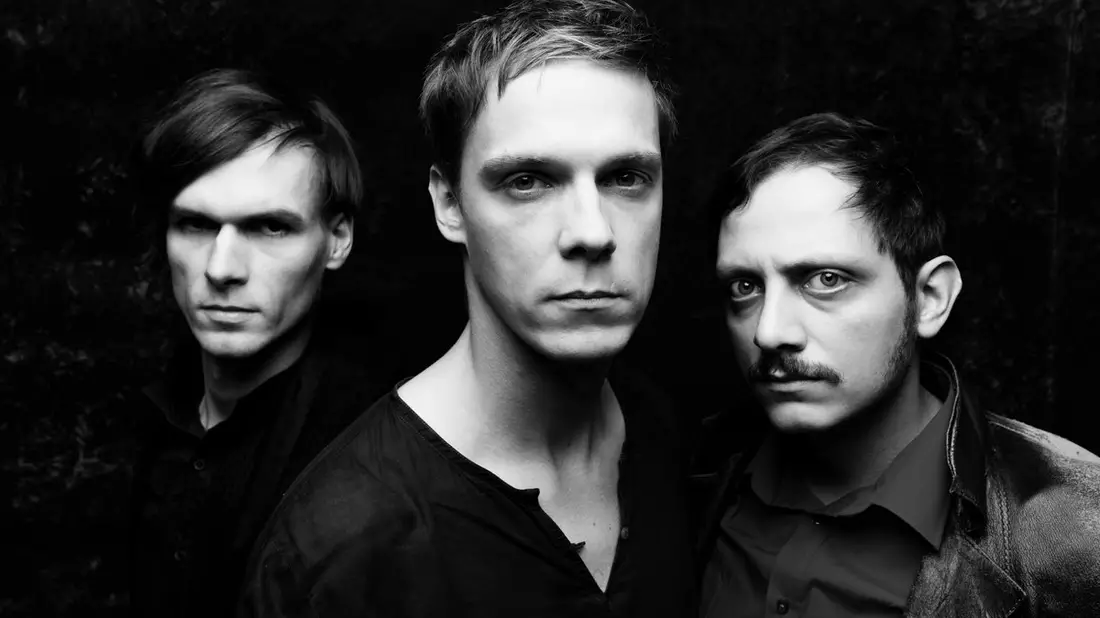
Music history rarely moves in a straight line. Sounds that once felt radical slip into the background, only to return through new artists who treat them as raw material rather than nostalgia. In guitar-based music, two of the most reshaped and rediscovered traditions are Psychedelic Rock and Post Punk. Both emerged as forms of resistance, both questioned what rock music could sound like, and both continue to echo through today’s independent scenes.
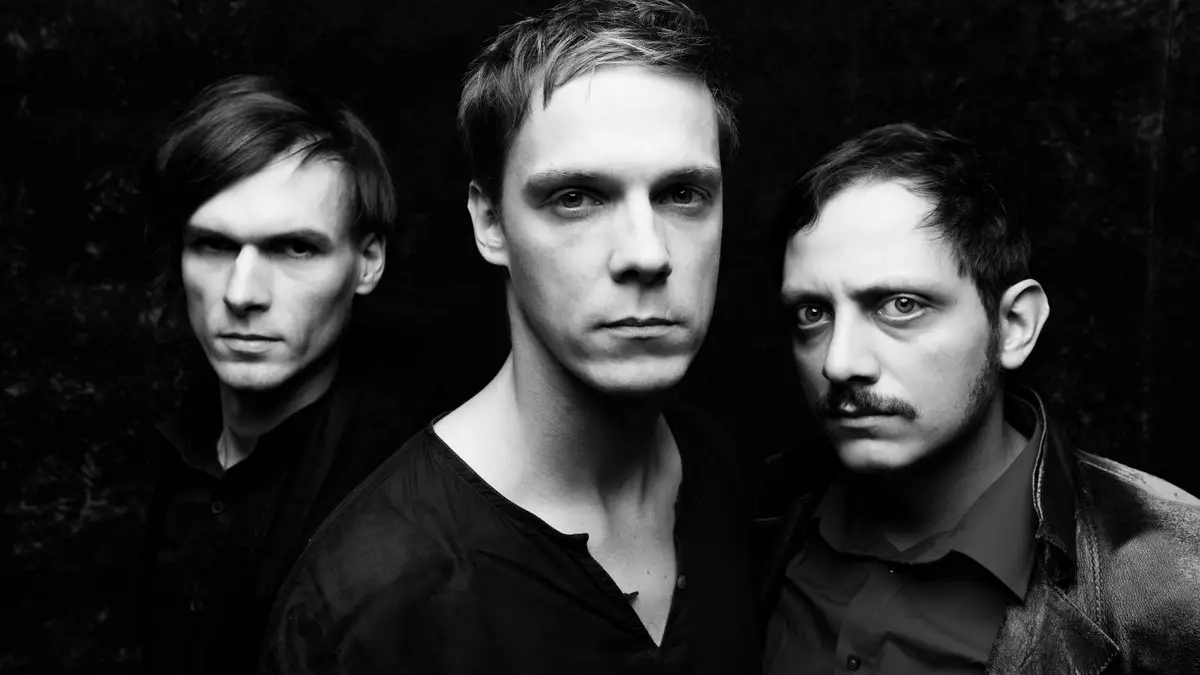
Mystery Art Orchestra are one of the more thoughtful examples of how younger bands are revisiting those ideas. At their core they are a Post Punk group: rhythm-forward, tightly wound, and emotionally direct. Yet across their songs, you hear a patient interest in space, repetition, and mood that comes from Psychedelic Rock. Instead of throwing vintage effects on every track, they use psychedelic touches as a deliberate tool, widening their sound without losing focus.
To understand what they are doing, it helps to look closely at the roots of both genres—and then at how Mystery Art Orchestra pick up specific elements, ignore others, and combine them into something that feels genuinely present tense.
Tracing the Roots: Psychedelic Rock and Post Punk Explained
Psychedelic Rock and Post Punk grew out of different decades, yet both responded to a similar feeling: that existing forms of rock no longer matched the intensity or complexity of everyday life. Their solutions, however, were quite different.
Psychedelic Rock first coalesced in the mid-to-late 1960s, at a time when youth culture was colliding with political unrest, experimentation with consciousness, and a growing interest in non-Western music. The core idea was straightforward: if rock was going to reflect altered states of mind and expanded perception, then its sound had to stretch beyond simple verse-chorus structures.
Musically, this often meant elongated song forms, extended instrumental passages, and a willingness to let tracks wander and loop instead of racing toward a chorus. Guitars were treated more like paintbrushes than blunt rhythm tools. Effects such as reverb, delay, phasing, and feedback turned familiar chords into shimmering or unstable textures. Keyboards and organs introduced droning tones, while early synthesizers hinted at otherworldly moods.
Studio experimentation played a central role. Producers and engineers began to treat the recording console itself as an instrument: reversing tape, layering sounds, and playing with stereo placement to make instruments feel as if they were circling the listener. Albums became cohesive journeys rather than just collections of songs. The emphasis was on immersion—giving listeners the sense of being pulled into a specific mental or emotional environment.
Lyrically, Psychedelic Rock often pointed away from everyday life. Songs referenced dreams, spiritual ideas, cosmic imagery, or inner journeys. Even when lyrics touched on politics or social change, they tended to be framed in symbolic or impressionistic language. The voice might float in a mix rather than sit at the front, reinforcing the idea that the listener was meant to experience the song as a whole environment rather than a vehicle for a single message.
Post Punk, emerging roughly a decade later in the late 1970s and early 1980s, took almost the opposite route in both sound and attitude, even though it shared a similar dissatisfaction with the status quo. Punk had already stripped rock back to three chords and pure urgency. Post Punk came from artists who wanted to keep that energy but push the form outward in new directions—emotional, rhythmic, and conceptual—without sliding back into classic-rock comfort.
Instead of using the studio to create vast psychedelic vistas, Post Punk bands stressed tension, repetition, and contrast. The bass became a central voice, often driving songs with angular, melodic lines that circled around short patterns. Drums turned rigid or dance-influenced; you hear straight eighth notes, sharp hi-hat patterns, and stark kick-snare combinations that owe as much to funk and disco as to rock.
Guitars in Post Punk frequently moved away from heavy riffs. They chopped out wiry, treble-forward stabs, played brittle chords, or repeated minimal figures soaked in chorus or delay. Rather than creating a warm, enveloping sound, they often sounded thin, clipped, and exposed—more like nervous signals than lush waves. This gave the music an anxious, restless quality, mirroring cramped city life, political uncertainty, or fractured relationships.
Vocals and lyrics shifted too. Instead of psychedelic abstraction, many Post Punk singers applied a more direct, sometimes confrontational approach. Voices could be deadpan, shouted, or half-spoken. Lyrics often addressed alienation, work, surveillance, urban decay, or personal breakdowns. While some bands still played with surreal imagery, they tended to ground their songs in concrete experience. Even when influences from literature or theory crept in, the music stayed rooted in bodily rhythms and emotional tension.
Both genres were counter-cultural, but they challenged different things. Psychedelic Rock pushed back against social conformity and strict musical rules by expanding sound and consciousness. Post Punk reacted against both mainstream rock and punk’s own narrowing definitions, opening a space where rhythm, noise, and awkward vulnerability could coexist. Psychedelia reached outward to cosmic themes; Post Punk looked inward and sideways, at the gaps between people and the systems surrounding them.
Those differences still matter today. When modern bands borrow from Psychedelic Rock, they often emphasize atmosphere, effects, and a sense of drift. When they draw from Post Punk, they tend toward tight rhythms, expressive bass lines, and a more skeptical lyrical voice. Mystery Art Orchestra work at the intersection: they retain the skeleton of Post Punk songcraft while letting certain psychedelic traits seep into the skin of their sound.
A Modern Synthesis: The Sound of Mystery Art Orchestra
Mystery Art Orchestra position themselves first as a Post Punk band, and that choice shapes almost everything about how their songs feel. You hear it in the bass, which rarely just follows guitar chords. Instead, it traces nimble lines that thread through each arrangement, giving listeners something to latch onto even when other instruments move in unexpected directions. The drums lock into those bass patterns with dry, focused grooves, emphasizing clarity over sheer volume.
This rhythmic core is what keeps their tracks grounded. Even when guitars swell or effects bloom, there is a persistent pulse underneath, closer to a late-night walk through a city than to a drifting psychedelic trip. The band seem to understand that Post Punk’s strength lies in its sense of motion—the feeling that the song is always pacing, circling, or pressing forward, never fully relaxing.
Where Mystery Art Orchestra depart from many pure Post Punk acts is in how they treat space and texture. Their guitar work often starts from a sharp, rhythmic place, but then slips into sustained notes, echoes, and slow-moving chord shapes that hang above the rhythm section. Simple lines bloom outward through reverb or delay, creating an atmospheric frame without erasing the underlying urgency.
This is where their Psychedelic Rock influence surfaces, not as indulgent soloing but as a careful attention to mood. Instead of writing songs that simply hammer out a riff, they allow sections to breathe. Intros might feature washed-out guitar drones or subtly modulated synth pads before the beat arrives. Bridges can strip back to swirling effects, using repetition not to stretch songs into jams, but to heighten tension before the rhythm snaps back in.
The band’s approach to dynamics also reflects this hybrid mindset. Traditional Post Punk can stay locked at a single level of intensity, building drama through repetition. Mystery Art Orchestra often move through distinct stages: hushed verses where instruments leave gaps between notes, choruses where the guitars widen and the drums hit harder, then codas where layered elements overlap to create a sense of controlled overwhelm. That arc owes as much to psychedelic ideas of immersion as it does to punk’s directness.
Thematically, Mystery Art Orchestra sit closer to Post Punk. Their lyrics (in the tracks they have shared so far) lean into everyday unease—questions of identity, unstable relationships, the exhausting repetition of work, and the quiet dread of modern life. Yet they avoid flat cynicism. Instead, they place these themes inside soundscapes that sometimes feel dreamlike or slightly detached, as if the narrator is observing their own life from a half-step to the side.
Vocally, the performances tend to balance clarity and distance. Lines are intelligible, delivered in an expressive but controlled register, rather than buried under effects. However, subtle reverb or doubling often sets the voice just back from the listener, reinforcing that feeling of watching events through glass. It’s another instance of the band folding a psychedelic sense of space into a fundamentally Post Punk form.
Visually and aesthetically, Mystery Art Orchestra lean toward the understated side of things. Their artwork and stage attire avoid obvious retro signifiers. Instead of mimicking 1980s post punk or 1960s psych imagery, they tend to favor muted color schemes, blurred photos, and modest, typography-driven designs. This minimalism serves a purpose: it suggests that while they draw heavily from history, they are not trying to role-play another era. The focus stays on the mood of the songs, not on costume.
In a crowded independent field where many bands choose either dense, nostalgic psychedelia or rigid, throwback post punk, Mystery Art Orchestra’s synthesis feels deliberate. They preserve the lean physicality of Post Punk while borrowing just enough from Psychedelic Rock to give their tracks depth and afterglow. The result is music that hits quickly but lingers, encouraging repeated listens not through shocking twists, but through small production and arrangement details that reveal themselves over time.
Current Releases and Live Performances
Any attempt to understand a band like Mystery Art Orchestra on record benefits from seeing how they translate that sound to the stage. Their live shows emphasize interaction between players rather than relying on backing tracks or rigid click-driven setups. The bass and drums remain the spine, locking in tightly while guitars and synth textures stretch outward, sometimes slightly reinterpreting recorded parts to suit the room’s acoustics.
Audience footage and early reports describe a performance style that is physical but measured. The band do not chase chaos for its own sake. Instead, they cultivate a slow-building intensity: verses are delivered almost neutrally, choruses arrive with a visible tightening of shoulders and increase in movement, and instrumental sections allow the players to lean into their rigs, drawing out feedback or hovering notes. This gives shows a sense of narrative flow that mirrors their arrangement choices in the studio.
For listeners interested in catching this sound in person, the group maintain an updated list of dates and venues on their official site. Their tour calendar, including club gigs and festival slots, is available through the Mystery Art Orchestra Homepage. That page also gathers basic information about the band, links to socials, and news about upcoming releases, making it a practical starting point for new listeners.
On the recorded side, the band have leaned into a release strategy that respects physical media, even at a time when streaming dominates listening habits. They issue their projects in digital form, but also press limited runs of vinyl and CDs. This approach aligns with a broader shift among independent listeners who want a tangible connection to music they care about. You can find these editions, along with lossless downloads, on their Bandcamp page: Mystery Art Orchestra on Bandcamp.
Bandcamp’s format allows the group to present albums and singles with full credits, lyrics, and sometimes alternate artwork. For fans of Psychedelic Rock and Post Punk, that level of detail matters. It invites closer reading of the band’s influences and decisions: who is mixing the tracks, how the songs are sequenced, and what themes tie them together. Buying directly there also channels more support to the band than most streaming payouts, which fits with the scene’s ethic of sustaining artists through community rather than algorithms alone.
Their latest single, "Going Under", sits at the center of their current activity. The song captures many of the traits that define Mystery Art Orchestra’s approach. The rhythm section opens with a taut, mid-tempo groove: the kick and snare are dry and close, while the bass carves out a simple yet insistent pattern that repeats with minor variations. Over this, the guitar enters not with a heavy riff but with chiming, delay-tinged notes that trail off, giving each measure a sense of depth.
As "Going Under" unfolds, the track slowly adds layers—background vocal lines that echo key phrases, subtle synth drones that fill low-mid frequencies, and extra guitar textures that only fully register after multiple plays. The chorus does not explode in a conventional rock sense; instead, it widens. The chords under the melody open up, the drums become slightly more forceful, and the vocal climbs just enough to suggest a kind of emotional fraying. The lyrics circle around feelings of overload and emotional exhaustion, describing the sense of losing footing while routines continue unchanged.
The accompanying video, available to stream here: Watch "Going Under" on YouTube, reinforces the song’s tension between motion and stasis. Without spoiling specific imagery, it leans on repeated visual motifs and restrained color grading rather than flashy cuts. Scenes linger slightly longer than expected, echoing the track’s use of repetition and small variations. The band appear in the video, but not as over-the-top performers; they are part of the environment, another element in a setting that gradually feels less stable the longer you watch.
As a single, "Going Under" functions both as an accessible entry point and as a statement of intent. It showcases the group’s willingness to prioritize mood and structure over obvious hooks, while still offering a memorable vocal line and a rhythm section that feels physical even through laptop speakers. For listeners who connect with the track, diving into other songs—particularly via high-quality streaming or physical formats on Bandcamp—reveals how the band tweak this recipe across their catalog.
Community Discussion & Reviews:
Audience Reception and the Independent Music Scene
Mystery Art Orchestra’s music appears at a moment when younger listeners are unusually comfortable crossing genre lines. For many Gen Z and Millennial fans, classic categories like "rock" or "indie" feel less like fixed identities and more like broad playlists, where Post Punk bass lines can sit next to hazy psych guitars, trap drums, or ambient synths. In that sense, the band’s blend of sounds is not just an artistic preference; it reflects how their audience already listens.
Early reception reflects this cross-genre flexibility. Rather than gathering a narrow niche of purist Post Punk fans, the band have begun to attract listeners who come from different directions: fans of shoegaze who respond to the atmospheric guitars, people who grew up on post-hardcore but now want something more subtle, and long-time psych listeners who value patience and texture. Online comments and small-press write-ups frequently mention the rhythm section and the "weight" of the bass as key entry points, even for those not deeply familiar with the history of Post Punk.
At the same time, Mystery Art Orchestra fit comfortably into the independent ecosystem that has grown around DIY venues, small festivals, and online direct-to-fan platforms. Scenes that point back to 1980s Post Punk have been thriving for several years, with bands borrowing from cold wave, dark wave, and related styles. However, these scenes can sometimes skew toward stylistic uniformity, where certain guitar tones or vocal effects become expected. Mystery Art Orchestra’s restrained use of psychedelic elements keeps them adjacent to these circles without being fully subsumed.
On stage, this difference plays out in the way diverse bills respond to their sound. Reports from mixed-genre shows suggest that the band holds its own both with heavier guitar acts and with more introspective, atmospheric performers. Their songs are structured enough to fit alongside punk-adjacent lineups, yet expansive enough to sit next to dream-pop or slowcore acts. This flexibility increases their chances of reaching new listeners through support slots and festival appearances, rather than relying on a single tightly defined subculture.
The independent press has also picked up on this dual identity. Smaller blogs and zines that cover Post Punk frequently mention the band’s use of reverb, drones, and strange harmonies as distinguishing features. Meanwhile, outlets focused on modern psych and experimental rock highlight the discipline of the rhythm section as a grounding force, preventing the songs from dissolving into aimless jams. In both contexts, reviews tend to emphasize intent: Mystery Art Orchestra sound like a group carefully choosing their references rather than randomly mixing influences.
Culturally, the band’s approach aligns with a broader tendency among younger artists to work with historical genres as open toolkits. Instead of reviving Psychedelic Rock or Post Punk as fixed styles, they extract specific techniques—like bass-forward mixes, delayed guitar filigrees, or production choices that blur foreground and background—and apply them to contemporary themes. Songs about burnout, economic precarity, and digital disconnection feel different when carried by a rhythm section rooted in late-70s influences and a guitar sound reminiscent of late-60s experiments.
This context helps explain why Mystery Art Orchestra resonate beyond strict genre fandoms. Their tracks can fit into curated playlists labeled "dark indie", "modern post punk", or "psych-tinged rock" without sounding out of place. Yet they maintain a clear identity from song to song: a recognizable rhythmic language, a measured vocal presence, and a willingness to let textures accumulate slowly. For listeners fatigued by algorithm-driven sameness, that combination of familiarity and specificity feels inviting.
Their decision to emphasize physical releases and direct platform support also shapes reception. Fans who invest in LPs or CDs through Bandcamp frequently share photos, unboxing clips, and needle-drop videos, building a visible layer of community around the band. This kind of organic promotion carries weight, especially when contrasted with more obvious marketing campaigns. It suggests that people are not only streaming the songs casually but choosing to live with them over time.
As Mystery Art Orchestra continue to release new material and play shows, their position within the independent scene will likely become more defined. For now, they occupy a promising middle ground: rooted enough in recognizable traditions to offer a clear point of entry, but flexible enough to grow in multiple directions without betraying their core sound. That tension between stability and exploration is part of what has always made both Psychedelic Rock and Post Punk durable, and it is what gives this band a chance to contribute meaningfully rather than simply echoing the past.
Frequently Asked Questions
Who are Mystery Art Orchestra, and where do they come from?
Mystery Art Orchestra are a contemporary Post Punk band who emerged from the kind of loosely connected local scenes that still form the backbone of independent music. While they draw on international influences, their identity is grounded in a specific set of urban experiences: small venues, practice spaces in shared warehouses, and a network of friends, visual artists, and DIY promoters. Their members bring backgrounds from other guitar-based projects, electronic experiments, and more straightforward rock bands, which helps explain the mixture of precision and atmosphere in their music.
As with many modern acts, they built momentum gradually rather than through a single viral moment—sharing early demos online, playing support slots, and refining their sound as they responded to what resonated with audiences. Over time, the Post Punk foundation and the careful use of psychedelic textures emerged as their most distinctive traits.
How would you describe Mystery Art Orchestra’s sound to a new listener?
A practical way to think about Mystery Art Orchestra is to imagine a rhythm section heavily informed by classic Post Punk—prominent, melodic bass lines and tight, unflashy drumming—paired with guitar and production choices that lean toward atmospheric Psychedelic Rock. The songs are built on clear structures: verses, choruses, and bridges that rarely run overlong. Yet within those forms, the band favors repetition, layering, and gradual shifts in texture.
Vocals are expressive but controlled, usually eschewing harsh screams or theatrical extremes. Lyrics address familiar contemporary themes—disconnection, fatigue, uncertainty—without sinking into pure despair or vague mysticism. Instead, they often capture small moments and images that feel recognizable, then place them in soundscapes that suggest something slightly unreal or dreamlike at the edges. It is music you can follow on a first listen, but which rewards paying attention to the details of how each instrument moves.
How exactly do they blend Psychedelic Rock and Post Punk influences?
The blend between Psychedelic Rock and Post Punk in Mystery Art Orchestra’s sound is less about merging two full genres and more about borrowing specific techniques from each. From Post Punk, they take a commitment to the bass as a lead voice, the use of sharp, often minimal guitar lines, and a preference for rhythmic tightness. Songs typically sit in a tempo range that works as well on a club PA as in headphones, with drums recorded in a straightforward, unembellished way that highlights groove.
From Psychedelic Rock, they adopt an interest in ambience and the sensation of depth. Instead of filling every bar with new notes, they allow sustained chords, echoes, and reverbs to ring out. Guitar pedals and subtle synth layers are used to create halos around the core rhythm parts. They also borrow the psychedelic habit of treating the studio as an instrument, experimenting with panning, layering, and texture so that repeated listens reveal small movements in the mix. The key is restraint: psychedelic elements appear as accents and environments, not as overwhelming swirls that obscure the structure.
What should I listen to first if I want to explore their music?
"Going Under" is an effective entry point because it encapsulates the band’s main strengths in a single track. The song showcases their bass-driven approach, the balance between tight verse sections and more expansive choruses, and their way of letting atmospheric details accumulate over time. The video, which you can watch at Watch "Going Under" on YouTube, adds a visual layer that stresses mood and pacing rather than narrative drama, reinforcing their aesthetic priorities.
From there, exploring their releases on Bandcamp—via Mystery Art Orchestra on Bandcamp—allows you to hear how they handle variation in tempo, arrangement, and lyrical tone across multiple songs. Some tracks lean more heavily into the darker, more immediate side of Post Punk, while others slow down or open up, letting psychedelic textures take a more prominent role. Listening to an entire EP or album in sequence provides a better sense of their dynamic range.
How do their live performances differ from the studio recordings?
Live, Mystery Art Orchestra generally maintain the structure and key elements of their studio recordings, but they allow themselves more freedom in how they handle transitions, endings, and textural details. A guitar part that is relatively restrained on record might stretch out slightly in a live setting, with added feedback or delay trails filling the space between vocal lines. Drum and bass interactions also respond to the room, with slight tempo pushes or dynamic swells that are less locked to a metronome than their recorded counterparts.
Audience accounts suggest that the band view concerts as an opportunity to underline the physical impact of their songs. The bass may be mixed louder, and the kick drum more pronounced, bringing out the danceable side of their rhythms. At the same time, they avoid turning shows into chaotic reinterpretations; the core identity of each track remains intact. Checking their schedule on the Mystery Art Orchestra Homepage is the most reliable way to find out when you can experience this side of the band in person.
Where can I buy their music, and why do physical formats matter here?
Digital access to Mystery Art Orchestra’s catalog is available on major streaming platforms, but if you want to acquire their music in a way that directly supports their work, Bandcamp is central. On Mystery Art Orchestra on Bandcamp, you can purchase digital downloads in high-quality formats along with vinyl and CD editions when they are in stock. For a band that pays careful attention to production, higher-resolution audio and properly mastered physical releases can make a noticeable difference in how the layers of their songs come across.
Physical formats also carry symbolic weight within the independent community. Owning an LP or CD often encourages deeper engagement: reading credits, studying artwork, and listening to full releases rather than skipping between singles. For a group like Mystery Art Orchestra, whose work unfolds through subtle shifts across tracks, that kind of engagement aligns with how they design their records. It also sends a clear signal that there is an audience invested enough to support future projects, tours, and growth.
How do Mystery Art Orchestra fit into the broader history of Psychedelic Rock and Post Punk?
Historically, Psychedelic Rock and Post Punk emerged during different crises and cultural transitions, yet both questioned what rock music should prioritize. Psychedelia stretched sound outward, embracing studio experimentation and open-ended forms to reflect expanded consciousness and utopian hopes. Post Punk pulled rock inward and sideways, focusing on rhythm, fragmentation, and the difficulty of navigating late-20th-century realities.
Mystery Art Orchestra do not attempt to recreate either era wholesale. Instead, they operate as part of a contemporary wave of bands who treat those legacies as accessible archives. Their Post Punk backbone connects them to the lineage of bass-centric, emotionally tense guitar music, while their psychedelic leanings align them with artists who view texture and repetition as tools for exploring states of mind. By combining these approaches and applying them to present-day concerns—stress, disorientation, and the search for meaning in a highly mediated world—they add their own chapter to an ongoing conversation, rather than closing it with nostalgia.