Psychedelic Echoes, Post Punk Bones: Mystery Art Orchestra
13.03.2026 - 07:08:25 | ad-hoc-news.de
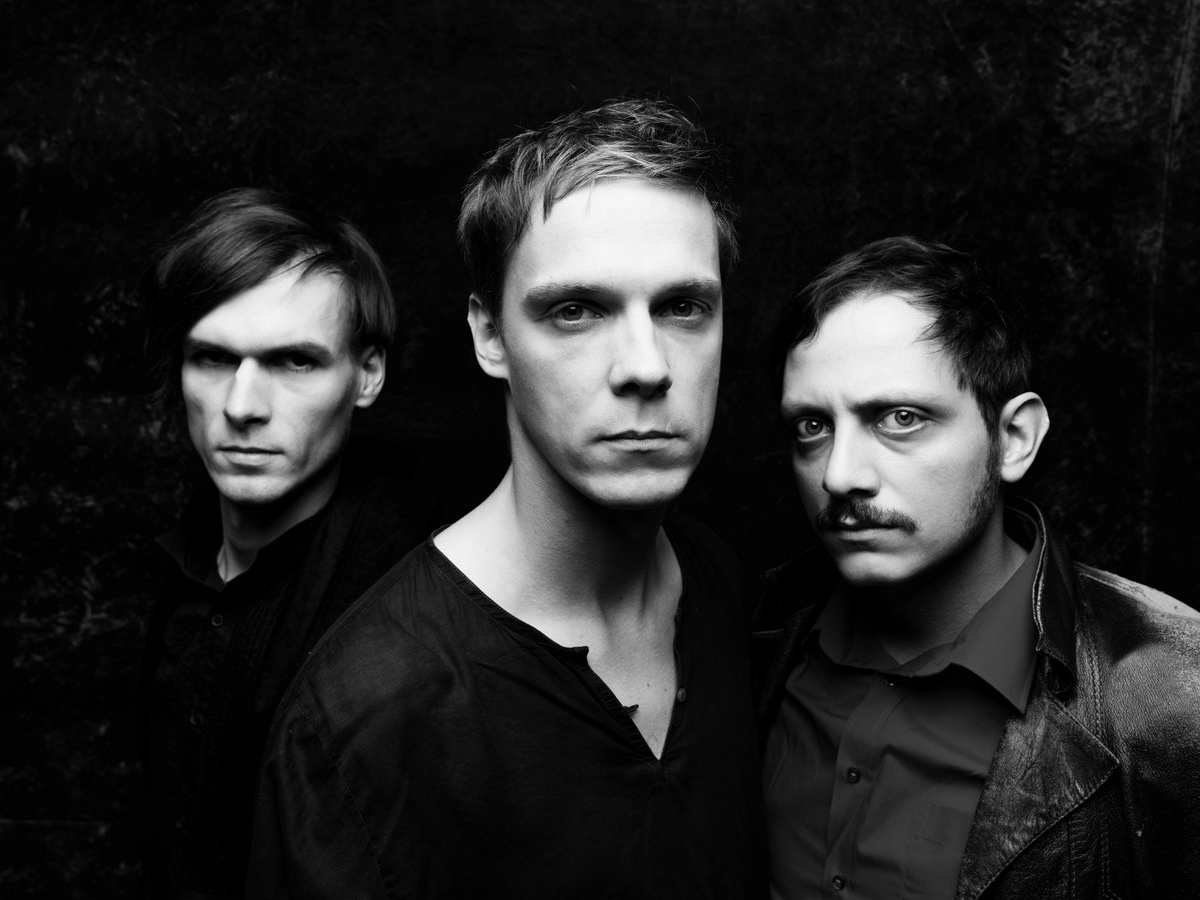
Popular music moves in cycles. Sounds that once felt radical drift into the background, only to return decades later in new shapes, filtered through fresh technology and different social pressures. Today, young bands are revisiting the intensity of post punk and the expansive vibe of psychedelic rock, not as retro cosplay, but as raw material for something current. One of the more thoughtful examples of this approach is Mystery Art Orchestra, a contemporary group that grounds itself firmly in post punk while borrowing the atmospheric tools of psychedelic rock to widen its emotional range.
To understand why Mystery Art Orchestra matter, it helps to unpack the two genres they draw from. Psychedelic rock and post punk both emerged as counter-moves against the dominant sounds of their eras, yet they approached rebellion in different ways: one through spacier, consciousness-bending sound design, the other through stripped-back urgency and emotional friction. Hearing how a modern band navigates between these worlds reveals a lot about the present state of guitar music, and why genre boundaries are less fixed than ever.
Tracing the Roots: Psychedelic Rock and Post Punk Explained
Psychedelic rock grew out of the mid-to-late 1960s, when rock bands started to reflect the influence of hallucinogens, Eastern spirituality, and a widening interest in inner experience. Rather than focusing purely on verse-chorus songs designed for radio, psychedelic groups aimed to stretch time, blur edges, and create an audio equivalent of altered consciousness. Studio technology became central: tape loops, reversed guitar, echo, phasing, early synthesizers, and long, improvised sections pushed rock beyond simple dance music.
At the core of psychedelic rock is a sense of expansiveness. Guitars often carry heavy reverb or delay, chords ring out for longer than expected, and solos drift across bars rather than hitting on strict, blues-based phrases. The rhythm section still matters, but drums and bass frequently serve to anchor extended explorations rather than dominate the foreground. Vocals can be dreamy, processed, or deliberately distant, as if the singer is part of the overall sound field rather than a separate storyteller. The lyrics often address inner voyages, surreal imagery, or social liberation, mirroring the cultural upheavals of the late 60s.
Crucially, classic psychedelic rock is both studio and performance-driven. On record, producers experiment with sound manipulation; live, bands push songs into lengthy, improvised passages. The appeal lies in immersion: listeners drift through textures, harmonic colors, and slowly evolving grooves. Even when the songs are tightly written, the production tends to emphasize atmosphere over clean edges.
Post punk, which began to emerge in the late 1970s, reacted against a different set of norms. Punk had already thrown a grenade into the polished mainstream rock of the mid-70s, prioritizing speed, simplicity, and direct anger. Post punk took that raw energy and redirected it into experimentation, not with long solos or cosmic themes, but with rhythm, mood, and structure. Bands kept the DIY spirit but opened their doors to art-school ideas, dub techniques, early electronic instruments, and a darker, more introspective lyricism.
Where psychedelic rock expands, post punk tightens. Its rhythm sections are often the main event. Bass lines step forward, repeating insistent figures that lock in with drum patterns built on sharp hi-hats and tom-heavy accents. Guitars become more angular and percussive than lush, frequently using short, clipped riffs or jagged chords rather than wide, ringing shapes. Effects pedals still matter, but they serve to add tension and edge more than to create swirling comfort.
Vocals in post punk tend to sound urgent, sometimes almost spoken, sometimes strained and emotional. Lyrics focus on alienation, urban life, political anxiety, and psychological complexity. Instead of describing escapist, mind-expanding trips, they confront harsh realities, personal and collective. While psychedelic rock often aims to dissolve boundaries, post punk leans into friction—between individuals and institutions, desire and constraint, past and future.
Both genres emerged as counter-cultural movements. Psychedelic rock grew alongside the anti-war movement, civil rights struggles, and the questioning of traditional authority, offering a sonic space where social norms could be suspended and new possibilities imagined. Post punk responded to economic crisis, the fading of 60s optimism, and the realization that simple rebellion was not enough. Its artists channeled frustration and disillusionment into music that questioned not only society but also the rock format itself.
Yet there are shared threads. Both genres see sound as more than a backdrop for catchy hooks. They value texture, mood, and the ability to shift a listener’s internal state. Both use the studio as a creative tool, whether to stretch songs into psychedelic voyages or to carve sharp, minimalistic arrangements with unusual production choices. And both remain attractive to contemporary musicians seeking alternatives to glossy pop or purely nostalgic indie rock.
In the 21st century, streaming culture, affordable recording tools, and genre-agnostic listening habits make it natural for a band like Mystery Art Orchestra to pull from both traditions. They do not need to choose between the trippy spaciousness of psych-rock and the skeletal intensity of post punk; instead, they can build songs where a tightly wound rhythm section supports guitar lines and synth textures that feel haunted, echoing, and atmospheric. Their sound demonstrates how these once-opposed movements can coexist inside a single track.
A Modern Synthesis: The Sound of Mystery Art Orchestra
Mystery Art Orchestra present themselves first and foremost as a post punk band. Their songs lean on pulsing bass figures, drums that emphasize movement over grand gestures, and vocals that feel immediate and slightly on edge. Tempo-wise, they often favor the restless mid-to-fast range associated with late-70s and early-80s post punk: not breakneck, but insistent enough to keep a sense of forward pressure. Listen to the rhythm section and you can hear the core of their identity—a tight, almost motorik drive with human imperfections left intact.
What sets them apart is how they frame that rhythmic backbone with influences from psychedelic rock. Rather than using psych as a nostalgic costume, they treat it like a toolbox for atmosphere. Guitars may start with stripped-down, post punk downstrokes, then bloom into delayed, reverb-soaked lines that hang over the beat like vapor trails. Instead of extended solos, they lean toward melodic fragments, slides, and feedback swells that color the emotional temperature of a section.
Synths and subtle electronic elements further support that hybrid approach. Pads and drones often sit low in the mix, barely perceptible at first, yet they gradually thicken the air around the arrangement. This is a classic psychedelic strategy—using sustained tones and slowly shifting harmonies to alter the listener’s sense of space—but placed within the framing of concise song structures more familiar to post punk. The result is music that feels both disciplined and dreamlike: you sense the boundaries of the song, but the edges blur.
Thematically, Mystery Art Orchestra’s material reflects modern anxieties but resists pure nihilism. Their lyrics orbit around questions of identity, digital isolation, fractured relationships, and the search for meaning in environments that feel transient and unstable. This aligns closely with post punk’s historical interest in urban alienation and political unease, yet the atmospheric choices suggest not just anger or resignation, but also introspection and uncertainty. The psychedelic elements allow the songs to pause, breathe, and suggest interior spaces rather than staying locked entirely in external critique.
Aesthetically, the band maintain a careful balance between minimalism and detail. On first listen, a track might register as lean and direct: bass, drums, one or two guitar lines, voice. On repeat plays, small choices become more noticeable—a reversed guitar tail at the end of a phrase, a chorus where the reverb suddenly deepens, a delay line timed slightly behind the beat to create a sense of dislocation. These subtleties echo the exploratory spirit of psych-rock while remaining faithful to a post punk sense of structure and restraint.
Crucially, Mystery Art Orchestra avoid drifting into pastiche. They are not trying to perfectly replicate the sound of a late-60s studio or an early-80s underground club. Their production is clean enough to sit comfortably in modern playlists, with low-end clarity and stereo imaging that reflects contemporary listening habits. What they borrow from earlier eras are methods and attitudes: the drive to question norms, the interest in mood as meaning, and the willingness to blur genres in service of emotional accuracy.
In a live context, that synthesis becomes even clearer. The band’s post punk foundation gives their performances a kinetic core: drums and bass lock into patterns that can hold a room’s attention without the need for theatrics. At the same time, swirling delays, feedback manipulations, and subtle pedal changes across songs introduce a sense of unfolding, where each track feels like a different chamber with its own air pressure and lighting. That hybrid quality makes them accessible to fans who come from either side—those who love the directness of post punk and those who seek the headspace of psychedelic rock.
Current Releases and Live Performances
For listeners interested in experiencing this blend first-hand, Mystery Art Orchestra’s current activity spans the studio, stage, and online platforms. Their live shows are a key part of the picture, since the band’s rhythmic core and atmospheric details translate especially well in a room where volume and space become additional instruments.
On stage, Mystery Art Orchestra typically emphasize clarity of arrangement over wall-of-sound overload. The bassist and drummer form an audible spine, pushing grooves that remain steady even when the guitars and synths drift into more textural territories. The singer often navigates the front of the mix with a tone that balances detachment and vulnerability, a familiar post punk trait that feels particularly effective when paired with the band’s use of echo and reverb. Instead of big rock-star gestures, they tend to favor focused body language and minimal but meaningful interaction, aligning with a lineage of bands who prioritize atmosphere and energy over spectacle.
If you want to see how this plays out in real time, their officially announced dates and current touring plans are listed on their website. The Mystery Art Orchestra Homepage functions as the central hub for concert information, updates, and broader context around the band’s activities. For fans who plan shows around travel or who prefer smaller venues with strong sound, keeping an eye on that page is the most reliable way to know when they will be within reach.
Beyond the live setting, their recorded output shows how carefully they treat sound design. In an era where many independent releases live only on streaming services, Mystery Art Orchestra have committed to physical formats as well. This connects them to a broader movement among independent artists and listeners who value records, cassettes, and CDs not just as collectibles, but as intentional listening experiences. The band’s physical editions, including LPs and CDs, are available through Bandcamp, where direct support flows more transparently from listener to artist. Interested fans can explore their catalog and formats at Mystery Art Orchestra on Bandcamp.
Bandcamp’s interface also highlights track credits, lyrics, and liner-note style descriptions, which helps contextualize Mystery Art Orchestra’s aesthetic choices. For a band that draws from historically rich genres like psychedelic rock and post punk, that extra context can deepen a listener’s engagement. Reading how they approach production, themes, or artwork while listening to the album on vinyl or CD encourages a more focused relationship with the music than algorithmic playlists usually offer.
Their latest single, "Going Under", provides a strong entry point into their current direction. Structurally, it leans on a post punk chassis: a tense bass motif underlies the verses, while drums maintain a steady, slightly anxious propulsion. The vocal melody rides above with controlled intensity, sketching a narrative of emotional overload and quiet collapse without veering into melodrama. The lyrics choose concrete images—late-night screens, static-filled signals, half-finished conversations—over vague abstractions, grounding the song in recognizably modern terrain.
Where the psychedelic dimension enters is in the guitar and overall production. Throughout "Going Under", delayed guitar phrases hover at the edges of the mix, sometimes surfacing, sometimes sliding back into a hazy bed of reverb. In the song’s middle section, the rhythm briefly loosens its grip while layers of sound accumulate: a distant feedback swell, a low synth drone, reverb tails that extend just past the beat. This passage does not stretch out into a long jam, but it creates a short-lived sense of suspension—a momentary weightlessness between the more tightly structured verses and chorus.
Sonically, the single balances clarity and grit. The low end is precise enough for modern headphones and streaming platforms, while the midrange retains enough roughness to keep the track from sounding overly polished. Subtle production moves—like slightly distorting the vocal in key lines or automating delays to blossom at emotional peaks—show a thoughtful engagement with both post punk’s rawness and psychedelic rock’s love of textural shifts.
The song’s visual counterpart amplifies these qualities. The video for "Going Under", available at Watch "Going Under" on YouTube, opts for mood over narrative. Stark lighting, blurred motion, and careful color grading underline the tension between control and dissolution that runs through the track. The editing often syncs tightly with rhythmic accents, reinforcing the post punk backbone, while certain shots linger just long enough to create a slightly disorienting, dreamlike feeling. It is a concise example of how Mystery Art Orchestra translate their hybrid sonic approach into visual language, emphasizing atmosphere without sacrificing structure.
Together, the touring schedule on their homepage, the physical releases on Bandcamp, and the latest single with its accompanying video offer a coherent portrait: a band grounded in the discipline of post punk performance, committed to durable listening formats, and interested in expanding their emotional and sonic palette through psychedelic touches rather than superficial gimmicks.
Community Discussion & Reviews:
Audience Reception and the Independent Music Scene
Mystery Art Orchestra’s position in the current independent landscape reflects broader shifts in how listeners encounter and evaluate new music. Rather than relying on major label campaigns or mainstream radio, their audience has grown through word of mouth, curated playlists, online zines, and live scenes centered around small venues and DIY spaces. This organic path allows them to connect with listeners who are actively seeking music outside of narrow genre lanes.
One reason their sound resonates is that it mirrors the listening habits of Gen Z and Millennial audiences, who rarely experience genres in isolation. For fans who grew up with algorithm-driven recommendations and instant access to decades of music history, the gap between late-60s psychedelic rock and early-80s post punk feels much smaller than it once did. Many listeners are comfortable moving from a classic psych album to a contemporary darkwave track within a single queue. Mystery Art Orchestra’s hybrid approach aligns with that reality, offering music that acknowledges history without being bound by it.
In independent circles, critical response often focuses on authenticity, consistency, and the ability to create a recognizable sonic world rather than on chasing trends. Mystery Art Orchestra benefit from this framing. Reviews and informal commentary tend to highlight the band’s sense of control: their songs feel considered, their aesthetic choices coherent across releases, and their live performances aligned with the moods established in the studio. This coherence helps them cut through the noise of an oversaturated release environment, where many projects last only a single EP or TikTok cycle.
Audience reactions at shows, based on fan reports and live footage, suggest engagement that is attentive rather than chaotic. Instead of mosh-heavy performance styles, their concerts often feature focused crowds who listen closely, respond to dynamic shifts, and reserve movement for key peaks. This kind of reception suits a band whose music thrives on tension, space, and gradual build rather than constant maximalism. The more psychedelic passages give audiences room to process, while the post punk framework ensures the energy never fully dissipates.
Online, Mystery Art Orchestra’s growth reflects the reality of independent artists who must operate simultaneously across streaming platforms, physical sales channels, and social media ecosystems. On streaming services, their songs find homes in playlists that highlight new post punk, dark indie, and atmospheric rock. Bandcamp offers a parallel community of listeners who view purchases as a form of solidarity with artists navigating an uneven economic landscape. The band’s presence there signals a commitment to sustainability and direct relationships with supporters.
Culturally, their blend of genres also taps into current conversations about anxiety, climate pressure, political instability, and digital overload. Post punk has long served as a vocabulary for articulating disillusionment and unease; psychedelic influences, in this context, can function as attempts to explore inner responses to that unease rather than escape it entirely. Mystery Art Orchestra’s songs often feel like reports from people trying to remain sensitive in a world that rewards numbness. The edge in their basslines and drums suggests the persistent pressure of modern life, while the floating guitars and synths hint at drifting attention and fragile introspection.
For many younger listeners, this emotional combination feels honest. Outright optimism can ring false; total despair is unsustainable. Music that captures a middle state—restless, searching, occasionally weightless—can act as a mirror. In that sense, Mystery Art Orchestra are part of a wider independent movement that favors emotional nuance over simple slogans. Their decision to use elements of psychedelic rock not for escapist nostalgia but for detailed inner atmospheres places them in conversation with contemporary shoegaze, dream pop, and experimental indie acts, while their strong rhythmic core keeps them grounded in a lineage that stretches back to post punk’s earliest innovators.
As their audience grows, the band’s commitment to physical releases and touring will likely shape their long-term impact. Fans who buy a record, read the credits, and see the group live often feel a level of investment that streaming alone rarely produces. In an era where many artists struggle to maintain attention beyond a single, Mystery Art Orchestra’s deliberate, album-oriented mindset and live presence position them as a slow-burn discovery: a band that might not explode overnight, but that builds a durable, engaged community over time.
Frequently Asked Questions
Who are Mystery Art Orchestra, and where do they come from?
Mystery Art Orchestra are a contemporary guitar-based band working within the broader independent and alternative rock ecosystem, with a core identity rooted in post punk. While individual members bring different backgrounds and influences, the group as a whole presents a unified aesthetic that combines tight, rhythm-forward arrangements with a strong interest in atmosphere and texture. They operate primarily in intimate clubs, independent venues, and festival stages that prioritize discovery and experimentation over mainstream chart presence. Their online footprint—through their official site, Bandcamp, and video platforms—supports this live activity rather than replacing it.
How would you describe their genre blend in simple terms?
In accessible terms, Mystery Art Orchestra sound like a post punk band that has learned from psychedelic rock without copying it outright. The rhythmic foundation—bass and drums—is insistent, often built on repeating patterns that create tension and momentum. Over that, the band layers guitars and synths that favor echo, reverb, and slowly evolving lines, borrowing techniques from psych-rock to create a sense of depth and space. Vocals tend to be clear and emotionally present, more aligned with post punk storytelling than with heavily processed, purely dreamy styles. If you enjoy the drive of post punk but also appreciate music that gives you a feeling of drifting or hovering at the edges of thought, this hybrid is likely to appeal.
What themes do Mystery Art Orchestra explore in their lyrics?
The band’s lyrical content often reflects the pressures and contradictions of contemporary life. Recurring themes include the difficulty of genuine connection in hyper-connected digital environments, the friction between public performance and private uncertainty, and the experience of living with persistent low-level anxiety about social, economic, and ecological futures. Instead of delivering overt political slogans, they tend to show how these conditions feel on a human scale: sleepless nights, fragmented communication, memory loops, and the sense that reality sometimes blurs at the edges. The psychedelic shading in their sound reinforces these ideas by suggesting altered perception, not in a purely drug-oriented sense but as a metaphor for how many people currently process the world—distracted, overloaded, and searching for clarity.
Where can new listeners start with Mystery Art Orchestra’s music?
For a concise introduction, "Going Under" is an effective starting point. It captures the band’s rhythmic discipline, their use of echoing guitar lines, and their ability to compress emotional weight into a tight runtime. Watching the video on YouTube adds another layer, letting you see how their visual choices echo their sonic priorities: stark contrasts, controlled movement, and a balance between clarity and blur. From there, exploring their releases on Bandcamp is recommended. The platform often presents material in album form, with sequencing and artwork intact, which helps new listeners understand how the band thinks about pacing, dynamics, and thematic continuity across multiple tracks.
Why does the band focus on physical formats like LPs and CDs?
Mystery Art Orchestra’s emphasis on physical media reflects both practical and artistic concerns. Economically, platforms like Spotify offer limited payouts per stream, making it difficult for independent musicians to sustain projects through streaming alone. Physical sales through Bandcamp and at shows allow supporters to contribute more directly to the band’s ability to record, tour, and invest in future work. Artistically, LPs and CDs encourage more intentional listening. The finite length of a record side or disc encourages careful sequencing; artwork, liner notes, and credits frame the music as part of a broader creative statement. For a group that builds atmosphere and narrative across tracks, these formats are not just merchandise—they are part of how the music is meant to be experienced.
How does Mystery Art Orchestra’s live show differ from their studio recordings?
Live, the band tend to emphasize immediacy and dynamic range. Studio recordings allow for careful layering, subtle automation, and precise control of stereo space. On stage, they retain these textural concerns but accept a certain level of unpredictability. Songs may stretch slightly, with intros or outros extended to respond to the room’s energy. Delay trails might be allowed to run longer, feedback might be shaped in real time, and transitions between songs can form a continuous emotional arc rather than a set of disconnected pieces. The core structures, however, remain recognizable. Fans familiar with the records will hear the same hooks and rhythmic patterns, but often with added grit and intensity. This balance of fidelity and flexibility makes their shows rewarding for both first-time attendees and repeat listeners.
How do they fit into the broader history of post punk and psychedelic rock?
Mystery Art Orchestra are part of an ongoing conversation rather than an isolated experiment. Historically, post punk already contained moments of psychedelic curiosity—through dub-influenced studio techniques, atmospheric guitar work, and unconventional song structures. Likewise, some late-60s psych-rock acts hinted at the kind of rhythmic austerity that would later define post punk. In the present day, with genre lines even more fluid, bands can more openly acknowledge these overlaps. Mystery Art Orchestra’s contribution lies in how intentionally they curate their influences. They do not imitate any single historical band; instead, they extract specific tools: the knife-edge bass and drum interplay from post punk, the spatial and timbral adventurousness from psych-rock, and the reflective, contemporary lyricism of modern indie. Their music speaks to an audience who recognize those legacies but want them filtered through current concerns, technologies, and emotional states.
What is the best way to support Mystery Art Orchestra as an independent band?
For listeners who connect with their work, support can take several forms. Purchasing physical releases and digital downloads via Mystery Art Orchestra on Bandcamp sends a clear financial signal and helps fund future projects. Attending shows, checking their schedule on the Mystery Art Orchestra Homepage, not only contributes to their touring viability but also strengthens local music ecosystems that rely on engaged audiences. Sharing their songs and videos, including "Going Under" via Watch "Going Under" on YouTube, helps expand their reach beyond dedicated genre circles. Thoughtful word of mouth—recommending them to friends who appreciate both rhythmic intensity and immersive sound design—remains one of the most powerful tools for independent artists operating outside large promotional infrastructures.
Ultimately, Mystery Art Orchestra’s significance lies not in dramatic marketing narratives but in the steady, careful craft evident in their releases and performances. In revisiting the languages of psychedelic rock and post punk, they offer listeners a way to hear familiar reference points reframed for a moment defined by digital saturation, social precarity, and a persistent desire for music that feels honest, immersive, and structurally sound.
So schätzen die Börsenprofis Aktien ein!

Für. Immer. Kostenlos.