

Psychedelic Echoes in Post Punk: Mystery Art Orchestra
Published on 04/10/2026 at 16:51 | Editorial responsibility: Rafael Müller, Editor-in-Chief AD HOC NEWS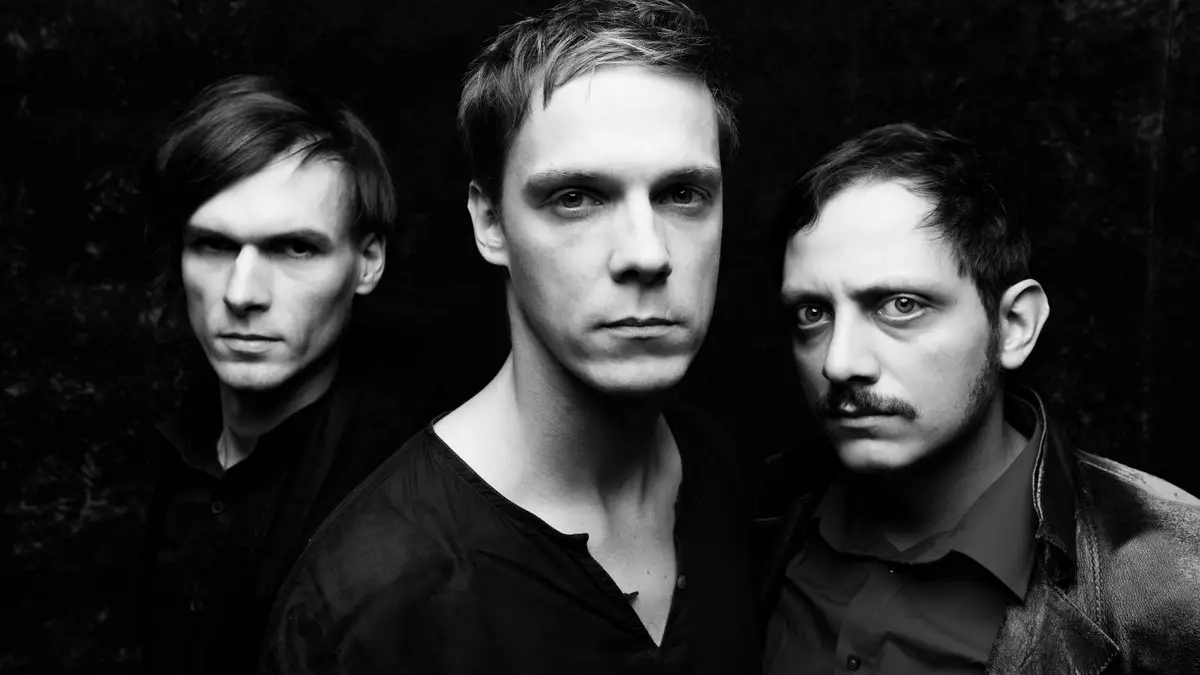
Rock history does not move in straight lines. Genres rise, fade from view, and then return refracted through new technology, different social conditions, and the ears of musicians who grew up with those sounds as part of their everyday listening. Today’s independent bands are not simply copying past eras; they are curating them, filtering familiar reference points through contemporary anxieties, digital production tools, and globalized scenes.
Within that cycle, two strands have proved especially durable: the head-expanding swirl of psychedelic rock and the stark, angular energy of post punk. On paper they seem like opposites — one expansive and hazy, the other tense and skeletal. Yet when artists understand both languages, the contrast becomes a strength rather than a conflict.
Mystery Art Orchestra are one of the most thoughtful newer bands working in that in-between space. At their core they are a post punk group: bass-forward, rhythm-obsessed, and emotionally direct. Around that core, they wrap atmospheric guitar tones, echoing vocals, and subtle studio effects that recall the more introspective side of psychedelic rock. The result is not a retro pastiche but a focused update that speaks fluently to listeners raised on playlists where Joy Division can sit next to Tame Impala without anyone blinking.
Understanding what Mystery Art Orchestra are doing requires a closer look at the roots of both psychedelic rock and post punk, and how those seemingly opposing traditions can inform a single, coherent sound.
Tracing the Roots: Psychedelic Rock and Post Punk Explained
Psychedelic rock emerged in the mid to late 1960s, when electric guitar bands began trying to translate altered states of perception into sound. The goal was not only to write songs but to shape an experience: to stretch time, blur edges, and make the recording studio feel like another instrument. Musicians leaned into long instrumentals, unconventional song structures, and textures that seemed to float beyond the confines of the three-minute single.
Sonically, psychedelic rock often features heavily treated guitars — think fuzz, wah-wah pedals, reverse reverb, and tape echo. Keyboards and early synthesizers add drones and swells. Vocals may be soaked in delay, doubled, or quietly seated in the mix to sound as if they are emerging from inside the music rather than sitting on top of it. Rhythm sections typically loosen their grip on rigid backbeats, allowing for rolling, hypnotic grooves. Even when tempos are brisk, the overall impression often feels unhurried and spacious.
This sound grew directly out of counter-cultural movements. Psychedelic rock often questioned authority, war, and conformity, but it did so less through blunt slogans and more through an invitation to step outside everyday reality. Lyrics could be dreamlike or abstract. Studio albums became journeys rather than simple collections of singles. The emphasis on experimentation also fostered a sense of community among musicians, engineers, and listeners, who all understood that this was not music designed for tidy radio formatting.
By the late 1970s, a different mood had taken hold. Economic crisis, urban decay, and political frustration demanded a more immediate, confrontational musical language. Punk arrived as a stripped-down shock to the system, pushing against both the extravagance of arena rock and the intricacy of progressive and psychedelic bands. Yet the story did not end with punk’s first blast of three-chord fury. Once that door was open, a second wave of musicians began exploring what might sit between punk’s raw urgency and the more exploratory impulses of earlier decades. That intersection gave rise to post punk.
Post punk, which developed roughly between 1977 and the mid-1980s, kept punk’s do-it-yourself ethos and emotional intensity but applied them with far more curiosity toward rhythm, texture, and structure. Rather than celebrate technical flash, post punk bands often favored minimalism and negative space. The bass took on a central role, driving songs with repeating lines that could be either starkly simple or unexpectedly melodic. Drums turned toward sharper, more mechanical grooves, borrowing from funk, disco, and dub. Guitars moved away from blues-based soloing and toward clipped chords, chiming arpeggios, and wiry patterns that sat between rhythm and melody.
Where psychedelic rock tended to expand songs outward, post punk often compressed them into tense, coiled forms. The production could be dry and close, putting the listener inside the rehearsal space, or cold and echoing, emphasizing alienation through reverb-drenched vocals and cavernous drums. Lyrically, post punk leaned into anxiety, politics, urban life, and personal dislocation. Singers alternated between half-spoken monologues and distressed melodic lines. The counter-cultural impulse remained, but the target shifted: rather than searching for transcendence, much post punk observed and critiqued the systems that shaped everyday existence.
Despite these differences, both psychedelic rock and post punk share important traits. Each emerged as a reaction to mainstream norms. Each made aesthetics and atmosphere central concerns, even if they pursued that goal through different means. And both genres have proved unusually adaptable, reappearing in new forms with every generation. Today’s artists often view them less as rigid categories and more as toolkits. Reverb, delay, looping, and other textural effects once associated with psychedelic rock can be easily layered onto the rhythmic discipline and stark emotional focus of post punk. The border between inward, dreamy soundscapes and outward, socially aware commentary has become porous.
It is within this shared space that Mystery Art Orchestra locate their work: a modern project that recognizes the power of post punk’s rhythmic economy while borrowing the atmosphere and sense of dimensional depth that psychedelic rock developed decades earlier.
A Modern Synthesis: The Sound of Mystery Art Orchestra
Mystery Art Orchestra operate first and foremost as a post punk band. This is clear in the way their songs often start: with a bass figure that sets both mood and motion. Rather than simply anchoring chord progressions, their bass lines tend to carry melodic weight, circling around a few carefully chosen notes while locking tightly with the kick and snare. The drums favor patterns that are steady yet nervy, emphasizing hi-hat and toms in ways that keep even mid-tempo tracks feeling like they are slightly on edge.
Over that rhythmic bed, their guitars avoid overdriven rock clichés. Instead, they oscillate between short, staccato shards and glassy, sustained notes. This approach owes as much to early post punk pioneers as it does to certain shoegaze and dream pop acts that arrived later, but Mystery Art Orchestra apply these ideas with restraint. Where some bands might fill every bar with strums or busy riffs, they leave space, allowing echoes and reverb tails to become part of the arrangement. This is one of the clearest ways their music channels psychedelic rock: not through lengthy solos or extended jams, but through an interest in how sounds decay and overlap.
The psychedelic influence also appears in the band’s use of effects and atmosphere. Guitars may pass through subtle phasers or flangers, creating a gentle sense of movement even when a single chord is held. Background vocals might be doubled with slight pitch or timing variations, giving choruses an almost hallucinatory shimmer without losing the underlying clarity of the lead line. Occasionally, short samples, reversed swells, or filtered noise appear at track openings and endings, functioning like a modern, understated counterpart to the tape experiments of late-60s studios.
Vocally, Mystery Art Orchestra’s delivery leans into the conversational directness of post punk while borrowing the distant, inward focus more typical of psychedelic recordings. The singer often sounds close to the microphone, with a dry, intimate tone during verses that foregrounds lyrical content: observations about disconnection, late-night city walks, fractured relationships, and the quiet dread of scrolling endlessly through curated lives online. When choruses arrive, the voice may suddenly widen with delay or subtle reverb, as if the inner monologue has slipped outward into a shared space. This interplay between close and distant, personal and collective, reflects the band’s broader aesthetic project.
Thematically, Mystery Art Orchestra avoid grand proclamations. Their songs rarely feel like manifestos. Instead, they capture fragments: half-overheard conversations on public transport, fleeting impressions of unfamiliar neighborhoods, the way a particular neon sign can trigger a memory. This observational writing style fits the post punk lineage, which has long valued specific detail over broad slogans. At the same time, the band’s interest in looping motifs and swirling textures gives those details a dreamlike quality. Reality is recognizable but slightly tilted, like a familiar room lit only by streetlights through blinds.
Importantly, Mystery Art Orchestra’s use of psychedelic rock elements does not turn their songs into sprawling, amorphous pieces. Structures remain tight. Verses, choruses, and bridges are clearly signposted, even when the transitions are smoothed by effects and atmospheric interludes. This discipline keeps the music grounded. Listeners who come for bass-driven, rhythmically precise post punk will find exactly that. Those who stay for the repeated listens will notice how carefully the band weaves extra layers at the edges of that framework, creating a sense of depth that reveals itself gradually.
In the current independent landscape, where countless releases compete for attention every week, this kind of deliberate synthesis stands out. Mystery Art Orchestra do not simply reference two beloved genres; they understand how each can sharpen the other. The central question behind their sound seems to be: how do you maintain the urgency and clarity of post punk while acknowledging that listeners now expect recordings to feel immersive, almost cinematic? Their answer is measured, understated, and all the more compelling for that restraint.
Current Releases and Live Performances
Like many contemporary independent bands, Mystery Art Orchestra recognize that recorded music and live performance feed into each other. Their studio work favors layered production choices that reward headphones, but on stage those same arrangements need to translate into something physical. Reports from early shows suggest that they approach this challenge with a clear strategy: keep the rhythmic center as tight as possible and let the atmospheric touches act as a frame rather than the focus.
In performance, the bass and drums drive the set, locking into patterns that feel both danceable and uneasy. Audience footage circulating online often shows crowds moving almost despite themselves, caught between the instinct to sway to the groove and the sense that the songs are always slightly off-balance. Guitars take on a more percussive role live, cutting through with sharper tones to compensate for the natural reverb of venues. Yet even in small clubs, the band retains some of the hypnotic qualities present on record, using pedals to create swells between songs and short transitions that keep momentum flowing.
For listeners interested in seeing how this plays out in person, the band maintains an updated schedule of club shows and festival appearances on their official site. Upcoming dates, ticket links, and occasional tour diaries can be found at the Mystery Art Orchestra Homepage. The site reflects their broader aesthetic: minimal design, a focus on essentials, and an avoidance of overly polished branding. This understated approach fits both the post punk lineage and their specific preference for substance over spectacle.
On the release side, Mystery Art Orchestra have embraced the current resurgence of physical formats without treating them as mere nostalgia. While streaming remains the primary way many listeners encounter new music, the band understand the appeal of owning a tangible object that represents a specific era in their development. Their records are available through their Bandcamp page, where fans can purchase LPs and CDs alongside digital downloads. Supporting them directly via Mystery Art Orchestra on Bandcamp aligns with a broader shift among listeners who want their money to reach artists more effectively than traditional royalty systems often allow.
The vinyl pressings reportedly pay close attention to artwork and layout. Visuals lean into muted color palettes, abstract patterns, and a slightly blurred aesthetic that echoes their musical balance between clarity and haze. Lyrics are often included in full, an important detail for a band whose writing style favors small, telling images over generalized statements. Owning a physical edition provides the opportunity to read and reflect on those lines at one’s own pace rather than relying on rapidly scrolling lyric sites or auto-generated subtitles.
Their latest single, "Going Under," acts as a concise statement of their current sound. The track opens with a dry, pulsing bass figure, soon met by a taut drum pattern that hints at both post punk’s nervous energy and modern indie rock’s polished tightness. Guitars arrive gradually, first as minimal chords tucked low in the mix, then as chiming lines treated with delay, panning left and right like circling thoughts. Vocals sit close during the verses, almost conspiratorial, as the lyrics trace the feeling of slipping beneath the surface of daily routines: the way small compromises and constant low-level stress can accumulate until they feel like a weight.
As the song builds toward its chorus, the production opens up. Reverb lengthens on the snare, and a subtle synth pad emerges behind the guitars, hinting at the psychedelic influences that set Mystery Art Orchestra apart from more strictly traditional post punk revival acts. The chorus itself does not explode; instead, it widens. The title phrase "going under" is repeated over a slightly rising chord change, while echo trails create a sense of being pulled downward and outward at once. It is hypnotic without losing rhythmic precision.
The video accompanying the single reinforces this mood. Shot with a restrained, almost documentary-like eye, it avoids obvious psychedelic tropes in favor of understated visual metaphors: flickering fluorescent lights, submerged reflections in city puddles, the band playing in what looks like a rehearsal space slowly overtaken by shifting shadows. Edits often match the song’s rhythmic accents, but transitions occasionally drag a frame longer than expected, mirroring the track’s interplay between propulsion and suspension. Viewers can see this approach first-hand via Watch "Going Under" on YouTube.
Across both their recordings and their shows, Mystery Art Orchestra present a coherent identity. They are not chasing viral moments or quick stylistic pivots. Instead, they are refining a particular intersection of post punk structure and psychedelic texture. For listeners seeking a band that treats live and studio contexts as parts of the same ongoing experiment, their current cycle of performances and releases suggests a group quietly building something with long-term resonance.
Community Discussion & Reviews:
Audience Reception and the Independent Music Scene
Mystery Art Orchestra’s emergence coincides with a moment when young listeners are increasingly comfortable moving across genre lines. Many fans in their twenties and thirties discover music through algorithmic playlists that pair legacy acts with new releases based on mood and texture rather than strict categories. In that environment, bands like Mystery Art Orchestra can speak simultaneously to listeners who recognize clear post punk markers and to those drawn simply to a certain emotional temperature: tense but reflective, dark but not hopeless.
Early reception has largely centered on word-of-mouth and scene-based discovery. Local shows, small festival slots, and support appearances for more established acts have helped them build an audience that crosses typical subcultural boundaries. It is not unusual to see metal shirts, vintage psychedelic prints, and minimalist streetwear side by side at their gigs, reflecting how their sound touches various taste communities without belonging exclusively to any single one.
Independent blogs and smaller music publications tend to highlight the band’s subtlety. Rather than framing them as another entry in a crowded post punk revival wave, writers often note their restraint and attention to dynamics. Reviews frequently mention how Mystery Art Orchestra avoid both the glossy maximalism that sometimes characterizes mainstream indie and the rigid austerity that can limit some darker post punk outfits. Instead, they occupy an in-between zone where songs can breathe without losing urgency.
On streaming platforms, metrics suggest slow but steady growth rather than overnight spikes. This pattern often correlates with artists whose work encourages full-album listening and repeat plays instead of quick playlist skims. Comments on tracks and social media posts reveal a recurring theme: listeners describe the music as something that initially attracted them through surface elements — a guitar tone here, a bass line there — and then gradually unfolded deeper layers over time. This kind of engagement is valuable in an era when many releases struggle to hold attention beyond a single chorus.
The band’s engagement with their audience reflects an understanding of contemporary independent culture. They maintain a presence on familiar platforms but avoid over-sharing or adopting a glossy influencer persona. Updates tend to focus on concrete matters: new shows, recording sessions, limited physical runs. When they do offer glimpses behind the scenes, they favor understated snapshots — cables running across studio floors, song titles on a whiteboard, stacks of test pressings — that emphasize process over spectacle. For fans disillusioned with overly curated online identities, this grounded approach can feel refreshing.
Their blend of genres also resonates with broader shifts in how younger listeners experience music history. Psychedelic rock and post punk are no longer distant, museum-like artifacts. They coexist with contemporary pop, rap, and electronic music in daily listening habits. When Mystery Art Orchestra incorporate a swirling, delay-heavy guitar phrase, many listeners may think less of specific bands from the 1960s and more of recent dream pop or neo-psychedelic acts. Similarly, when a track leans heavily on a driving bass line and stark drum pattern, it may evoke current darkwave or alternative dance music as much as early 1980s records.
In this context, the band’s careful synthesis provides a bridge between niche scenes. They are accessible enough for casual listeners who might arrive via a recommendation or algorithm, yet detailed enough to satisfy those who analyze production choices, gear setups, and historical references. That balance helps explain why Mystery Art Orchestra appear in playlists alongside both heritage acts and contemporaries: they can sit next to classic post punk tracks without sounding like pure imitation, and share space with modern psych-influenced bands without losing their own rhythmic identity.
Culturally, their approach also mirrors a common feeling among younger adults navigating present-day life. The post punk side of their sound captures unease, precarity, and the sense that structures around us are brittle. The psychedelic side hints at interior coping mechanisms: daydreaming, dissociation, small private escapes. By merging the two, Mystery Art Orchestra effectively soundtrack a mood where people recognize that something is off in the external world while also being deeply aware of their own inward spirals. That emotional accuracy may be one reason their audience response, though understated, feels loyal and engaged.
Frequently Asked Questions
Who are Mystery Art Orchestra, and where do they come from?
Mystery Art Orchestra are a contemporary independent band rooted in the post punk tradition, with members who have backgrounds in various local scenes rather than a single long-standing group. While they tend to keep individual biographies low-key, they are associated with a mid-size European city that has an active underground network of rehearsal spaces, DIY venues, and small labels. This environment provides regular opportunities to test new material live before recording, a factor that has shaped their tight arrangements and strong sense of dynamics.
Several members reportedly played in earlier projects ranging from garage rock to experimental electronica, which helps explain the band’s comfort with both direct song structures and more textural sound design. Over time, they converged around a shared interest in the tension and rhythm of post punk, combined with an attraction to the more atmospheric qualities of psychedelic and shoegaze-leaning music. Mystery Art Orchestra is the result of that convergence: a band intentionally built around a clear aesthetic rather than a casual extension of an earlier style.
How would you describe Mystery Art Orchestra’s genre blend in simple terms?
The most straightforward description is that Mystery Art Orchestra are a post punk band with a pronounced taste for psychedelic atmosphere. The foundation of their music lies in bass-forward, rhythmically driven songs that draw from the legacy of late-70s and early-80s acts. You hear it in the clipped drum patterns, the sparse but effective chord changes, and the lyrical focus on everyday tension and emotional ambiguity.
On top of that base, they incorporate elements often associated with psychedelic rock and related genres: guitar effects that create swirling or shimmering textures, delay and reverb treatments that widen choruses, and subtle studio manipulations that make transitions feel fluid rather than abrupt. Crucially, these touches remain supportive rather than dominant. The songs do not collapse into free-form jams or extended solos. Instead, psychedelic techniques are used to color the edges of concise structures, giving listeners a sense of depth and immersion without sacrificing clarity or forward motion.
What themes do Mystery Art Orchestra explore in their lyrics?
Lyrically, the band tends to focus on interior states placed against familiar urban and digital backdrops. Songs explore anxiety, repetition, alienation, and the numbing effects of constant connectivity. Yet the writing rarely adopts a lecturing tone or oversized metaphors. Instead, lyrics often hinge on small observations: the glow of a screen at 3 a.m., a familiar route suddenly feeling strange, the way a minor argument lingers in memory longer than expected.
Many tracks circle around the idea of feeling slightly out of phase with one’s surroundings. Characters drift through crowded spaces while remaining mentally withdrawn. Relationships are portrayed less as dramatic breakups and more as slow shifts in distance and understanding. Even when songs hint at political or social concerns, they usually do so through personal perspective — someone noticing how their own habits and thoughts have been reshaped by broader forces rather than directly naming those forces. This focus on lived experience over slogans connects strongly with listeners who recognize their own day-to-day unease in the details.
Where can new listeners start with Mystery Art Orchestra’s music?
For most new listeners, the single "Going Under" is an effective entry point because it captures the core aspects of the band in under four minutes. It showcases the tight rhythm section, the interplay between dry verses and expanded choruses, and the way psychedelic touches are integrated without overwhelming the song. The accompanying video, accessible via Watch "Going Under" on YouTube, also provides a visual sense of the band’s aesthetic: muted, slightly off-kilter, and grounded in recognizable environments rather than abstract visual effects.
From there, listeners who prefer a more immediate, guitar-forward experience might explore their other post punk-leaning tracks, where the bass and drums push harder and song structures stay very direct. Those interested in the atmospheric side may gravitate toward cuts that lean into slower tempos, layered guitars, and more prominent background vocals. Many listeners report that the band’s work functions well as full-album listening rather than isolated singles; repeated plays often reveal how songs are sequenced to create a subtle narrative arc, balancing tension and release over a longer timeline.
How active is the band in live performance, and how can fans keep track of shows?
Mystery Art Orchestra treat live performance as a core part of their identity, not an occasional obligation. They perform regularly in small to mid-sized venues and often join tour packages with stylistically sympathetic acts. Their sets tend to avoid heavy production tricks, focusing instead on playing with precision and allowing the inherent tension in their songs to carry the energy. Subtle use of lighting and projections appears in some contexts, but these choices remain secondary to the sound itself.
Fans interested in attending shows can find the most reliable information on the band’s official website, which lists upcoming dates, locations, and ticket links. This information is regularly updated on the Mystery Art Orchestra Homepage. Compared to social media posts that can be buried by algorithms, the site functions as a stable reference point for tour plans, one-off special performances, and festival appearances. Subscribing to mailing lists or RSS feeds, where available, can help dedicated listeners stay informed without relying solely on algorithm-driven timelines.
What role does Bandcamp and physical media play for Mystery Art Orchestra?
Bandcamp is central to how the band connects with supporters who want their contributions to matter. By offering their releases directly through Mystery Art Orchestra on Bandcamp, they benefit from a platform known for fairer revenue splits and a culture of listener generosity. Many fans choose to pay above the minimum price or purchase physical editions as a way of signaling support beyond streaming metrics.
Vinyl and CDs are not treated as novelty items but as extensions of the band’s creative vision. Artwork, layout, and packaging are approached with the same attention to detail present in their recordings. Limited pressings, colored variants, or hand-numbered editions sometimes appear, but the emphasis is less on collectability for its own sake and more on giving listeners an object that feels connected to the music’s mood. For a band so invested in texture and atmosphere, the tactile experience of handling a record sleeve or reading printed lyrics becomes another layer of engagement.
How does Mystery Art Orchestra fit into the broader revival of post punk and psychedelic influences?
Over the past decade, there has been a noticeable resurgence of interest in post punk’s aesthetic: angular guitars, driving bass lines, and emotionally ambivalent vocals have reappeared in numerous scenes around the world. At the same time, psychedelic elements — particularly in the form of lush guitar tones and expansive production — have filtered into everything from mainstream pop to underground hip-hop. Mystery Art Orchestra sit at the junction of these trends but avoid some of the clichés that can accompany them.
Unlike bands that adopt an almost costume-like approach to past eras, Mystery Art Orchestra draw on historical sounds without trying to recreate a specific time period. Their recordings use modern production clarity, and their songwriting acknowledges contemporary listening habits that favor concise, focused tracks. The band’s strength lies in recognizing that post punk and psychedelic rock are not museum pieces but living toolkits. By selectively combining the rhythmic discipline of the former with the spatial awareness of the latter, they contribute to an ongoing conversation rather than staging a retro reenactment.
For listeners and observers of the independent music scene, following Mystery Art Orchestra offers a way to track how younger artists continue to reinterpret familiar genres in a world that constantly recycles and recontextualizes cultural memory. Their work suggests that even in an era saturated with references, it is still possible to sound distinct by choosing influences thoughtfully and applying them with care.


