Pirelli stock trades steadily as earnings and dividend frame valuation
Published on 07/21/2026 at 14:44 | Editorial responsibility: Rafael Müller, Editor-in-Chief AD HOC NEWS
Pirelli & C. S.p.A. (ISIN IT0004623051) is one of the best-known names in premium tires, and Pirelli stock continues to draw attention from investors looking for exposure to the global automotive supply chain. The company is listed on Borsa Italiana in Milan and operates with a focus on high-end car and motorcycle tires, making its equity story closely tied to trends in mobility, vehicle production and replacement demand. For investors, the interplay between revenue growth, profitability and capital allocation remains central to how Pirelli stock is valued in the market.
In recent reporting periods, Pirelli has highlighted a strategy built on premium positioning, technology and a selective presence in key international markets. The company’s latest annual and quarterly figures underscore that its topline is supported by both original equipment business with automotive manufacturers and replacement tires sold through retail channels. At the same time, management has emphasized cost discipline and efficiency measures designed to support margins, particularly in an environment where raw material and energy costs have been volatile. This operational backdrop is an important lens through which investors analyze Pirelli stock and its prospects.
Revenue trends and margin focus
Pirelli’s published financial information shows that the group generates billions of euros in annual revenue from tire activities, with a significant share coming from high-value tires designed for premium and prestige vehicles. In its recent annual report, the company pointed to growth in volumes in the high-value segment, supported by the continued rollout of new models and a focus on larger rim sizes. This mix shift is strategically important because higher-value tires generally carry better margins than standard products, and it reinforces why the premium strategy matters for Pirelli stock over the medium term.
The company’s operating performance is closely tracked through metrics such as earnings before interest and taxes (EBIT) margin and adjusted profitability indicators. Pirelli has made clear in its investor communications that margin resilience is a priority, especially as it navigates macroeconomic uncertainties and varying demand patterns in different regions. For shareholders, this means that Pirelli stock is often judged not only on revenue growth but also on how effectively the company can convert that growth into sustained profits and cash flow.
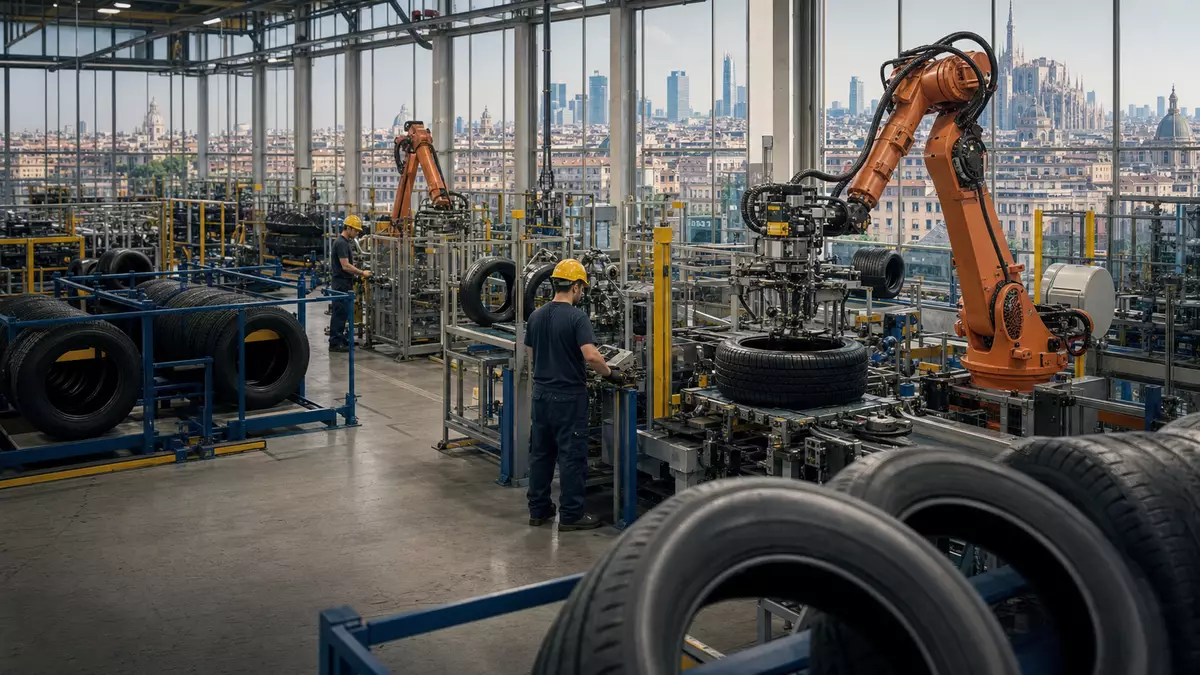
In practical terms, Pirelli’s management has spoken about optimizing its industrial footprint, investing in automation and innovation, and carefully managing price and product mix. These levers are designed to support operating margin stability even when external factors like raw material prices or currency movements create headwinds. Consequently, the perceived quality of Pirelli stock is closely linked to these operational decisions and their impact on reported margins.
Balance sheet, cash flow and dividend considerations
Beyond the income statement, investors in Pirelli stock pay attention to the company’s balance sheet and cash generation. The tire business is capital-intensive, requiring ongoing investments in plants, equipment and research and development. Pirelli has stressed the importance of maintaining a disciplined approach to capital expenditure while ensuring that it can support innovation and capacity where needed. This helps to underpin long-term competitiveness without putting undue strain on leverage metrics.
Cash flow from operations, after working capital movements, is a key indicator of how much financial flexibility Pirelli has to fund investments, reduce debt or return capital to shareholders. In recent periods, the company’s ability to generate operating cash has been supported by its high-value positioning and focus on efficiency. This cash-flow profile is an important part of the case for Pirelli stock as a potential income and growth vehicle, depending on an investor’s risk appetite.
Pirelli also pays dividends, and its dividend decisions reflect both earnings performance and a broader capital allocation framework. The company has communicated payout parameters that consider profitability, leverage and investment needs. For investors, the dividend yield associated with Pirelli stock can be an additional attraction, provided that the payout is perceived as sustainable relative to underlying cash generation.
Positioning in the global tire market
Pirelli operates in a competitive global tire market that includes large multinational peers and regional players. Its strategic focus on premium and prestige segments differentiates it from some competitors that are more heavily exposed to mass-market or budget tires. This positioning is central to how Pirelli stock is evaluated, since it influences the company’s pricing power, brand strength and margin structure.
The company maintains relationships with leading automobile manufacturers as an original equipment supplier, securing fitments on models that emphasize performance and luxury. These relationships can reinforce brand visibility and act as a channel for future replacement tire sales, as customers often seek the same brand for replacements that were fitted on their vehicles at the factory. For shareholders, this integration into the premium automotive ecosystem is one of the reasons Pirelli stock can be seen as a way to participate in higher-end mobility trends.
At the same time, Pirelli is exposed to regional demand dynamics in Europe, Asia, North America and other territories. Economic conditions, vehicle registration trends and regulatory developments around fuel efficiency and emissions can all influence tire demand. The company’s geographic diversification and product portfolio help mitigate single-market risk, and investors often look at these factors when assessing the risk profile embedded in Pirelli stock.
Technology, sustainability and product innovation
Pirelli has long emphasized technology and innovation as pillars of its strategy. The company invests in research and development to create tires that deliver performance, safety and efficiency. These efforts span tread design, compound formulation, structural engineering and integration with modern vehicle systems, including those found in electric and hybrid cars. This technology focus contributes to the perceived quality of Pirelli stock, as it suggests a commitment to staying ahead of evolving mobility requirements.
Sustainability is another area of attention. Pirelli communicates initiatives aimed at reducing environmental impact, optimizing resource use and aligning with broader ESG expectations. This includes efforts around sustainable materials, energy efficiency in manufacturing and life-cycle considerations for tires. For some investors, these aspects form part of a wider evaluation of Pirelli stock within ESG frameworks.
On the product side, Pirelli’s portfolio includes tires designed for different seasons, performance levels and vehicle types. Flagship lines for high-performance cars, specialized products for electric vehicles and solutions for SUVs and motorcycles all contribute to overall revenue. The breadth and depth of this portfolio give Pirelli multiple levers to adapt to changes in consumer preferences and regulatory standards.
Tire segment as a revenue driver
The tire segment is the core revenue driver for Pirelli and therefore the main engine behind the performance of Pirelli stock. Passenger car tires, particularly in the high-value category, account for a substantial share of sales, while motorcycle and bicycle products add diversification. The focus on larger rim sizes, performance characteristics and premium branding supports pricing power and potentially higher unit margins than lower-tier products.
The company’s collaboration with motorsport, including involvement in racing series, can also enhance brand recognition and support premium positioning. High-performance tires tested in demanding conditions can translate into consumer products marketed on the basis of proven technology. For investors, this link between motorsport exposure and commercial products adds another dimension to the narrative around Pirelli stock.
As the global vehicle fleet evolves, with more electric and hybrid models, Pirelli’s ability to deliver tires that meet new technical requirements will be a factor in future revenue prospects. Tires for electric vehicles may have different performance and durability parameters, and developing solutions for this segment is part of the company’s innovation agenda. How effectively Pirelli captures these emerging opportunities will influence medium-term growth expectations for Pirelli stock.
Pirelli tires in the premium car segment
Pirelli’s presence in the premium car segment is a defining feature of its business model. The company supplies tires to high-end manufacturers and positions its products as part of a broader performance and luxury experience. This positioning supports the perception that Pirelli tires are engineered to meet demanding standards for grip, handling and comfort.
From an investor’s standpoint, the strength of Pirelli’s relationships with premium carmakers and its ability to maintain preferred supplier status are important indicators of future stability. Repeat business in original equipment, combined with a strong replacement tire franchise, can deliver recurring revenue flows that underpin valuations for Pirelli stock.
In everyday driving, Pirelli tires aim to balance safety, performance and durability. The company’s marketing efforts emphasize technology transfer from motorsport to road products, reinforcing a narrative that appeals to enthusiasts and premium car owners. This helps to sustain brand equity, which in turn can support pricing levels and margins that are relevant to investors tracking the profitability of Pirelli stock.
Shares and market perception
Pirelli stock represents an equity exposure to the premium tire segment with global reach. The market’s perception of the company is influenced by its financial performance, strategic decisions and broader sector conditions. While individual share-price movements depend on daily trading, news flow and investor sentiment, the underlying fundamentals, including revenue streams and profitability, provide the longer-term context in which the stock is assessed.
Analysts and investors monitoring Pirelli typically consider the interplay between cyclical factors in the automotive sector and structural trends such as premiumization, electrification and regulatory changes. Pirelli’s focus on higher-end tires places it in a somewhat differentiated position compared to peers that may be more exposed to lower-margin segments. This differentiation is part of the reason why Pirelli stock can appeal to investors who are specifically interested in premium automotive components.
Ownership structure, governance practices and strategic partnerships also form part of the narrative around Pirelli stock. The company’s ability to align shareholder interests with long-term strategic priorities, while managing operational risks, contributes to the overall assessment of its equity story.
Fact box and trading overview
Pirelli & C. S.p.A. is headquartered in Milan and trades on Borsa Italiana under ISIN IT0004623051. The company’s stock is associated with the broader Italian equity market and can be included in relevant local indices, reflecting its role as a notable industrial and automotive-related issuer. For investors, understanding the trading venue and index context provides additional information about liquidity and benchmark relationships.
When examining Pirelli stock, investors may look at metrics such as market capitalization, free float and average daily trading volumes to gauge liquidity and market depth. These factors influence how easily positions can be entered or exited and can affect the suitability of the stock for different types of portfolios. While specific real-time values change with market conditions, the structural context of Pirelli as a listed Italian industrial company remains a constant backdrop.
In summary, Pirelli’s identity as a premium tire manufacturer, its focus on high-value products and its strategic initiatives around innovation and efficiency all feed into the way its stock is perceived and valued. For shareholders, the ongoing balance between growth, profitability, cash generation and dividend decisions will remain central to assessing the company’s trajectory.
Pirelli tire portfolio and customers
Beyond the financial metrics, the commercial strength of Pirelli’s tire portfolio plays a key role in supporting the investment case for Pirelli stock. The company serves a diverse customer base that includes car manufacturers, dealers, tire retailers and end consumers. Its product catalogue covers summer, winter and all-season tires, as well as specialty lines tailored to performance driving and specific vehicle categories.
Customers in the premium segment often seek tires that align with the performance characteristics of their vehicles, and Pirelli’s brand positioning aims to meet these expectations. The company’s work with vehicle manufacturers on homologation and performance testing is important to ensure that tires are optimized for particular models. These efforts strengthen Pirelli’s role in the value chain and support the perception of quality associated with Pirelli stock.
Looking ahead, shifts in consumer behavior, mobility patterns and regulatory frameworks will continue to shape demand for tires. Pirelli’s ability to anticipate and respond to these changes with appropriate products and services will be a factor in the long-term performance of its business and, by extension, the attractiveness of Pirelli stock as an investment.
Stock context and investor perspective
Pirelli stock offers exposure to a mix of cyclical and structural themes in the automotive and mobility sectors. On the one hand, tire demand is influenced by economic cycles, vehicle sales and fleet utilization. On the other hand, structural drivers such as premiumization, electrification and regulatory standards promote ongoing innovation and differentiation. Pirelli’s strategic focus on high-value tires places it at the intersection of these dynamics.
For portfolio managers and individual investors, Pirelli stock can be evaluated in terms of risk-return characteristics, sector allocation considerations and diversification benefits. The company’s geographic spread and product mix provide multiple sources of revenue, while its specialization in premium tires creates a distinct profile compared to more broadly diversified industrials. These factors may influence how Pirelli stock fits into different investment strategies.
As with any equity, the outlook for Pirelli stock will depend on future developments in its business, including execution on strategic priorities, responses to competitive pressures and adaptation to technological and regulatory change. Investors will continue to monitor how the company’s financial and operational performance aligns with their expectations and with broader market conditions.
Pirelli company snapshot
- Company: Pirelli & C. S.p.A.
- ISIN: IT0004623051
- Ticker: BIT: PIRC
- Trading venue: Borsa Italiana
- Sector / Industry: Consumer Discretionary / Tires and Rubber
- Index membership: FTSE MIB
Disclaimer regarding our articles: No investment advice, no buy or sell recommendation. Information on prices, companies, and markets is provided without guarantee; changes are possible at any time. Stock market transactions can lead to substantial losses. Our articles are created and reviewed in whole or in part automatically with the support of AI.