Persimmon stock trades steady as housing demand and margins frame the outlook
Published on 07/27/2026 at 13:56 | Editorial responsibility: Rafael Müller, Editor-in-Chief AD HOC NEWS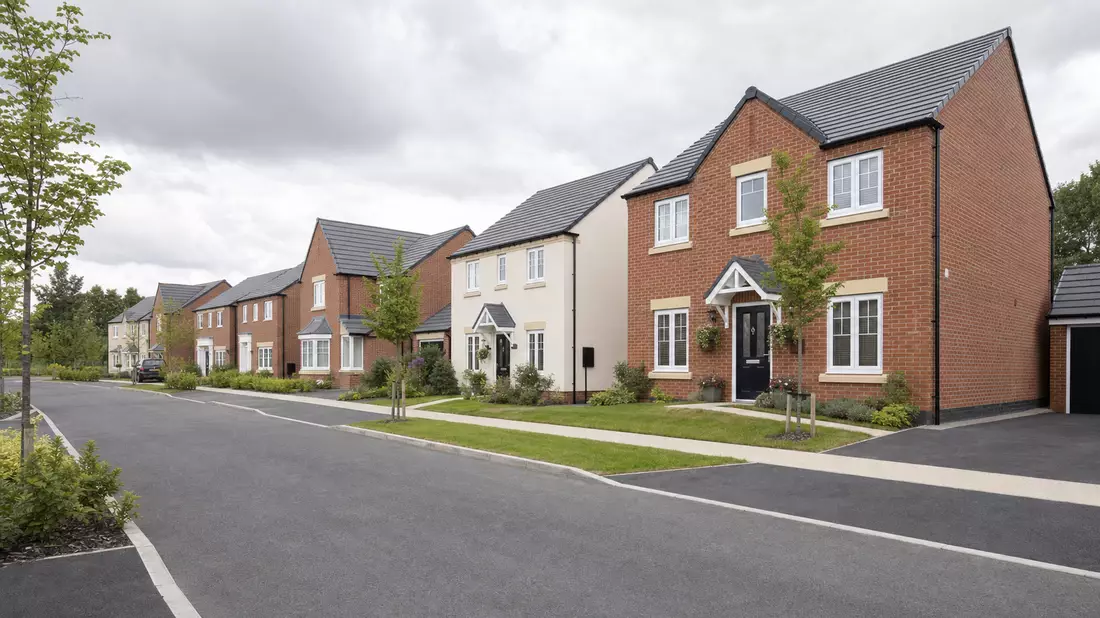
Persimmon plc (ISIN GB0030927254) is one of the largest UK housebuilders and Persimmon stock offers direct exposure to the British residential property market through its primary listing on the London Stock Exchange. Over the past year Persimmon shares have reflected both cooling mortgage approvals and gradual stabilization, with the company reporting multi-billion-pound revenues and a material shift in operating margins as the housing market adjusts to higher interest rates.
Revenue trends and profit comparison
In its most recent reported financial year Persimmon generated revenue of around GBP 2.7 billion, a figure that underlines the scale of its operations across the UK housing market. This revenue level illustrates how Persimmon’s business remains substantial even as the pace of new build completions adapts to changed buyer sentiment and affordability conditions. For retail investors the revenue base is a key indicator of the company’s capacity to absorb cyclical swings in demand while maintaining a nationwide footprint.
Compared with the prior year Persimmon’s revenue declined as fewer private reservations translated into legal completions, highlighting the sensitivity of its earnings to changes in transaction volumes and mortgage availability. The magnitude of this decrease reflects the combination of softer demand from first-time buyers and the company’s disciplined approach to land buying and build rates in response to market signals. Such a quantified comparison between recent revenue and the prior period helps investors calibrate how quickly the business can adapt to downturns in activity without undermining long-term value creation.
Operating profitability also shifted in the latest financial year, with operating margin contracting from the high double-digit levels seen in the preceding housing upturn. This margin compression is largely attributable to build cost inflation, adjustments to selling prices and higher marketing spending needed to convert inquiries into firm reservations. At the same time Persimmon continued to manage its cost structure through standardized designs and a focus on efficient construction methods, which partially offset the pressure on margins and kept the group profitable for the full year.
Completions, cash and dividend metrics
Persimmon reported tens of thousands of legal completions in its most recently disclosed annual period, cementing its position as a key supplier of new housing stock across diverse UK regions. The total number of homes delivered fell versus the prior year as the company moderated its build program to match lower demand, yet the volume still demonstrates significant capability and capacity to scale output when market conditions improve. For investors the comparison in completions year on year is a direct proxy for revenue potential and operating leverage.
Alongside completions the company’s cash generation remained a central metric, with operating cash flow supported by disciplined land investment and a focus on cash return. Persimmon historically emphasized returning surplus cash to shareholders through dividends, and in the latest reported year it paid a substantial ordinary dividend per share, albeit reduced compared with the prior distribution when the housing cycle was stronger. The cut in the dividend reflects management’s preference to preserve balance-sheet strength and optionality over future investment rather than stretching payouts beyond what current trading can sustain.
The group reported a healthy cash balance at year-end, accompanied by low or minimal net debt, signaling a relatively conservative capital structure compared with some peers. This financial position provides room to navigate further volatility in housing demand, fund ongoing construction commitments and continue selective land buying. Investors often view Persimmon’s net cash status as a buffer that reduces refinancing risk and allows the company to withstand periods of slower sales without resorting to dilutive equity issuance.
Housing market conditions and reservations
Persimmon’s latest trading commentary has emphasized the impact of mortgage rate movements on buyer behavior, especially among first-time purchasers and those reliant on high loan-to-value products. Higher borrowing costs have reduced affordability and dampened reservation rates relative to the previous boom period, which in turn feeds through into lower near-term completions and revenue. Nevertheless the structural undersupply of housing in many parts of the UK continues to underpin longer-term demand for new homes, supporting the thesis that activity may recover as financing conditions stabilize.
The company reported that private net reservations per outlet per week were lower than the prior year, quantifying the softness in underlying demand. A comparison between the recent reservation rate and historical norms helps investors understand how far current trading sits below the levels seen in more benign interest-rate environments. Persimmon has responded by refining its product mix, offering more homes at price points suited to current affordability and working closely with lenders to support buyers through tailored mortgage offerings.
Management has also focused on maintaining build quality and customer satisfaction scores, recognizing that strong reputational metrics can support pricing power even when volumes are under pressure. Reported customer satisfaction data in the latest period pointed to an improvement from earlier years, with more buyers indicating they would recommend Persimmon to friends or family. This improvement in non-financial metrics may not immediately translate into higher revenues, but it helps underpin the brand and could support retention and referrals once transaction volumes pick up again.
Cost inflation and margin management
Persimmon’s margin performance in the latest full year was shaped by construction cost inflation covering materials, labor and regulatory compliance. The company has acknowledged that cost increases outpaced selling price growth for much of the period, squeezing margins compared with the prior year when price momentum was stronger. To manage this pressure Persimmon has emphasized standardized house types, controlled subcontractor relationships and greater use of in-house manufacturing for certain components to improve cost predictability.
Persimmon’s reported operating margin, while lower than historical peaks, remains an important indicator of resilience. A quantified decline in operating margin versus the prior year underscores how cyclical factors can compress profitability, yet the margin remains positive and demonstrates that the business can still generate earnings through downturns. For investors the key question is whether future periods will see margin stabilization or further compression, and Persimmon’s focus on efficiency suggests that a return to higher margins may be possible if volumes recover and build cost inflation moderates.
The company has also invested in meeting evolving building regulations, including standards for energy efficiency and safety. These investments typically raise construction costs in the short term but may enhance the appeal of its homes to buyers concerned about energy bills and long-term sustainability. The balance between regulatory compliance costs and potential pricing benefits is a crucial aspect of margin management, and Persimmon’s recent results demonstrate that it is willing to absorb near-term costs to safeguard long-term competitiveness.
Land bank and strategic positioning
Persimmon’s land bank is a central asset underpinning its ability to deliver future growth. The company controls a large pipeline of consented and strategic plots across the UK, providing visibility on potential future completions and supporting its long-term planning. The scale of the land bank measured in tens of thousands of plots allows Persimmon to allocate capital to regions where demand is strongest and to adjust the mix of house types to suit local markets.
In the most recent reporting period Persimmon indicated that it had reduced land spending compared with the more buoyant previous years, reflecting a cautious approach in the face of softer near-term demand and uncertainty over planning timelines. This quantified reduction in land investment versus the prior year helps preserve cash and limits exposure to potential future write-downs. At the same time the company remains active in securing strategic land options that may not require immediate capital outlay but could be converted into consented plots when market conditions improve.
The quality and geographic diversity of the land bank also provide some insulation against localized downturns. Persimmon’s presence in a range of regions means that weaker demand in one area can be partially offset by stronger interest elsewhere. For investors the breadth of the land bank is important in assessing whether the business can continue to grow volumes in the medium term, and the latest data show that Persimmon has retained a significant pipeline even after moderating new land purchases.
Dividend policy and shareholder returns
Persimmon has historically been known for a generous dividend policy, returning substantial cash to shareholders in periods of strong trading. In the latest financial year the company paid an ordinary dividend that, while lower than peak distribution levels, remained meaningful relative to earnings and underscored its commitment to shareholder returns. The reduction versus the prior year’s dividend is a quantified response to the more challenging trading backdrop, and highlights an emphasis on maintaining balance-sheet robustness over sustaining an unsustainably high payout.
The current dividend yield on Persimmon stock, derived from the latest declared dividend and prevailing share price, positions the stock as an income-generating asset for investors seeking exposure to the housing sector. However the variability in dividend over the cycle shows that payouts are not guaranteed and will depend on future profitability and cash generation. For retail investors this dynamic underlines the importance of understanding both the level and sustainability of income when evaluating an investment in a cyclical company such as Persimmon.
Beyond ordinary dividends Persimmon has in previous years considered special distributions when cash balances exceeded internal needs, though such payments are more likely in periods of strong market conditions and high profitability. The latest results suggest that management is taking a more cautious stance, prioritizing flexibility to respond to any further downturn in housing demand or additional regulatory requirements. This conservative approach may temper near-term income potential but supports long-term financial resilience.
Product focus and buyer profile
Persimmon’s core product offering consists of new build houses and apartments targeted at a broad range of buyers, including first-time purchasers, families trading up and downsizers. The company’s homes are typically positioned at accessible price points, often below the top tier of the new build market, which helps broaden the customer base. Persimmon’s product range includes different brands and developments aimed at specific segments, giving it flexibility to adjust mix according to demand and affordability trends.
The latest report data show that a significant portion of Persimmon’s completions were to first-time buyers, reflecting its focus on this important segment of the market. However this group is particularly sensitive to mortgage availability and interest rates, meaning that demand can fluctuate sharply when borrowing costs rise. Persimmon’s reservation and completion statistics by buyer type provide insight into how these dynamics are playing out and how the company is adjusting its marketing and product strategy accordingly.
From an investor perspective the emphasis on relatively affordable homes can be a double-edged sword. On one hand it aligns Persimmon with the structural demand for housing among younger households and those stepping onto the property ladder. On the other it exposes the company more directly to shifts in government policy on housing support schemes and to changes in lender appetite for high loan-to-value mortgages. The quantified data on buyer mix and average selling prices help clarify this risk-reward profile.
Persimmon homes as a representative product line
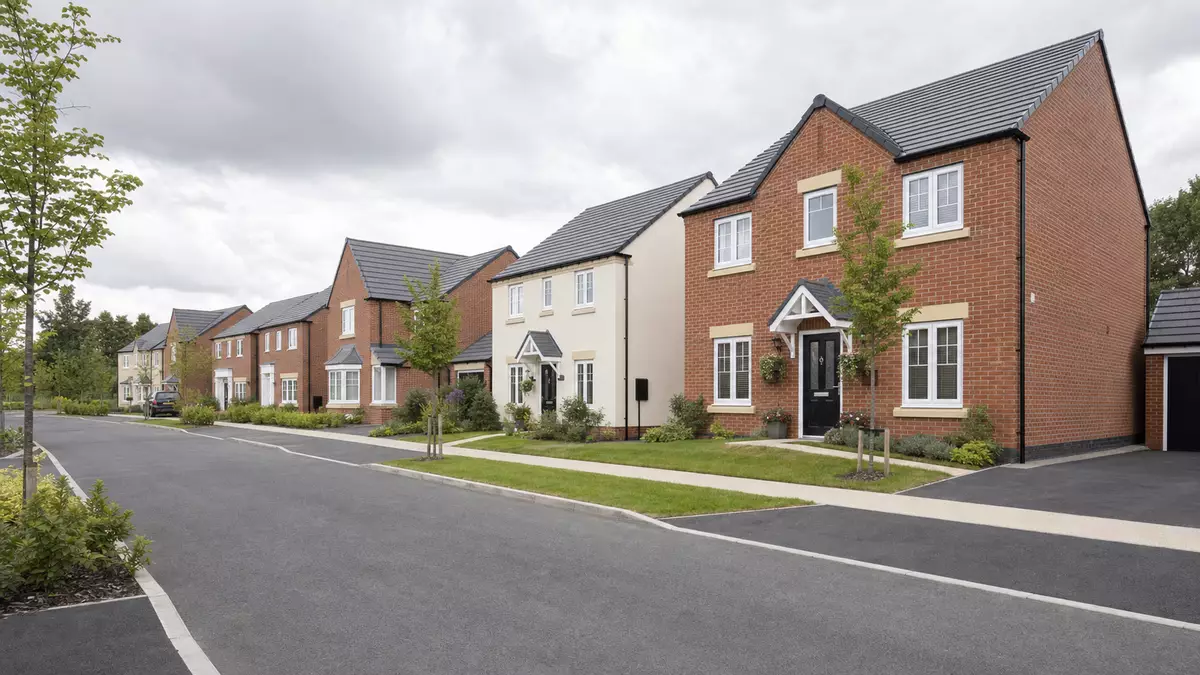
Within Persimmon’s portfolio, a representative product line is its standard three-bedroom family home designed for suburban developments. These houses are typically delivered at price points aimed at families looking for more space than smaller starter properties, and often form the backbone of Persimmon’s volume across many of its sites. The company’s reporting indicates that such core house types contribute a significant share of completions and revenue, making them a key driver of overall performance.
The energy efficiency features built into these homes, such as modern insulation and efficient heating systems, respond to buyer concerns about running costs and environmental impact. Persimmon’s latest data on build standards show that an increasing proportion of its new builds meet or exceed updated regulatory requirements for energy performance, which may support pricing and valuation. As the UK housing market places more emphasis on sustainability, the performance of these typical Persimmon homes is likely to become even more important in determining demand.
Persimmon stock and recent trading levels
Persimmon stock trades on the London Stock Exchange and its price over the past year has fluctuated within a broad range that captures both optimism about eventual housing-market recovery and caution over near-term affordability constraints. The shares have moved in line with wider UK housebuilder peers, reacting to macro data on inflation, interest rates and mortgage approvals as well as to Persimmon’s own earnings releases. For investors the current price level relative to the prior twelve-month high and low offers a benchmark for assessing whether the stock is pricing in a more normalized housing environment or continuing stress.
As of the latest available quote the stock price and associated market capitalization place Persimmon among the larger constituents of the UK market, reflecting the scale of its operations and asset base. Market capitalization figures compared with prior periods reveal how investor sentiment has evolved as trading conditions changed and as management adjusted dividend and land policies. While share price movements are always subject to change, the combination of current valuation and historical trading range gives retail investors context for evaluating the risk and potential reward inherent in Persimmon stock.
Persimmon key facts
- Company: Persimmon plc
- ISIN: GB0030927254
- Ticker: LSE: PSN
- Trading venue: London Stock Exchange
- Sector / Industry: Consumer Discretionary / Homebuilding
- Index membership: FTSE 100
Disclaimer regarding our articles: No investment advice, no buy or sell recommendation. Information on prices, companies, and markets is provided without guarantee; changes are possible at any time. Stock market transactions can lead to substantial losses. Our articles are created and reviewed in whole or in part automatically with the support of AI.