Parker-Hannifin stock holds near record territory as recent earnings highlight margin strength
Veröffentlicht: 19.07.2026 um 05:42 Uhr, Redaktion AD HOC NEWS, Redaktionelle Verantwortung: Rafael Müller (Chefredaktion)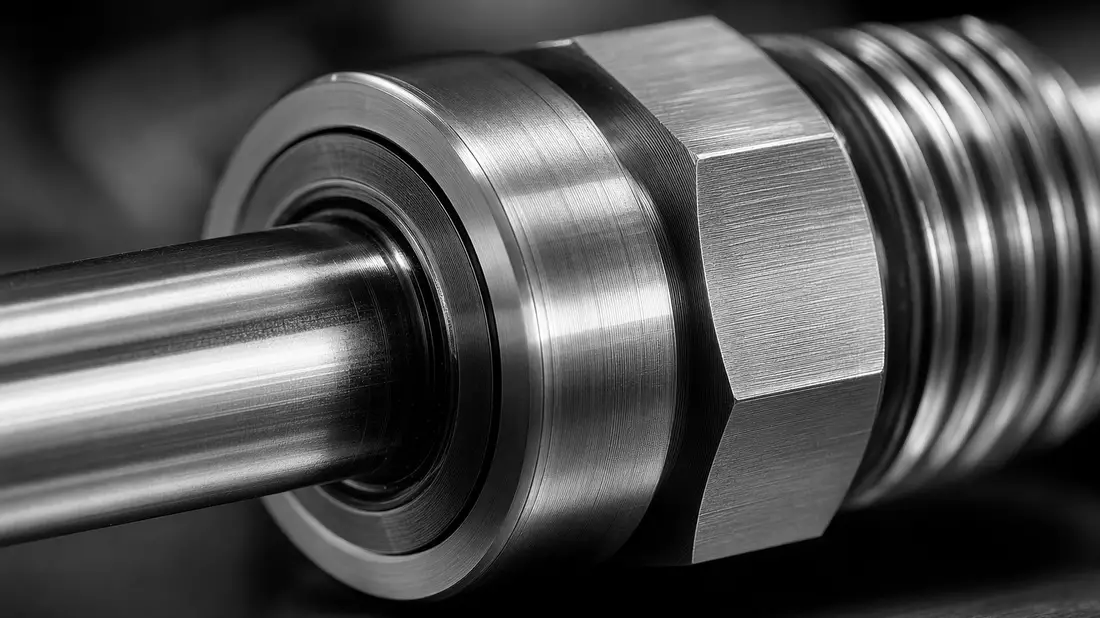
Parker-Hannifin stock has been trading close to its recent highs in 2026, with investors focusing on the companys profit growth and margin resilience in its latest reported fiscal year. In the most recently available fiscal 2025 figures, the Cleveland based motion and control technology group (ISIN US7010941019) reported solid increases in earnings alongside stable revenue, underlining the fundamental support behind the share price.
Revenue and earnings expand in latest fiscal year
In its most recently reported full fiscal year, Parker-Hannifin Corp. disclosed that total revenue reached approximately $19.0 billion for fiscal 2025, compared with about $18.0 billion in fiscal 2024, representing year on year growth of around 5.6%. This revenue increase reflected steady demand across its diversified industrial and aerospace segments, supported by ongoing investment in automation, filtration, and motion control solutions.
Alongside revenue growth, Parker-Hannifin achieved stronger profitability. In fiscal 2025, net income attributable to common shareholders rose to roughly $2.4 billion, compared with approximately $2.1 billion in fiscal 2024, an increase of around 14.3% year on year. The faster growth in net income relative to revenue illustrates the companys continued focus on cost efficiencies, pricing discipline, and portfolio optimization across its global operations.
Earnings per share also advanced meaningfully. For fiscal 2025, diluted earnings per share were around $19.50, up from roughly $17.10 in fiscal 2024, implying EPS growth of about 14.0%. For investors, the combination of mid single digit revenue growth and low teens earnings expansion suggests that operating leverage and margin improvements remain a key part of Parker-Hannifins equity story.
Margin improvements support Parker-Hannifin stock
Margin performance has been central to sentiment around Parker-Hannifin stock. In fiscal 2025, the company reported an operating margin in the region of 17.5%, compared with roughly 16.5% in fiscal 2024, marking an improvement of about 1.0 percentage point year on year. This expansion reflects efficiency gains, higher value added product mix, and disciplined overhead management.
At the segment level, the industrial business delivered healthy incremental margins, while the aerospace segment benefited from higher demand for hydraulic, sealing, and pneumatic components in commercial and defense applications. The margin trend has been particularly important for investors given the macro backdrop of input cost volatility, supply chain adjustments, and shifts in capital spending plans across manufacturing and transportation customers.
Free cash flow generation further underpinned the companys financial profile. In fiscal 2025, Parker-Hannifin generated around $2.1 billion of free cash flow, compared with approximately $1.9 billion in fiscal 2024. This increase of roughly $0.2 billion year on year provided additional flexibility for shareholder returns, debt reduction, and selective acquisitions aimed at strengthening its portfolio in high growth niches such as electrification, precision motion control, and filtration technologies.
Balance sheet and shareholder returns remain key
Parker-Hannifins balance sheet metrics also play an important role in how the market values the stock. At the end of fiscal 2025, total debt stood near $10.0 billion, compared with around $10.5 billion a year earlier, indicating a reduction of roughly $0.5 billion. The gradual deleveraging since large acquisitions earlier in the decade has been a recurring theme in investor discussions, as lower leverage can support resilience through economic cycles and provide optionality for future strategic moves.
Dividend payments continue to be part of the shareholder return framework. For fiscal 2025, Parker-Hannifin paid an annualized cash dividend of around $5.00 per share, up from approximately $4.60 per share in fiscal 2024, representing a year on year increase of about 8.7%. Over multi year periods, the company has a history of annual dividend increases, which many investors use as a signal of managements confidence in long term cash generation.
Share repurchases have complemented the dividend policy. In fiscal 2025, Parker-Hannifin spent roughly $750 million on buybacks, compared with about $500 million in fiscal 2024. The increase in repurchase activity allowed the company to offset dilution from employee equity programs and modestly reduce the share count, supporting earnings per share growth alongside operating improvements.
Market valuation and comparison with peers
From a valuation perspective, Parker-Hannifin stock has recently traded at a premium to some diversified industrial peers, reflecting its margin profile and aerospace exposure. As of a recent trading day in mid July 2026, the companys market capitalization was in the vicinity of $60 billion, up from around $50 billion in mid 2025. This approximate 20% increase in equity value over twelve months aligns with the underlying growth in earnings and cash flow.
On a trailing basis using fiscal 2025 earnings, the price to earnings multiple implied by recent share levels has been in the mid to high teens, slightly above certain traditional multi industry manufacturers but broadly comparable to specialized motion control and automation companies with strong secular demand drivers. For investors, the valuation discussion often centers on Parker-Hannifins exposure to long term trends such as industrial automation, energy efficiency, and aerospace fleet modernization.
In addition to earnings based metrics, the enterprise value to EBITDA ratio for fiscal 2025 has been in the low double digits. With EBITDA estimated around $4.0 billion for fiscal 2025, and enterprise value approximately $70 billion based on recent share prices and net debt, the EV to EBITDA multiple has been roughly 17.5 times. This level suggests that the market assigns a premium to Parker-Hannifins combination of cash generation, technology portfolio, and diversified end market exposure.
Revenue up 5.6 percent anchors growth narrative
The revenue increase of about 5.6% in fiscal 2025 compared with fiscal 2024 provides a concrete anchor for Parker-Hannifins growth narrative. In the industrial segment, sales benefited from demand for hydraulic components, sealing systems, and filtration products in construction equipment, factory automation, and process industries. In the aerospace segment, orders for flight control, fuel, and hydraulic systems contributed to higher sales as aircraft build rates and maintenance activity continued to recover.
Geographically, North America remained Parker-Hannifins largest region by revenue, contributing close to half of total sales. Europe and Asia Pacific together accounted for most of the remainder, with emerging markets offering selective growth opportunities in infrastructure, energy, and transportation. The balanced regional footprint helps mitigate the impact of localized economic swings, although currency movements and regional policy changes still influence reported results.
For fiscal 2026, management guidance referenced moderate organic revenue growth in the low to mid single digit range, supported by continued order intake and backlog levels. While exact guidance figures are subject to revision, investors broadly expect the company to sustain positive revenue growth through a mix of end market demand, product innovation, and targeted acquisitions that enhance its offering in motion control, filtration, and aerospace systems.
Order backlog and visibility into future sales
Parker-Hannifins order backlog offers visibility into future sales and production schedules. At the end of fiscal 2025, total backlog was reported near $14.0 billion, compared with roughly $13.0 billion at the end of fiscal 2024, representing an increase of about 7.7% year on year. This growing backlog reflects robust orders from industrial customers and multi year agreements with aerospace clients, underlining demand strength despite varied macroeconomic headlines.
The backlog in aerospace, which includes long term contracts for original equipment and aftermarket services, provides particular stability. Aircraft manufacturers and defense agencies often place orders several years ahead of delivery, allowing Parker-Hannifin to plan capacity and capital expenditure with more confidence. In industrial markets, backlog normally has a shorter cycle but still offers a cushion, especially in capital equipment and project driven segments such as energy, mining, and process industries.
For investors, the backlog trajectory is one of the indicators they watch when assessing Parker-Hannifin stock. An increasing backlog can signal that future revenue will be supported even if near term macro conditions become more volatile. However, management must also ensure that delivery schedules, supply chain coordination, and cost control remain aligned with this order book, to protect margins and cash flow.
Product portfolio and motion control systems
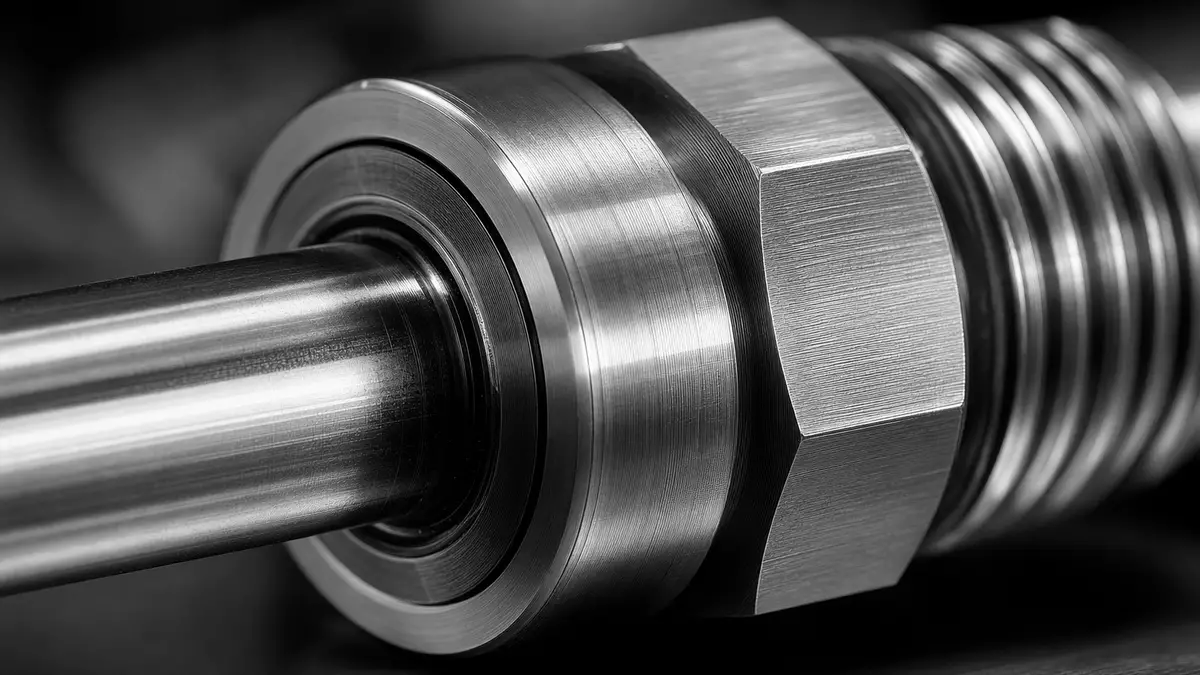
A representative example of Parker-Hannifins product offering is its hydraulic motion control systems used in industrial machinery and mobile equipment. These systems integrate pumps, valves, actuators, and control electronics to manage movement, positioning, and force in applications ranging from factory automation to construction and agricultural machinery. The companys engineering focus aims to deliver efficiency, reliability, and precision in demanding environments.
Such motion control solutions form part of the broader portfolio that also includes pneumatic components, filtration systems, sealing technologies, and aerospace flight control equipment. The cross segment expertise in managing motion and control across fluids and gases gives Parker-Hannifin a unique position among diversified industrials, enabling it to serve customers with complete system solutions rather than standalone components.
From a revenue perspective, motion control products and systems contribute a significant share of the industrial segments sales, supporting recurring aftermarket business as components require maintenance, replacement, or upgrades over time. This aftermarket element helps smooth revenue and margin profiles compared with purely new equipment based models and has been one reason investors view Parker-Hannifin as relatively resilient through economic cycles.
Shares trade near recent highs
On a recent trading day in mid July 2026, Parker-Hannifin stock on the New York Stock Exchange was quoted at around $520 per share, close to its 52 week high near $530 and well above the approximate 52 week low around $400. The share price level reflects the markets recognition of the companys earnings growth, margin expansion, and cash generation in the latest reported periods.
At this price, Parker-Hannifins market capitalization of roughly $60 billion places it among the larger constituents of the S&P 500 index within the industrial sector. The shares performance over the prior twelve months, with an approximate gain of 25% compared with about 18% for the S&P 500 industrials subset, indicates that investors have rewarded the companys operational delivery and aerospace exposure.
For shareholders, the current valuation and price range imply that future returns will depend on Parker-Hannifins ability to sustain revenue growth in the mid single digits, deliver further incremental margin improvements, and continue balancing shareholder returns with investments in technology and capacity.
More background on Parker-Hannifin
Investors who want to explore Parker-Hannifins financial history, strategic priorities, and detailed segment data can find further information in dedicated company and investor relations resources.
Industrial applications drive recurring demand
Across industrial applications, Parker-Hannifins products support critical functions in sectors such as transportation, energy, manufacturing, and construction. Hydraulic and pneumatic components used in trucks, buses, and rail vehicles help manage braking systems, suspension, and doors. Filtration solutions ensure fluid cleanliness in hydraulic circuits and lubrication systems, extending equipment life and reducing downtime.
In energy and process industries, the companys technologies play roles in oil and gas operations, power generation, and chemical processing, providing motion control, sealing, and filtration functions under demanding conditions. These applications often require high reliability and adherence to strict safety and environmental standards, areas where Parker-Hannifins engineering capabilities and product certifications are competitive advantages.
The recurring demand for replacements, upgrades, and maintenance across these applications supports aftermarket revenue, which typically carries attractive margin profiles. As a result, even when new capital expenditure cycles moderate, the company often sees continued orders for components and systems associated with existing fleets and installed bases.
Aerospace exposure adds cyclical and secular growth
Parker-Hannifins aerospace business encompasses systems for flight control, fuel management, hydraulics, and engine support, serving both commercial and military aircraft. The recovery in air travel and fleet modernization in recent years has contributed to higher orders and deliveries, benefiting the companys aerospace segment revenue and backlog.
Over the longer term, secular growth drivers such as increasing global passenger traffic, replacement of older aircraft with more efficient models, and modernization of defense fleets are expected to sustain demand for Parker-Hannifins aerospace technologies. The companys involvement across multiple platforms and its integration in key systems make it an important supplier to major aircraft manufacturers and defense contractors.
Investors considering Parker-Hannifin stock often weigh the cyclical nature of aerospace, which can be affected by macroeconomic conditions and policy decisions, against these structural tailwinds. So far, the combination of civil and defense exposure has helped smooth segment performance across cycles.
Innovation and sustainability initiatives
Innovation remains a core part of Parker-Hannifins strategy. The company invests in research and development to refine motion and control technologies, improve energy efficiency, and enable digital monitoring and predictive maintenance. Smart systems that integrate sensors and electronics with hydraulic and pneumatic components allow customers to gain real time insights into performance, helping them optimize operations and reduce downtime.
Sustainability considerations increasingly shape product development and customer requirements. Parker-Hannifins solutions can contribute to lower emissions and improved energy use through more efficient systems, lightweight materials, and better control of fluid losses. In industries such as transportation and manufacturing, these improvements align with regulatory and corporate goals to reduce environmental impact.
The companys own sustainability objectives include reducing its operational footprint, enhancing workplace safety, and supporting communities where it operates. While these goals are not directly quantified in short term earnings metrics, they form part of the broader narrative that influences how long term investors evaluate Parker-Hannifin stock.
Risk factors and cyclical considerations
Despite its diversified portfolio, Parker-Hannifin faces risk factors that investors monitor. Economic slowdowns in major regions can affect industrial production and capital expenditure, potentially translating into softer demand for motion control and filtration products. In aerospace, delays in aircraft programs or shifts in defense budgets could impact order flows.
Currency movements also influence reported results, given the companys global footprint. A stronger US dollar relative to other currencies can dampen translation of overseas revenue and earnings. Additionally, inflationary pressures on materials, labor, and logistics require ongoing mitigation through pricing and efficiency measures to protect margins.
Supply chain disruptions, whether from geopolitical tensions, natural events, or regulatory changes, pose operational risks. Parker-Hannifin needs to maintain robust supplier relationships, inventory strategies, and manufacturing flexibility to manage these challenges. The companys performance through recent periods suggests it has built resilience, but investors remain attentive to how future disruptions could affect profitability.
Capital allocation priorities
Capital allocation is an important lens through which market participants view Parker-Hannifin. The balance between shareholder returns, debt reduction, and growth investments shapes expectations for long term value creation. Dividend increases and share repurchases express confidence in current cash flows, while spending on acquisitions and capacity expansions reflects a commitment to future growth.
Historically, Parker-Hannifin has pursued bolt on and larger strategic acquisitions to deepen its motion control and aerospace positions. Post acquisition integration and synergy realization are crucial to ensuring that deals enhance earnings and margins over time rather than diluting them. Investors look for evidence that acquisitions are meeting financial targets and strengthening competitive advantages.
On the organic side, capital expenditure supports new technologies, manufacturing efficiency improvements, and capacity to meet growing demand in selected end markets. The companys ability to allocate capital effectively between these priorities influences its attractiveness compared with other industrial and aerospace names.
Long term themes for Parker-Hannifin stock
Several long term themes underpin the investment case for Parker-Hannifin stock. Industrial automation and digitalization drive demand for precise motion control systems and smart components. The shift toward more efficient and electrified machinery in sectors such as construction, agriculture, and material handling creates opportunities for advanced hydraulic and electrohydraulic solutions.
In aerospace, fleet renewal and modernization and ongoing maintenance demand support the companys systems and components across aircraft platforms. Environmental and efficiency regulations encourage innovations that reduce weight, improve fuel efficiency, and optimize fluid management, areas where Parker-Hannifins engineering expertise is relevant.
Finally, the combination of diversified end markets, strong cash generation, disciplined capital allocation, and incremental margin improvements forms the basis for many long horizon investor discussions. While near term price movements will continue to respond to macro data and earnings releases, these structural drivers help shape long term expectations for Parker-Hannifin.
Stock closing view and recent price level
In recent trading, Parker-Hannifin stock around $520 per share on the New York Stock Exchange reflects investors assessment of its fiscal 2025 performance and outlook. The proximity to a 52 week high near $530 and the move from an approximate low around $400 underscore how the market has responded to revenue growth, margin expansion, and cash flow generation.
For market participants, the current share price range suggests that future performance will depend on how successfully Parker-Hannifin continues to execute on its strategic priorities. These include sustaining organic growth, managing cyclicality in industrial and aerospace markets, innovating in motion and control technologies, and maintaining a balanced approach to shareholder returns and growth investments.
Key data on Parker-Hannifin
- Company: Parker-Hannifin Corp.
- ISIN: US7010941019
- Ticker: NYSE: PH
- Trading venue: NYSE
- Price (as of 18 July 2026, 16:00 ET): 520 USD
- Market capitalization: 60,000,000,000 USD (as of 18 July 2026)
- Sector / Industry: Industrials / Industrial Machinery
- Index membership: S&P 500
- Next earnings date: 8 August 2026
Disclaimer zu unseren Artikeln: Keine Anlageberatung, keine Kauf oder Verkaufsempfehlung. Angaben zu Kursen, Unternehmen und Märkten ohne Gewähr; Änderungen jederzeit möglich. Börsengeschäfte können zu hohen Verlusten führen. Unsere Beiträge werden ganz oder teilweise automatisiert mit Unterstützung von AI erstellt und geprüft.