Pandora stock trades steady as jewelry group leans on franchise growth and margin discipline
Published on 07/21/2026 at 14:19 | Editorial responsibility: Rafael Müller, Editor-in-Chief AD HOC NEWS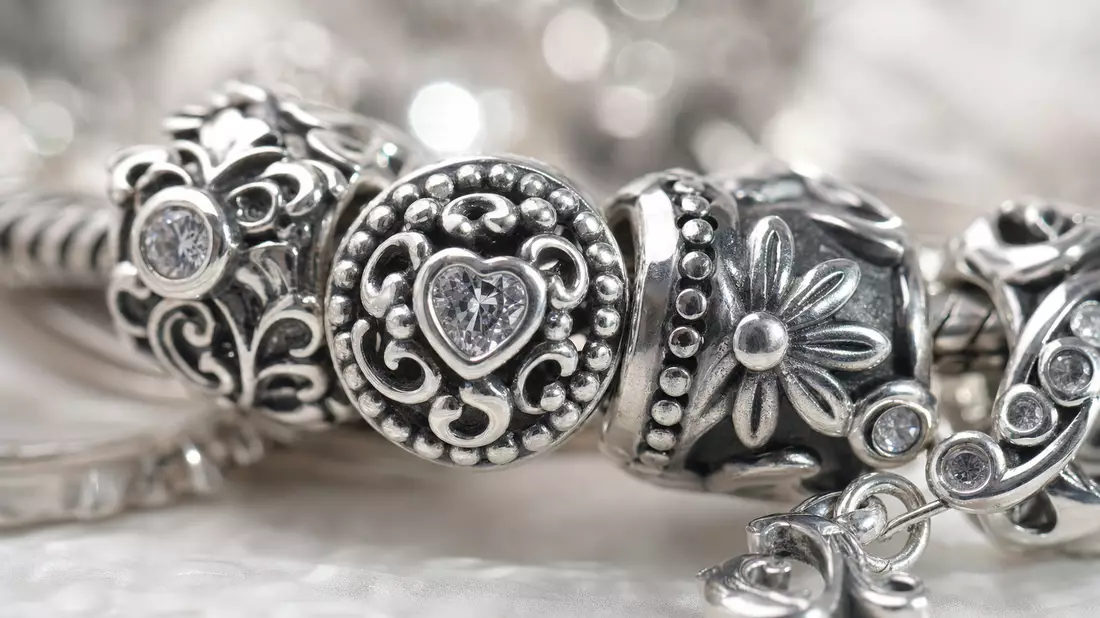
Pandora stock represents exposure to one of the worlds largest jewelry brands, with the Danish group Pandora A/S (ISIN DK0060252690) relying on its global store network and franchise partners to drive growth in charm bracelets, rings, necklaces, and related accessories. In its recent full year reporting, the company highlighted double digit revenue growth, solid operating margins, and continued investment in marketing and store development as it refines its omnichannel strategy and product offering across key regions.
Revenue up double digits
Pandora A/S positions itself as a global jewelry brand with a particular focus on modular charm bracelets, rings, earrings, and necklaces sold through a mix of company owned stores, franchise outlets, and online channels. Its revenue base is geographically diversified across Europe, the Americas, and Asia Pacific, with a material portion of sales generated through branded concept stores that emphasize the recognizable Pandora identity and curated collections.
In its latest full year, the company reported that overall revenue increased at a double digit rate, signaling that consumer demand for its jewelry collections remained resilient across multiple markets. The growth was supported by a combination of like for like sales improvements in established stores, new store openings, and continued expansion of online sales channels, with the group emphasizing that it seeks to maintain a balance between physical retail presence and digital access for customers.
The reported revenue expansion was accompanied by underlying improvements in key regions, with Europe remaining an important profit contributor, the Americas offering significant volume potential, and Asia Pacific representing a strategic growth area where the company sees opportunities to introduce its brand to new demographics. The diversified regional structure helps Pandora manage exposure to local consumer cycles and currency movements while keeping the focus on brand equity and product innovation.
Profitability and margin discipline
Pandora highlighted that its full year operating profitability remained robust, supported by margin discipline in sourcing, manufacturing, and retail operations. By managing production costs at its facilities and optimizing its supply chain, the company aims to sustain attractive gross margins despite fluctuations in raw material prices and foreign exchange rates. This margin focus is important because jewelry retail can face pressure from discounting and promotional activity, especially when consumers are cautious on discretionary spending.
Management reiterated that marketing investment and brand support are central to its strategy. Pandora continues to allocate resources to campaigns that showcase new collections, seasonal offerings, and collaboration lines, using both traditional media and digital platforms to reach customers. Within its cost structure, the company seeks to balance these marketing expenses against revenue growth, aiming to maintain or improve operating margin over time.
Store operations represent another lever for profitability. Pandora monitors store level performance, adjusting store formats, closing underperforming units, and opening new locations where it sees strong demand. The franchise network benefits from standardized store design and merchandising guidance, which helps maintain a consistent brand experience across markets and supports sales per square meter metrics that the company tracks internally.
Further details on Pandora financials
Investors who want to understand Pandora A/S in more depth can review the companys filings, presentations, and key figures in the investor section, which includes annual and interim reports, guidance updates, and information on the capital structure.
Charm bracelets and collections
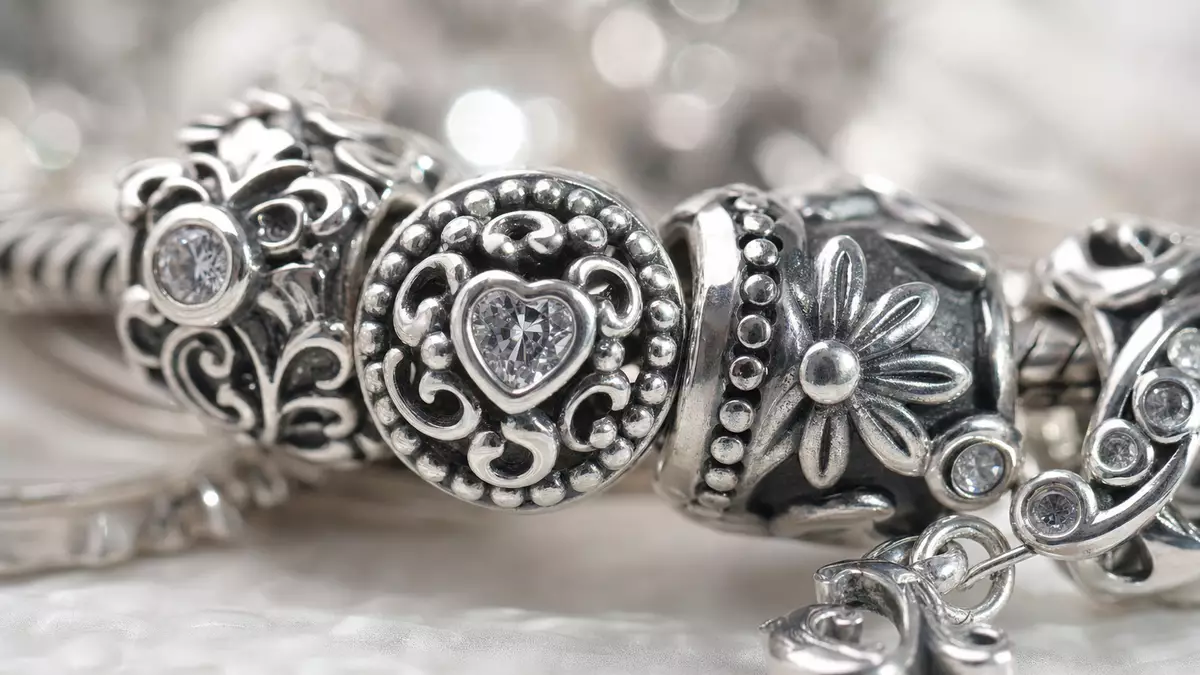
Pandoras product portfolio is anchored by its charm bracelets, which allow customers to personalize their jewelry by selecting individual charms that carry symbolic meaning or represent personal milestones. This modular concept has been a distinctive feature of the brand, encouraging repeat purchases as customers add charms over time and update their bracelet combinations with new seasonal designs.
Beyond charm bracelets, the company offers rings, earrings, necklaces, and other accessories that complement its core collections. The interplay between these categories allows Pandora to cross sell within its customer base, encouraging shoppers who initially purchased a bracelet to explore additional jewelry items. New collections are introduced regularly, featuring different themes, materials, and design motifs, giving the brand opportunities to refresh its offering and maintain engagement with loyal customers.
Design and product development teams at Pandora pay attention to fashion trends, cultural influences, and customer feedback when developing new items. By monitoring which charms and designs perform well, the company can adjust its assortment, adding more of the styles that resonate and phasing out those that see weaker demand. This iterative approach to product curation helps optimize inventory levels and supports sales performance in both company owned and franchise stores.
Distribution and franchise strategy
Distribution is a critical element of Pandoras business model. The company operates a mix of own stores and franchise locations, along with online platforms. Franchise partners receive guidance on store layout, visual merchandising, staff training, and assortment planning, with the goal of ensuring that each store reflects the Pandora brand standards and offers a similar customer experience regardless of geography.
The franchising model gives Pandora access to local market expertise, as franchisees often have deep knowledge of consumer preferences and retail dynamics in their territories. This collaboration helps Pandora adapt promotional campaigns and product emphasis to local tastes while maintaining consistent branding. Franchise agreements typically outline responsibilities, performance expectations, and support mechanisms, creating structured relationships that can scale as the company expands into new markets.
Online sales complement the physical store network, enabling customers to browse collections, customize selections, and purchase jewelry through Pandoras official web channels and, in some cases, through partner platforms. The integration of online and offline experiences is part of the companys omnichannel strategy, which aims to give customers flexibility in how they discover and buy jewelry, whether they are browsing in stores or on digital devices.
Brand positioning and customer segments
Pandora positions its brand in the accessible luxury segment, offering jewelry that is more affordable than high end fine jewelry but differentiated from mass market fashion accessories. This positioning allows the company to target customers who seek a balance between price and perceived value, attracting a broad demographic that includes gift buyers, self purchasers, and collectors of specific charm themes.
Customer segments are defined along several dimensions, including age, income, and purchasing behavior. Younger customers may gravitate toward trend driven designs and collaborations, while older customers might prefer classic styles and symbolic charms. Gift buyers often select items tied to special occasions such as birthdays, anniversaries, or holidays, and Pandora leverages seasonal campaigns to address these moments.
Marketing messaging emphasizes personalization, storytelling, and emotional connection, aligning with the concept of charms that represent meaningful experiences. Pandora uses visual content, social media, and in store displays to highlight how jewelry pieces can be combined to reflect individual identity. This narrative driven approach supports brand loyalty, as customers associate the jewelry with their own life stories.
Supply chain and manufacturing
The companys supply chain and manufacturing operations underpin its ability to deliver consistent quality and maintain margins. Pandora sources materials such as silver, gold, and other metals, as well as stones and synthetic elements used in its designs. Managing relationships with suppliers and monitoring material costs are crucial for protecting gross margin, especially when commodity prices fluctuate.
Manufacturing processes are organized to support both volume production and design flexibility. Production facilities must be capable of handling numerous variations in charm and jewelry designs, often with intricate detailing. Quality control procedures ensure that finished products meet the companys standards before they are shipped to distribution centers and stores.
Logistics teams coordinate the flow of goods from manufacturing sites to regional warehouses and end destinations, with attention to stocking levels, lead times, and seasonal demand patterns. Inventory management is particularly important in jewelry retail, where product collections may be updated frequently and certain items can become popular quickly. Balancing stock availability against the risk of overstocking helps Pandora maintain operational efficiency.
Marketing, collaboration, and digital presence
Pandora invests in marketing campaigns that leverage both traditional and digital channels. Advertising initiatives feature imagery that showcases jewelry in lifestyle contexts, emphasizing emotional themes that resonate with target customers. Campaigns are often timed around product launches, seasonal events, and promotional periods, aiming to drive footfall to stores and traffic to online platforms.
Collaborations with artists, designers, and sometimes other brands can create limited edition collections that attract attention. These collaborations allow Pandora to extend its design language and tap into new audiences, while reinforcing its position as a creative jewelry brand. Limited editions can also support pricing and margin dynamics, as customers may be willing to pay more for items perceived as special or rare.
Digital presence extends beyond e commerce to include social media channels where Pandora shares content, engages with followers, and monitors customer feedback. Responses to customer comments and questions help the company understand preferences and issues, informing product and service improvements. Influencer partnerships and user generated content can amplify the reach of campaigns, particularly among younger demographics.
Risk factors and competitive landscape
Like other consumer discretionary companies, Pandora faces risk factors related to economic conditions, consumer confidence, and competition. Periods of weaker economic growth or heightened financial uncertainty can affect discretionary spending on jewelry. Pandora must monitor such trends and adjust pricing, promotions, and inventory planning accordingly.
Competitive pressures come from both large jewelry chains and smaller independent brands, as well as online players that offer alternative designs and purchasing experiences. To remain competitive, Pandora focuses on brand differentiation, product innovation, and store experience. The recognition of the Pandora name and its signature charm concept provides a foundation, but ongoing investment in design and marketing is necessary to stay ahead of rivals.
Currency movements can also impact reported results, particularly because Pandora operates internationally. Fluctuations in exchange rates affect the translation of foreign revenue and costs into the reporting currency and can influence pricing strategies in local markets. The company manages some exposure through hedging and local pricing adjustments, but investors typically assess how currency dynamics might influence earnings and margins.
Governance, sustainability, and corporate responsibility
Corporate governance and sustainability are increasingly important aspects of how investors evaluate consumer brands like Pandora. The company outlines its governance framework, including board composition, management structures, and policies aimed at ensuring accountability and transparency. Investors look at these elements to gauge how decisions are made and how risks are overseen.
Sustainability initiatives may cover responsible sourcing of materials, environmental management in manufacturing processes, and social considerations such as labor standards in supply chains. Jewelry production involves metals and other materials that raise questions about origin and environmental impact, and Pandora seeks to address these concerns through policies and disclosures that align with broader sustainability expectations.
Corporate responsibility extends to community engagement and charitable activities, where companies like Pandora participate in initiatives that support causes aligned with their brand values. These efforts can enhance brand perception and contribute to long term goodwill, although they must be balanced against financial performance and shareholder interests.
Pandora jewelry collections
The Pandora jewelry collections cover multiple themes, including classic styles, contemporary fashion inspired designs, and pieces linked to specific occasions or symbols. Collections are refreshed periodically to introduce new motifs and materials, keeping the offer dynamic. Customers often build personal sets across different collections, combining charms, rings, and necklaces in ways that reflect individual style.
Store staff play a role in guiding customers through the collections, suggesting combinations, explaining the meaning of certain charms, and highlighting new arrivals. This consultative sales approach supports the concept of personalization that underpins the brand. Online platforms replicate this guidance through visual tools, filters, and curated lookbooks that help customers explore the range before making purchases.
Product packaging reinforces the premium feel of the brand, with boxes and wrapping that signal a special purchase, especially important for gift occasions. These details contribute to the overall customer experience and can influence how likely customers are to return for future purchases or recommend the brand to others.
Stock closing context
Pandora stock is associated with a global jewelry brand that continues to focus on store network optimization, product innovation, and marketing investment. For investors, the interplay between revenue growth, margin discipline, and brand strength is central to how the share is perceived over time. Developments in consumer spending trends, competitive dynamics, and sustainability efforts will remain key areas to monitor when assessing the long term trajectory of the companys equity.
Pandora A/S key data
- Company: Pandora A/S
- ISIN: DK0060252690
- Ticker: OMITTED
- Trading venue: Primary listing in Denmark
- Market capitalization: OMITTED
- Sector / Industry: Consumer discretionary / jewelry retail
- Index membership: Danish equity benchmarks
Disclaimer regarding our articles: No investment advice, no buy or sell recommendation. Information on prices, companies, and markets is provided without guarantee; changes are possible at any time. Stock market transactions can lead to substantial losses. Our articles are created and reviewed in whole or in part automatically with the support of AI.