
Outbrain stock tests investors’ patience as recovery story meets a choppy market
Published on 01/29/2026 at 02:30 | Editorial responsibility: Rafael Müller, Editor-in-Chief AD HOC NEWS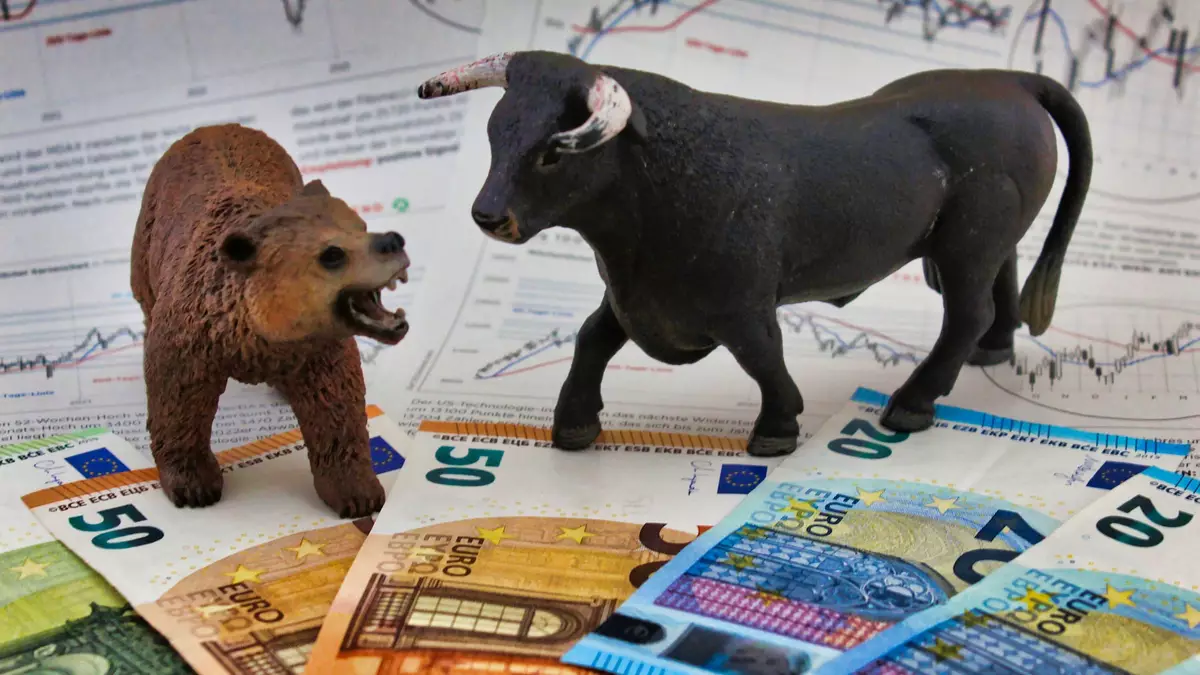
Outbrain’s stock is back in the spotlight, not because of a dramatic breakout, but because of what looks like an uneasy stalemate between bulls and bears. Over the past few sessions the share price has drifted rather than surged, hinting at a market that respects the company’s progress yet remains reluctant to fully re-rate ad?tech names while macro uncertainty lingers.
Short term traders see a chart stuck in a sideways channel after a minor pullback, while longer term investors are asking a tougher question: is this still an underpriced turnaround story, or has the easy money already been made in last year’s rebound from the lows?
One-Year Investment Performance
To understand the current mood around Outbrain, it helps to rewind the tape by twelve months. An investor who had bought the stock exactly one year ago would today be facing a sober result rather than a champagne moment. Based on the latest closing price compared to the level one year earlier, the position would be in negative territory, reflecting a double hit from sector-wide ad?tech fatigue and the company’s own bumpy execution.
The notional loss over that period is far from catastrophic, but it is painful enough to test conviction. What looked like a cheap entry back then has turned into a classic lesson in value timing: the stock has underperformed broader tech indices while showing sharp interim rallies that tempted investors to believe a sustained re-rating had finally started. Anyone who held through those spikes only to see the price drift back down will recognize the emotional whiplash.
This one-year picture matters because it colors current sentiment. Shareholders are now less willing to give the benefit of the doubt. The stock needs more than just cost discipline and incremental margin improvement; it needs a clear catalyst that can convince the market that Outbrain is not simply an also-ran in a brutally competitive digital advertising landscape.
Recent Catalysts and News
In recent days the news flow around Outbrain has been relatively thin, reinforcing the impression of a consolidation phase. There have been no headline-grabbing acquisitions or radical strategic pivots, and no shock announcements from the C?suite. Instead, the company has continued to emphasize gradual refinements in its recommendation engine, improvements in partner monetization and a disciplined approach to operating expenses. For traders, that kind of incrementalism translates into low volatility and range?bound price action.
Earlier this week market attention briefly ticked up following sector?wide commentary on digital ad spending, as several peers updated their outlooks. While these comments were not specific to Outbrain, they helped frame expectations ahead of the company’s next earnings release. Investors are especially focused on whether premium publisher partnerships are growing fast enough to offset pricing pressure and the ongoing shift of ad budgets toward walled gardens like Google, Meta and TikTok.
Over the past week, financial media coverage has also revisited the broader question of profitability versus growth in ad?tech. In that discussion, Outbrain often appears as a niche but disciplined player: not a hyper?growth rocket, yet not a cash?burning experiment either. That narrative supports the notion of a consolidation phase with low volatility, where the stock trades more on fundamentals and upcoming earnings than on hype.
Wall Street Verdict & Price Targets
Fresh research notes on Outbrain have been relatively scarce, and the large Wall Street houses such as Goldman Sachs, J.P. Morgan, Morgan Stanley, Bank of America, Deutsche Bank and UBS have not flooded the tape with new recommendations in the very latest stretch. Available coverage from mid?tier brokers still reflects a mixed, cautiously neutral stance rather than a decisive call. Where targets are published, they typically sit modestly above the current share price, implying limited upside in the near term and effectively translating into Hold?style recommendations.
This absence of aggressive Buy ratings from the bulge bracket sends a clear signal. For now, Outbrain is not a high?conviction idea on major trading desks. Analysts acknowledge the company’s tighter cost controls and its focus on profitability, but they remain unconvinced that revenue growth can consistently outpace the broader digital ad market. Without a visible acceleration in top?line momentum or a game?changing partnership announcement, most institutional investors are likely to treat the stock as a trading vehicle rather than a core holding.
In practice, that means sentiment is balanced slightly on the cautious side. The Street does not see an imminent collapse, yet it also does not see a reason to chase the stock higher. Any material change in that verdict will probably hinge on the upcoming earnings prints and the tone of management guidance around publisher demand and advertiser budgets.
Future Prospects and Strategy
Outbrain’s business model revolves around powering native content recommendations and performance advertising for publishers and advertisers. It sits in the infrastructure layer of the open web, slotting personalized links and sponsored content into news feeds and article pages, and taking a cut of the revenue generated by clicks and conversions. The long?term thesis is simple: as long as high?quality publishers exist outside the big walled gardens, there is a need for an independent recommendation and monetization platform.
Looking ahead over the coming months, the decisive factors for the stock will likely be execution and differentiation. Can Outbrain prove it can grow revenue faster than overall digital ad spending by deepening existing publisher relationships and winning new flagship deals? Can it sharpen its machine?learning models to deliver higher returns on ad spend, justifying better pricing and stickier advertiser relationships? And can it do all of that while preserving, or even expanding, margins in an environment where every marketing dollar is being scrutinized?
If management can check those boxes, the current sideways trading could eventually give way to a more convincing uptrend, rewarding investors who are willing to sit through the present consolidation. If not, the stock risks remaining a value story that never quite closes the gap between theoretical potential and realized returns, leaving the one?year performance pattern as a warning rather than a mere footnote.


