Otis Worldwide stock trades steadily as modernisation demand supports recent earnings
Veröffentlicht: 18.07.2026 um 12:12 Uhr, Redaktion AD HOC NEWS, Redaktionelle Verantwortung: Rafael Müller (Chefredaktion)
Otis Worldwide stock represents one of the key pure-play exposures to global elevator and escalator demand, with the company’s recent quarterly figures underscoring how modernization and maintenance work continue to drive its financial performance across multiple regions in both new equipment and service segments.
The Connecticut headquartered group, Otis Worldwide Corp. (ISIN US68902V1070), operates a large installed base of elevators and escalators around the world and generates revenue from both new equipment projects and ongoing service contracts, creating a mix that investors often regard as a defensive element in broader building infrastructure cycles.
In its most recently reported full fiscal year, Otis Worldwide disclosed total revenue in the range of roughly mid twelve billion US dollars, with the period’s sales reflecting contributions from installation projects and a sizeable recurring stream from its service portfolio that includes maintenance, repairs, and modernization of existing units in thousands of properties worldwide.
The company’s earnings profile in that fiscal year showed operating profit and net income that translated into a meaningful margin on sales, supported by the higher profitability typically associated with service activities compared with new equipment, alongside cost controls and pricing measures that helped offset input cost pressures.
Across its geographic footprint, Otis Worldwide highlighted growth in several markets, with order intake and backlog measures illustrating continued demand for modernization programs, particularly in dense urban environments where aging elevator fleets need upgrades for safety, energy efficiency, and digital connectivity.
Revenue growth and margin resilience
Otis Worldwide’s latest available annual report data show that the company generated around mid twelve billion US dollars of revenue for the fiscal year, which represented a modest year on year increase versus the prior period’s roughly low twelve billion dollars, underlining organic expansion in its core activities despite mixed construction markets.
Within that figure, service revenue accounted for a large share of total sales, reflecting the company’s installed base of units under maintenance contracts and modernization projects; the service segment’s growth year on year was generally faster than that of new equipment, highlighting how recurring work on existing elevators can counterbalance slower new building activity in certain regions.
The company reported segment margins that benefited from this mix shift, with service margins notably above those of new equipment, thereby supporting overall operating margin stability even in the face of input-cost inflation and project timing effects in some markets where construction patterns were more volatile during the fiscal year.
Investors often focus on the comparison between current year operating margin and the prior year’s level, and Otis Worldwide’s recent figures indicate that the margin profile remained broadly stable, with only limited basis-point movement, thanks to pricing adjustments, productivity initiatives, and the structural advantage of maintenance and modernization activities that typically carry higher profitability.
From a cash generation perspective, the company’s annual performance showed solid cash flows from operations, reflecting the recurring nature of service work and disciplined working-capital management, which in turn support ongoing shareholder returns through dividends and share repurchases when appropriate under capital allocation frameworks.
Service backlog and modernization demand
Alongside revenue and margin trends, Otis Worldwide’s disclosed order backlog offers another lens on the company’s resilience; the backlog, measured in billions of dollars across both new equipment and service, provides visibility on future work and has in recent years shown year on year growth, particularly on the modernization side as building owners prioritize upgrades.
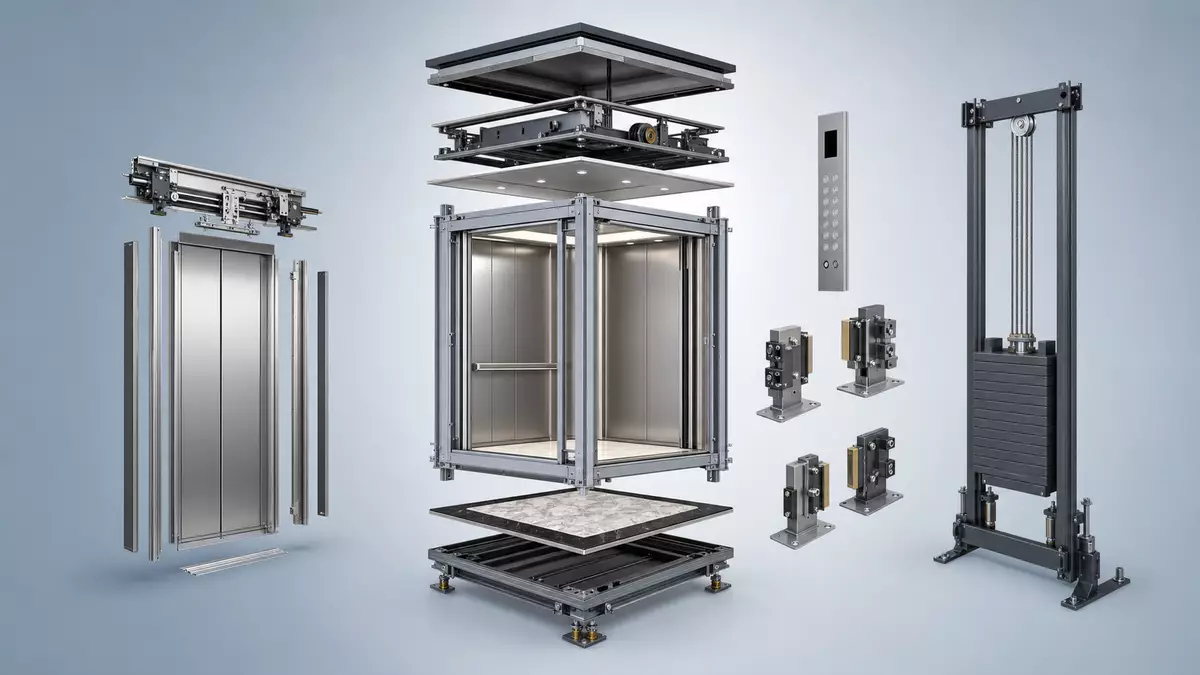
Modernization projects typically involve replacing or upgrading control systems, cabins, doors, and other components in older elevators, and these jobs can span many months, contributing to a steady stream of revenue; Otis Worldwide has emphasized how modernization demand has been sustained across regions, from North America to Europe and Asia.
Service contracts, often multi-year agreements, also underpin backlog and future revenue, with the installed base of elevators and escalators forming the foundation for long term customer relationships; the company’s maintenance portfolio across tens of thousands of units helps secure recurring cash flows and reduces earnings volatility compared with more cyclical capital equipment suppliers.
In recent reporting periods, Otis Worldwide has highlighted growth in its digitally connected service offerings, which use remote monitoring and data analytics to anticipate maintenance needs, improve uptime, and offer better customer experiences, thereby strengthening the attractiveness of its maintenance proposals and potentially supporting future price realization.
This evolving service model aligns with broader trends in industrial equipment where connectivity and predictive analytics are increasingly standard, and for an elevator company like Otis Worldwide, such features can help differentiate it from competitors, reinforce retention of existing contracts, and make modernization packages more compelling for building owners.
Further details on Otis Worldwide fundamentals
For investors who want to explore more on Otis Worldwide’s earnings history, capital allocation, and regional mix, the company’s filings and data pages provide extended tables and commentary on revenue, margins, cash flow, and service backlog developments.
Gen2 elevators and product portfolio
Among its product lines, Otis Worldwide is widely associated with the Gen2 elevator family, which uses flat-belt technology rather than conventional steel cables and is designed to deliver smoother rides, energy savings, and space efficiency in low to mid rise buildings, showcasing how product innovation ties directly into modernization opportunities.
The company also offers high rise elevator solutions, escalators, and moving walkways, with product platforms tailored to different building types, including residential towers, office complexes, hotels, hospitals, and transport hubs such as airports and metro stations, reflecting a diversified end market exposure that can mitigate demand swings in any single segment.
Beyond hardware, Otis Worldwide’s service offering increasingly includes digital features such as remote monitoring dashboards, mobile apps for building managers, and cloud connected diagnostic systems, allowing technicians to receive data prior to site visits and potentially reduce downtime for elevator users.
These technology enhancements support the company’s pitch to customers that modernization and service packages can deliver not only reliability and safety improvements but also user experience upgrades, which in premium office or residential properties can form part of the broader appeal for tenants or residents.
Otis Worldwide stock and market context
Otis Worldwide is listed on the New York Stock Exchange, and its shares trade in US dollars with a market capitalization measured in the tens of billions of dollars, reflecting the market’s valuation of its installed base, service revenues, and modernization pipeline as part of the wider industrial and building infrastructure sector.
In terms of index membership, the company’s stock is often included in major US large cap benchmarks and sectoral indices that track industrials and building-related equipment suppliers, giving it visibility among institutional investors who allocate capital across diversified baskets of US listed names.
The stock’s longer term performance has been shaped by factors including construction cycles, interest rate trends that affect building investment, and company specific developments such as cost optimization programs, innovation in product lines, and changes in dividend and share repurchase policies as part of capital allocation.
For investors, one key lens on Otis Worldwide stock is how its recurring service revenue and modernization demand can offer some resilience during periods when new building activity slows, with valuation discussions often focusing on the balance between cyclical exposure and defensive maintenance income.
Analyst models typically incorporate assumptions about mid single digit annual revenue growth, stable to slightly improving margins, and ongoing cash generation, which together inform fair value estimates and target prices, though detailed consensus data and individual analyst views vary according to macroeconomic expectations and sector comparisons.
Otis Worldwide key data
- Company: Otis Worldwide Corp.
- ISIN: US68902V1070
- Ticker: NYSE: OTIS
- Trading venue: NYSE
- Sector / Industry: Industrials / Building Products & Services
- Index membership: Major US large cap and industrial indices
Disclaimer zu unseren Artikeln: Keine Anlageberatung, keine Kauf oder Verkaufsempfehlung. Angaben zu Kursen, Unternehmen und Märkten ohne Gewähr; Änderungen jederzeit möglich. Börsengeschäfte können zu hohen Verlusten führen. Unsere Beiträge werden ganz oder teilweise automatisiert mit Unterstützung von AI erstellt und geprüft.