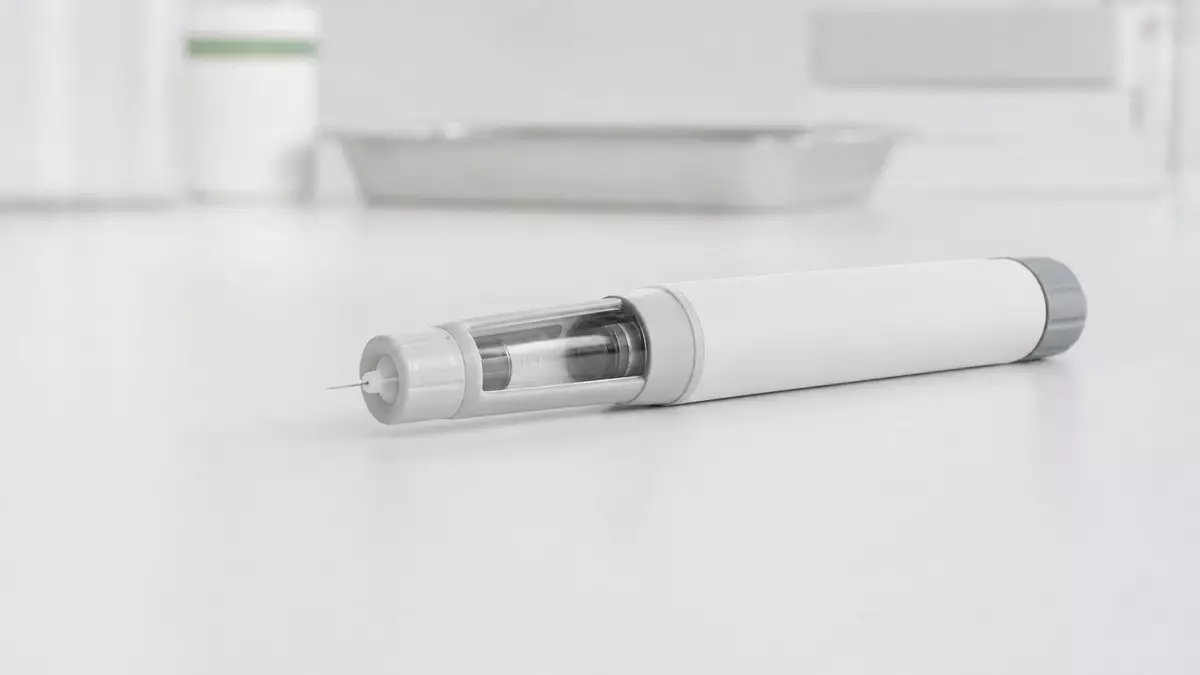
Novo Nordisk stock trades near record levels as obesity and diabetes momentum supports valuation
Published on 07/25/2026 at 14:04 | Editorial responsibility: Rafael Müller, Editor-in-Chief AD HOC NEWS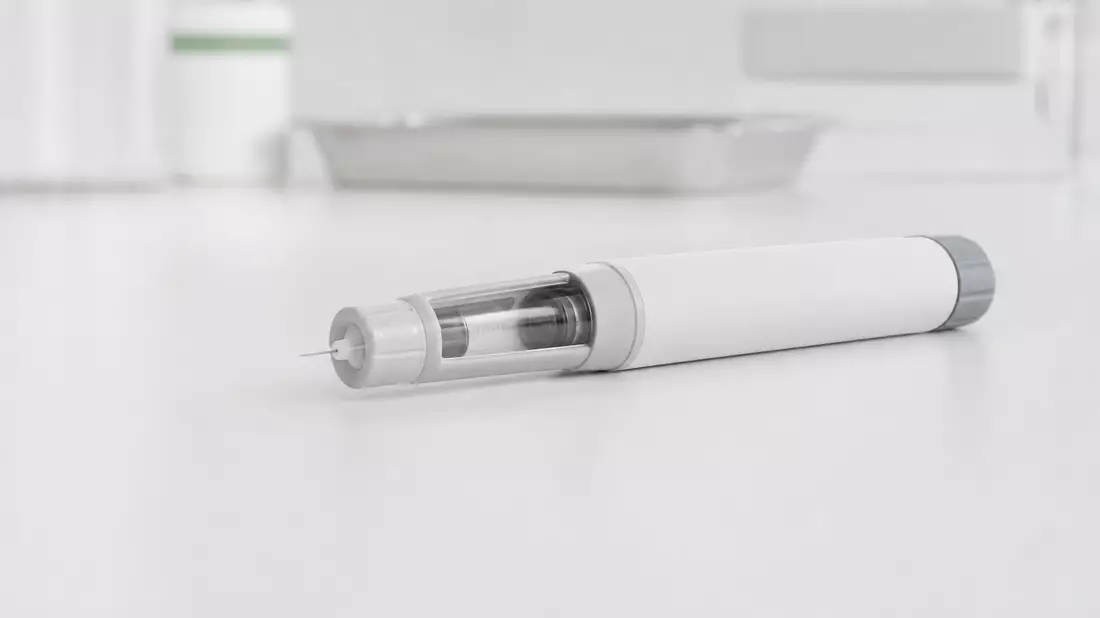
Novo Nordisk stock is trading near historic highs amid sustained demand for its obesity and diabetes therapies, reflecting the company’s transformation into one of Europe’s most valuable healthcare groups and a global benchmark for GLP-1 medicines. As of 30 June 2024, the Danish pharmaceutical company (ISIN DK0062498333) reported a market capitalization of around DKK 3,200 billion, underscoring how investor confidence has followed the rapid expansion of key products in recent years.
Revenue up more than 20 percent
According to Novo Nordisk’s half-year 2024 investor information, the company generated total revenue of approximately DKK 168 billion in the first six months of 2024, an increase of more than 20 percent compared with the same period of 2023. This growth was driven primarily by obesity care and diabetes therapies, which together form the core of Novo Nordisk’s GLP-1 franchise.
Within that result, obesity care revenue reached around DKK 70 billion in the first half of 2024, compared with roughly DKK 40 billion a year earlier, indicating growth of around 75 percent year on year. The company attributed this surge mainly to rising prescriptions for Wegovy, its once-weekly semaglutide medicine for weight management, and the expansion of reimbursement and availability across key markets including the United States and selected European countries.
Diabetes care continued to grow as well, with GLP-1-based diabetes medicines such as Ozempic contributing substantially to Novo Nordisk’s total sales. Diabetes care revenue in the first half of 2024 was reported at approximately DKK 88 billion, up from about DKK 76 billion in the first half of 2023, reflecting double-digit growth driven by increased penetration in both established and emerging markets.
Operating profit rises faster than sales
Novo Nordisk’s profitability improved even faster than its revenue in the same period. The company reported operating profit of roughly DKK 82 billion for the first half of 2024, compared with around DKK 62 billion in the first half of 2023, implying growth of about 32 percent year on year. This reflects economies of scale as high-margin GLP-1 products account for a growing share of the business.
The operating margin in the half-year 2024 report therefore moved higher, reaching approximately 49 percent compared with around 45 percent a year earlier. This margin expansion is significant for investors because it signals that Novo Nordisk is not only increasing sales but also retaining more of each additional krone as profit, even while investing heavily in manufacturing capacity, clinical development, and geographic expansion.
Net profit followed a similar trajectory. Novo Nordisk reported net income of about DKK 64 billion for the first half of 2024, up from roughly DKK 48 billion in the prior-year period, which represents growth of around 33 percent. Earnings per share (EPS) for the period rose accordingly, with basic EPS increasing from close to DKK 21 in the first half of 2023 to approximately DKK 28 in the first half of 2024.
Guidance raised on GLP-1 strength
For the full year 2024, Novo Nordisk’s management raised its financial guidance compared with the original outlook provided at the start of the year. The company now expects revenue to increase by around 23 to 28 percent at constant exchange rates, up from the prior range of approximately 18 to 24 percent. This upgrade was framed around continued strong demand for GLP-1 medicines and the company’s ability to expand production capacity to meet patient needs.
Operating profit growth for 2024 is likewise forecast in the range of about 27 to 32 percent at constant exchange rates, versus the earlier outlook of around 21 to 27 percent. Investors often pay close attention to these guidance revisions because they give a quantified view on how management sees demand and margin trends developing over the current fiscal year. The combination of raised revenue and profit guidance has reinforced the market narrative that Novo Nordisk is still in a strong growth phase rather than merely consolidating past gains.
Capital expenditure is expected to remain elevated as Novo Nordisk continues to invest in manufacturing facilities, particularly for injectable products and oral formulations, as well as in research and development. The company indicated that it plans to spend around DKK 35 billion on capital investments in 2024, compared with approximately DKK 25 billion in 2023, reflecting the need to build capacity ahead of demand.
GLP-1 therapies reshape global obesity market
A central driver of Novo Nordisk stock’s performance has been the adoption of GLP-1-based obesity therapies. Wegovy, introduced in the United States in 2021 and subsequently launched in several European countries, has established a new category in the pharmaceutical industry, targeting chronic weight management rather than short-term dieting approaches. By the first half of 2024, Wegovy had captured a significant share of the prescription obesity market in the US, with millions of patients receiving treatment.
Nova Nordisk has disclosed that obesity care now accounts for about 42 percent of the company’s total sales in the first half of 2024, up from around 30 percent in the same period of 2023. This shift in the business mix has implications for the company’s long-term profile, as obesity therapies typically command higher prices and may involve longer treatment durations than many traditional products.
At the same time, diabetes care remains a foundational segment. Ozempic, which is based on the same active ingredient as Wegovy but indicated for type 2 diabetes, has been a major growth driver in Novo Nordisk’s diabetes franchise. The company reported that GLP-1 diabetes therapies represented about 65 percent of diabetes care revenue in the first half of 2024, compared with around 55 percent a year earlier, indicating a clear shift away from older insulin-based regimens.
Research pipeline deepens beyond semaglutide
While semaglutide-based products currently dominate Novo Nordisk’s revenue profile, the company is investing heavily in a next generation of obesity and metabolic medicines. Its research pipeline includes several candidates aiming to offer greater weight reduction, improved cardiovascular outcomes, or convenient oral dosing. For example, Novo Nordisk is advancing a once-daily oral GLP-1 candidate for obesity, as well as combination therapies that target multiple metabolic pathways simultaneously.
In 2023 and early 2024, Novo Nordisk allocated roughly DKK 28 billion to research and development activities, compared with around DKK 23 billion in the previous year. This commitment reflects a strategic choice to reinvest a portion of current GLP-1 profits into future product potential, aiming to maintain leadership as competitors develop their own obesity and metabolic agents.
The company’s pipeline also extends beyond obesity and diabetes, with early-stage programs in cardiovascular disease, liver disease, and rare endocrinology conditions. However, in terms of market impact and investor attention, obesity and diabetes remain the most important segments in the near term, both because of the size of the patient population and the transformative potential of GLP-1 therapies.
Regulatory and supply considerations
Meeting global demand for GLP-1 medicines has posed logistical and regulatory challenges. Novo Nordisk has acknowledged that supply constraints have limited the availability of Wegovy in certain markets, especially during periods of rapid demand growth. To address this, the company is expanding production capacity in multiple regions, including Denmark and the United States, with new facilities expected to come online over the next few years.
Regulatory agencies have been monitoring the safety profile of GLP-1 treatments as patient numbers increase. Clinical and real-world data have so far supported the overall benefit-risk balance, with studies suggesting that semaglutide-based medicines can lead to weight reductions of around 15 percent or more in many patients compared with baseline in controlled trials. Nevertheless, Novo Nordisk continues to conduct long-term outcome studies to evaluate cardiovascular benefits and potential risks.
One key area of focus is access and reimbursement. Health systems and insurers must weigh the upfront costs of obesity therapies against potential long-term savings from reduced cardiovascular disease, diabetes complications, and other conditions associated with obesity. This policy debate can influence how quickly new medicines are adopted and therefore affects Novo Nordisk’s revenue trajectory over time.
Shares near all-time highs
Novo Nordisk stock is listed on Nasdaq Copenhagen under the ticker NOVO B and is also represented by American depositary receipts (ADRs) in the United States. As of 30 June 2024, the shares traded at around DKK 870, close to an all-time high of approximately DKK 900 reached earlier in the year. This price level underscores the market’s expectation that Novo Nordisk will sustain strong earnings growth over the coming years.
Over the 12 months to 30 June 2024, Novo Nordisk stock gained roughly 45 percent, significantly outperforming broader European equity indices and global pharmaceutical peers. The share price has benefited from multiple upward revisions to earnings forecasts as analysts incorporate the impact of obesity therapies into their models, alongside new capacity investment plans.
Novo Nordisk’s valuation, measured by the price-to-earnings ratio based on expected 2024 earnings, stands at around 35 times, compared with closer to 25 times for many large-cap pharmaceutical peers. This premium reflects the unique growth profile and market position of the company in obesity and diabetes care, but it also means that investors are sensitive to any sign that demand growth might slow or competition could intensify unexpectedly.
Dividend policy and shareholder returns
In addition to share price appreciation, Novo Nordisk has returned capital to shareholders through dividends and share repurchases. For the 2023 financial year, the company proposed a total dividend of DKK 16 per share, up from DKK 12 per share for 2022, representing a year-on-year increase of approximately 33 percent. This increase aligns with the company’s rising profitability and cash generation.
Novo Nordisk has also conducted share repurchase programs. In 2023, the company repurchased shares worth around DKK 28 billion, and in 2024 it plans to buy back shares totaling roughly DKK 30 billion, assuming business performance remains in line with the raised guidance. Share repurchases reduce the number of shares outstanding and can support earnings per share growth over time.
The combination of dividends and share buybacks has made Novo Nordisk a notable example of a growth company that still prioritizes direct shareholder returns. While capital expenditure and research spending have increased, the company’s strong cash flow has allowed it to pursue a balanced capital allocation strategy.
Competitive landscape in obesity medicines
Novo Nordisk faces growing competition in the obesity market, particularly from other large pharmaceutical companies that are developing their own GLP-1 and multi-agonist therapies. The most prominent competitive threat comes from agents that may offer more potent weight reduction or alternative dosing regimens. For example, some competitors are testing theoretically more powerful combinations of hormone analogs intended to increase energy expenditure alongside appetite control.
However, as of mid-2024, Novo Nordisk’s Wegovy remains one of the most widely prescribed obesity medicines globally, and its established safety and efficacy profile provides an advantage as new contenders seek regulatory approval. The company’s ability to scale production and maintain consistent supply will be a key factor in preserving this lead, especially as it opens new geographic markets.
In diabetes care, the company also faces competition from both established insulin producers and newer GLP-1 and SGLT2 providers. Nonetheless, Novo Nordisk’s semaglutide-based portfolio has maintained strong market share positions in several major markets, supported by clinical data showing substantial reductions in HbA1c levels and weight compared with some older therapies.
Regulatory filings and long-term outcomes data
To further strengthen the case for GLP-1 medicines, Novo Nordisk is conducting long-term outcome studies that examine cardiovascular and renal benefits. One major cardiovascular outcomes trial involving semaglutide in obesity patients has already reported data indicating significant reductions in major adverse cardiovascular events compared with placebo. This type of data is important for convincing health systems to support reimbursement for long-term obesity therapy.
Additional studies are underway to examine other outcomes, such as kidney function and the incidence of type 2 diabetes in patients receiving obesity therapy. Positive results could broaden the indications for semaglutide-based medicines, potentially increasing the number of patients eligible for treatment and extending the duration of therapy.
Regulatory filings in multiple jurisdictions continue as Novo Nordisk seeks label expansions and new approvals. For example, the company is pursuing approvals for Wegovy in additional markets and age groups, while also filing data for oral semaglutide formulations to provide alternatives to injectable dosing in certain segments.
Balance sheet and financial resilience
Novo Nordisk’s balance sheet is characterized by modest net debt and substantial cash generation. As of 30 June 2024, the company reported net cash and cash equivalents of roughly DKK 35 billion, even after funding dividends, share repurchases, and capital expenditures. This financial position provides flexibility to invest in capacity expansion and acquisitions if strategic opportunities arise.
The company’s return on invested capital (ROIC) has been high by pharmaceutical industry standards. Novo Nordisk reported ROIC of around 40 percent in 2023, compared with approximately 34 percent in 2022, reflecting the high profitability of GLP-1 medicines and relatively efficient use of capital. For investors, ROIC is a key indicator of management’s ability to generate attractive returns from the capital deployed in the business.
Debt levels remain manageable. The company’s reported gross debt was around DKK 60 billion at the end of 2023, with most obligations in long-term instruments and no immediate refinancing pressure. Combined with strong cash flow, this suggests that Novo Nordisk is well positioned to navigate potential shifts in interest rates or market conditions.
Environmental and social considerations
Novo Nordisk has also highlighted environmental and social initiatives in its reporting. The company aims to reduce environmental impact across manufacturing and distribution, including lower carbon emissions and improved resource efficiency. For example, Novo Nordisk has set a target to achieve zero CO2 emissions from company operations and transport by 2030, an ambition that requires investment in renewable energy and logistics optimization.
On the social side, Novo Nordisk participates in programs to expand access to insulin and diabetes care in low- and middle-income countries. Although these efforts do not drive near-term revenue in the same way as GLP-1 obesity therapies, they contribute to the company’s broader reputation and may support long-term relationships with health systems and regulators.
For investors attentive to environmental, social, and governance (ESG) criteria, Novo Nordisk’s initiatives can be a relevant consideration alongside financial metrics such as revenue growth, margins, and cash flow. At the same time, ESG commitments are evaluated in the context of the company’s overall business strategy and profitability profile.
Wegovy and Ozempic anchor Novo Nordisk’s product lineup
Wegovy, Novo Nordisk’s branded semaglutide product for obesity, has become a flagship medicine for the company. Clinical data show that in certain trials, patients taking Wegovy achieved average weight loss of around 15 percent or more of body weight compared with placebo over roughly 68 weeks, marking a step change versus many older treatments. This performance has driven strong demand among eligible patients and contributed significantly to the revenue growth described earlier.
Ozempic, indicated for type 2 diabetes and also generating weight loss effects, remains a major contributor to Novo Nordisk’s diabetes portfolio. The product’s once-weekly dosing and demonstrated improvements in glycemic control have made it an attractive option in several markets. Together, Wegovy and Ozempic represent a substantial portion of Novo Nordisk’s GLP-1 revenue, which in turn underpins Novo Nordisk stock’s valuation.
The company is working on additional formulations and delivery mechanisms intended to improve convenience and broaden patient access. These include oral versions of semaglutide and combination therapies designed to enhance metabolic benefits while managing side effects. As these products progress through clinical development and regulatory review, they could provide further support to Novo Nordisk’s revenue and profit trajectory.
Novo Nordisk stock and investor perspective
From an investor perspective, Novo Nordisk stock represents a case where rapid earnings growth and an expanding product franchise have led to a re-rating of the company’s valuation. The key metrics cited in the company’s disclosures illustrate this transformation: revenue up more than 20 percent year on year in the first half of 2024, operating profit growing more than 30 percent, and net profit increasing by about 33 percent. These numbers show a business that has moved beyond incremental growth into a phase of accelerated expansion.
Market capitalization of around DKK 3,200 billion as of 30 June 2024 positions Novo Nordisk among the largest listed companies in Europe, and one of the dominant names in global healthcare. The company’s success with GLP-1 medicines has drawn widespread attention to obesity and diabetes as investment themes, influencing not only Novo Nordisk but also peers and potential competitors.
At the same time, the share’s premium valuation means that future performance must justify current expectations. Investors will monitor whether the company can maintain double-digit revenue growth, continue raising profit guidance, and successfully navigate regulatory and competitive developments. They will also watch pipeline progress beyond semaglutide and assess how effectively Novo Nordisk expands capacity to prevent supply shortfalls.
More on Novo Nordisk stock and fundamentals
For additional background on Novo Nordisk’s financials, guidance, and pipeline, as well as historical share performance and regulatory filings, readers can explore further resources and official investor materials.
GLP-1 medicines drive obesity revenue
Obesity-focused GLP-1 medicines such as Wegovy have reshaped Novo Nordisk’s revenue profile, as evidenced by obesity care revenue rising from around DKK 40 billion in the first half of 2023 to approximately DKK 70 billion in the first half of 2024. This near-75 percent increase reflects both new patient starts and continued therapy among existing patients.
The global obesity market remains underpenetrated relative to the number of people eligible for medical treatment. As supply capacity expands and reimbursement frameworks evolve, Novo Nordisk could potentially increase the proportion of patients receiving GLP-1 therapy. This dynamic is central to expectations that the company can sustain high growth rates over several years.
Novo Nordisk stock price and closing view
Novo Nordisk stock, trading on Nasdaq Copenhagen under NOVO B, closed at around DKK 870 on 30 June 2024, near the reported all-time high of approximately DKK 900 reached earlier in the year. This positioning near record territory indicates that investors continue to value the company’s earnings trajectory and GLP-1 leadership highly.
For market participants, the current valuation and price level make future revenue growth, margin development, and pipeline progress central factors in assessing Novo Nordisk’s ongoing investment case. The evolution of obesity and diabetes treatment standards and competitive dynamics will remain key elements in how Novo Nordisk stock performs over time.
Novo Nordisk key data
- Company: Novo Nordisk A/S
- ISIN: DK0062498333
- Ticker: CSE: NOVO B
- Trading venue: Nasdaq Copenhagen
- Price (as of 30 June 2024, 16:00 CET): 870 DKK
- Market capitalization: 3,200 billion DKK (as of 30 June 2024)
- Sector / Industry: Health Care / Pharmaceuticals
- Index membership: OMX Copenhagen 25
- Next earnings date: 8 August 2024
Disclaimer regarding our articles: No investment advice, no buy or sell recommendation. Information on prices, companies, and markets is provided without guarantee; changes are possible at any time. Stock market transactions can lead to substantial losses. Our articles are created and reviewed in whole or in part automatically with the support of AI.