Novo Nordisk’s Oral Wegovy Surging, but a Data Breach and Market Pressure Cloud the Outlook
13.06.2026 - 19:45:25 | boerse-global.de
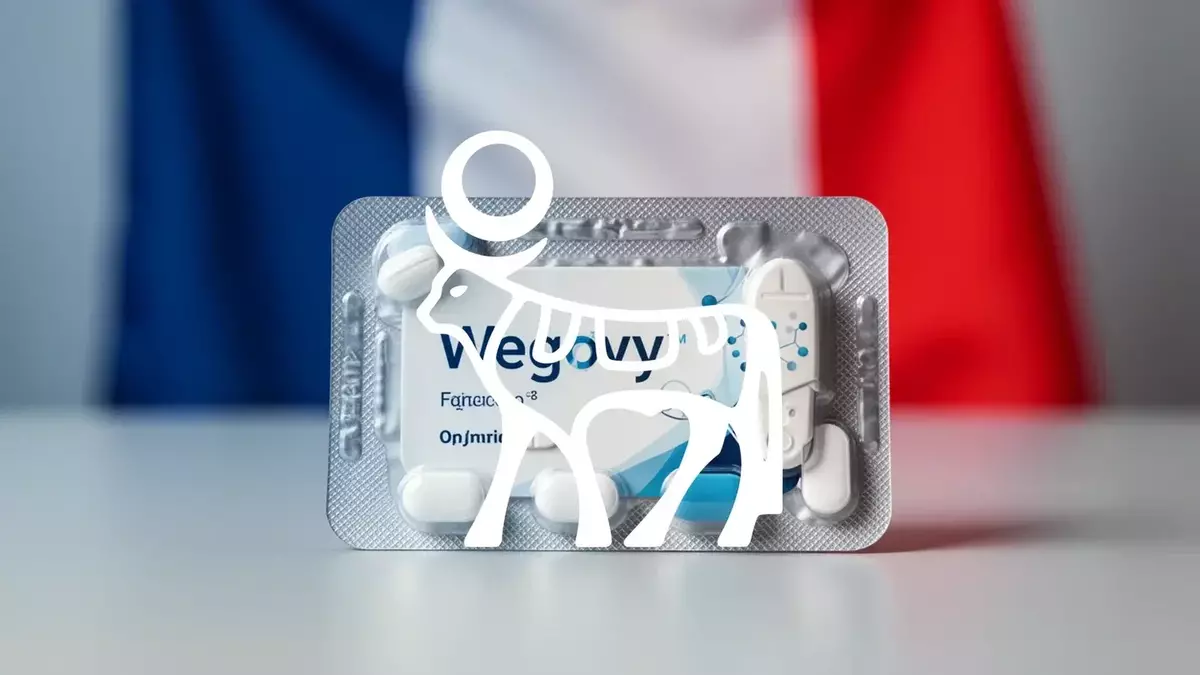
The Wegovy pill is rewriting the playbook for Novo Nordisk. Since its US launch, more than three million prescriptions have been written in just over five months, with the pace accelerating sharply — the first million took twelve weeks, the next just ten. And now the oral GLP-1 therapy is poised to go global. Britain’s Medicines and Healthcare products Regulatory Agency (MHRA) granted approval on June 11, marking the first time a GLP-1 pill has been cleared for weight loss in Europe. Clinical data from the OASIS-4 study showed a 16.6% weight reduction over 64 weeks, reinforcing the drug’s potential. The European Medicines Agency has also recommended approval, and the United Arab Emirates has already signed off. International rollouts are expected in the second half of the year.
But that milestone was immediately overshadowed by a cybersecurity incident. On June 12, attackers breached internal IT systems and stole pseudonymised patient data from clinical trials — including biomarkers, lifestyle factors, and participant IDs. Even more sensitive: personal contact details of doctors and nursing staff, including WhatsApp data and registration numbers, were also exfiltrated. Novo Nordisk insists the breach has not disrupted operations and that direct patient identification is unlikely. Under GDPR rules, however, the incident invites regulatory scrutiny. For a company that relies on robust clinical data to fuel its pipeline, the longer-term concern is trust — if patients and physicians hesitate to enrol in future studies, recruitment becomes a structural headwind.
The stock closed the week at €38.03, barely budging on the day but up roughly 2% over seven days. That modest gain offers a temporary reprieve in what has been a punishing year. The shares have shed nearly 46% of their value from the 52-week high of €70.13, a level that now feels distant. On the technical side, the equity has stabilised above its 50-day moving average of €36.38 and the 100-day line, a constructive signal. But the 200-day average at €41.43 remains a stubborn barrier, with the price still more than 8% below it. An RSI reading of 53.6 reflects the market’s indecision. The March low of €30.25 may well have marked the floor, but calling it a trend reversal would be premature.
The structural pressures are relentless. Novo Nordisk pioneered GLP-1 weight-loss drugs, yet today it commands only about 40% of the market. Eli Lilly has surged ahead with a 60% share, and cheap compounding pharmacy imitations are squeezing margins. US government pricing pressure and fierce competition are weighing on the company’s outlook: management itself has forecast shrinking revenues and profits in 2026. Adding to the erosion, semaglutide’s patent protection expires in Canada, Brazil, and China that same year — a loss that no pill success can fully offset.
Should investors sell immediately? Or is it worth buying Novo Nordisk?
The company’s massive share buyback programme has failed to arrest the decline. Since February 2026, Novo Nordisk has repurchased 4.7 billion Danish kroner in stock out of a total 15 billion kroner authorised. The repurchases signal management’s confidence, but they cannot mask the fundamental headwinds. CEO Mike Doustdar has warned that conditions will get worse before they get better, reinforcing a “valley” scenario that the market is already pricing in.
On the positive side, the Wegovy pill’s clinical and commercial momentum is undeniable. Phase 3 data presented in early June showed significant weight reduction in type 2 diabetes patients, published in respected journals. Demand in Britain alone appears explosive — 55,000 people are already on waiting lists with private providers. The shift from injection to tablet lowers the barrier for millions of potential patients.
Yet the risks multiply beyond the balance sheet. The departure of M&A chief John McDonald to a venture capital firm underscores a transitional period. Meanwhile, the broader implications of GLP-1 drugs are reshaping even food industry giants: Ingredion’s multibillion-dollar acquisition of Tate & Lyle illustrates how deeply these treatments are affecting consumer markets.
Novo Nordisk at a turning point? This analysis reveals what investors need to know now.
For now, Novo Nordisk remains in a phase of stabilisation, not recovery. The pill is a genuine catalyst, the pipeline is validated, and the market is vast. But the cyberattack is not an isolated glitch — it is a symptom of a new vulnerability for any pharma company guarding vast troves of sensitive data. Until the 200-day moving average is reclaimed, the technical picture stays fragile. This is not a catch-up rally waiting to happen; it is a test of patience for investors who have already endured a brutal sell-off.
Ad
Novo Nordisk Stock: New Analysis - 13 June
Fresh Novo Nordisk information released. What's the impact for investors? Our latest independent report examines recent figures and market trends.