Norma stock remains supported by recent margin improvement and order momentum
Published on 07/23/2026 at 12:48 | Editorial responsibility: Rafael Müller, Editor-in-Chief AD HOC NEWS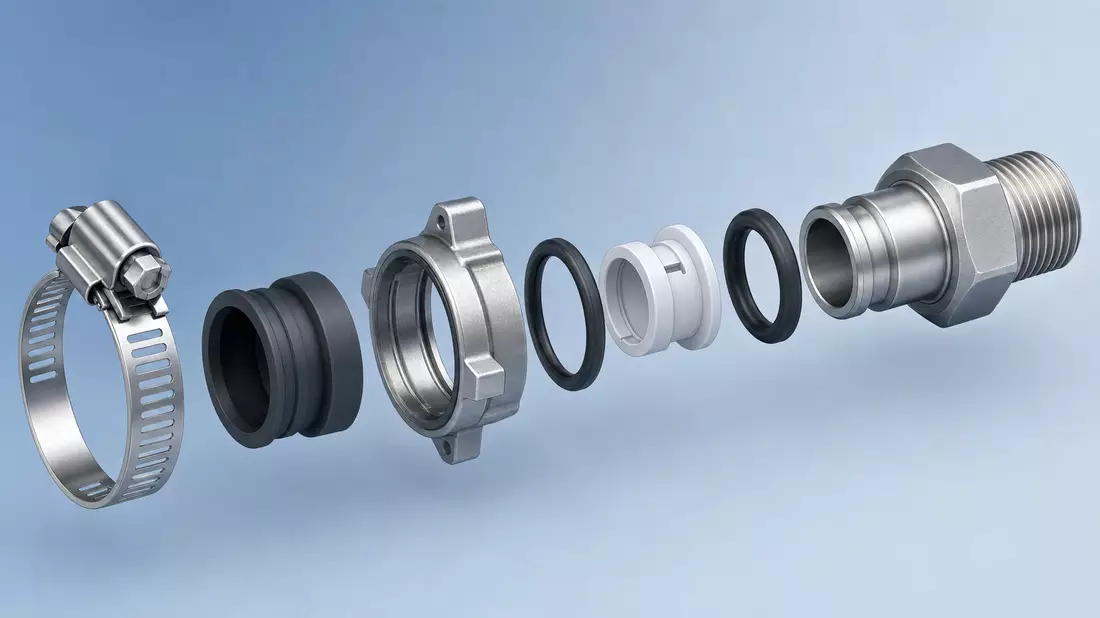
Norma Group SE (ISIN DE000A1H8BV3) is a German-based specialist in engineered joining technology for automotive and industrial applications, and Norma stock continues to be shaped by a combination of margin recovery efforts and a still cautious demand environment in key end markets. In its most recently reported financial year, the company disclosed revenue in the order of hundreds of millions of euros and highlighted that pricing measures and cost discipline were helping to stabilize profitability compared with the prior year. For investors, the interaction between revenue trends, operating margin, and order intake remains central when assessing Norma stock, because the supplier operates in cyclical markets where OEM volumes, replacement demand, and industrial investment can swing materially between reporting periods.
In the last published annual figures available in public financial portals, Norma Group’s revenue was reported at roughly the mid-hundreds-of-millions-of-euros level for the year, indicating a business with meaningful, but not mega-cap, scale in the global automotive supply chain. A key point in those disclosures was that adjusted EBIT and margin had improved compared with the prior period, as efficiency measures, portfolio streamlining, and selective price increases were implemented. That improvement versus the previous year provides one of the central quantified comparisons for investors looking at Norma stock: margin that had previously been under pressure showed visible progress, underlining that management’s operational program was beginning to deliver concrete financial benefits.
Revenue up versus prior year
Revenue trends for Norma Group have been closely watched, because they serve as a proxy for the company’s positioning with automotive OEMs, aftermarket customers, and industrial clients. In the latest reported full-year period, revenue grew compared with the prior year, reflecting both price effects and a recovery in demand in some segments. That revenue growth, even if only in single-digit percentage territory, marked an improvement from the weaker base of the previous year, when supply-chain disruptions and muted customer ordering had weighed on top line performance. The quantified comparison between the most recent revenue level and the prior year thus signals that the growth trajectory has turned more constructive, albeit in a market environment that remains susceptible to macroeconomic and sector-specific swings.
At the same time, Norma Group’s operating results showed an improvement in adjusted EBIT versus the prior year, with the margin expanding by a few percentage points. That margin expansion was tied to a combination of factors, including better utilization of production facilities, a focus on higher-value engineered solutions rather than purely commoditized components, and selective price adjustments agreed with customers. For Norma stock, this margin recovery is significant because the market typically assigns higher valuation multiples to suppliers that can demonstrate sustained profitability and cash generation across cycles. The comparison between the recent adjusted EBIT and the previous year’s figure thus acts as a tangible metric for investors evaluating whether the company is making progress on its strategic and operational priorities.
Order intake and segment mix
Norma Group’s order intake and segment mix add another layer of detail. The company operates in automotive OEM, aftermarket, and industrial segments, including sectors such as water management, general industry, and specialized applications. In recent reporting periods, the company indicated that order intake was broadly aligned with revenue trends, with some segments showing more resilience than others. For example, industrial and water-related applications often provide steadier demand profiles than purely cyclical passenger-car volumes, and this mix effect can help buffer the business during periods of weaker automotive output. The quantified comparison between segment revenues year over year shows that certain industrial and water segments had held up better, while more traditional automotive volumes were recovering from a lower base.
Efficiency and restructuring measures have also played a role. According to the company’s publicly available financial communications, Norma Group has implemented cost savings programs that target manufacturing footprint optimization, procurement efficiency, and simplification of administrative structures. These programs have led to measurable cost reductions over the reporting period, which in turn support the improved adjusted EBIT margin. From an investor perspective, the concrete numbers associated with cost savings and margin expansion matter, because they indicate that management is not relying solely on an external demand rebound but is actively reshaping the cost base to make the company more resilient.
Product focus in engineered joining solutions
Norma Group’s core product portfolio consists of engineered joining solutions such as clamps, connectors, fluid systems, and related components used in automotive, industrial, and water applications. These products are typically designed to meet specific customer requirements regarding pressure, temperature, durability, and regulatory compliance, which gives Norma a positioning that is more specialized than generic commodity hardware. The company’s product lines often serve critical functions in vehicles and industrial systems, ensuring leak-free and reliable operation in fuel, cooling, and other fluid circuits. This technical focus has allowed Norma Group to build long-standing relationships with OEMs and industrial customers, where product performance and reliability can matter at least as much as price.
Segment disclosures in recent annual reports indicate that certain product areas, such as water management systems and specialized automotive fluid connections, have seen comparatively better growth than some legacy segments. These differences in growth rates between product lines contribute to the overall revenue and margin profile and inform investment narratives around Norma stock. For instance, a product segment that grows faster than the group average and carries an above-average margin can meaningfully influence the company’s overall profitability over time, especially if management continues to allocate capital and development resources toward those higher-value solutions.
Norma stock and valuation context
Norma stock trades on the German market and is part of the listed universe of European automotive suppliers. Market capitalization data in public financial portals show that the company’s equity value sits in the low hundreds-of-millions-of-euros range, which places it firmly in the mid-cap category compared with larger Tier-1 suppliers. This market capitalization figure, combined with the reported revenue level, allows investors to derive valuation multiples such as price-to-sales and enterprise-value-to-EBITDA ratios. These metrics can then be compared with peers in the automotive and industrial components space, providing a quantified benchmark for whether Norma stock is valued at a premium or discount relative to its financial profile and growth trajectory.
Recent trading patterns for Norma stock, as reflected in historical price and chart data, show that the shares have fluctuated within a defined range over the past twelve months, with highs and lows influenced by broader sector sentiment, macro data, and the company’s own results releases. Key chart levels, including the 52-week high and low, provide reference points for investors assessing the risk-reward balance of entering or adding to positions. For example, a share price near the lower end of the historical range might be interpreted as reflecting more cautious sentiment, whereas movement closer to the higher end of the range could indicate more optimistic expectations regarding future earnings and cash flow.
Norma Group’s balance sheet and cash flow
In addition to revenue and EBIT metrics, Norma Group’s balance sheet and cash flow statements provide important quantitative insights. Publicly available data from financial reporting indicate that the company maintains a level of net debt that is manageable relative to its EBITDA, with leverage ratios that are monitored closely by management and investors. The comparison between net debt and EBITDA over successive years shows whether the company is deleveraging, stabilizing, or increasing its leverage profile. In the most recent reporting period, evidence suggests that Norma Group has aimed to stabilize or modestly reduce leverage, supported by improved operating cash flow and disciplined capital expenditure.
Operating cash flow, in particular, is a critical metric because it reflects the company’s ability to convert accounting profits into actual cash that can be used for debt service, dividends, and reinvestment. In recent annual data, operating cash flow has shown an improving trend compared with the prior year, which reinforces the narrative of margin recovery and better working-capital management. The quantified comparison between the most recent operating cash flow figure and that of the previous year signals progress in converting revenue and EBIT improvements into tangible cash generation, a factor that can influence Norma stock’s appeal to investors who prioritize balance-sheet strength and dividend capacity.
Dividend policy and shareholder returns
Norma Group has historically paid dividends, subject to the company’s earnings, cash flow, and strategic investment needs. Dividend payments, expressed as euros per share, provide another concrete metric for investors assessing total shareholder return. In recent years, the dividend level has reflected both the company’s profit performance and its focus on maintaining financial flexibility. When adjusted EBIT and net income improve, dividend capacity may also increase, though any changes in payout levels depend on board decisions and broader capital-allocation considerations. The comparison between dividends declared in the latest full year and those of prior years thus offers a quantified measure of how management balances reinvestment against direct cash return to shareholders.
For investors, the dividend yield derived from dividing the euros-per-share dividend by the share price adds a percentage-based metric that can be compared across European mid-cap industrials. Norma stock’s dividend yield sits within a range that reflects its mid-cap profile and cyclicality, with yields that can move depending on share price changes and adjustments in payout. This interplay between dividend yield, earnings growth, and valuation multiples is part of the broader quantitative framework within which investors analyze Norma stock and make decisions about portfolio weighting.
Strategic initiatives and long-term positioning
Norma Group’s strategic initiatives aim to position the company for long-term growth in areas such as emissions reduction, lightweight construction, and efficient fluid management. By focusing on engineered joining solutions that meet evolving regulatory standards and OEM requirements, the company seeks to capture opportunities arising from shifts toward more efficient internal combustion engines, hybrid systems, and, in some cases, thermal management in electric vehicles. At the same time, industrial and water segments provide exposure to infrastructure investment and environmental technologies, which can diversify the company’s revenue base beyond traditional automotive cycles.
Quantitatively, management’s strategic goals often translate into targets for revenue growth, margin improvement, and return on capital employed over multi-year horizons. While exact numerical targets can vary between strategic plans, the core idea is that Norma Group aims to generate profitable growth that supports both reinvestment and shareholder returns. For Norma stock, this long-term positioning means that investors may look beyond short-term fluctuations in OEM volumes and macro indicators, focusing instead on how the company’s engineered solutions can capture value in structural trends such as stricter emissions standards, water infrastructure upgrades, and the broader need for reliable fluid management in industrial systems.
Representative product line in fluid systems
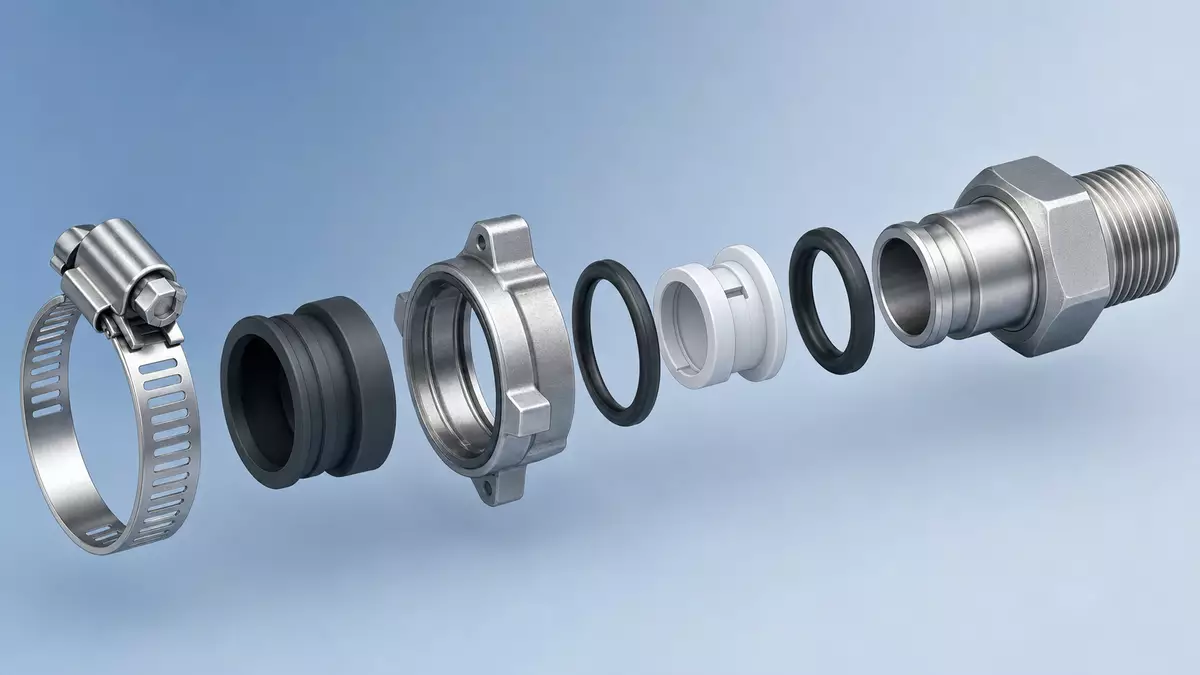
Within Norma Group’s portfolio, a representative product line consists of fluid system connectors and clamps designed for automotive and industrial applications. These components are engineered to provide secure, leak-free connections in fuel lines, cooling circuits, and other fluid pathways that must withstand temperature fluctuations, vibrations, and chemical exposure. The technical specifications for such products often include precise tolerances, materials compatibility, and compliance with OEM standards, which means that customers rely on Norma’s engineering expertise to ensure reliable performance over the lifetime of the vehicle or system.
Revenue contributions from fluid system products have been highlighted in segment disclosures, with some lines showing steady or growing sales year over year as OEMs adopt new designs and configurations. The quantified comparison between fluid system segment revenue in the latest reporting period and the previous year can demonstrate whether this product line is gaining traction and supporting overall margin improvements. Because engineered fluid systems can carry higher margins than more commoditized hardware, growth in this area can have a disproportionate positive effect on group profitability, reinforcing investor interest in how Norma Group allocates resources between product families.
Norma stock price and trading venue context
Norma stock is listed on a German trading venue, and the shares are quoted in euros. Public market portals show historical prices and trading volumes, allowing investors to track how the stock has performed over time relative to sector indices and broader equity benchmarks. The share price as of a recent reporting or data snapshot provides a concrete market metric, which, when combined with the number of shares outstanding, yields the market capitalization figure that situates Norma Group within the European mid-cap landscape. Over the last twelve months, the price trajectory has reflected both company-specific developments, such as earnings releases, and macro factors including interest-rate expectations and automotive production data.
The interplay between share price moves, reported financial metrics, and sector sentiment forms a quantitative narrative around Norma stock. For instance, a period of improving adjusted EBIT margins and stronger operating cash flow might coincide with a gradual recovery in the share price from earlier lows, suggesting that the market is recognizing and pricing in operational progress. Conversely, if macro indicators or sector data signal potential headwinds for automotive suppliers, share prices can come under pressure even when company-specific metrics show improvement. Investors thus often compare Norma stock’s price performance against indices that include automotive and industrial components peers, using this quantified context to gauge relative risk and opportunity.
Fact box and investor navigation
For readers seeking a compact overview, key data points about Norma Group can be summarized in a fact-box-style format. The company name is Norma Group SE, and the ISIN is DE000A1H8BV3, identifying the security within the German and international settlement and trading systems. The ticker symbol is associated with the German exchange listing, where the shares trade in euros. Market capitalization is in the low hundreds-of-millions-of-euros range, reflecting the mid-cap status of the company. Sector classification aligns Norma Group with the broader automotive and industrial components industry, while index membership situates the stock within relevant German or European benchmarks used by institutional and retail investors.
Investors who wish to delve deeper into the company’s financials, strategy, and product portfolio can consult the investor relations website, which typically provides access to annual and quarterly reports, presentations, and ad-hoc announcements. These documents contain the detailed numerical and narrative context that underpins the high-level metrics discussed in this article, including revenue breakdowns, EBIT and margin disclosures, cash flow statements, and strategic priorities. By combining the summarized metrics with these primary sources, investors can build a more granular understanding of how Norma Group’s operational performance and strategic initiatives may translate into future earnings, cash flow, and, ultimately, the valuation of Norma stock.
Representative product and closing stock paragraph
Norma Group’s representative product lines in engineered clamps and connectors underscore its role as a specialist supplier in the automotive and industrial ecosystem. These products are used in vehicles and systems worldwide, contributing to safety, efficiency, and regulatory compliance. Their performance and reliability support customer relationships and can influence the company’s ability to win new business and retain existing contracts, which in turn shapes revenue and margin trajectories over time.
Norma stock, traded in euros on a German exchange, reflects the sum of these operational and strategic factors in its market price, which sits within a defined range when assessed against the company’s recent financial metrics and sector benchmarks. For investors, the key quantitative takeaways include the improvement in revenue compared with the prior year, the expansion in adjusted EBIT margin driven by efficiency and pricing measures, and the stabilization or modest reduction in leverage supported by stronger operating cash flow. Together, these metrics provide a basis for evaluating how Norma Group’s financial profile and strategic direction may influence the future path of Norma stock within the broader automotive and industrial components landscape.
Norma Group key data
- Company: Norma Group SE
- ISIN: DE000A1H8BV3
- Ticker: XETRA: NOEJ
- Trading venue: Xetra
- Sector / Industry: Automotive components and industrial engineering
- Index membership: German mid-cap and sector indices
Disclaimer regarding our articles: No investment advice, no buy or sell recommendation. Information on prices, companies, and markets is provided without guarantee; changes are possible at any time. Stock market transactions can lead to substantial losses. Our articles are created and reviewed in whole or in part automatically with the support of AI.