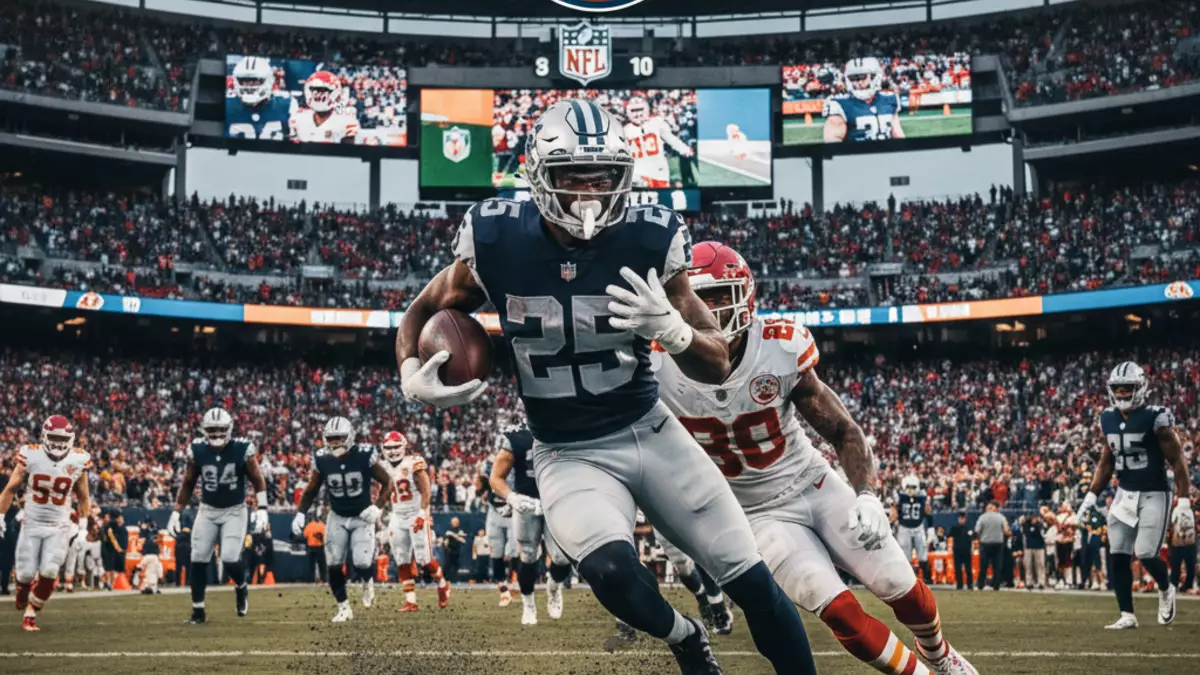
NFL Standings shake-up: Mahomes, Lamar Jackson and rising contenders reshape playoff race
Published on 02/28/2026 at 18:00 | Editorial responsibility: Rafael Müller, Editor-in-Chief AD HOC NEWS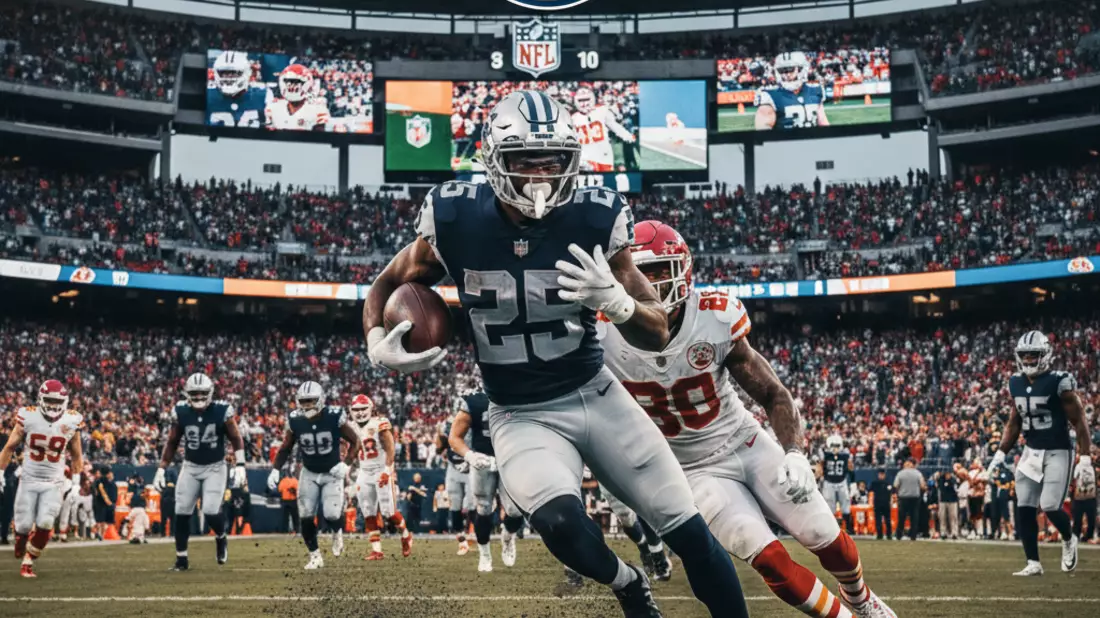
This template is designed to generate up-to-the-minute American football coverage focused on the current NFL Standings, blending hard data from the latest game week with sharp, narrative-driven analysis. It assumes you will run a live web search before every use to capture results, box scores, injuries and playoff implications in real time.
Always open your article by anchoring the reader in the present: what changed in the NFL Standings this week, which contenders took control and which supposed Super Bowl hopefuls suddenly look vulnerable. Put the biggest star quarterbacks and brand-name franchises front and center – think Patrick Mahomes and the Chiefs, Lamar Jackson and the Ravens, the Eagles, 49ers, Cowboys or whichever teams are dominating the current news cycle. Work the phrase "NFL Standings" naturally into your first lines while keeping the tone urgent and conversational, like a beat writer filing right after the late window.
Use bold, energetic football language. Call out heart-stopping finishes, overtime thrillers, game-winning field goals and clutch fourth-quarter drives. Describe how a single red zone turnover, a pick-six, a blown coverage or a missed field goal flipped both the game and the broader playoff picture. Make it feel like playoff football even in the regular season by underlining seeding swings, tiebreaker chaos and shifting Super Bowl contender hierarchies.
Right after your lead, drop in a clear call-to-action link that points fans to live information. The exact HTML line below must appear near the top of your story:
[Check live NFL scores & stats here]
From there, dive into a dynamic recap of the most important games of the latest week, but avoid a dry chronological listing. Instead, build around narrative tentpoles: the statement win by a top seed, the upset that jolted the playoff picture, the prime-time showdown that felt like January in December. Highlight the key figures – quarterbacks, star receivers, dominant pass rushers or shutdown corners – and support your analysis with verified stats pulled from your live research. Mention passing yards, rushing totals, touchdowns, sacks and key situational numbers like third-down efficiency or red zone conversion, but never invent numbers or outcomes.
Use your live search tools to pull fresh box scores and confirm them against at least two major sources, with a priority on NFL.com and ESPN. Also rely on CBS Sports, ProFootballTalk, Bleacher Report, Sports Illustrated, FOX Sports, USA Today and Yahoo Sports for context and quotes. Any ongoing game, like a Monday Night Football matchup still in progress, must be clearly labeled as LIVE with only the last confirmed scoreline mentioned. Never guess how a drive, quarter or game will end.
In your first major section, recap the headline games. For example, if Mahomes just led a two-minute drill to steal a road win, break down his pocket presence, the key throws and how that result reverberates through the AFC seeding. If Lamar Jackson shredded a top defense with both his arm and legs, detail his dual-threat impact and how it shapes the Ravens status as a Super Bowl contender. When you reference a defensive masterpiece, spotlight pressure packages, sacks, turnovers forced and pivotal fourth-down stops.
Add human texture with paraphrased, clearly attributed postgame reaction. A coach might talk about resiliency after a comeback win, a star receiver might mention chemistry with his quarterback, or a veteran defender could speak about the playoff atmosphere in the stadium. Keep the tone inside-the-locker-room, not corporate: it should sound like a beat writer who has been around the team all year.
Next, pivot explicitly to the NFL Standings and the broader playoff picture. After your narrative recaps, construct a compact HTML table that summarizes either the current division leaders or the most volatile Wild Card races in both the AFC and NFC. The table should be easy to scan, featuring columns such as Team, Record, Seed and perhaps a short note like "On fire", "On the bubble" or "Needs help" based on your research. An example structure (with placeholder teams and records) looks like this:
| Conference | Team | Record | Seed | Note |
|---|---|---|---|---|
| AFC | Chiefs | 10-3 | No. 1 | Control home-field |
| AFC | Ravens | 9-4 | No. 2 | Chasing top seed |
| NFC | Eagles | 11-2 | No. 1 | Super Bowl favorite |
| NFC | 49ers | 10-3 | No. 2 | Dominant defense |
When you fill this table for real, use the freshest records and seedings you can confirm from official league sources. Be explicit about tiebreakers only when they are clear and verified; otherwise, summarize by noting that multiple teams share the same record in the Wild Card race or that the seeding could swing on head-to-head results or conference records.
In this standings section, explain who currently holds the No. 1 seeds in the AFC and NFC and what that means for the road to the Super Bowl: rest advantages, potential bye weeks, and the path to home-field advantage. Distinguish clearly between teams that are virtually locked into the postseason, those battling in the Wild Card mix and those clinging to mathematical hope. Use the phrases "playoff picture" and "Wild Card race" organically, tying them to specific records and scenarios instead of abstract talk.
Then, shift into an MVP radar and performance analysis chapter. Identify one or two players who are at the heart of the MVP race right now, usually quarterbacks like Mahomes, Lamar Jackson, Jalen Hurts, Josh Allen or a surprise candidate such as an elite wide receiver or edge rusher. Use live numbers from the season to date: total passing yards, passing touchdowns, passer rating, rushing yards for dual-threat QBs, or sacks and forced fumbles for defensive monsters. Always verify these season-long stats with at least one official or trusted database before writing them into the story.
Contrast these MVP candidates by more than just stats. Talk about signature wins, prime-time performances, clutch drives in the two-minute warning and how they have carried their teams in big moments. Mention how their play shifts both the weekly game plan and the entire playoff calculus. For example, note when defenses start to blitz less because a quarterback is killing them with quick reads, or when extra attention on a star receiver opens up space for a previously quiet teammate.
Do not forget the harsh side of the league: injuries, trades and coaching pressure. Build a section that synthesizes the latest injury report information from the past week, focusing on how the absence or return of a star player impacts his team's Super Bowl chances. If a starting quarterback, Pro Bowl tackle or lockdown corner is ruled out, explain what that means schematically: protection issues, shaky timing in the passing game, or stress on the secondary. Frame trades and roster moves around urgency and stakes: is a contender patching a glaring weakness, or is a struggling team signaling a mini-rebuild?
As you track injuries, use the official NFL injury reports and beat writers from the news sources above. Make clear distinctions between players who are "out", "doubtful", "questionable" or "limited" in practice, and avoid speculating on return timelines beyond what teams and reputable reporters are indicating. Link these updates back to the standings and playoff picture to show why they matter.
In your closing stretch, cast forward to the upcoming week. Identify the must-watch matchups: maybe a potential AFC Championship preview, a divisional showdown that could decide a title, or a desperate win-or-go-home type game for a bubble Wild Card team. Use strong, directive language: tell fans not to miss Sunday Night Football or a heavyweight Monday Night Football clash. Tie each preview back to the shifting NFL Standings, stressing what is at stake in terms of seeds, tiebreakers and the Super Bowl contender hierarchy.
Finish with a punchy, fan-focused conclusion that loops the story back to the main theme. Emphasize that in this league, one wild Sunday can flip the entire playoff picture, vault a quarterback into the MVP race or knock a supposed contender to the brink. Reiterate the phrase "NFL Standings" naturally as you remind readers to keep an eye on both the scoreboard and the bigger board: records, seeds and momentum heading into the stretch run.
Throughout the piece, keep your language tight and vivid, blending analytics with the emotional rhythm of the sport. Use US football jargon such as red zone, pick-six, field goal range, blitz packages, pocket presence and two-minute drill. The tone should echo top-tier US outlets like ESPN or The Athletic – confident, informed and slightly conversational, as if you are speaking directly to obsessed fans who watch every snap and live for the chaos of the playoff chase.
Disclaimer regarding our articles: No investment advice, no buy or sell recommendation. Information on prices, companies, and markets is provided without guarantee; changes are possible at any time. Stock market transactions can lead to substantial losses. Our articles are created and reviewed in whole or in part automatically with the support of AI.